2027 Industry Demand for Nursing Education Master's Graduates: Job Outlook & Hiring Trends

Co-Founder and Chief Data Scientist
The hiring landscape for nursing education master's graduates increasingly emphasizes specialized roles such as clinical instructors, simulation coordinators, and curriculum developers within healthcare systems and academic settings. Employers often require candidates to demonstrate competencies in regulatory compliance, data-driven instruction, and interprofessional collaboration. For career-oriented students and working professionals, program flexibility and recognition of prior experience become crucial amid prevalent workforce shortages in both urban and rural regions.
Adult learners balancing budget constraints and schedules benefit from accredited online master's programs that align study with licensure pathways and portfolio development. According to the National Center for Education Statistics, online enrollments grew 12% in 2023, reflecting demand for accessible graduate education. This article analyzes current job outlooks and hiring trends to help readers assess whether pursuing a nursing education master's aligns with their professional ambitions, financial considerations, and sector-specific opportunities.
Key Things to Know About Industry Demand for Nursing Education Master's Graduates
- Demand for nursing education master's graduates increasingly favors candidates with clinical specialization credentials, shifting employer preference toward hybrid roles combining teaching with direct care expertise, which narrows some career pathways.
- Healthcare workforce reports from 2024 highlight a rise in institutional hiring requiring demonstrated experience with interprofessional education methodologies, signaling that employers prioritize candidates who can innovate in complex academic-practice interfaces.
- Expanded online master's program accessibility appeals to adult learners balancing work and study, but extended program lengths and tuition costs create trade-offs, impacting the timing of degree completion and workforce re-entry decisions.
What is the Current Job Outlook for Nursing Education Master's Graduates?
The current job outlook for nursing education master's graduates reflects a market shaped by intersecting factors that influence demand, role expectations, and credential requirements. Understanding these dynamics offers clarity on how graduates can strategically position themselves amid varied opportunities and challenges within academic and clinical teaching environments.
- Faculty Shortages: Persistent shortages of qualified nursing faculty create openings specifically for master's graduates with strong clinical and pedagogical skills. Programs expanding enrollment intensify this demand, but competition remains for positions emphasizing curriculum development and instructional adaptability.
- Credential Priorities: Employers value active registered nursing licensure alongside advanced degrees, frequently preferring candidates who hold certifications like the Certified Nurse Educator (CNE). Maintaining these credentials is essential for meeting regulatory and accreditation standards that directly impact hiring and advancement.
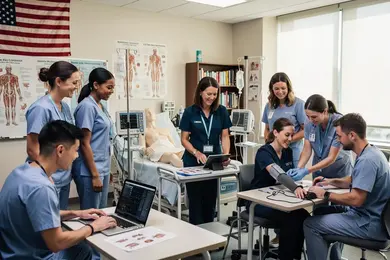
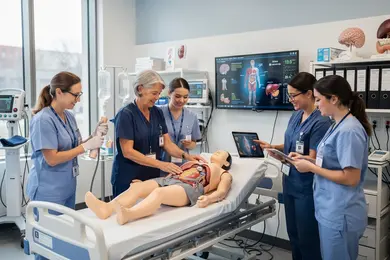
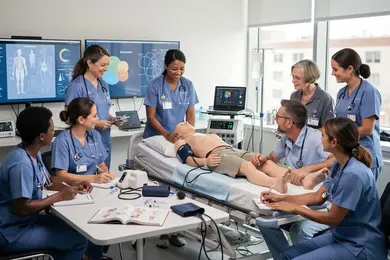
- Technology Integration: Growing reliance on simulation labs, online platforms, and digital assessment tools means that graduates with educational technology experience have a competitive edge. Master's programs that embed such training better prepare candidates to meet evolving employer expectations.
- Geographic Disparities: Urban centers and academic institutions offer more nursing education roles but come with heightened competition, while rural and underserved areas often have urgent demand for clinical educators willing to serve in community settings. This disparity affects hiring likelihood and career trajectory for graduates considering location flexibility.
- Sector Investment: Healthcare systems focused on staff development are emerging as notable employers beyond traditional academic settings, creating pathways that combine clinical expertise with educational roles. These positions sometimes offer alternative routes for master's graduates oriented toward direct patient-care education within health networks.
- Career Mobility and Salary Implications: Graduate-level preparation enables access to roles with increased responsibility such as curriculum coordination and academic advising, which correlate with higher salary potential. However, advancement often depends on demonstrated teaching effectiveness and ongoing licensure renewal under stringent industry standards.
- Program Relevance for Career Changers: Adult learners and professionals transitioning into nursing education benefit most from programs balancing flexible scheduling with practical training. Availability of accredited, affordable online options-including those that address clinical hours through innovative arrangements-supports realistic pathways into the field while managing work-life constraints.
For those evaluating pathways, comparing traditional clinical requirements with alternatives like RN to BSN online programs without clinicals may influence accessible routes to credentialing and readiness. Overall, the current job outlook for nursing education master's graduates calls for clear alignment between advanced academic preparation, credential maintenance, and responsiveness to evolving healthcare education demands.
Which Industries Hire the Most Nursing Education Master's Graduates?
Industries that actively recruit nursing education master's graduates do so because they require specialized skills that go beyond clinical proficiency, focusing on workforce development, regulatory compliance, and educational innovation. Demand in these sectors reflects distinct operational priorities, including integrating new teaching technologies, navigating healthcare regulations, and ensuring continuous competency among nursing professionals.
- Healthcare Systems and Hospitals: These employers value graduates who can design evidence-based curricula and lead professional development initiatives to enhance clinical competency amid evolving patient care standards. Roles such as clinical nurse educators or staff development specialists require balancing educational rigor with practical workflow demands.
- Academic Institutions: Universities and community colleges seek graduates with both pedagogical expertise and clinical experience to fulfill faculty and program coordinator positions. Increasingly, hiring preferences emphasize adaptability to online and hybrid teaching modalities, alongside maintaining accreditation and curriculum compliance.
- Public Health and Government Agencies: Within this sector, graduates often engage in community health education and workforce training targeting underserved populations. Employers prioritize applicants' grasp of population health trends, cultural competency, and policy impact to support preventive health programs and public wellness objectives.
- Healthcare Technology and Pharmaceutical Corporations: These organizations require nursing education professionals for clinical training and product education roles that ensure safe adoption of medical devices and therapies. Familiarity with compliance protocols and translating technical information into practical guidance distinguishes successful candidates.

What are the Most Common Job Titles for Nursing Education Master's Degree Holders?
The variety of job titles for master's graduates in nursing education often reflects specific employer priorities and sector expectations, revealing how different healthcare and academic settings value particular skill sets. Employers distinguish between roles emphasizing direct clinical teaching, program management, specialized consultation, and strategic leadership, which influences salary levels, advancement trajectories, and remote work options.
Understanding this classification is critical for graduates navigating the job market and aligning their credentials with realistic career pathways.
- Entry-Level Educator: Titles like Nurse Educator or Clinical Nurse Instructor commonly denote frontline instructional roles focused on patient-care teaching and curriculum execution. These positions require solid clinical experience complemented by pedagogical skills but typically do not extend into administrative oversight or research responsibilities.
- Program Leadership: Positions such as Faculty Coordinator or Education Program Manager bridge teaching and management duties. Employers expect candidates to handle accreditation processes, coordinate curriculum updates, and manage faculty teams, reflecting a blend of educational expertise and organizational acumen.
- Specialist Consultant: Roles labeled as Nursing Education Consultant or Clinical Education Specialist indicate a shift toward analytical and quality-improvement functions. These jobs demand familiarity with evidence-based teaching models and workforce development, often engaging in compliance and instructional design innovation.
- Executive Leadership: Titles like Director of Nursing Education or Chair of Nursing Programs signal senior administrative and strategic responsibilities. These appointments require advanced credentials and proven leadership to oversee budgets, policy implementation, and external partnerships across healthcare and education systems.
These job designations also reflect credential nuances; for instance, employers often favor Certified Nurse Educator (CNE) certification for roles beyond basic instruction. Additionally, the propensity for hybrid or remote configurations grows with managerial or consulting roles, while entry-level teaching generally mandates on-site presence due to clinical supervision requirements.
How Does Salary for Nursing Education Master's Graduates Compare to Other Advanced Degrees?
Salary comparisons for nursing education master's graduates reveal significant distinctions rooted in the nature of their roles versus other advanced degree holders. Unlike clinical or healthcare administration master's pathways, nursing education professionals typically command lower pay due to the specialized focus on teaching and curriculum development rather than direct patient care or operational oversight.
This differentiation reflects employer valuation of transferable skills aligned with academic or training settings rather than clinical revenue-generating functions.
- Industry Premium: Clinical-focused advanced degrees often come with higher starting salaries since hospitals and health systems prioritize direct care expertise and patient outcomes, which translate into measurable revenue. Nursing education roles, predominantly in academic institutions or community colleges, usually offer more constrained compensation tied to education budgets.
- Role Specialization: The emphasis on instructional skills and workforce development limits salary growth compared to clinical roles that engage advanced practice nurses or healthcare administrators, whose decisions directly impact organizational efficiency and patient care delivery.
- Credential Signaling: While licensure and certifications beyond the master's influence earnings, such credentials for nursing educators generally do not unlock the same premium as clinical licenses do. The credential impact for nursing education master's professionals remains modest relative to clinical counterparts.
- Geographic and Sector Variation: Salaries can vary sharply by location; urban centers or regions with high demand for nurse educators tend to offer better compensation, whereas rural areas or institutions with limited funding demonstrate compressed salary scales.
- Advancement Ceiling: The opportunity for salary progression in nursing education is generally lower compared to other advanced degrees, reflecting the sector's hierarchical and budgetary structures that emphasize stable but modest earnings.
- Return-On-Investment Tradeoff: Prospective students must weigh the modest salary outlook against job stability and the intrinsic value of educational roles. Budget-conscious learners might explore affordable, accredited programs including health information management online programs as alternative or complementary career paths offering distinct financial prospects.
What Hiring Trends are Shaping Demand for Nursing Education Master's Talent?
Hiring trends in nursing education master's roles increasingly reflect the convergence of clinical expertise with advanced teaching proficiency tailored to evolving healthcare and educational environments. Employers now prioritize candidates equipped to navigate digital platforms and hybrid instruction, recognizing that technical fluency in curriculum design and assessment tools directly impacts educational outcomes and program reputation.
- Credential Alignment: Institutions expect credentials that not only meet accreditation standards but also evidence ongoing professional growth. This signaling assures employers that graduates are prepared for compliance demands and evolving instructional expectations.
- Technical Specialization: Mastery of simulation technologies, learning management systems, and data analytics platforms has become a baseline requirement, enhancing a candidate's ability to integrate hands-on clinical scenarios into teaching strategies.
- Regulatory Insight: Familiarity with accreditation processes and healthcare compliance supports program quality assurance and reduces institutional risk, making candidates with this knowledge more competitive.
- Leadership Readiness: Employers seek graduates who demonstrate capacity for curriculum innovation and program leadership, reflecting a preference for educators who contribute beyond classroom instruction.
- Interprofessional Collaboration: Effective communication skills across clinical and administrative teams are crucial, as educators increasingly engage in cross-functional efforts to align academic programs with healthcare delivery needs.
What Skills and Specializations are Most in Demand for Nursing Education Master's Roles?
Employers hiring nursing education master's graduates increasingly prioritize specialized competencies that extend beyond basic instructional ability, reflecting the evolving demands of healthcare education environments. The ability to design evidence-based curricula aligned with clinical specialty needs and integrate innovative technology has become a differentiator in competitive selection processes.
A cademic programs now assess candidates' experience with simulation methods, as institutions seek educators who can safely replicate clinical situations to enhance critical thinking and student engagement.
Key skills and specializations critical in nursing education master's roles include:
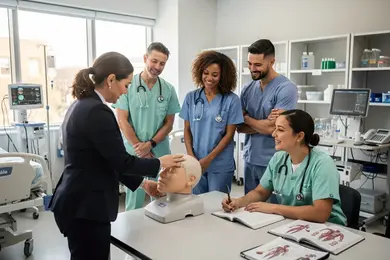
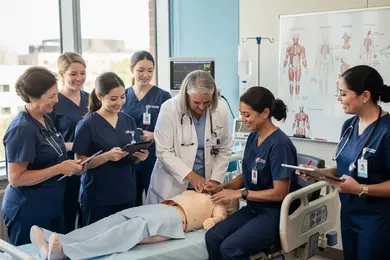
- Simulation-Based Education: Emphasizes creating realistic, technology-enabled clinical scenarios that improve learner outcomes without patient risk. Graduates with this specialization are preferred for roles in simulation centers and clinical skills labs, often leading to faster progression into leadership and program development.
- Interprofessional Collaboration: Focuses on education strategies that foster teamwork across healthcare disciplines. Mastery in this area aligns candidates with employers prioritizing integrated care approaches, bridging classroom teaching with clinical practice settings.
- Certification Readiness: Certifications like Certified Nurse Educator (CNE) signify advanced pedagogy and clinical expertise, setting candidates apart in saturated job markets and supporting salary growth and advancement opportunities.
- Data Literacy and Tech Proficiency: Involves competence with learning management systems, data analytics, and educational technology to assess outcomes and refine curricula. This skillset is essential for academic leadership roles and meeting accreditation requirements.
- Community and Mental Health Focus: Reflects growing employer demand for educators versed in public health priorities, expanding career paths beyond traditional academia into community-based and specialized clinical education roles.
Students evaluating nursing education master's programs should weigh how these competencies align with their career goals, especially considering cost-effective, flexible options that maximize ROI. Understanding the nuanced job outlook around these in-demand skills helps identify pathways that optimize employment prospects and meaningful role placement. For broader context on related healthcare education fields, those interested may also explore exercise science degrees as a complementary or alternative pathway.
How Do Employers Describe the Value of Nursing Education Master's Graduates?
Employers often portray nursing education master's graduates as specialists who bridge theoretical knowledge with practical instructional skills necessary for contemporary healthcare training environments. Their value is judged less by general credentials and more by how well they can handle specific educational challenges and leadership demands in increasingly complex clinical and academic settings.
- Applied Instructional Expertise: Hiring managers prioritize candidates who demonstrate the ability to design and implement evidence-based teaching strategies that integrate new technologies and respond to rapidly evolving nursing practices.
- Curriculum Development Skills: The capacity to create competency-based programs that meet accreditation standards and adult learning principles is a significant differentiator from bachelor's-prepared instructors.
- Leadership and Management Potential: Employers look for readiness to manage academic teams, lead program improvement initiatives, and contribute to faculty development, signaling a pathway beyond frontline teaching roles.
- Credential Alignment: Possession of specialized certifications in nursing education alongside the master's degree often weighs heavily in candidate evaluation, reflecting an institution's commitment to pedagogical rigor and regulatory compliance.
- Practical Experience Integration: Candidates with documented hands-on instructional roles or clinical teaching practicums tend to outpace peers who rely mainly on theoretical knowledge without active teaching portfolios.
- Demonstrated Impact: Evidence of measurable improvements in learner outcomes or program enhancements frequently appears in job requirements, underscoring the expectation for graduate-level educators to produce tangible, assessable results.
What ROI Do Nursing Education Master's Graduates Typically See from Their Degree Investment?
Return on investment (ROI) for nursing education master's graduates extends beyond immediate salary increases to encompass longer-term career viability, credential acquisition, and strategic positioning in evolving healthcare education markets. Graduates often find that the degree's payoff is realized through expanded role eligibility, professional stability, and alignment with licensure requirements rather than rapid wage jumps.
- Promotion Access: Many senior clinical instructor or program coordinator roles require a master's degree, making the credential a gatekeeper for advancement. Graduates who leverage this qualification can access positions otherwise unavailable, though salary growth is typically incremental.
- Credential Requirements: Specific licensure or certification often depends on master's completion, signaling employer value and facilitating compliance with institutional standards. Programs that streamline these certifications can shorten time-to-employment gains.
- Tuition and Opportunity Cost: The financial and time investments vary significantly with program format. Online or part-time options minimize income disruption, making manageable cost structures crucial for working professionals juggling job and study.
- Employer Tuition Support: Access to reimbursement programs can markedly reduce net expenses, enhancing ROI by lowering debt burden and financial stress during degree completion.
- Market Resilience: Hiring demand for nursing education specialists remains sensitive to regional workforce needs and institutional hiring cycles. Graduates positioned in areas with strong demand achieve more reliable employment outcomes and negotiation leverage.
What Job Search and Hiring Strategies Work Best for Nursing Education Master's Candidates?
Successful job search strategy for nursing education master's candidates hinges on how effectively they translate graduate training into employer-recognized value. In a labor market where many candidates hold advanced degrees, generic applications often fail to surpass early screening filters that prioritize proven teaching competencies and alignment with program priorities. A candidate applying broadly without targeting institutions expanding nursing faculty may miss optimal hiring windows or role fits, underscoring why a strategic, focused approach is critical within nursing education.
- Credential Positioning: Listing a master's degree alone is inadequate. Candidates should emphasize expertise in educational theory, clinical teaching methods, and accreditation familiarities that nursing education employers actually seek.
- Employer Targeting: Focus searches on institutions currently growing their nursing education programs, using specialized academic job boards rather than general employment sites to better navigate institutional hiring rhythms.
- Portfolio Evidence: Demonstrate practical impact via curriculum design, published research, or student mentorship to bridge theoretical training with tangible outcomes valued by hiring committees.
- Interview Preparation: Be ready to discuss how graduate education equips you to tackle challenges like learner diversity and technology integration, showing insight into institutional priorities beyond scripted answers.
- Timing Applications: Align submissions with academic hiring cycles, typically late fall through early spring, to maximize visibility during peak recruitment and avoid wasted effort in off-cycle periods.
- Transferable-Skill Framing: For candidates pivoting careers within healthcare, clearly map skills from clinical roles to education-focused demands, making your application relevant beyond textbook qualifications.
Adult learners balancing work and study should consider accredited, affordable online options offering flexibility and strong ROI, such as BSN to MSN online pathways. These programs ease credential advancement, a crucial factor amidst the targeted job search strategies for nursing education master's graduates needed to navigate practical hiring realities and employer expectations effectively.
How Will Future Trends Like AI And Automation Affect Hiring for Nursing Education Master's Graduates?
AI and automation are transforming hiring demands for nursing education master's graduates by shifting expectations from replacement to skill integration. Employers increasingly evaluate candidates on their ability to use and interpret digital tools within educational settings, emphasizing critical judgment over routine task automation. A nursing program may adopt AI-assisted assessment software requiring educators to ensure fairness and confidentiality while interpreting analytics, highlighting the need for both technical fluency and ethical oversight.
- Advanced Technical Fluency: Candidates must demonstrate proficiency with evolving educational technologies and continuous adaptation to new digital platforms that support clinical teaching and student evaluation.
- Automation-Resistant Responsibilities: Although administrative duties are streamlined through automated workflows, nursing education specialists are expected to focus on personalized mentorship and curriculum innovation that machines cannot replicate.
- Data-Driven Decision Making: Employers value strong analytical skills to interpret complex student outcome data, guiding instructional improvements and addressing learning gaps with evidence-based strategies.
- Ethical Oversight and Confidentiality: Graduates must manage AI-assisted grading and assessment tools carefully to maintain fairness, privacy, and compliance with professional standards amid technology integration.
- Leadership in Change Management: The role increasingly requires guiding peers and students through technological transitions, fostering collaboration across interdisciplinary healthcare education teams.
These hiring trends align with broader shifts toward automation-resistant roles and advanced skill requirements in nursing education careers, where technological capability complements clinical expertise rather than replacing it. Budget-conscious adult learners and career changers pursuing affordable, accredited online programs should prioritize curricula offering such integrative skills.
For those exploring educational credentials related to behavioral health, reviewing accredited online colleges for drug and alcohol counseling can provide insight into flexible program models with strong workforce relevance.
What Do Graduates Say About Industry Demand for Nursing Education Master's Graduates?
- Lawrence: "Balancing a full-time job and family commitments made me choose a part-time nursing education master's program, even though it took longer to complete. The real turning point was securing a virtual internship through the program, which gave me practical teaching experience employers actually valued. Without that hands-on work, I know I would've struggled to move into clinical educator roles, where portfolio evidence often outweighs formal licensure."
- Yitzchok: "I was cautious about switching careers after investing years as a bedside nurse, so I picked a nursing education master's program that emphasized curriculum development and certification prep. Although salary growth is modest without advanced clinical credentials, the program gave me the skills to design training that helped my hospital qualify for new grants. The workload was intense, but I've seen that employers prioritize teaching expertise and certifications over just experience."
- Cameron: "Time and money were big constraints, so I chose a flexible online nursing education master's to accelerate workforce entry. Navigating post-grad hiring was competitive, but the program's focus on simulation training helped me build a strong portfolio that opened doors to remote educator roles. Still, I've learned advancement often requires balancing more certifications or returning to clinical practice, which means career pivots are common even after the degree."
Other Things You Should Know About Nursing Education Degrees
In 2027, program flexibility is crucial for adapting to evolving job requirements and allows students to balance work, clinical rotations, and study. While institutional prestige can enhance job prospects, the demand for adaptable graduates who can thrive in diverse healthcare environments often makes program flexibility a priority.
The choice depends largely on your targeted role in nursing education. If you aim to work directly with students in academic or clinical training settings, programs with robust clinical practicums offer critical hands-on experience valued by employers. Conversely, if your goal is curriculum development, program administration, or policy leadership, prioritizing coursework in instructional design and educational leadership will better prepare you and may differentiate you in hiring processes.
Accelerated programs offer quicker entry into the workforce but often compress complex content and reduce opportunities for deep skill development, which can impact long-term mastery and employer perceptions of readiness. Longer programs tend to provide more comprehensive pedagogical training and practicum experiences, enhancing practical competence. Budget-conscious students should weigh immediate return on investment against the potential advantage in career flexibility and advancement offered by a more in-depth curriculum.
Researching regional demand and employer preferences through informational interviews and job postings is essential. Employers in different healthcare and academic settings may prioritize specific certifications, hands-on teaching experience, or specialization areas like simulation training. Prospective students should target programs with clear partnerships or established pipelines to local employers and seek opportunities to gain relevant experience aligned with those expectations, rather than choosing programs solely on national rankings or standardized curricula.
References
- The Master's Degree ROI Problem - Which Programs Actually Pay Off? https://www.campusroi.com/blog/masters-degree-roi/
- The Impact of Education on Nursing Practice https://www.aacnnursing.org/news-data/fact-sheets/impact-of-education-on-nursing-practice
- MSN Careers: Top Jobs for Master of Science in Nursing Graduates https://www.denvercollegeofnursing.edu/blog/nursing/msn-careers--top-jobs-for-master-of-science-in-nursing-graduates.html
- 10 Great Master's Degrees for Nurses in 2026 https://credenzahealth.com/career-advice/10-great-masters-degrees-for-nurses
- MSN in Nursing: What’s the Value of a Master’s Degree? https://www.salemu.edu/blog/msn-nursing-value/
- What Are the Top Employers of MSN Degree Holders? https://mastersinnursingonline.com/what-are-the-top-employers-of-msn-degree-holders/
- Reasons to Pursue a Master’s in Nursing Degree https://nursinglicensemap.com/nursing-degrees/masters-in-nursing/benefits-msn-degree/
- AI is Changing Nursing Education and Raising New Graduate Expectations - MedCity News https://medcitynews.com/2026/02/ai-is-changing-nursing-education-and-raising-new-graduate-expectations/
- 16 Types Of Master's Degrees In Nursing: Roles & Salaries | USAHS https://www.usa.edu/blog/types-of-masters-in-nursing/
- Career Paths in MSN https://www.allnursingschools.com/msn/career-paths/