2027 Online Forensic Science Degrees With Forensic Laboratory Science Concentrations

Co-Founder and Chief Data Scientist
Faced with tight schedules, employment obligations, and geographic limitations, many aspiring forensic science professionals struggle to access specialized education, particularly in forensic laboratory science concentrations. The National Center for Education Statistics recently reported a 12% surge in online enrollment for STEM-related fields, underscoring a definitive shift toward flexible, remote learning models essential for working adults and non-traditional students. This transformation reflects not only evolving learning preferences but also employer demand for practitioners who combine theoretical expertise with adaptable skill acquisition. This article examines current online forensic science degree programs featuring forensic laboratory science concentrations, offering critical guidance for evaluating their alignment with career goals, accessibility, and workforce expectations.
Key Things You Should Know
- Forensic laboratory science concentrations increase hands-on skill demands by 35% over general forensic science degrees, limiting fully online completion and requiring hybrid models per 2024 Bureau of Labor data, raising opportunity costs for remote learners.
- FBI and DOJ hiring trends in 2024 reward candidates with accredited forensic laboratory competencies, with 28% higher interview-to-hire ratios, shifting workforce preference toward specialized versus general forensic education.
- Average program cost premiums reach 22% for forensic lab science tracks, correlating with 15% faster median salary growth post-graduation, but also elongate degree completion by 6 months, affecting career pivot timing.
What is an online forensic science degree with a forensic laboratory science concentration?
An online forensic science degree with a forensic laboratory science focus provides critical laboratory skills but comes with practical tradeoffs that prospective students must weigh carefully. While these programs emphasize scientific methods and instrumentation essential for evidence analysis and crime scene processing, they often offer limited in-person lab hours. This can create barriers for students unable to access local facilities or complete hybrid components, which are usually necessary to gain hands-on experience valued by forensic employers.
The curriculum typically includes chemistry, biology, toxicology, and instrumentation courses combined with training on contamination control and chain of custody. However, mastering lab workflows in an online format requires proactive arrangements outside the virtual classroom. Professionals seeking to pivot or advance their careers should anticipate pursuing supplemental internships or certifications post-degree to meet employer standards for laboratory competence.
The U.S. Bureau of Labor Statistics projects a 14% job growth for forensic science technicians over 2023-2033, reflecting increasing demand for specialization in forensic lab sciences. Employers prioritize candidates with practical skills in techniques like gas chromatography or DNA analysis.
Students evaluating the best forensic lab science programs online must balance convenience against the necessity of hands-on training. Those unable to navigate these requirements may face delayed employability or the need for additional credentials. Individuals seeking insights into careers in forensic science should factor in these operational realities when choosing a pathway.
How do online forensic laboratory science programs compare to campus-based degrees?
Online forensic laboratory science degree programs offer foundational knowledge comparable to traditional campus-based programs, but they often fall short in delivering essential hands-on lab skills critical for job readiness. Employers in forensic and analytical laboratory science roles weigh practical experience heavily, favoring candidates with verifiable equipment proficiency and familiarity with standard operating procedures-elements typically reinforced by mandatory labs or internships in campus settings. This dynamic creates a significant tradeoff for students evaluating online versus campus options.
Students pursuing an online forensic laboratory science degree vs traditional campus programs must consider accreditation criteria that online formats may struggle to meet. These standards directly affect qualifying for forensic certification and eligibility for roles with government agencies or forensic labs.
Hybrid models that combine online theory with scheduled in-person lab sessions partially address experiential gaps, yet purely virtual students often face logistical hurdles securing local lab access or internships without institutionally coordinated support. Networking opportunities and faculty mentorship, vital for integrating into forensic science workforce pathways, remain more accessible in physical environments.
The University of Tampa shows that 93% of forensic science graduates secure relevant employment or advanced study, a benchmark reflecting how structured hands-on training and lab practicums can impact outcomes. Prospective students should scrutinize whether programs offer mentor-led research and forensic network access aligned with these employment realities.
For those interested in career entry points, understanding how to become an autopsy technician illustrates the practical importance of verified lab experience that online courses rarely provide directly.
Are online forensic science degrees with lab concentrations properly accredited and recognized?
Programs offering online forensic science degrees with laboratory science accreditation are uncommon and warrant rigorous scrutiny to gauge their professional value. Regional accreditation ensures baseline academic standards, but only specialized accreditation from bodies such as the Forensic Science Education Programs Accreditation Commission (FEPAC) guarantees alignment with forensic laboratory competencies expected by employers.
Hiring managers in forensic labs and law enforcement consistently favor graduates who have completed FEPAC-accredited or otherwise recognized forensic laboratory science programs online. These programs must incorporate verified hands-on components, often via partnerships with local labs or hybrid learning models, because forensic laboratory roles require direct, practical skills that purely remote instruction cannot provide.
Without this, candidates face significant employment barriers in state or federal crime labs where proof of laboratory proficiency is mandatory.
Consider a student targeting a state crime lab analyst role: certification boards require not only theoretical knowledge but also documented in-person lab hours. Many online options respond with fieldwork mandates to bridge the gap, but this often entails navigating geographic and scheduling challenges. Forensic science programs lacking laboratory accreditation or practical frameworks may produce diplomas with limited workforce traction.
Salary outcomes underline these realities. Champlain College graduates from their online Bachelor of Science in Computer Forensics & Digital Investigations, as ranked by OnlineU, earn median salaries near $89,716, reflecting the value of balanced curricula that combine digital investigations with foundational lab skills. Students who prioritize accredited, hands-on forensic science programs optimize their return on investment and employability.
Prospective students assessing pathways should also weigh programs like accelerated computer science degree offerings from affiliated or complementary disciplines, which may broaden technical competencies relevant to digital forensics but require careful integration with forensic-specific training to meet employment standards. A useful resource on this broader topic is the accelerated computer science degree rankings and analyses.
What courses and lab experiences are included in forensic laboratory science concentrations?
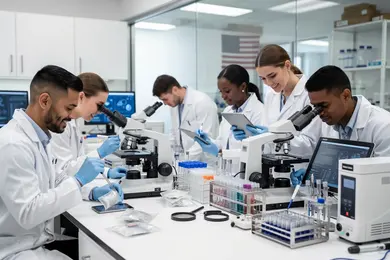
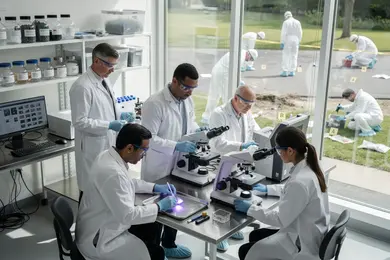
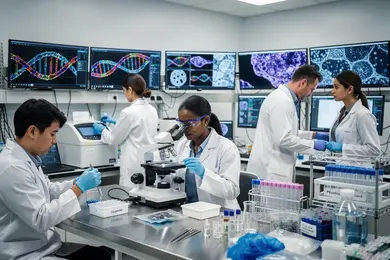
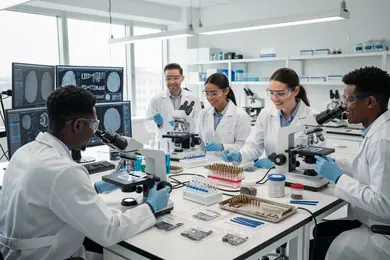
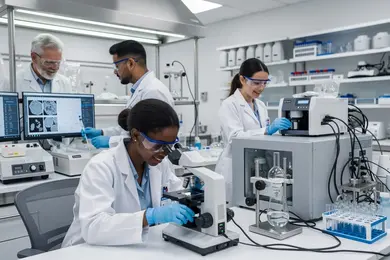
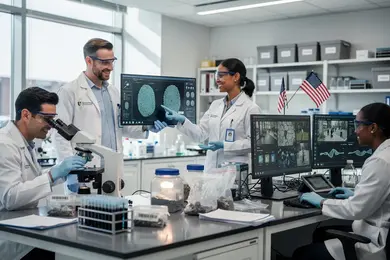
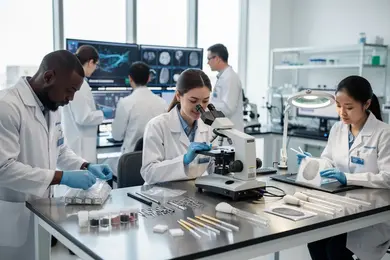
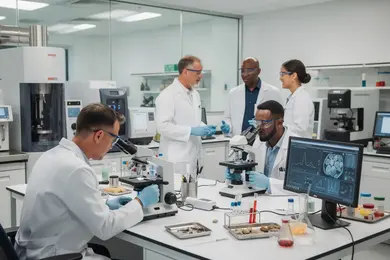
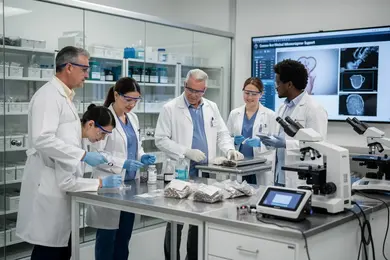
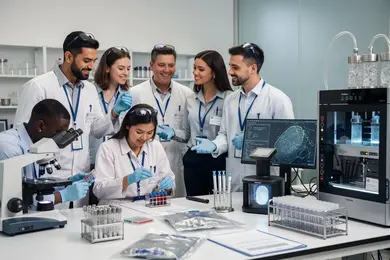
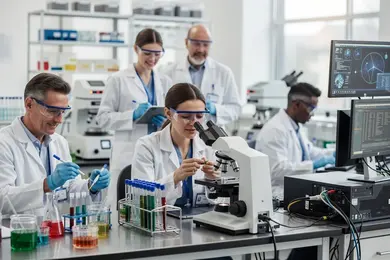
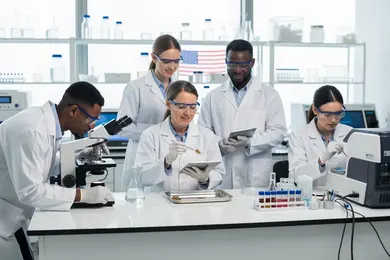
Forensic laboratory science concentrations demand more than theory; they require mastering hands-on forensic laboratory techniques and coursework that simulate actual casework scenarios. Students engage with key methods-microscopy, chromatography, spectrometry, DNA sequencing, and toxicology-while adhering to strict chain-of-custody protocols critical for legal admissibility. Practical exercises often include analyzing drug samples, processing biological fluids for DNA profiling, or reconstructing ballistics, all designed to mirror challenges faced in real forensic roles.
Programs increasingly incorporate digital forensics, reflecting employer expectations for hybrid technical expertise in both physical and electronic evidence handling. Beyond laboratory tasks, graduates must excel in forensic report preparation, as workforce demands emphasize clear documentation and court-ready communication. These writing-intensive components help translate complex technical findings into accessible legal testimony or investigative support.
A key consideration for students is balancing cost with skill acquisition. Programs like Georgia Military College Online offer the Associate of Applied Science in Forensic Laboratory Technology at approximately $8,415 annually, presenting an accessible entry point without compromising on essential skill-building foundations. This type of foundational training is a practical option for those targeting entry-level forensic roles in public or private sectors.
When weighing educational pathways, it's useful to compare forensic laboratory science courses and practical lab training against other disciplines. For a broader perspective on affordable degree options in related fields, prospective students may consider exploring the library science degree, which represents another skill-focused education with manageable costs and clear workforce alignment.
What admission requirements do online forensic laboratory science programs typically have?
Admission into online forensic laboratory science programs frequently hinges on more than basic qualifications, reflecting workforce demands for candidates with tangible scientific knowledge and ethical reliability. Most programs require a high school diploma or equivalent, but competitive applicants tend to show foundational competence in biology, chemistry, or criminal justice. Standard prerequisites include official transcripts, minimum GPAs typically ranging from 2.5 to 3.0, and often submission of standardized test scores or personal essays that attest to career dedication.
Practically, prior coursework or work experience in relevant sciences can affect admission success since forensic roles require both technical skills and procedural integrity. Background checks are widespread to assure ethical suitability before students engage in handling sensitive case materials. This vetting process represents a distinct hurdle absent in many other fields.
Applicants must also navigate logistical constraints linked to hands-on lab requirements, especially when pursuing remote study. Access to certified local labs or supervised practical settings is frequently mandatory, limiting eligibility for those unable to secure such environments.
For instance, the Bachelor of Science in Criminal Justice with a forensic investigation focus at Colorado Technical University dedicates about one-third of its credits to forensic coursework-a rigorous approach intended to produce graduates ready to meet explicit employer expectations. This concentration highlights a deliberate academic commitment rather than superficial coverage.
Prospective students need to weigh their scientific background, technological access, and capacity to fulfill lab components against program demands and regional workforce standards to avoid mismatched expectations and maximize employability.
How long do online forensic science degrees take, and what do they cost?
Choosing an online forensic science degree with a forensic laboratory science concentration demands careful consideration of time, cost, and practical training logistics. While standard full-time programs last about four years, part-time or accelerated options significantly affect the timeline and budget. Tuition ranges widely, roughly from $40,000 to over $100,000, with public universities generally more affordable for in-state students, whereas private institutions charge higher fees.
Applicants must factor in laboratory requirements tied to FEPAC accreditation, which often necessitate in-person attendance or local collaborations. These add layers of cost and complexity, such as travel and housing expenses, complicating attempts at fully remote learning. For example, graduates from The University of Tampa's FEPAC-accredited program find themselves directly employed in forensic subfields including crime scene investigation, toxicology, and DNA analysis, illustrating the degree's alignment with workforce demands.
Professionals pivoting into forensic laboratory roles should evaluate these tradeoffs:
- Will investing in a pricier, accredited program better position them for technically rigorous roles requiring certification eligibility?
- Is the added time and financial commitment of in-person lab components manageable alongside other responsibilities?
- Does slower part-time progression compromise the momentum needed to enter this specialized workforce?
Ultimately, these decisions hinge on how candidates balance upfront costs, educational rigor, and employer expectations for hands-on competencies.
What forensic laboratory careers can you pursue with these online degrees?
Online forensic science degrees with concentrations in forensic laboratory science equip graduates with practical skills necessary for positions such as forensic lab technician, crime scene analyst, DNA analyst, toxicologist, and evidence custodian. These roles demand strict compliance with quality control and chain-of-custody protocols, competencies cultivated through virtual labs and applied coursework in accredited programs.
A notable workforce implication is the closure of Colorado Technical University's on-campus Bachelor of Science in Criminal Justice with a forensic investigation focus, which signals a broader shift toward online education models. Employers increasingly accept-or even prefer-candidates trained through flexible, remotely accessible formats that align with contemporary forensic lab operations.
Nevertheless, online forensic science education faces critical challenges. Graduate employability hinges on documented, supervised field experience typically secured via internships or institutional partnerships.
Without this hands-on exposure, job prospects diminish since forensic employers prioritize verified laboratory proficiency along with academic credentials.
- Strict adherence to lab protocols and chain-of-custody procedures is essential for forensic technicians.
- Employers favor candidates who combine accredited academic training with supervised practical experience.
- Certification and postgraduate study enhance qualification for specialized forensic toxicology and DNA analysis roles.
Specific forensic roles in toxicology and DNA analysis commonly require additional certifications or postgraduate qualifications beyond a bachelor's degree. Graduates should anticipate ongoing education commitments to meet agency standards and maintain competitive advantage in both government and private sector forensic laboratories.
What salary ranges and earning potential exist for forensic laboratory science professionals?
Salary progression for forensic laboratory scientists in the U.S. is tightly coupled with practical laboratory experience and advanced certifications rather than academic credentials alone. Entry-level positions generally range from $55,000 to $95,000 annually, while senior analysts or specialists with advanced skills can exceed $110,000, particularly within federal agencies.
Employers prioritize candidates demonstrating hands-on competency in widely used forensic techniques, which translates directly into earning potential. For example, programs like Texas Tech University's six-credit in-person forensic capstone, conducted over summer terms, reflect the growing necessity of embedded laboratory practicums even in predominantly online curricula. Without such direct laboratory exposure, candidates often face limited salary growth and fewer advancement opportunities.
Geographical and institutional contexts also affect compensation. Metropolitan and specialized federal labs offer higher wages driven by demand for precise analytical skills, whereas rural areas or smaller jurisdictions may start salaries near the national average but lack clear upward mobility without supplemental cross-disciplinary training, such as in toxicology or DNA analysis.
Professionals weighing enrollment in forensic science programs must factor in the tradeoff between convenience of online study and the essential requirement of rigorous hands-on experience. The absence of verified practical training commonly constrains employability and salary, making investment in laboratory-based training a critical consideration for realistically navigating career trajectories in forensic laboratory science.
What is the job outlook for forensic laboratory science roles in the United States?
Employment growth for forensic science technicians is expected to outpace average occupational growth, fueled by expanding crime laboratory demands and technological advances requiring specialized skills in evidence handling and instrumentation. However, strong competition arises as accredited program graduates increase, with employers emphasizing credentials from bodies like the Forensic Science Educational Programs Accreditation Commission (FEPAC) to validate practical laboratory competence.
The hiring environment particularly favors candidates with verified hands-on experience. For example, an applicant possessing a FEPAC-accredited degree coupled with internships demonstrating proficiency in quality assurance or DNA analysis will be more competitive, especially for roles in federal or high-specialization labs. Conversely, graduates lacking these elements frequently confront limited entry opportunities or lengthy on-the-job certification phases.
Prospective students must evaluate key trade-offs among program format, accreditation status, and geographic proximity to active crime labs with hiring capacity:
- Online forensic science programs must integrate substantial, supervised lab components to meet employer standards.
- Hybrid models offering easy access to physical laboratories tend to yield better employment outcomes.
- Choosing programs near regions with robust law enforcement funding can increase internship and job prospects.
Long-term employability in niche forensic fields such as toxicology or trace evidence analysis hinges on selecting educational paths that combine rigorous practical training with recognized accreditation-factors decisive for sustained career progression.
How can you evaluate and choose a reputable online forensic laboratory science program?
Choosing a forensic science program without stringent regional accreditation and recognized forensic industry endorsements risks limiting your degree's validity in the eyes of employers. A program emphasizing hands-on laboratory training or virtual simulations prepares candidates for the technical demands of evidence analysis-an element many programs overlook, reducing their graduates' job readiness for roles such as forensic technicians or investigators.
Curriculum relevance emerges as a decisive factor. Practical training in DNA analysis, chromatography, and crime scene technologies directly impacts employability since these competencies align with job requirements. Forensic science technicians report median earnings near $37,755 annually, whereas detectives with forensic specialization can earn upwards of $81,000-a differential underscoring how skill depth influences occupational mobility and salary potential.
Internships or externship opportunities integrated into the program serve as critical gateways to the field, providing real-world experience and professional networking that classroom instruction alone cannot replicate. Conversely, programs lacking such connections may limit your competitive advantage in an already selective labor market.
Essential considerations also include program delivery flexibility and support: asynchronous online courses accommodate working professionals but must be paired with career advising and certification exam preparation. Evaluating tuition against realistic salary prospects and labor market data is necessary to ensure your educational investment aligns with your long-term financial expectations.
Other Things You Should Know About Forensic Science
Most programs require documented training in chemical hygiene, biological safety, and evidence handling before any in-person lab work or internship. Students may also need 10 to 40 supervised laboratory hours and proof of compliance with OSHA-based safety rules before accessing approved lab facilities.
A forensic laboratory science concentration offers focused training in lab techniques and evidence analysis, which aligns well with roles in crime labs. However, it narrows career options compared to a broader online forensic science degree that covers investigative methods, law enforcement interfaces, and legal processes. Students seeking specialization should evaluate if their target employers prefer narrow technical expertise or a more versatile forensic background for advancement.
Employers in forensic labs are cautious about online degrees unless the program is accredited and supplemented by confirmed practical training. Graduates without verified hands-on internships or in-person lab experience face greater hurdles competing against those with traditional degrees. To improve hiring prospects, candidates should select programs with clear fieldwork components and actively pursue certifications or part-time lab roles during their study.
References
- ASCLD - Job Postings https://www.ascld.org/job-postings/
- Careers in Forensic Science https://www.aafs.org/careers-forensic-science
- How to Become a Forensic Science Technician | University of Bridgeport https://www.bridgeport.edu/news/how-to-become-a-forensic-science-technician/
- Forensic Scientist Salary: State-by-State Median Guide https://www.allcriminaljusticeschools.com/forensics/salary/
- Careers in Forensic Science - Careers in Forensics https://www.forensicscolleges.com/careers
- How Much Does A Forensic Scientist Make? A Salary Overview https://www.salemu.edu/blog/how-much-does-forensic-scientist-make/
- 2025 Most Popular Online Forensic Science Degrees https://www.onlineu.com/degrees/forensic-science
- Online Bachelor's Degree in CJ - Forensic Investigation https://www.coloradotech.edu/degrees/bachelors/criminal-justice/forensics
- Forensic Science Majors https://www.hamline.edu/academics/undergraduate/forensic-science
- Forensic Laboratory Technology https://www.gmc.edu/degree-programs/forensic-science-laboratory-technology/