2027 Best Online Forensic Science Degrees for Coroner and Medical Examiner Support Roles

Co-Founder and Chief Data Scientist
Coroners and medical examiners increasingly face intense caseloads compounded by evolving legal and technological demands, often outpacing the availability of skilled forensic science support personnel. Navigating this landscape requires timely, flexible education solutions that accommodate professionals balancing irregular schedules and urgent workforce needs. Recent data from the National Center for Education Statistics reveals a 28% surge in online degree enrollment among adult learners since 2021, reflecting a shift toward adaptable program structures crucial for advancing expertise without career interruption. This analysis identifies the best online forensic science degrees tailored to those aiming to bolster coroner and medical examiner teams, focusing on program flexibility, practical outcomes, and credential relevance to optimize career progression.
Key Things You Should Know
- Nearly 40% of forensic science technicians supporting coroner roles hold bachelor's degrees, with a median salary 12% higher than associate degree holders, but extended program duration delays workforce entry by 1-2 years, impacting early-career earnings (BLS 2024).
- Employers prioritize hands-on experience in medical examiner protocols; programs lacking integrated clinical externships reduce job placement rates by up to 18%, emphasizing the need for curriculum alignment with jurisdictional forensic demands (NIJ 2024).
- State-level certification requirements for coroners in 22 states create a licensing barrier, raising total educational costs by 15% due to mandatory post-degree credentialing, complicating accelerated digital degree pathway access (Forensic Workforce Report 2024).
What is an online forensic science degree for coroner and medical examiner support roles?
Professionals aiming for medical examiner support roles must weigh the practical limitations and benefits of online forensic science degree programs for coroner assistants. These programs deliver targeted knowledge in forensic pathology, toxicology, crime scene documentation, and legal reporting, yet they stop short of conferring full medical qualifications. The most viable graduates excel in managing evidence handling and chain-of-custody protocols necessary for medicolegal investigations under a coroner's supervision.
Entry into this field typically requires certifications in forensic biology, anatomy, and digital record management-competencies increasingly embedded in online curricula. However, the virtual format demands disciplined time management due to extensive lab simulations and case studies that replace in-person experience. For example, a county medical examiner's office technician may utilize the program to sharpen forensic toxicology data analysis skills vital to cause-of-death determinations, while another in a metropolitan system might focus on jurisdiction-specific evidence preservation.
The economic rationale is clear: accredited programs start around $3,969 annually, with median forensic technician salaries nearing $64,940 and experienced professionals earning upwards of $107,000, demonstrating strong market payoff. Prospective students must also evaluate program accreditation, practicum availability, and alignment with state licensure standards to meet employer prioritization of procedural compliance.
Those considering a strategic pivot should note that the path is not purely academic but operational, requiring awareness of roles in forensic death investigations and practical workforce expectations. For a comparative perspective on investigative career pathways, the FBI behavioral analysis unit offers an alternative specialization emphasizing behavioral sciences over forensic technicalities.
What education and training do you need to work in coroner and medical examiner support?
Employers in coroner and medical examiner support roles expect candidates to hold at least a bachelor's degree in forensic science, biology, chemistry, or closely related natural sciences, with hands-on lab experience in toxicology, pathology, or criminalistics taking priority. This practical orientation affects daily duties such as evidence handling and autopsy assistance, distinguishing these positions from clerical roles. Online forensic science degrees for coroner training in the US that integrate lab coursework and practicums can address scheduling and access challenges but still require local internship opportunities to meet hiring benchmarks.
Internships or fellowships within medical examiner offices or forensic labs remain vital. Employer preference for field experience over theoretical coursework reflects the technical complexity and accuracy demands inherent in the work. Certification-while not universally required-such as the American Board of Forensic Toxicology's credential enhances competitive positioning, with employment for forensic science technicians, including coroner support, projected to grow 11% between 2021 and 2031.
Candidates should weigh the time and financial investment in certifications and advanced training against career advancement prospects, particularly for supervisory roles. This is critical given the niche job market, and balancing education costs with realistic salary expectations helps avoid overextension. For those exploring broader science degree options related to this field, resources on jobs for environmental science majors provide useful comparative context.
How do online forensic science degrees compare to campus programs for these careers?
Online forensic science degree benefits for coroner roles reveal a significant tradeoff: these programs typically lack the intensive hands-on cadaver lab and autopsy experience offered by campus programs, which remains essential for many medical examiner support roles. Employers prioritize candidates with direct experience in postmortem analysis and physical evidence handling, often requiring local internships or hybrid curricula to meet state certification requirements. Students pursuing coroner or medical examiner careers should expect to supplement online studies with apprenticeships or certificate programs to develop these skills.
Conversely, online degrees are well suited for professionals aiming at digital and computer forensic fields, where theoretical knowledge and virtual simulations align closely with job functions. According to Champlain College data reported by OnlineU in 2026, graduates in these specialized forensic disciplines can earn median early-career salaries up to $89,716, reflecting strong market acceptance.
Balancing workforce realities, online forensic science programs offer flexibility and accessibility for students juggling employment or remote living, but they require deliberate planning to secure practical experience independently. Campus-based programs continue to dominate in providing direct faculty mentorship and state-of-the-art facilities vital for coroner roles, underscoring the difference between campus vs online forensic science programs for medical examiner support.
Prospective students exploring this pathway should also be aware of related market data, such as the online animal science degree salary trends, which help contextualize broader educational investment and career outcomes in science-based disciplines.
Which types of forensic science degrees best prepare you for coroner support roles?
Candidates aiming for coroner support roles benefit most from bachelor's degrees in forensic science with targeted coursework in forensic pathology, death investigation, or medical examiner support. Employers emphasize hands-on competencies such as autopsy procedures, toxicology analysis, and medico-legal documentation over purely theoretical knowledge. Programs combining forensic science, biology, and criminal justice provide a multidimensional skill set essential for processing cause-of-death evidence and case file preparation, aligning well with practical workplace demands including biological sample handling and chain of custody maintenance.
Those pursuing medical examiner support forensic science programs should weigh the presence of supervised internships and faculty experience within coroner offices, as these factors significantly affect field readiness and reduce onboarding time. In rural or understaffed county coroner offices, graduates with comprehensive training tend to perform diverse tasks from autopsy assistance to preliminary report drafting, demonstrating the value of interdisciplinary instruction over narrow specialization.
Degree selection also involves tradeoffs: programs lacking practical lab exposure typically lead to extended post-graduation training and delayed career earnings. Conversely, affordable online forensic science degrees under $4,000 yearly can deliver robust STEM foundations without sacrificing essential applied skills. Prospective students should beware of programs that omit critical forensic histology or advanced toxicology instrumentation training, as these are pivotal for employment eligibility and effective performance.
Additionally, students might consider comparative fields when deciding educational pathways; for instance, exploring whether is library science a good career could reveal alternative routes depending on long-term goals. Navigating state certification requirements and ensuring integration with forensic death investigation frameworks remains indispensable for sustainable employment outcomes.
What courses and skills are covered in online forensic science programs?
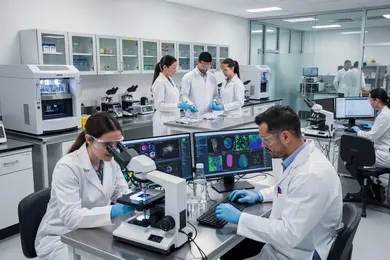
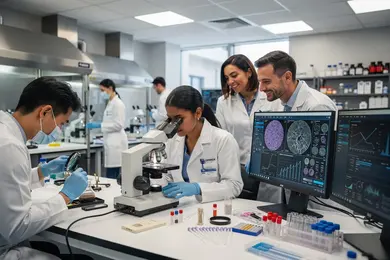
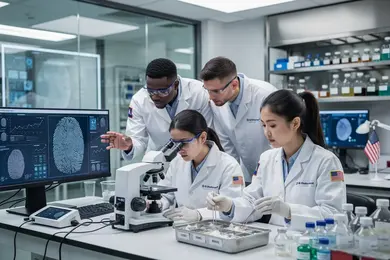
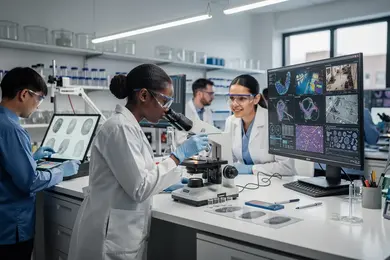
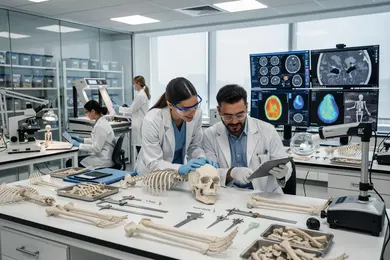
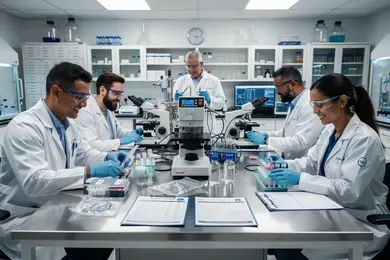
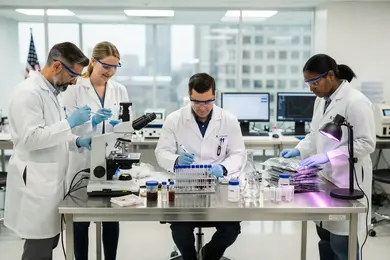
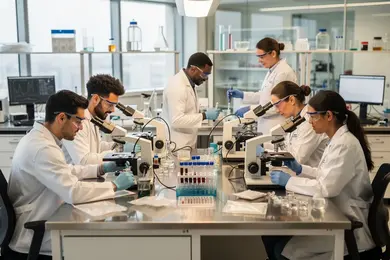
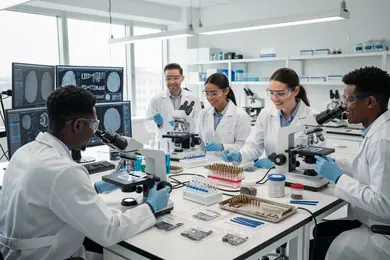
The practical focus of online forensic science programs for coroner and medical examiner support roles aligns directly with employer demands for proficiency in forensic pathology, toxicology, crime scene analysis, and legal procedures. Core coursework targets postmortem anatomical changes, forensic toxicology related to substance identification, and evidence collection protocols vital for maintaining chain of custody. Lab skills in microscopy, DNA analysis, and chemical assays are emphasized to ensure graduates can contribute to accurate cause-of-death determinations. Additionally, training covers medico-legal terminology and courtroom procedures, which are indispensable when collaborating with law enforcement or providing testimony.
Workforce realities include expectations for aptitude with digital forensics software and comprehensive data management tools to streamline case tracking and reporting processes. Graduates must interpret autopsy results within epidemiological frameworks, aiding public health monitoring and detecting trends like opioid overdose differentiation-an increasing priority in urban coroner services.
However, online program limitations such as restricted hands-on autopsy labs require students to pursue local clinical placements or internships, potentially complicating scheduling and geography. The vast enrollment at large-scale online providers, for example, Arizona State University Online with 52,896 students, illustrates access but also a greater need for self-directed learning amidst minimal individualized mentorship. These tradeoffs are critical for prospective students to assess in relation to their career objectives and logistical constraints.
How long do online forensic science degrees take, and what do they cost?
Choosing between associate, bachelor's, and master's degrees in forensic science requires weighing time investment against practical career outcomes. Associate programs, typically around two years, provide entry-level credentials but often limit upward mobility in technically demanding roles. Bachelor's degrees, spanning about four years, have become the baseline for most forensic and medical examiner support positions as employers prioritize comprehensive analytical skills.
Master's degrees, adding one to two years beyond a bachelor's, target specialized functions such as advanced data interpretation or supervisory responsibilities, but they come with higher financial and time costs during study. For example, a crime analyst aspiring to transition quickly into the field might find accelerated bachelor's tracks more effective than longer master's programs, which require balancing prolonged study against delayed earning potential.
Costs vary considerably: public in-state online programs range from $7,500 to $15,000 annually, while private or out-of-state options often exceed $25,000, with additional fees for labs or exams. Financial aid and military benefits can offset expenses, but students must evaluate total investment against realistic salary improvements and job placement outcomes.
- Associate degrees require about 60 credit hours, typically two years full-time.
- Bachelor's programs demand 120 to 130 credit hours, around four years of study.
- Master's degrees often require 1-2 additional years focusing on specialized forensic skills.
Flexible part-time and asynchronous formats enable working professionals to upskill without leaving employment, though slower completion extends exposure to lower wages. Selecting a program therefore hinges on immediate role entry vs. long-term specialization goals, with employer expectations increasingly favoring candidates holding bachelor's or master's credentials for advanced casework or supervisory functions.
How can you verify accreditation and program quality for online forensic science degrees?
Online forensic science degrees must be scrutinized for genuine accreditation beyond surface-level claims to avoid degrees with limited workforce value. Regional accreditation from bodies like the Higher Learning Commission is necessary but insufficient on its own. Programs should also hold specialized accreditation, such as from the Forensic Science Education Programs Accreditation Commission (FEPAC), which confirms curriculum rigor tailored to coroner and medical examiner functions.
Prospective students should prioritize programs incorporating hands-on labs or virtual simulations directly related to investigative medical examiner tasks. Absence of internships or fieldwork collaborations can sharply reduce a program's effectiveness, especially given the 12.8% job growth forecast for crime scene investigators, whose median salaries hover around $72,060 as reported by ASU Online labor market data for 2026.
Key evaluation criteria include:
- Verification of accreditation status through U.S. Department of Education and Council for Higher Education Accreditation registries
- Transparency in program outcomes such as graduation and employment rates aligned with industry needs
- Use of current technology platforms that reflect workplace forensic tools
- Qualified faculty with experiential backgrounds and certifications relevant to forensic and medical examiner duties
Consulting employers in crime labs or medical examiner offices about their preferred programs can clarify employment prospects and confirm which curricula balance theory with applied forensic science competencies.
What are the typical job duties in coroner and medical examiner support positions?
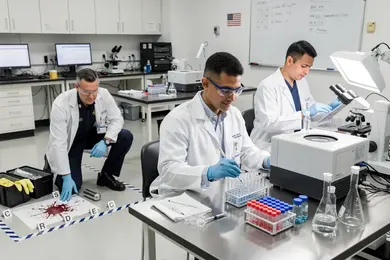
Coroner and medical examiner support roles involve rigorous evidence handling and documentation, demanding unwavering adherence to legal and procedural standards. For example, in urban medical examiner offices with high case volumes, efficient evidence processing directly affects investigative timelines and case outcomes. These professionals collect and catalog tissue, fluids, and trace materials while strictly maintaining chain-of-custody protocols to preserve evidentiary integrity.
Support staff also manage autopsy-related documentation, coordinate toxicology reports, and operate specialized imaging equipment, bridging communication between law enforcement, medical examiners, and families. In rural settings, the scope often extends to multitasking administrative duties alongside fieldwork due to limited staffing, increasing the role's complexity. Navigating these demands requires balancing technical precision with sensitivity to highly emotional contexts.
The labor market projects an 8.7% growth rate for medical scientists, roles representing potential progression beyond support positions, with average salaries around $103,410. This trajectory typically necessitates advanced forensic science education and ongoing certification, which can impose significant time and financial commitments for students. Evaluating these tradeoffs is essential when considering the realistic pathway from support roles to specialized career advancement.
Prospective learners should weigh the operational realities of casework and jurisdictional variability documented by ASU Online labor market statistics against the promise of specialized forensic expertise and employability in forensic science disciplines.
What salary ranges and job outlook can you expect in coroner support careers?
Medical examiner and coroner support roles offer salary trajectories that significantly depend on experience, certification, and geographic placement. Starting pay typically ranges from $45,000 to $65,000, but advanced roles in urban or state offices with higher caseload complexity can earn $80,000 to $90,000 or more. This variance reflects the practical demands of specialized technical skills and the differentiated operational environments of forensic casework.
The demand for forensic science professionals in coroner support positions is forecasted to grow by about 14% over the next decade, outpacing many other occupations. This growth primarily stems from the intensified use of forensic evidence across criminal justice and public health systems, directing hiring toward government agencies and private laboratories.
For graduates of online forensic science degree programs, salaries often settle between $60,000 and $90,000 within a few years, positioning these qualifications competitively within STEM fields. However, actual employability and salary capture require hands-on experience. Employers emphasize skills in autopsy assistance, evidence handling, and detailed report writing-competencies that programs incorporating internships better cultivate. Without this, career progression stagnates.
Certification from bodies such as the American Board of Medicolegal Death Investigators can boost wages by 15-20%. Still, geographic location, agency size, and funding remain decisive factors affecting salary stability and growth opportunities. Candidates must balance specialized education, practical training, and certification paths carefully to navigate the uniquely variable forensic science job market effectively.
How should you choose the best online forensic science program for your career goals?
Aligning an online forensic science program with specific occupational roles-such as coroner or medical examiner support-significantly affects employability. Programs focused on pathology, death investigation procedures, and medico-legal death certification equip students with practical skills demanded by employers who expect familiarity with autopsy processes. For example, graduates who have engaged in virtual labs or detailed case study analyses simulate critical on-the-job experiences, which can reduce onboarding time in forensic settings.
Regional accreditation coupled with advisory input from active forensic scientists or medical examiners guards against outdated curricula and ensures legal and procedural accuracy. This is essential as state licensure or specialized certification often determines eligibility for coroner office roles. Cost considerations must balance against return on investment; tuition near $3,969 per year is reasonable relative to mid-career forensic science technician salaries exceeding $107,000, enabling debt recovery typically within two years.
For working professionals navigating shift schedules, programs offering asynchronous learning with limited synchronous skill assessments provide necessary flexibility without compromising training rigor. Additionally, internship placement support or clinical partnerships bridge the divide between theory and workforce application, a critical factor for states mandating practical experience.
- Practical focus on pathology and death investigation boosts job readiness.
- Accreditation with active advisory boards ensures updated, relevant coursework.
- Cost versus salary potential favors programs around $3,969 annually.
- Flexible delivery accommodates employed students with irregular hours.
- Internship or clinical ties enhance certification and licensure prospects.
Other Things You Should Know About Forensic Science
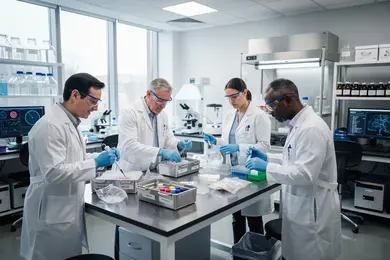
Most online forensic science degrees require at least one hands-on lab sequence, often 3 to 6 semester credit hours, completed on campus, at an approved local site, or through a hybrid format. Programs should also include documented competency in microscopy, evidence handling, and chain-of-custody procedures.
Specializing in forensic pathology or toxicology carries value for roles closely tied to medical examiner work but narrows career mobility. A broad forensic science degree provides versatility across various coroner support functions including evidence analysis and death investigation. For those aiming at long-term career advancement or public sector employment, a broad foundation paired with targeted certifications is generally more strategic than early specialization.
Program rigor correlates with future credential value; less demanding programs can lead to gaps in critical skills and weaker résumés. Employers focus heavily on demonstrable competencies, so choose curricula with applied labs, case studies, and updated forensic technology training. Additionally, forensic science advances quickly-select programs that offer opportunities for ongoing education or credential renewal to maintain relevance and avoid credential stagnation.
References
- How To Become a Forensic Scientist: Requirements & Steps https://www.forensicscolleges.com/blog/htb/how-to-become-forensic-scientist
- What Is a Forensic Pathologist? What They Do & Training https://my.clevelandclinic.org/health/articles/24614-forensic-pathologist
- Become a Medical Examiner Today! | NCDHHS https://www.ncdhhs.gov/divisions/public-health/become-medical-examiner-today
- Forensic Science https://icieducation.com/courses/law-justice/forensics/
- 13 Reasons To Become A Forensic Scientist https://www.openstudycollege.com/blog/3-reasons-become-forensic-scientist
- NHS England » Medical examiners https://www.england.nhs.uk/patient-safety/medical-examiners/
- Online Forensic Science Degree https://www.aiuniv.edu/degrees/criminal-justice/bachelors-forensic-science
- Forensic | Standards Council of Canada https://scc-ccn.ca/accreditation-scheme/forensic
- Train to become a medical examiner https://www.rcpath.org/profession/medical-examiners/train-to-become-a-medical-examiner.html
- How to Become a Medical Examiner | Forensic Medicine at PCOM https://www.pcom.edu/academics/programs-and-degrees/forensic-medicine/news/how-to-become-a-medical-examiner.html