2027 Forensic Science Career Paths With the Best Advancement Potential

Co-Founder and Chief Data Scientist
Facing the challenge of breaking into or advancing within forensic science demands more than technical knowledge; it requires navigating a competitive landscape where specialized credentials and practical experience weigh heavily. According to the National Center for Education Statistics, over 40% of forensic science program enrollees in 2024 are adult learners seeking flexibility through online or hybrid formats, signaling a shift in how working professionals manage education alongside career demands. This trend underscores critical decisions about timing, credential selection, and employer recognition, which directly impact upward mobility in forensic science careers. This article identifies career paths within forensic science that offer the strongest advancement potential to support strategic educational and professional choices.
Key Things You Should Know
- Specializing in DNA and digital forensics yields 23% higher advancement rates per NSF career trajectory data, but requires costly certifications that extend credentialing timelines by 18 months on average.
- Employers increasingly value cross-disciplinary experience; BLS projections through 2028 show forensic scientists with combined law enforcement or IT skills have 35% greater promotion likelihood, pressuring candidates to diversify beyond core science.
- Public-sector forensic roles offer stable advancement but face 12% wage stagnation over five years per DOJ reports, creating a tradeoff against riskier private-sector positions where growth is faster but less predictable.
What are the main forensic science career paths with the strongest advancement potential?
Forensic science career paths with the strongest advancement potential in the United States hinge on navigating technical specialization alongside leadership readiness. Roles in forensic toxicology, digital forensics, forensic biology/DNA analysis, and crime scene investigation management demonstrate notably distinct advancement trajectories shaped by employer expectations and labor market dynamics.
Forensic toxicologists face steady growth driven by public health and law enforcement demands, but must obtain credentials like ABFT to access senior roles. Digital forensics professionals, addressing the rise in cybercrime, require continual certification updates such as CISSP or EnCE to remain promotable. Forensic biologists focused on DNA evidence typically move from technician duties to supervisory or quality assurance positions, often demanding advanced degrees or targeted training. Crime scene investigators with management skills can advance to coordinator or director roles but contend with complex challenges including multi-jurisdictional collaboration and integrating evolving technologies.
The U.S. Bureau of Labor Statistics projects 13% employment growth for forensic science technicians from 2024 to 2034, producing about 2,900 openings annually. This rate exceeds average occupational growth, implying vigorous competition for positions that afford upward mobility. Candidates lacking leadership capabilities, despite strong technical expertise, often experience career plateaus.
Those seeking to pivot or advance should weigh practical tradeoffs of certification versus degree requirements, and understand the balance between analytical acumen and communication skills expected by employers. The market also highlights opportunities in related fields such as jobs with a masters in forensic psychology, which can complement career paths dependent on interdisciplinary knowledge.
What degrees and training do you need to start a career in forensic science?
Forensic science degree requirements in the United States emphasize that a bachelor's degree in forensic science, chemistry, biology, or a closely related natural science remains the foundational credential to access most forensic science roles. Employers prioritize candidates with hands-on laboratory skills obtained through accredited programs that integrate analytical chemistry, molecular biology, toxicology, and crime scene investigation techniques. This ensures graduates possess real-world competence with instruments such as mass spectrometers and DNA sequencers.
Candidates aiming for forensic lab analyst positions must develop strong data interpretation and chain-of-custody documentation skills-areas rarely mastered through theoretical study alone. Although associate degrees open pathways to technician roles, these qualifications often create a ceiling when competing against candidates with four-year degrees who gain access to more specialized disciplines.
Essential training programs for forensic science careers include practical internships or cooperative education with crime labs or law enforcement, which substantially improve employability. Continuing education, industry certifications like those from the American Board of Criminalistics, and targeted workshops sharpen skillsets that correlate with wage growth-Crime Lab Analysts earned a median annual wage of $67,440 in May 2024, with the top 10% exceeding $107,490.
For career changers from STEM fields, supplementary forensic science training aligned with accreditation standards set by the Forensic Science Education Programs Accreditation Commission is critical. Without these credentials, candidates face increased competition and fewer federal forensic job prospects. Those exploring advanced options might also consider an online doctorate data science to complement their forensic expertise.
How do forensic science salaries and promotion opportunities compare across job roles?
Digital forensics and cybercrime roles represent the upper salary tier within forensic science career salary comparison in the US, with specialists often surpassing $100,000 within a decade, particularly in federal agencies or specialized private firms. This contrasts sharply with traditional roles such as crime lab and evidence technicians, who frequently begin near $50,000 and face limited salary growth due to fixed public-sector pay scales and slower technological advancement. Professionals in digital forensics benefit from clearer promotion opportunities, often moving into leadership or consulting roles by acquiring advanced technical certifications and interdisciplinary skills.
Promotion opportunities across forensic science job roles vary significantly based on specialization and sector. While digital forensics unlocks faster career mobility, traditional crime scene analysts and pathologists encounter credential bottlenecks and fewer senior vacancies, which often plateaus their career trajectory. Forensic scientists focusing solely on conventional laboratory skills need to weigh supplementing their credentials or shifting toward private consulting to break through salary ceilings.
Students and professionals aiming to pivot or advance within forensic science should consider training options that balance specialization depth with sector flexibility. Prioritizing skills in cybersecurity and data analytics has tangible workforce value, offering lucrative pathways unavailable to more traditional roles. For those integrating computer science fundamentals into their forensic science expertise, exploring computer science degrees online can provide critical advantages in capturing emerging job markets.
Which forensic science specialties are projected to have the best job growth and stability?
The forensic science specialties with highest job growth in the US are concentrated in forensic pathology and medical examination fields, which combine rigorous medical training with legal expertise. According to labor data, forensic pathologists command salaries exceeding $300,000 annually in some jurisdictions by 2025, reflecting scarcity and the complexity of these roles. This specialization demands medical school and residency, imposing significant upfront educational investment that filters candidates, ultimately stabilizing job markets compared to technician-level positions vulnerable to funding fluctuations.
Digital forensics experts also show promise due to escalating cybercrime investigations, though their employment is more sensitive to rapid technological changes and evolving legal standards. Meanwhile, forensic toxicologists maintain steady demand, supported by persistent drug-related mortality trends. Candidates considering these paths must factor in the varied stability and growth prospects tied to each specialization's operational environment and employer expectations.
Employers increasingly prefer candidates with advanced degrees and certifications, underscoring the importance of ongoing education-especially in digital forensics where keeping pace with new technologies is critical for job security. Professionals transitioning from other science disciplines face a tradeoff between extended training durations and potential for the highest salary tiers and employment resilience.
For those weighing costs and benefits, understanding the long credentialing process against income prospects is vital. Medical examiner roles involve high responsibility with unmatched career longevity but demand rigorous preparation. Prospective students should also consider alternative educational investments such as the cheapest MLIS degree online for flexible advancement options outside traditional forensic paths.
Forensic science career paths offering best employment stability will often require balancing certification costs, training time, and adaptability to sector shifts that uniquely impact each specialty.
How do online forensic science programs compare to campus-based programs for career advancement?
Online forensic science programs provide foundational theory comparable to campus-based counterparts but come with practical tradeoffs that affect employability and salary growth.
Campus programs deliver essential hands-on lab experience and direct faculty connections to forensic professionals, critical for roles involving evidence handling and courtroom preparation. For instance, crime scene investigators earn roughly $40,000 to $75,000 per year, while evidence technicians range between $40,000 and $70,000 per year, according to Bureau of Labor Statistics data, with salary progression linked to skill acquisition beyond theory.
Online students must often pursue local internships or part-time jobs to gain this practical exposure. Employers prioritize verified hands-on experience, which many online curricula lack, limiting access to forensic analyst or specialist roles demanding advanced competencies and professional networks. However, online paths suit working professionals needing schedule flexibility during career pivots.
Consider a paramedic seeking to transition into crime scene investigation: an online program may accommodate shift work but requires proactive externship arrangements. Alternatively, graduates targeting forensic toxicology licensing typically must engage in campus-based lab rotations to meet state and employer mandates. The decision requires aligning education mode with one's capacity for securing experiential learning essential for crossing the $70,000 salary threshold.
Prioritize programs balancing theory with practical components and recognize that achieving employer-valued competencies remains pivotal for mid- and upper-tier forensic science roles and associated salary growth.
What accreditation and program quality standards should forensic science students look for?
Programs accredited by the Forensic Science Education Programs Accreditation Commission (FEPAC) remain essential for students aiming at federal or higher-level forensic science roles. Federal agencies typically require degrees from accredited programs due to their verified curriculum rigor and required hands-on lab experience in chemistry, biology, and criminalistics. Graduates from non-accredited programs often find themselves excluded from these roles, limiting earning potential; for instance, federal forensic positions report mean annual wages of $119,630 compared to roughly $70,000 in state or local government jobs per Bureau of Labor Statistics data.
Applicants should scrutinize whether programs incorporate advanced technologies such as DNA sequencing and digital forensics, which significantly influence employability in modern forensic roles. Faculty expertise and access to internships with established forensic or law enforcement laboratories are critical markers of a program's practical value.
Additional considerations include certification exam pass rates-especially from bodies like the American Board of Criminalistics-as certification increasingly shapes career trajectories. Lack of clear certification pathways correlates with longer job searches and stagnant entry-level salaries.
- Accredited programs ensure comprehensive science and hands-on training aligned to industry standards
- Non-accredited paths risk limited job access and significantly lower wages
- Practical training with advanced technology and real-world internships improves market readiness
- Certification support is pivotal for progression beyond basic entry roles
What core courses and lab experiences prepare students for advanced forensic roles?
Proficiency in both theoretical knowledge and instrumental techniques is essential for forensic science professionals seeking roles beyond entry-level analysis. Specialized coursework in organic/inorganic chemistry, forensic toxicology, and DNA analysis forms the foundational expertise for interpreting complex evidence. However, advancing within crime labs requires demonstrated capabilities in operating and troubleshooting advanced instrumentation like mass spectrometers, chromatography systems, and capillary electrophoresis devices, all performed under stringent chain-of-custody and quality assurance protocols.
Practical exposure through multiple laboratory rotations-covering toxicology, serology, and materials science-is vital to build the versatility needed in midsize state or local labs, where forensic chemists often analyze diverse evidence such as drug metabolites, paint particles, and fibers. Employers prioritize candidates skilled in quality control compliance aligned with accreditation standards like ASCLD/LAB-International, as these competencies directly impact case reliability and admissibility.
The median salary benchmark of $86,620 for forensic chemists and materials scientists reflects the sector's moderate growth projection of 5% over the next decade, according to the U.S. Bureau of Labor Statistics. Students who neglect advanced instrumental training and QA/QC mastery risk stagnating in technician roles, limiting their ability to move into leadership or specialist positions within forensic laboratories.
How long do forensic science degree pathways take, and what do they cost?
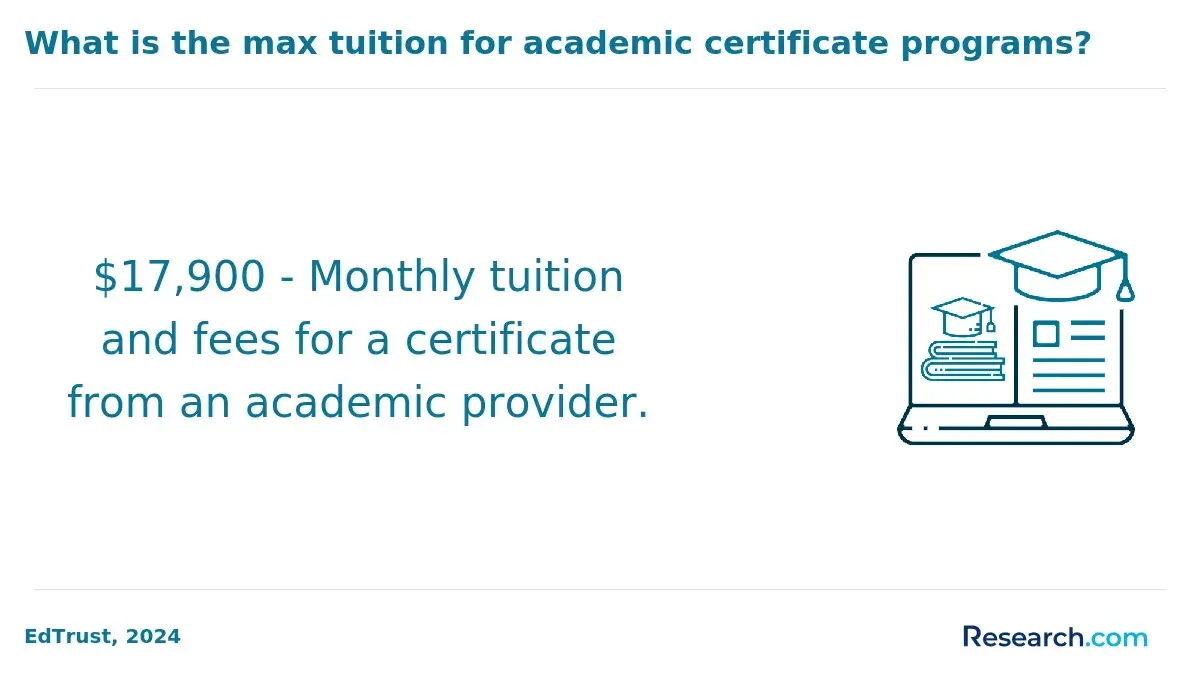
Choosing a forensic science bachelor's pathway involves balancing time and cost against labor market realities, especially when differentiating public and private institution expenses. Public in-state universities typically charge $10,000-$15,000 annually, leading to total direct costs between $40,000 and $60,000 for four years, while private programs often exceed $30,000 per year, pushing totals beyond $120,000 when including fees and living expenses. An associate degree offers a cheaper, two-year alternative, but its limited depth reduces competitiveness for specialized forensic roles.
Graduate education requires an additional two to three years, with total costs from $20,000 to $50,000 depending on the institution. These programs focus on advanced lab techniques and niche skills, essential for higher-level positions like crime lab supervisors or specialized analysts. Federal or institutional aid may offset expenses, but the time investment delays income.
Entry-level salaries range from $50,000 to $70,000, especially in digital forensics or forensic accounting sectors. Within a decade, seasoned professionals often surpass $100,000, primarily in private and federal roles. However, public crime labs commonly demand extended apprenticeships or certifications, delaying earning capability compared to private-sector employers who prioritize targeted expertise and relevant certifications for faster progression.
Prospective students should weigh:
- Upfront tuition and living costs versus long-term earning potential;
- Program length and specialization aligning with employer preferences;
- Certification pathways that accelerate market value in private-sector forensic disciplines.
Source: research.com
What certifications or licenses help forensic science professionals move into senior positions?
Securing certifications such as the American Board of Criminalistics (ABC) or the International Association of Computer Investigative Specialists (IACIS) credential is often essential to move beyond entry-level forensic science roles, especially into supervisory or specialized positions. Employers typically expect candidates to combine these certifications with at least five years of relevant experience, creating a barrier that separates capable candidates from those eligible for leadership roles. For example, a forensic analyst with IACIS certification can advance to managing cybercrime investigations within law enforcement or private firms, demonstrating how credentials align with practical role expansion.
Licenses are more narrowly required, usually limited to forensic pathologists or medical examiners, demanding state licensure and medical board approval. Notably, certifications in digital forensics carry strategic weight due to rapid market growth-surpassing USD 4.95 billion between 2016 and 2022-signaling increasing employer demand for expertise in this niche.
Continuous education is mandatory since certifications often require renewal or updating every few years to keep pace with evolving technologies and protocols. Across regions, these credentials correlate with measurable compensation gains: professionals in India report earnings above the average INR 3.5 lakh annually, while U.S. senior forensic roles linked to certifications command 30% to 50% higher salaries than entry-level jobs. However, candidates must weigh the cost and time demands of certification preparation against potential stagnation if credentials are not pursued, especially in competitive federal and private sectors.
How can prospective students choose a reputable forensic science program aligned with their career goals?
Choosing a forensic science program demands scrutinizing its actual impact on employment prospects and practical skill acquisition rather than relying solely on reputation. Given the projected need for 11,600 forensic science technicians between 2022 and 2032-primarily due to retirements-programs must demonstrate connections to agencies that facilitate internships and job placement to navigate workforce turnover effectively.
Key considerations include:
- Verification of accreditation from agencies like the Forensic Science Education Programs Accreditation Commission (FEPAC), ensuring curriculum rigor that matches evolving legal and technological demands.
- Specialization availability aligned with targeted roles, such as DNA analysis or digital forensics, to avoid mismatches between graduate skills and employer expectations.
- Location proximity to forensic labs or law enforcement, which can significantly shape networking opportunities and hiring potential.
- Format tradeoffs-full-time, research-intensive programs often suit direct technician pathways, while part-time or online formats better accommodate working professionals aiming for incremental advancement.
Moreover, integrating training for certifications like the International Association for Identification (IAI) exams can reduce costly delays in credentialing, a crucial factor when the market favors candidates ready to contribute immediately. Balancing program cost and duration against these practical outcomes is essential, as upfront savings on less connected or non-accredited programs may extend time to employment or limit upward mobility.
Other Things You Should Know About Forensic Science
Forensic DNA analysis, digital forensics, and forensic toxicology usually offer the strongest advancement paths. These areas support promotion into senior analyst, lab supervisor, quality assurance, or casework manager roles. Employers often prefer candidates with a bachelor’s degree, two to five years of casework experience, and field-specific certification.
Specializing in niche forensic fields like digital forensics or forensic anthropology can limit job options geographically and across sectors but often offers higher pay and leadership potential in focused markets. Broad skill sets in crime scene analysis or forensic chemistry provide greater geographic mobility and employer variety but may face stiffer competition. Prioritize specialization only if you target organizations or regions with established demand for that expertise.
Certifications increasingly impact promotion decisions, especially for mid-career professionals balancing work and study. Employers often view industry-recognized credentials as evidence of current technical competence and commitment to the field, sometimes more than older academic degrees. Candidates seeking leadership roles should strategically pursue certifications aligned with employer requirements and emerging forensic technologies to maintain relevance.
References
- Educational Standards (EQS) - The Chartered Society of Forensic Sciences https://www.csofs.org/quality-standards/educational-standards/
- Criminal Justice Careers in Forensic Science and Investigations https://www.shawnee.edu/blog/criminal-justice-careers-in-forensic-science-and-investigations
- Forensic Science & CSI Schools By State - Degrees & Certification https://www.forensicscolleges.com/usa
- How to Become a Forensic Scientist: The Ultimate Guide https://investin.org/blogs/news/how-to-become-a-forensic-scientist
- Tips for Students Pursuing Careers in Forensic Science https://forensicstats.org/blog/tips-for-students-pursuing-careers-in-forensic-science
- The Forensic Science Jobs You Can Pursue with Qualifications https://www.stonebridge.uk.com/blog/distance-learning/the-forensic-science-jobs-you-can-pursue-with-qualifications/
- Careers in Forensic Science https://www.aafs.org/careers-forensic-science
- Accreditations https://hfsctx.gov/accreditations/
- How Much Does A Forensic Scientist Make? A Salary Overview https://www.salemu.edu/blog/how-much-does-forensic-scientist-make/
- 13 Reasons To Become A Forensic Scientist https://www.openstudycollege.com/blog/3-reasons-become-forensic-scientist