2027 Online Forensic Science Degrees With the Best Salary-to-Cost Potential

Co-Founder and Chief Data Scientist
Securing a forensic science degree online that balances cost with strong salary prospects presents a high-stakes puzzle for many aspiring professionals. Employers increasingly favor candidates with rigorous, accredited credentials, yet program prices and quality vary drastically. Meanwhile, labor market data from the U.S. Bureau of Labor Statistics highlights a 14% projected growth in forensic science technician jobs over the next decade, intensifying competition and emphasizing the need for strategic program choices.
At the same time, the National Center for Education Statistics reports a 12% rise in adult enrollment in online degrees since 2023, revealing a shift toward flexible, career-compatible education. This article identifies online forensic science degrees that optimize salary-to-cost outcomes, helping learners navigate program quality, affordability, and employability tradeoffs effectively.
Key Things You Should Know
- Median forensic science salaries rose 4.7% since 2023, but top-tier programs can cost 2.5× more, forcing candidates to weigh debt burden versus long-term employer preference for NAACLS-accredited labs.
- The DOJ reports 37% of forensic science employers prioritize graduates with combined lab certifications and bachelor's degrees, pressuring students toward costly dual-track curricula for competitive hiring.
- Average job placement latency extends to 9 months post-graduation due to industry staffing automation; candidates accelerating completion to under 2 years improve ROI by an estimated 18%, per BLS labor studies.
What is an online forensic science degree, and how does it differ from a campus program?
Employer expectations emphasize verified hands-on experience alongside academic credentials in forensic fields, a standard where online programs encounter structural challenges. The difference between online and campus forensic science programs is pronounced in practical training: campus degrees integrate scheduled lab sessions and direct mentorship within equipped facilities, critical for mastering chain-of-custody protocols and complex analyses under operational pressures. Conversely, online forensic science degree benefits include scheduling flexibility and geographic accessibility, but students must independently secure local internships or supervised fieldwork to meet these practical requirements, a factor directly tied to marketability and certification eligibility.
Forensic science technicians face projected job growth of 13% from 2024 to 2034 with a median wage around $67,440, reinforcing the importance of acquiring real-world skills that align with employer demands. Graduates from online programs typically need proactive engagement with law enforcement agencies or forensic labs to bridge the experiential gap inherent in digital learning models.
Prospective students weighing online options should consider how self-driven coordination of practical experiences impacts their readiness for workforce realities and how this tradeoff influences their long-term career trajectory. Those seeking to explore related interdisciplinary pathways might examine forensic psychology graduate programs online as an alternative or supplementary route.
Which online forensic science degrees offer the best salary-to-cost return on investment?
Evaluating the best online forensic science degrees for salary potential requires prioritizing master's programs with median tuition near $12,855, which is well below the $20,000 average for U.S. master's overall. This tuition advantage supports a career path where median annual earnings exceed $65,000, making it a practical option for working professionals aiming for a strategic mid-career pivot.
The highest return on investment in online forensic science programs comes from those offering specialized concentrations aligned with employer demand in crime labs or private consulting, paired with flexible pacing and virtual labs that reduce in-person time and opportunity costs. For example, STEM graduates shifting into forensic science often find better value in digital forensics or biological evidence analysis tracks due to strong salary premiums.
State or regional criminal justice affiliations frequently improve job placement networks, lowering post-degree unemployment risks. Candidates must weigh tuition, program length, and local job market variability carefully, as forensic science salaries and openings differ markedly by area.
Practical drawbacks include potential unpaid internships or mandatory labs extending study time beyond standard coursework, a significant concern for those without prior forensic experience who might accumulate debt exceeding realistic salary gains.
Employers increasingly emphasize certifications and applied skills over degrees alone, so integrating affordable degrees with credentialing is essential for maximizing outcomes. Those exploring data-focused careers can also consider a data scientist degree for comparative insight into affordability and demand in related fields.
What accreditation should an online forensic science program have to be considered reputable?
Accreditation is a decisive factor for online forensic science degree accreditation standards, directly influencing graduate eligibility for licensure and federal positions. Government agencies and law enforcement often mandate credentials from programs accredited by bodies like the Forensic Science Education Programs Accreditation Commission (FEPAC) to ensure compliance with rigorous evidence-handling protocols and legal standards. Graduates from non-accredited programs may face tangible barriers to employment or professional advancement.
Besides accreditation, employers assess median earnings and job placement outcomes. For instance, data reveals Champlain College's online Bachelor of Science in Computer Forensics & Digital Investigations graduates earn a median salary of $89,716, the highest among online forensic science programs evaluated. This reflects how accredited programs tend to align better with evolving forensic methodologies and workforce demands.
Key considerations when selecting the best accredited forensic science programs in the US include:
- Verification of the accreditor's recognition by the U.S. Department of Education or Council for Higher Education Accreditation
- FEPAC approval to ensure curriculum relevancy and employer trust
- Transferability of credits toward advanced forensic certifications
Prospective students balancing industry standards and program flexibility may find related pathways beneficial. For example, exploring degree options like a nutritional science degree online can offer alternative STEM career pivots. Such strategic choices depend on clear understanding of workforce expectations tied to educational credentials.
What levels of forensic science degrees are available online, and which are best for my goals?
The decision to pursue an online forensic science degree requires aligning educational levels with specific workforce roles and realistic financial outcomes. An accredited bachelor's degree offers the most direct route for technicians entering public safety or federal agencies, especially given an average technician salary near $65,000 and tuition starting around $3,969 annually. This balance of cost and market demand supports practical employment with upward mobility beyond lower-paying support roles typical of associate degrees.
Advancing to a master's degree suits professionals targeting supervisory positions or specialized fields such as digital forensics but demands a higher tuition investment and multiple years of study. Those aiming for research or academic careers may consider doctoral programs; however, these are viable predominantly for candidates fully committed to scholarly pursuits within forensic science research or advanced teaching.
Online programs for forensic science blend asynchronous learning with required hands-on lab work or internships, appealing to working adults. Employers increasingly expect at least a bachelor's credential for forensic technicians and favor master's holders for senior roles, shaping the trajectory of degree completion based on job prerequisites.
When evaluating the best online forensic science programs for professional goals, it's critical to assess the tradeoffs between time, cost, and certification outcomes carefully. Similarly, those considering interdisciplinary specialization might explore options like masters in library science for integrated career pathways.
How much do online forensic science programs cost, and what financial aid can students expect?
Online forensic science master's programs typically cost about $12,855 annually, a figure that must be measured against employment outcomes and salary growth potential. For example, graduates from the University of Maryland Global Campus's online MS in Digital Forensics and Cyber Investigation report median earnings of $111,361, signaling a strong salary-to-cost ratio but also reflecting program quality and labor market demand.
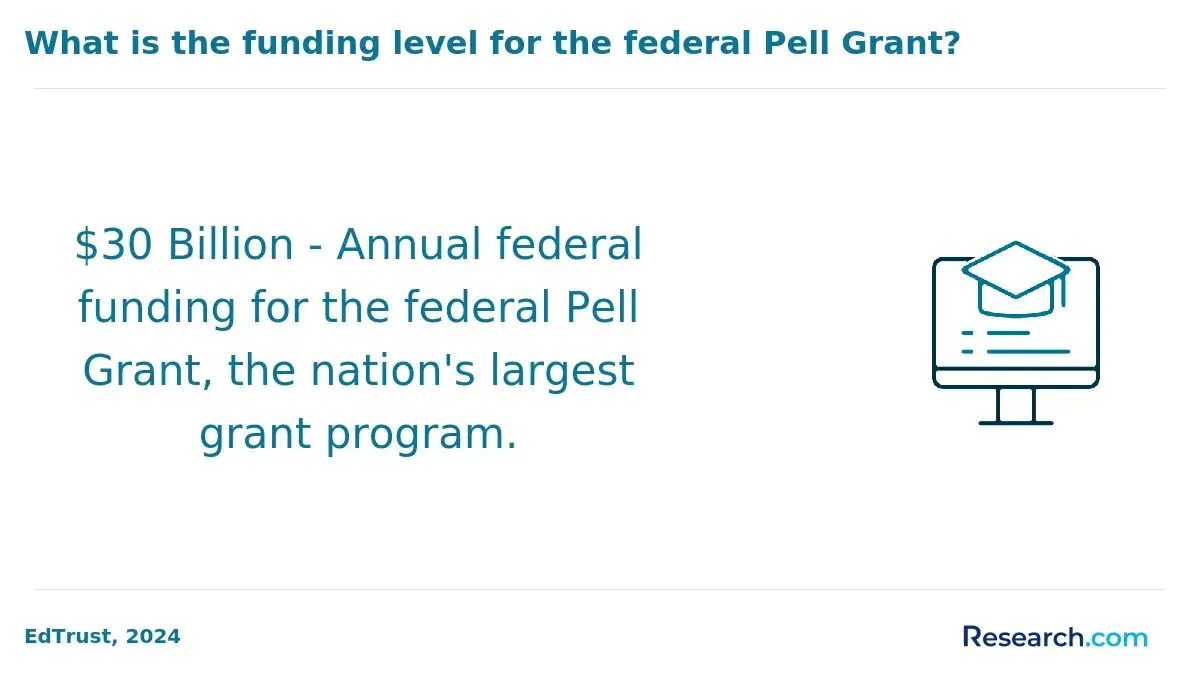
Financial aid availability can materially affect access but introduces tradeoffs. Federal Pell Grants and Direct Subsidized Loans depend on income and enrollment status, while institutional scholarships and employer tuition reimbursement often require specific professional contexts, such as law enforcement or IT roles. These aid types differ in timing, with loans expanding access at the cost of debt and scholarships demanding proactive application and competitiveness.
Students should also budget beyond tuition, accounting for technology fees and materials needed for digital labs, which may add significant costs. Asynchronous degree formats can help working adults balance study and employment but might limit eligibility for some aid categories.
Program selection demands a clear view of total expenses, financial assistance nuances, and realistic salary trajectories. Data shows that enrolling in forensic science graduate programs under $15,000 annually often correlates with substantial salary increases within three years, though this depends on institutional reputation and specialization.
- Federal Pell Grants and Direct Subsidized Loans are primary aid options informed by financial need and enrollment
- Institutional scholarships focus on high-achieving or experienced professionals returning for specialized skills
- Employer tuition reimbursement is common for those currently in law enforcement or IT sectors
What admission requirements do online forensic science degree programs typically have?
Admission to online forensic science degree programs demands more than a high school diploma, with widely varying requirements that directly influence who can realistically enroll. While some programs waive standardized tests like the ACT or SAT in favor of prior college credits or relevant experience, many still insist on official transcripts evidencing competence in biology, chemistry, and mathematics. This prerequisite alignment is crucial, as the scientific rigor of the curriculum leaves little room for gaps in foundational knowledge.
Applicants without a science background often face extended timelines due to mandatory prerequisite courses, a significant consideration for those pivoting careers. Individuals holding associate degrees or certifications in criminal justice or lab technology may sidestep some barriers through credit transfers. Additionally, comprehensive background checks are standard, reflecting the trust and ethical scrutiny integral to forensic work, which can complicate admission for candidates with legal histories.
Financially, the breadth of program costs-from about $25,500 to more than $117,000-requires prospective students to weigh these investments against median forensic technician salaries near $60,000. This cost-to-salary disparity underscores the importance of selecting programs that balance affordability with credible outcomes. In practice, a student planning a mid-career transition should realistically anticipate supplemental science prerequisites and rigorous vetting processes that extend beyond application paperwork.
- High school diploma or GED baseline; test waivers possible with strong college/work experience
- Prerequisite courses in biology/chemistry often required, impacting career changers
- Background checks standard, influencing eligibility
- Total program costs vary widely, requiring salary-to-cost analysis
What core courses and specializations are included in most online forensic science curricula?
Online forensic science programs prioritize foundational coursework aligned with employer expectations in evidence handling and investigative methodology. Core subjects such as forensic biology, chemistry, and crime scene investigation prepare students to accurately analyze biological samples and chemical residues while maintaining strict chain-of-custody protocols-an operational requirement across federal agencies and private consultancies.
Specialization choices reflect distinct workforce demands and require strategic consideration. For example, digital forensics candidates focus on cybercrime and network security, skills in high demand due to rising cyber threats encountered by law enforcement and corporations. Alternatively, forensic anthropology specialization supports roles involving human identification and trauma analysis, often interfacing with medical examiners.
Practical accessibility remains a significant hurdle; students frequently face limited remote access to necessary forensic labs and software, with some programs mitigating this via partnerships or internships that provide essential hands-on experience. This experiential learning directly influences graduate employability in roles demanding practical proficiency beyond theoretical knowledge.
Cost considerations are non-trivial: typical per-credit tuition ranges from $290 to $510, accumulating to $35,000-$68,000 for a bachelor's degree. Given this investment, prospective students must weigh specialization relevance and sector-specific salary potential to maximize return on investment.
- Core areas include forensic toxicology, criminalistics, and forensic psychology.
- Specializations vary from digital forensics to forensic accounting.
- Access to practical resources is a decisive factor in program quality.
What forensic science careers can graduates pursue, and in which work settings?
Graduates holding online forensic science degrees face a professional landscape shaped by technical specialization and varying workplace contexts. Forensic science technicians primarily operate within state and local crime laboratories, applying meticulous analysis techniques to physical evidence such as blood, fibers, and gunshot residues. This setting demands precise adherence to protocols and mastery of laboratory instrumentation.
Latent print examiners illustrate a hybrid role, dividing their time between crime scenes and forensic labs to collect and analyze fingerprint evidence, thereby merging fieldwork with controlled analytical processes. Forensic toxicologists typically collaborate with medical examiners and public health offices, interpreting chemical data from bodily fluids to ascertain causes of death or toxic substance presence, a role that requires both scientific rigor and clear communication with law enforcement and legal professionals.
Federal positions, including those at the FBI or DEA, increase the complexity of cases and necessitate higher security clearances and specialized skills, focusing on areas like cybercrime and drug enforcement. The 13% projected employment growth from 2024 to 2034, according to AffordableCollegesOnline citing Bureau of Labor Statistics, indicates expanding opportunities, particularly in public sector labs. Yet, competition is fierce; candidates with strong laboratory experience, certifications, and facility with emerging forensic technologies enhance their hiring prospects.
Key implications for prospective students include the necessity of rigorous entry-level testing and continuous upskilling to remain relevant amid evolving forensic methodologies.
What are typical forensic science salaries and how do they vary by role and location?
Forensic science salaries are highly variable depending on role, geography, and experience, requiring prospective professionals to weigh educational investments against tangible career outcomes. Entry-level positions attainable with an associate degree generally fall below median technician salaries and often limit candidates to foundational tasks with less technical complexity. For example, crime scene investigators may start with $40,000-$55,000 annually, reflecting quicker workforce entry but capped early earning potential without further education or certifications.
More specialized laboratory roles typically demand a bachelor's degree and offer salary ranges between $60,000 and $80,000 as skills deepen, though this progression depends heavily on ongoing credentialing and applied expertise. Experienced forensic examiners and managers, often in larger metropolitan areas, can surpass six-figure incomes. This salary stratification underscores a key tradeoff: initial accessibility versus long-term earnings.
Geographic location also significantly impacts compensation. States such as California, Texas, and New York, with better resourced law enforcement agencies, offer higher pay but require commensurate qualifications beyond an associate degree. In contrast, rural areas feature constrained salary growth and fewer advancement opportunities.
- Starting forensic technicians with limited education typically see salaries below the national median.
- Advancement to specialized or managerial roles necessitates persistent skill development and certifications.
- Location influences salary potential, with urban centers rewarding advanced qualifications more generously.
Those pursuing forensic science careers should consider early roles as stepping stones rather than destinations, balancing realistic short-term compensation against the effort and cost needed to reach upper salary percentiles as stated from the 2024 BLS data accessed in 2025.
Are there licensing, certification, or background requirements for forensic science professionals?
Licensing and certification requirements in forensic science vary significantly, influenced by specialization, employer, and jurisdiction, with no standard federal license requirement. Most forensic scientists in traditional crime labs need only pass extensive background checks rather than hold formal state licenses. These checks typically involve fingerprinting, criminal history, and sometimes polygraph tests given the sensitive nature of evidence handling. Forensic professionals aiming to work in federal agencies face further security clearances, adding complexity and time to the hiring process.
In contrast, cyber forensics roles increasingly require recognized certifications such as the Certified Computer Examiner (CCE) or GIAC credentials, which signal relevant technical expertise in a volatile field. Candidates holding digital-forensics-focused degrees who obtain these certifications often access roles with median salaries exceeding $110,000, based on OnlineU's 2024 data for MS and bachelor's degree holders.
Certification investment decisions must align with employer expectations, as credential preferences vary widely-for instance, medical examiners' offices prioritize forensic pathology licensure, while corporate cyber units emphasize cyber-investigation certifications. Selecting irrelevant licenses wastes time and resources.
Employers consistently value hands-on case experience combined with credentials over standalone degrees, making internships and practical training critical for navigating regulatory ambiguities and improving employment prospects.
Other Things You Should Know About Forensic Science
Online forensic science degrees tend to focus narrowly on laboratory and analytical skills rather than the broader criminal justice system. If your goal is multidisciplinary work including investigation or legal consultation, choose programs that integrate courses in law enforcement procedures, criminology, or legal studies. Otherwise, you risk earning a degree less aligned with versatile roles that fulfill emerging industry demands.
Yes. Programmatic accreditation from the Forensic Science Education Programs Accreditation Commission is the main quality marker, and laboratory coursework must include supervised analysis, documentation, and chain-of-custody practice. Many employers also prefer programs with internships or capstone projects that verify hands-on competency.
For working professionals, balancing job responsibilities with a forensic science program requires realistic planning around program intensity and deadlines. Accelerated courses or those demanding frequent lab submissions may conflict with full-time work schedules. Prioritize structured programs offering asynchronous learning and flexible lab completion options to avoid burnout and ensure steady progress toward credential completion.
References
- TJB | FSC | Licensing https://www.txcourts.gov/fsc/licensing/
- How Much Does A Forensic Scientist Make? A Salary Overview https://www.salemu.edu/blog/how-much-does-forensic-scientist-make/
- 2025 Most Popular Online Forensic Science Degrees https://www.onlineu.com/degrees/forensic-science
- Study Forensic Science Abroad: Top Colleges, Costs, Careers https://www.aeccglobal.com/study-abroad/courses/forensics
- A Student’s Guide to Forensic Science Careers, Jobs, Skills, and Salaries https://criminaljusticeschoolscentral.com/careers/forensic-science-careers-jobs-skills-salaries/
- Forensic Science Education Programs Accreditation Commission https://www.aafs.org/FEPAC
- Forensic Science Subjects List â Year-wise Syllabus https://lifs.co.in/blog/forensic-science-subjects-list.html
- Top Forensic Science Colleges & Universities https://www.forensicscolleges.com/
- Best Forensic Science Master's Degrees Online https://www.onlinemastersdegrees.org/best-programs/criminal-justice/forensic-science/
- Careers in forensic science https://www.justice-ni.gov.uk/articles/careers-forensic-science