2027 Best Online Forensic Science Degrees for Justice-System Science Careers

Co-Founder and Chief Data Scientist
Working professionals in forensic science frequently encounter the challenge of advancing their credentials without sacrificing current employment or personal obligations. With over 40% of graduate students enrolling in distance programs according to the National Center for Education Statistics, flexibility in admissions and online course delivery has become essential. This shift highlights a broader trend where mid-career learners require accessible, rigorous education that aligns with evolving forensic methodologies and employer expectations. Candidates must navigate program quality, hands-on training opportunities, and scheduling to ensure their qualification translates into meaningful justice-system roles. This article identifies top online forensic science degrees crafted to meet these practical career imperatives efficiently and effectively.
Key Things You Should Know
- Nearly 56% of forensic science technicians entering the workforce in 2024 have bachelor's degrees; however, programs lacking accredited lab practicums risk graduates facing delayed credentialing, extending time-to-employment by 6-12 months according to the National Forensic Science Technology Center.
- Employers report 48% of entry-level forensic roles now require demonstrable hands-on digital evidence skills, pushing candidates from schools without integrated cyberforensics tracks toward lower hiring priority, a workforce survey from the American Society of Crime Laboratory Directors confirms.
- Average program costs for online forensic science degrees vary by 45% nationwide, with public institutions averaging $16,200 total tuition-affecting return on investment timing for mid-career students by up to 18 months relative to private tuition benchmarks.
What are online forensic science degrees?
Online forensic science degree programs in the United States must be evaluated not just for curricular content but for their operational alignment with employer and certification requirements. While these programs deliver foundational expertise remotely, significant variability exists in practical training elements such as virtual labs and internships. This divergence matters because many forensic employers, as well as certifying bodies, prioritize candidates with demonstrable hands-on experience, including supervised fieldwork and access to contemporary instruments like DNA sequencers and gas chromatographs.
Professionals balancing employment or personal commitments may find accredited online forensic science degrees for criminal justice careers attractive, yet they should scrutinize state-specific mandates that can include mandatory in-person components. Failure to meet these requirements can restrict eligibility for certain forensic roles, especially in specialized crime labs.
Employers increasingly seek graduates conversant with updated forensic methodologies and capable of using forensic databases or participating in mock casework simulations-features not universally offered online. The projected 13% growth in forensic science technician roles from 2024 to 2034 intensifies competition, making alignment with employer expectations and program accreditation critical for long-term career sustainability.
Prospective students should weigh practical experience opportunities and ensure programs integrate applied forensic practices alongside theory. This practical lens is even more essential for those considering specialized areas or career pivots, including transitions into forensic psychology, for which one can explore online forensic psychology masters options.
Which accrediting agencies matter for forensic science programs?
Regional accreditation for forensic science degrees establishes baseline institutional quality, but specialized forensic science program accreditation agencies, like the Forensic Science Education Programs Accreditation Commission (FEPAC), dictate career viability in forensic labs and certification boards. Employers in government and crime labs often demand candidates from FEPAC-accredited programs to ensure graduates meet rigorous curriculum and practical lab standards. Without this specialized accreditation, graduates may encounter hiring roadblocks or be ineligible for certifications such as those from the American Board of Criminalistics.
The distinction between regional and FEPAC accreditation creates a practical divide: private forensic consulting roles or less regulated law enforcement positions may accept regional accreditation alone, but candidates targeting federal forensic careers must verify both accreditations to avoid limiting employment and credential opportunities. For example, while large online institutions like Arizona State University Online serve thousands of students, forensic science program accreditation beyond general university credentials must be confirmed before enrollment.
Accreditation also influences access to internships and research funding critical for applied experience and job placement. Candidates selecting programs without appropriate accreditation risk investing time and money in degrees that fail to meet forensic science industry standards. Students weighing options should also assess affordability and format flexibility, for which resources like masters in data science online studies can offer comparative insights into cost-effective pathways.
How do online and campus forensic science degrees compare?
The practical gap between an online forensic science degree vs campus degree benefits is pronounced in how employers value hands-on experience. Campus programs provide essential, supervised access to advanced lab equipment and crime scene simulations, which are difficult to replicate at scale online. For example, a crime lab technician role demands verifiable proficiency with forensic instruments-something rarely validated through virtual labs alone.
Online programs, often aimed at working professionals who require schedule flexibility, emphasize theory and analytical skills suited for forensic consulting or legal analysis, where physical lab work is limited. Despite this, students should scrutinize licensure or certification requirements, as many forensic fields mandate documented practical hours unattainable without in-person components.
Market availability shows cautious growth, with Educations.com listing 27 online forensic science degree options in 2025. Those evaluating differences between online and traditional forensic science programs should weigh tradeoffs such as employer perception, hands-on learning, and career trajectory.
Hybrid models blending online coursework with scheduled campus residencies offer a compromise, improving skill acquisition and employer acceptance. Decision factors include current job commitments, access to forensic internship sites, and targeted job roles. Those seeking immersive, employer-aligned training find traditional formats more direct, while others might explore flexible routes.
For those also considering allied fields, a nutritionist degree online exemplifies a similarly practical balance between remote study and career alignment.
What courses are in a forensic science curriculum?
Degree programs in forensic science require a minimum of roughly 120 credit hours, with curriculum components designed explicitly to meet workforce demands and evidentiary standards. For instance, ASU Online's forensic science degree curriculum clarifies the scope needed for proficiency in this discipline. Practical skills such as crime scene investigation emphasize contamination-avoidance techniques critical for maintaining legal admissibility, while forensic chemistry and biology courses provide detailed training in substance analysis and DNA profiling-both integral to casework and judicial processes.
Students studying typical curriculum for forensic science programs also confront coursework in forensic toxicology, microscopy, and trace evidence analysis, bridging technical expertise with scenarios often encountered in violent crime investigations and medical examiner support. Quantitative methods and statistics are embedded to sharpen students' ability to evaluate and present data with credibility under legal scrutiny.
Balancing intensive lab work alongside theoretical instruction aligns with employer expectations that graduates demonstrate hands-on proficiency with forensic tools and protocols. This balance often limits scheduling flexibility and intensifies the time and financial commitment, a critical consideration especially for working professionals.
Adding digital forensics expands career versatility, reflecting the rise in cybercrime cases handled across public and private sectors. Ethical and legal instruction completes the curriculum by underlining the responsibility and integrity required in forensic testimony.
Analyzing forensic science degree courses in the United States through this lens highlights tradeoffs between specialization depth and program accessibility, informing strategic decisions for those seeking lasting workforce impact. Professionals simultaneously evaluating other options might compare these demands to those of a computer science online degree, known for broader flexibility yet differing technical focus.
What admission requirements do forensic science programs usually require?
Admission into forensic science programs requires strategic alignment between a candidate's academic background and the specific demands of forensic practice, which often extends beyond basic credentialing. Most undergraduate programs mandate a high school diploma or GED and expect demonstrated competency in biology, chemistry, and math through transcripts or standardized testing. Graduate programs add complexity by requiring related bachelor's degrees and sometimes relevant professional experience, emphasizing the need for prior laboratory or criminal justice exposure.
For professionals seeking to pivot careers, such as a laboratory scientist moving into forensic work, reconciling existing credentials with forensic-specific requirements is critical to avoid unnecessary repetition or skill gaps. Online forensic science degrees introduce further layers of verification-proctored exams and secure identity checks-to satisfy accreditation demands and employer expectations.
Admission committees weigh analytical skills and practical lab experience heavily. Candidates should assess if programs provide hands-on components or partnerships with local agencies to gain real-world exposure, especially those targeting law enforcement or forensic lab entry.
Key professional considerations include:
- Completion of prerequisite natural science coursework with GPA thresholds typically between 2.5 and 3.0.
- Adherence to varying state licensing or credentialing criteria, which significantly influence employability and credential maintenance.
- Potential credit waivers for prior learning or certifications to shorten time-to-degree without compromising rigor.
Failure to meet these nuanced admission or compliance conditions can delay certification even after degree completion, underscoring the importance of deliberate program selection and verification of state-specific requirements, as detailed in resources like Forensicscienceonline.org.
How long does an online forensic science degree take?
Completing an online forensic science degree involves strategic consideration of program length, credential level, and career objectives, since workforce requirements differ sharply between roles.
Associate degrees typically span two years and suit candidates targeting technical support or crime scene assistant positions where foundational skills suffice. In contrast, a four-year bachelor's degree remains the standard for forensic analysts in government or law enforcement labs, ensuring both compliance with hiring norms and preparation for certification exams like those from the American Board of Criminalistics. Accelerated bachelor's tracks or credit for prior experience may shorten this to about three years but require balancing intensity and schedule flexibility.
Part-time study extends completion beyond four years, which while accommodating working professionals, risks prolonged time-to-employment and diluted engagement with practical lab components.
Key tradeoffs prospective students must evaluate include:
- Program accreditation and curriculum depth, especially lab simulations and internships affecting job readiness
- Potential delays from prerequisite courses and background checks impacting timeline predictability
- Employer expectations favoring bachelor-level education due to technical complexity and certification prerequisites
For those targeting immediate entry-level lab work, associate degrees offer pragmatic pathways without sacrificing employability. However, aspiring forensic analysts should prioritize comprehensive undergraduate programs to meet credential standards and field demands.
How much do online forensic science degrees cost?
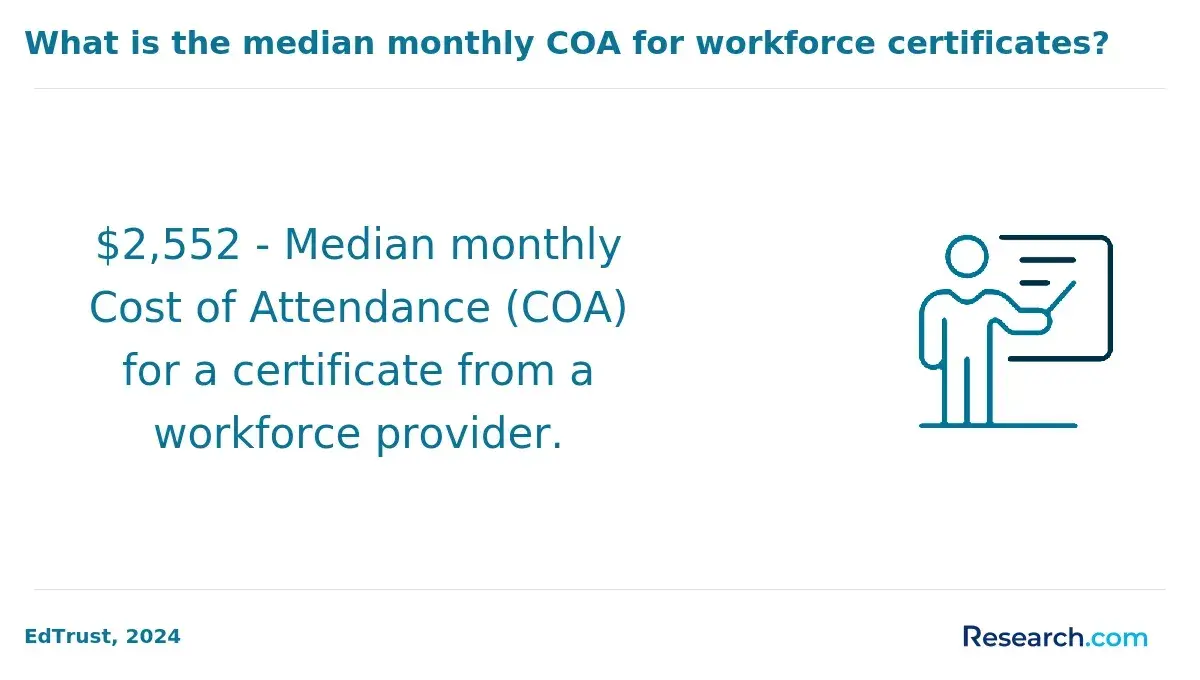
Investing in forensic science education requires pragmatic cost-benefit analysis, especially when weighing bachelor's against master's degrees. Tuition for bachelor's programs typically ranges from $20,000 to $60,000, with private institutions often charging premiums above $40,000, while master's degrees span $25,000 to $80,000, reflecting the specialized nature of advanced coursework and faculty expertise. For working professionals pursuing fully online master's options, costs usually fall between $30,000 and $60,000, balancing flexibility with credential value.
Prospective students aiming for supervisory or niche forensic roles must consider that the additional $10,000 to $20,000 investment for a master's often correlates with increased leadership opportunities and salary growth. However, this premium only pays off when the degree aligns with employer expectations.
Additional expenses beyond tuition, such as lab fees, software licenses for forensic tools, and potentially costly on-site practicums, add several thousand dollars, which financial aid typically does not fully cover. Transparent budgeting needs to account for these to avoid unexpected financial burdens.
Decision-making should also factor in program structure: accelerated cohorts may justify higher tuition if they reduce time to employment, but because forensic science roles prioritize demonstrated applied skills, accelerated formats must be scrutinized for sufficient practical exposure.
- Public universities generally offer lower tuition, especially for in-state students, compared to private schools.
- Alignment with criminal justice or lab certifications enhances employability and avoids unnecessary expenditures.
- Financial aid often offsets tuition but rarely covers supplementary costs like software or practicum travel.
Which jobs can a forensic science degree lead to?
Pursuing a forensic science degree sets a foundation for technically demanding roles like forensic science technician and crime scene investigator, where precise laboratory work and strict evidence handling are prerequisites. The Bureau of Labor Statistics projects an 11% growth in technician roles through 2031, driven by increased forensic integration in law enforcement. Technicians must master complex equipment and legal protocols, with errors potentially undermining prosecutions.
Advancement often involves transitioning into detective positions, which combine investigative duties with forensic interpretation. Detectives in metropolitan police departments, for example, routinely apply DNA analysis results to validate suspect identities and establish timelines, which requires both scientific acumen and field experience. These roles typically offer salaries around $81,302 but demand a balance of analytical rigor and operational leadership under legal scrutiny.
Specialized forensic careers-such as forensic toxicologists, digital evidence analysts, and forensic psychologists-require further certifications, state licenses, or advanced training. These roles demand navigating variable regulatory standards and securing internships or cooperative placements crucial for employability.
Compared to broader criminal justice careers, forensic science paths emphasize STEM competencies, meticulous documentation, and resilience to emotionally taxing material. Students should weigh educational depth against practical field experience to navigate the complexities of workforce expectations effectively, ensuring readiness for investigative, laboratory, and legal-support positions within criminal justice systems.
- Technical proficiency with lab equipment and evidence protocols is essential for forensic science technicians.
- Detectives apply forensic analyses in real-world investigations, integrating scientific and operational expertise.
- Specialized forensic roles require additional certifications and practical field experience beyond the degree.
What salaries do forensic science graduates earn?
Starting salaries for forensic science graduates vary significantly based on employer type, location, and specialization, often placing entry-level technicians near $60,000 yearly. Federal positions, such as those at the FBI or DEA, generally offer starting pay closer to $70,000, reflecting institutional pay scales and geographic cost differences. By contrast, smaller crime labs or medical examiner offices may offer lower ranges around $50,000 to $60,000 with slower salary growth tied to budget limits.
Private sector roles in forensic toxicology or digital forensics can exceed $85,000 but typically demand additional certifications or experience beyond a bachelor's degree. Without advanced credentials such as certification by the American Board of Criminalistics, salary progression often plateaus, making early career decisions about further certification critical for long-term earning potential.
The regional wage disparity is notable; states like California and New York compensate forensic scientists roughly 10-20% higher than rural areas, reflecting competitive labor markets. Evaluating compensation requires considering not only base salary but also benefits, union representation, and overtime potential, since these factors heavily influence overall job satisfaction and financial stability.
Graduates weighing online forensic science degrees should align program duration and credential expectations with realistic entry-level salaries and career trajectories, balancing investment against market demand and advancement opportunities.
What certifications or licenses may forensic science careers require?
Certification and licensure are decisive factors shaping advancement and mobility within forensic science careers. For example, many crime lab positions and federal agency roles mandate the American Board of Criminalistics (ABC) certification or equivalent accreditation like that from the National Commission on Forensic Science (NCFS). Without these credentials, forensic analysts face substantial barriers shifting from state to federal employment, even if they hold advanced degrees.
State licensure diverges sharply by specialty: forensic pathologists require medical and board certification, while crime scene investigators rely heavily on certifications such as those from the International Association for Identification (IAI). Forensic psychologists must combine clinical licenses with forensic psychology certification to function in legal contexts. These layered requirements reflect practical hiring criteria emphasizing proven competence over formal education alone.
Preparation time and cost for certification often extend six to twelve months or longer, making early planning critical. Online programs ranked by U.S. News increasingly align curricula with credentialing exams, reducing friction for students targeting specific forensic subfields. However, candidates must weigh exam rigor and real-world experience demands, as overlooking credentials limits job prospects and earning potential.
Key considerations for prospective students include:
- Aligning certification choices with jurisdiction and employer expectations
- Factoring in time and financial investment for exam preparation
- Understanding specialization-specific licensure variations
Effective credential strategy is essential for forensic science professionals navigating an increasingly credential-driven labor market where degrees provide only a baseline validation of skill.
Other Things You Should Know About Forensic Science
Specialization can significantly affect job prospects and career trajectory, especially in fields like DNA analysis, toxicology, or digital forensics. Students should prioritize programs offering focused tracks aligned with their target roles, as generalist degrees may limit eligibility for specialized employer openings. Employers often prefer candidates with proven expertise in high-demand areas over broad but shallow knowledge.
The program should hold regional institutional accreditation from a U.S. Department of Education-recognized agency, and the forensic science coursework should be tied to a college with strong laboratory standards. For public-sector jobs, employers also look for transcripts that show chemistry, biology, and criminal justice credits.
Programs lacking industry partnerships or advisory boards risk isolating students from current employer expectations and hiring pipelines. Graduates from such programs may struggle securing internships and full-time roles despite the degree. Prioritizing schools with established forensic lab collaborations, advisory councils, or employer engagement increases the likelihood of timely job placement and relevant skill development.
References
- How to Get Admission in Forensic Science After 12th (Complete Guide) https://lifs.co.in/blog/forensic-science-admission-after-12th-guide.html
- 2025 Most Popular Online Forensic Science Degrees https://www.onlineu.com/degrees/forensic-science
- Forensic Scientist Salary: State-by-State Median Guide https://www.allcriminaljusticeschools.com/forensics/salary/
- What job can I get with a degree in Medical, Molecular or Forensic Science? https://www.murdoch.edu.au/news/blogs/blog-posts/campus-and-community/what-job-can-i-get-with-a-degree-in-medical-molecular-or-forensic-science
- Guide To Forensic Science Careers | LearnHowtoBecome.org https://www.learnhowtobecome.org/career-resource-center/forensic-science-careers/
- Top Online Forensic Science Degree Programs https://www.forensicscolleges.com/online
- Careers in Criminalistics https://www.aafs.org/careers-criminalistics
- Forensic Scientist https://www.ncchomelearning.co.uk/career-courses/forensic-science/
- Forensic Science - High School Courses | Oak Meadow https://www.oakmeadow.com/courses/forensic-science/
- Forensic Science Organizations https://www.dea.gov/what-we-do/forensic-sciences/forensic-science-organizations