2027 Best Long-Term Career Paths After a Forensic Science Degree

Co-Founder and Chief Data Scientist
Graduates with a forensic science degree often confront a stark bottleneck: the disconnect between specialized academic training and the diverse, evolving demands of the job market. With forensic programs increasingly offering online and flexible formats-an enrollment growth of 25% since 2024 according to the National Center for Education Statistics-students face a critical decision about the format and focus of their education that impacts employability and career longevity.
This shift reflects a broader tendency among adult learners toward programs emphasizing both accessibility and direct workforce application. This article examines the strongest long-term career paths available post-degree, guiding readers through options aligned with real-world outcomes and labor trends.
Key Things You Should Know
- Despite a 6% projected job growth by 2032 from the U.S. Bureau of Labor Statistics, forensic science careers face stiff competition, prompting candidates to weigh advanced certifications versus generalized degrees to differentiate amid limited entry-level openings.
- The shift toward digital forensics requires hybrid skill sets combining biology and computer science; employers report 48% of openings now demand cybersecurity experience, creating barriers for traditional forensic science graduates lacking cross-disciplinary training.
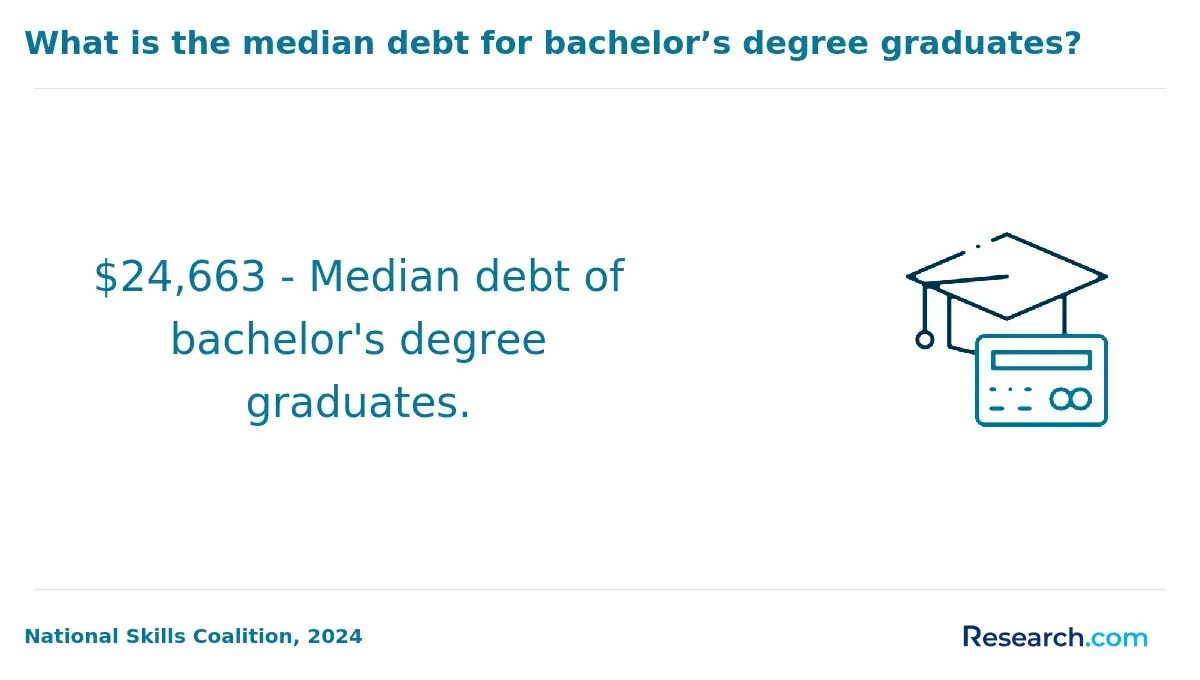
- Median bachelor's degree debt of $28,000 delays workforce entry by 2+ years, increasing opportunity costs for forensic science graduates; choosing accelerated or community college pathways may reduce financial strain but limits access to well-funded federal lab jobs.
What long-term careers can you pursue with a forensic science degree in the U.S.?
Graduates equipped with a forensic science degree in the U.S. face distinct employment realities shaped by technical rigor and sector-specific expectations. Positions such as forensic science technicians or laboratory scientists, essential to crime labs, earned a median annual wage of $70,810 with a projected growth of 13% through 2034-outpacing average job market expansion.
However, this high demand contrasts with regional saturation in entry-level roles, often compelling candidates to relocate or pursue advanced certifications for supervisory or specialized forensic roles. Long-term careers with a forensic science degree in the U.S. often extend beyond typical laboratory work. For example, digital forensic analysts, increasingly critical in cybersecurity, require complementary technical training to handle cybercrime investigations.
Similarly, forensic toxicologists collaborate closely with medical examiners but must secure added certifications or graduate education to qualify. Employers universally expect mastery of laboratory instrumentation, rigorous chain-of-custody procedures, and solid grounding in criminal law, placing a premium on continuous professional development such as certification from the American Board of Criminalistics.
Strategic career moves often involve assessing institutional criminal justice collaborations and the caliber of internship programs, which influence courtroom testimony readiness and expert witness opportunities. For professionals seeking a strategic pivot, exploring an online master's degree in forensic psychology can augment expertise for roles blending investigative science with behavioral analysis.
Navigating these pathways demands balancing practical skill acquisition, geographic flexibility, and credentialing to capture high-paying forensic science jobs in the United States.
Which forensic science roles offer the strongest salary growth and advancement potential?
Job prospects for forensic science career paths with highest salary growth concentrate on specialists like crime scene investigators and forensic analysts in digital forensics or forensic toxicology. These roles benefit from expanding demand reflected in Bureau of Labor Statistics projections, which estimate 6% growth in private detective and investigator positions between 2024 and 2034.
This growth fosters stronger negotiation leverage for salaries and quicker advancement opportunities, particularly within private sector forensic consulting versus traditional public agency CSI jobs. Advancement opportunities correlate directly with technical specialization and work environment. Forensic toxicologists employed by pharmaceutical companies or government labs often start with salaries 20-30% above those of entry-level crime lab technicians, illustrating how selected niches offer premium compensation.
Digital forensics professionals addressing cybercrime in law enforcement or corporate security command accelerated career trajectories due to a critical shortage in these skill sets. Pragmatic career growth in top forensic science jobs with advancement opportunities requires ongoing certification or advanced degrees, such as in forensic chemistry or digital forensics. Positions like forensic consultant or expert witness also demand demonstrable casework experience and contributions to training or publications.
Employers increasingly prioritize candidates blending forensic science expertise with data analytics, legal knowledge, or cybersecurity for leadership roles. Prospective students and professionals must balance immediate salary benefits against long-term growth shaped by geographic, institutional, and sector-specific factors. Exploring broader opportunities through additional credentials or interdisciplinary skills remains essential for sustainable advancement.
Those evaluating forensic science degrees may also consider careers intersecting with environmental science fields. For further exploration of related career options, see jobs for environmental science majors.
What is the job outlook for forensic science graduates across different career paths?
Job prospects for forensic science graduates differ markedly by specialization, with digital forensics and cybersecurity outpacing traditional forensic roles due to rapid employment growth and evolving threats. Between 2024 and 2034, information security analyst jobs-which align closely with digital forensics and cyber incident response-are expected to grow 29% nationally.
This segment of the market offers a distinct advantage for graduates, reflecting a significant demand for professionals skilled in cybercrime investigation amid proliferating digital risks. In contrast, employment growth and opportunities for forensic science degree holders in traditional crime lab positions, such as forensic biology or chemistry technicians, remain constrained by automation and limited public funding.
Employers increasingly demand that candidates integrate robust IT competencies with forensic knowledge, often requiring certifications like CISSP or CompTIA Security+ alongside a forensic science degree. Graduates seeking law enforcement or pathology support roles face competitive hiring environments where practical experience through internships or forensic labs heavily influences job prospects.
Navigating these paths involves weighing the steadiness of conventional forensic positions against the high-growth, technically intensive cyber forensic careers that require continual skill updates. Prospective students interested in intersecting fields may also evaluate relevant programs in computer science degrees online to supplement their expertise.
Federal agencies and large metropolitan task forces offer exposure to multi-disciplinary teams managing complex investigations. However, these positions often entail demanding schedules, unpredictability, and potential geographic mobility, factors that should shape candidates' career decisions. Aligning training with employer preferences and technological trends remains critical for preparing graduates to enter this diverse labor market with resilience.
What education, licensing, or certification is required for major forensic science careers?
A bachelor's degree in forensic science or a related discipline such as chemistry or biology remains the essential foundation for entry-level roles, particularly in laboratory settings. Approximately 16% of forensic science graduates secured roles as scientific laboratory technicians or analytical lab staff in 2024, a practical indication of persistent demand for candidates with substantial lab competencies.
However, holding a degree alone rarely suffices; many positions require licensing and certification for forensic science professionals, reflecting employer demands for validated expertise and ongoing skills maintenance. Specialized credentials significantly impact employability and courtroom credibility. For example, forensic toxicologists and analytical chemists often pursue board certification from recognized bodies like the American Board of Forensic Toxicology.
Forensic biologists and DNA analysts benefit from certifications such as those provided by the American Society of Crime Laboratory Directors (ASCLD). In jurisdictions where forensic examiners testify in court, state licensing imposes a critical compliance layer, creating a tradeoff between additional time and cost and enhanced professional authority.
Graduate education, including master's or PhD programs, typically becomes necessary to access advanced research roles or supervisory positions. Candidates focused on crime scene investigation or law enforcement-oriented forensic careers improve their marketability through a blend of forensic science degree educational requirements and state-specific certifications, for example, from the International Association for Identification (IAI).
Students and professionals should weigh options such as pursuing graduate studies against immediate employment, considering real-world labor market trends and credential utility. Evaluating affordability by exploring a library degree or related academic pathways with lower costs can also be a strategic part of this decision-making process.
How do forensic science bachelor's, master's, and doctoral pathways differ in career impact?
Choosing between bachelor's, master's, and doctoral degrees in forensic science requires weighing distinct career trajectories against real-world employment challenges and sector demands. A bachelor's degree typically funnels graduates into technicians, crime lab analysts, or entry-level fraud examiners-roles that emphasize practical skills but face a saturated job market requiring additional certifications or internships for competitive advantage.
By contrast, a master's degree targets professionals aiming for supervisory or specialized positions, notably in forensic accounting and fraud examination. Given global occupational fraud losses estimated at $4.7 trillion annually with median revenue impact around 5%, advanced analytical and managerial expertise becomes critical for mid-to-senior roles that influence organizational risk mitigation and complex investigations.
Doctoral study prioritizes research innovation and policy leadership, often leading to academic or federal appointments rather than direct operational roles. Though investment-heavy and time-consuming, a PhD maximizes long-term strategic influence within forensic science frameworks and large-scale fraud analytics but may delay immediate employability gains outside research spheres.
Effective career planning in forensic science depends on aligning educational depth with practical experience and market realities. Employers consistently value candidates who combine academic credentials with sector-specific skills and hands-on experience, reinforcing the need for internships and certifications at every level.
What forensic science specializations lead to the best long-term career opportunities?
Forensic psychology offers the most sustained career growth prospects for graduates with a forensic science degree, driven by a global market expected to reach around $11.7 billion by 2031 with steady annual growth near 6-7%. This trajectory is shaped by increasing reliance on psychological profiling, criminal behavior evaluation, and expert testimony within legal contexts. However, entering this field typically requires graduate education and professional licensure.
Other promising specializations include digital forensics and DNA analysis. Cybercrime investigations necessitate advanced technical skills and constant updating of software proficiency, meaning professionals must commit to continuous learning to remain competitive. Unlike digital roles, traditional forensics such as toxicology and crime scene investigation face regional saturation, pushing candidates towards niche skills-like forensic photography or deeper evidence analysis-to differentiate themselves.
Employers frequently seek candidates with clear specialization paired with additional certifications or security clearances when filling federal or state agency positions, reflecting a competitive environment beyond entry-level qualifications. Graduates should carefully evaluate practical tradeoffs: psychology tracks require ongoing credentialing; digital forensics demands swift adaptability to technological change; laboratory roles provide stable employment but may offer slower salary progression.
- Forensic psychology growth linked to legal system demand but requires advanced degrees and licensing.
- Digital forensics demands continuous tech skill upgrades aligned with evolving cyber threats.
- Traditional forensic roles benefit from added certifications and federal agency experience for advancement.
How do online forensic science programs compare to campus options for career outcomes?
The choice between online and campus-based forensic science programs hinges on more than convenience; hands-on training and access to professional networks critically shape employability and career trajectory. Forensic roles such as forensic pathologists or medicolegal death investigators demand practical skills-autopsy observation, crime scene simulations, and supervised casework-that employers prioritize, especially amid reported vacancy rates exceeding 20% in medical examiner offices.
Online forensic science students often face the challenge of independently securing internships or lab access to acquire essential applied competencies. Without institutional partnerships, this can delay entry into high-demand positions and prolong job searches. Hybrid programs that combine online coursework with required in-person labs can mitigate these gaps, offering a more direct pathway to board certification and recruitment.
Employers expect accredited certifications backed by verified experience, favoring candidates whose education includes embedded clinical exposure. In contrast, purely online graduates without robust practical components typically encounter slower integration into forensic careers and lower starting salaries. Professionals changing fields must weigh flexible online learning against the operational reality that physical immersion remains a decisive factor in forensic workforce readiness.
What should you look for in an accredited forensic science program to support your career?
Demand for forensic science professionals with expertise in compliance, risk management, and corporate investigations is rapidly growing, driven by more than $360 billion in global spending on regulatory compliance and risk management. Graduates who demonstrate proficiency in real-world investigative workflows such as digital evidence analysis and fraud detection are markedly more competitive during recruitment for corporate and regulatory roles.
Programs that offer hands-on experience with workflows aligned to industry standards and certification benchmarks improve employability by bridging academic theory with employer expectations. Partnerships with law enforcement or corporate compliance offices provide critical exposure to actual investigative scenarios, which reduce transition friction into workforce roles.
Emerging technologies and large-scale data analytics capabilities now shape job requirements fundamentally. Candidates must navigate regulatory frameworks alongside cybersecurity, legal processes, and statistical methods. A forensic science curriculum integrating these interdisciplinary components equips learners for roles beyond conventional crime labs.
Graduate employment rates in corporate and compliance investigations offer tangible indicators of program relevance. Selecting a program with a clear connection to these sectors can minimize costly retraining and skill gaps in fast-evolving markets. Continuous professional development resources further support adaptability amid ongoing regulatory and technological shifts.
- Emphasize programs that embed practical, compliance-driven training aligned with current market demands
- Prioritize curricula including internships or collaborations with investigative entities for pragmatic experience
- Examine employment outcomes specifically tied to corporate forensic science and internal investigations
What typical coursework and lab experiences prepare students for long-term forensic careers?
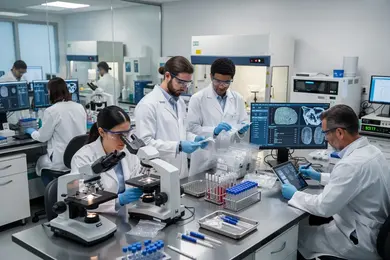
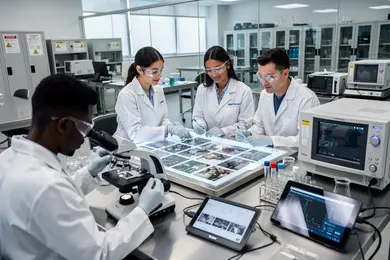
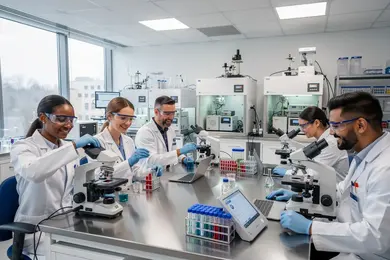
Courses and labs in forensic science must prioritize real-world skill development to align education with employer expectations. Basic sciences like biology, chemistry, and physics form the technical foundation, but specialized training in forensic toxicology, DNA analysis, and crime scene work enables effective application of these sciences under constrained, high-stakes conditions.
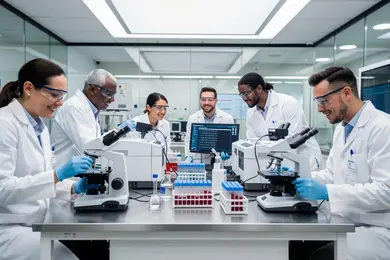
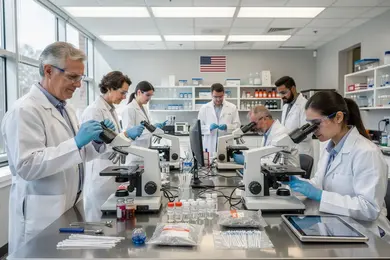
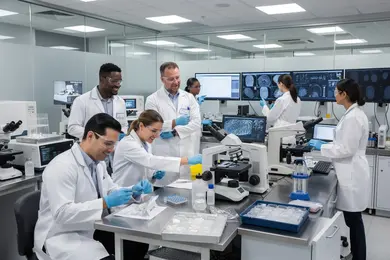
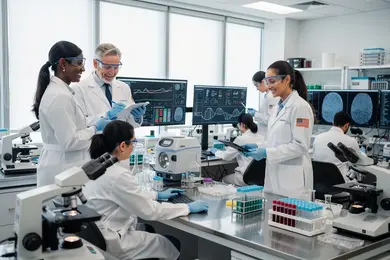
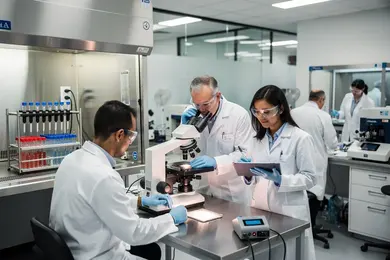
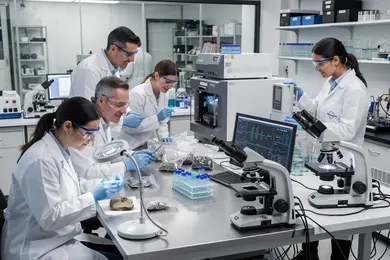
Hands-on laboratory experience simulates the forensic workflow, emphasizing strict adherence to chain-of-custody protocols and accuracy under pressure. For instance, toxicology students trained in sample preparation and instrument calibration reduce onboarding time for employers, a practical advantage notable in forensic labs.
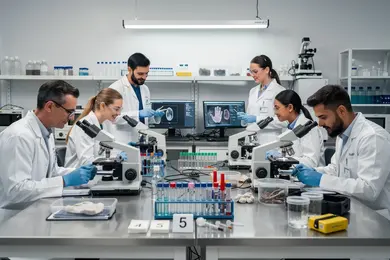
Programs integrating case-based learning or internships with law enforcement provide essential exposure to interdisciplinary communication and operational challenges often missing in purely academic settings. Induatry data show about 20% of graduates pursue advanced degrees, underscoring that research-oriented roles require additional coursework in analytical chemistry methods, statistical analysis, and extended laboratory research.
Job seekers targeting laboratory technician or crime scene analyst positions should select curricula focused on practical lab skills and forensic law, while students aspiring to research careers must emphasize experimental design and report writing.
- Strong foundational sciences combined with forensic specialization enhance technical proficiency.
- Practical labs teach accuracy, documentation, and handling real-world forensic equipment.
- Internships bridge academic knowledge with operational realities and workforce communication.
- Graduate study is often necessary for research and academic forensic science careers.
How can forensic science graduates build experience and networks to advance their careers?
Success in forensic science increasingly depends on building specialized skills through hands-on roles in both private and public sectors rather than relying solely on academic credentials. A substantial volume of forensic casework in the country is outsourced to private firms. U.S. students can learn from that by seeking contract-based consulting, internships, and short-term positions to diversify their practical expertise and professional visibility.
For instance, early involvement with private forensic companies enables mastery in evidence interpretation and courtroom testimony, competencies that government and corporate employers prioritize. Focused skill development in critical areas such as DNA analysis, digital forensics, or toxicology aligns graduates with employer demand and enhances hiring prospects.
Maintaining compliance with chain-of-custody protocols and clear communication during legal proceedings are non-negotiable competencies that employers expect. Graduates who balance private consulting roles alongside government internships or lab technician positions reduce employment gaps and broaden their experiential foundation.
Strategic networking via forensic professional associations and participation in research tied to accreditation or forensic standards significantly strengthens professional credibility. Documenting case involvement or contributing to forensic reports provides tangible validation of applied skills, essential for establishing a foothold as an expert witness or independent consultant.
The multifaceted nature of the field requires continuous training and collaboration with legal and scientific professionals to remain competitive. Navigating this complexity with pragmatic experience and targeted skill acquisition ultimately dictates career trajectory more than formal degrees alone.
Other Things You Should Know About Forensic Science
The American Board of Criminalistics offers the Comprehensive Criminalistics Certification, which is useful for laboratory leadership. Candidates typically need a bachelor’s degree, documented casework experience, and must pass a computer-based exam covering forensic biology, chemistry, and quality assurance standards.
Specialization shapes employability more than a generalist degree because forensic science covers diverse fields with varying demand and advancement paths. Candidates focused on digital forensics or toxicology typically see steadier job availability and better funding compared to broader disciplines. Pursue a specialization aligned with industry growth trends and secure certifications to enhance long-term stability.
Forensic science roles often involve high-pressure environments with strict deadlines, meticulous attention to detail, and repeated exposure to challenging evidence. Workload intensifies in public agencies with staffing shortages and case backlogs. Prospective students must evaluate programs that prepare candidates to handle workload management and emotional resilience, as these are critical for sustained career success.
Public sector jobs offer more stability and clear career ladders but usually pay less and have slower advancement compared to private sector roles. Private sector opportunities may offer higher salaries and quicker promotions but demand broader skill sets and adaptability to diverse client needs. Graduates should assess their risk tolerance and career priorities before targeting either path, balancing job security against earning potential.
References
- How to Become a Forensic Science Technician | University of Bridgeport https://www.bridgeport.edu/news/how-to-become-a-forensic-science-technician/
- Top 12 Highest Paying Forensic Jobs [2026] https://internshala.com/blog/highest-paying-forensic-jobs/
- How To Become a Forensic Scientist: Requirements & Steps https://www.forensicscolleges.com/blog/htb/how-to-become-forensic-scientist
- Career Paths Available in Different Forensic Specializations https://lifs.co.in/blog/career-paths-in-forensic-science-specializations.html
- Different Forensic Science Degrees | Diverse Career Paths They Support https://www.thestudentpocketguide.com/2024/11/student-life/education-career/forensic-science-degrees/
- Blogs https://aifset.com/blogs/career-opportunity-after-enterance-exam.html
- Criminal Justice Jobs: 11 Careers You Can Pursue With a Criminal Justice Degree | PLNU https://www.pointloma.edu/resources/accelerated-undergraduate/criminal-justice-jobs-11-careers-you-can-pursue-criminal
- Tips for Students Pursuing Careers in Forensic Science https://forensicstats.org/blog/tips-for-students-pursuing-careers-in-forensic-science