2027 Forensic Science Career Paths With the Best Work-Life Balance

Co-Founder and Chief Data Scientist
Balancing demanding forensic science duties with personal life increasingly challenges many professionals, especially as rising case complexity and mandatory overtime intensify burnout risks. A 2024 U.S. Department of Education report notes a 22% surge in working adults enrolling in flexible, online forensic science programs, signaling growing demand for career paths accommodating nontraditional schedules.
This trend exposes a critical tension: pursuing skill advancement without sacrificing work-life stability. The need to identify roles and training routes that align practical workload, employer expectations, and personal limits has grown urgent. This article outlines forensic science career paths offering the best work-life balance to guide realistic, strategic career decisions.
Key Things You Should Know
- Forensic science roles with stable work-life balance often require specialized certifications beyond a bachelor's degree, with the National Institute of Justice reporting a 17% hiring preference for certified analysts, emphasizing upfront investment in credentials versus immediate employment.
- Employers in federal and state labs prioritize candidates with experience in digital forensics or toxicology, creating a workforce bottleneck that shifts longer-term career flexibility toward niche specializations, per 2024 Department of Justice workforce surveys.
- Entry-level forensic science jobs in public sectors average 40-45 weekly hours; gaining state government positions often involves multi-year waiting periods, impacting timing and financial planning for strategic career pivots, according to Bureau of Labor Statistics 2024 data.
What forensic science career paths offer the best work-life balance today?
Among forensic science career paths with work-life balance, forensic science technician roles stand out due to predictable schedules and structured hours. Unlike forensic pathologists or crime scene investigators, technicians rarely face irregular shifts or emergency callouts. This stability aligns with employers' growing focus on reducing burnout through consistent staffing in municipal or state labs.
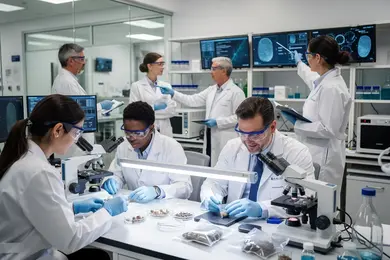
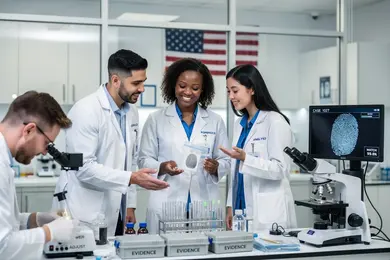
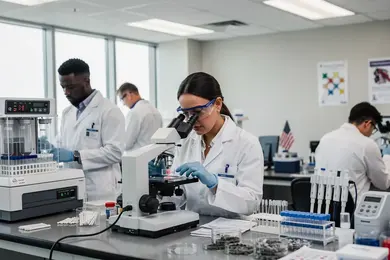
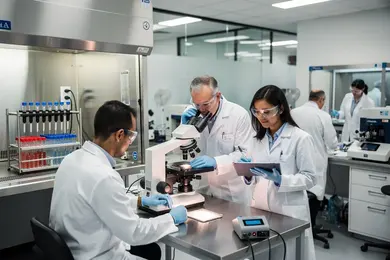
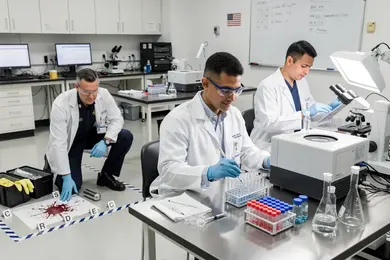
Forensic science technicians typically work standard business hours processing evidence in controlled lab environments, which supports a more manageable workload. In contrast, fieldwork roles or forensic pathologists often encounter overtime, weekend court appearances, or night shifts. For instance, a forensic toxicologist employed by a government agency may maintain regular 9-to-5 hours, whereas a medical examiner's schedule often includes nights and weekends.
Candidates weighing the best work-life balance jobs in forensic science should also consider income alongside schedule demands. The U.S. Bureau of Labor Statistics reported a median annual wage of $67,440 for forensic science technicians in May 2024, reflecting solid demand without extreme stress levels. Specialized subfields like digital forensics frequently offer flexible remote work, further enhancing work-life balance and educational pathways.
Those exploring educational routes can evaluate tradeoffs between income stability and personal time investment. For insights into complementary career options and detailed tradeoffs, review the pros of being a forensic psychologist as they intersect with forensic science technician trajectories.
Which forensic science roles have the most predictable schedules and lowest burnout risk?
Positions in digital forensics and information security stand out within forensic science careers with stable work hours, offering predictability and lower burnout risk compared to traditional forensic roles. Information security analysts, for instance, are projected to see a 29% employment growth from 2024 to 2034, reflecting substantial and steady market demand.
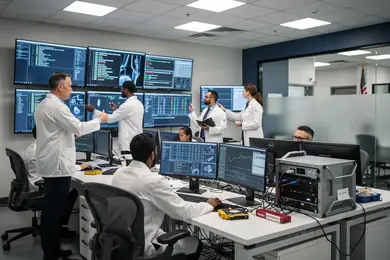
These roles typically operate within corporate or government IT departments, focusing on network security and incident response, which minimizes emergency calls and weekend disruptions common to crime scene investigation or forensic pathology. Digital forensics professionals generally work fixed office hours, including options for remote or hybrid schedules, especially in sectors like finance and healthcare.
This structured environment supports better work-life balance, a key consideration for low burnout risk forensic science job options. In contrast, roles requiring physical evidence collection or onsite presence often involve irregular hours and unpredictable stressors. Certification in areas such as cybersecurity, network forensics, and malware analysis is essential for navigating these positions.
Practical expertise in incident response frameworks can drastically reduce overtime caused by security breaches or malware outbreaks. Students weighing educational pathways should consider how these roles align with their personal tolerance for volatility versus the need for long-term stability. Those pursuing advanced data-centric roles might explore a data science PhD online as a strategic complement.
What degrees and training do you need for balanced forensic science careers?
Forensic science degrees and certifications for work-life balance require careful alignment with employer expectations and job realities. A bachelor's degree in forensic science, biology, chemistry, or biochemistry remains a baseline for hiring in crime labs, but practical laboratory experience is equally critical to reduce onboarding time. Candidates combining a degree with internships or volunteer roles within crime labs demonstrate readiness and immediate utility, which employers prioritize.
The tradeoffs involve choosing between broad degrees that open routes to supervisory roles but may demand extended hours and narrow technical certifications such as DNA analysis that typically offer steadier schedules but limit advancement. Local agencies often favor certifications with consistent work hours, while federal labs expect clearance training and longer shifts. These distinctions directly impact work-life balance.
Given roughly 2,900 annual openings for forensic science technicians in the U.S., programs emphasizing hands-on lab skills and digital forensics can mitigate on-call pressures caused by evidence handling or court testimony. For instance, digital forensics roles tend to have more predictable hours compared to wet-lab analysts needing immediate case responses.
Training programs for successful forensic science careers in the US must thus be chosen with clarity on long-term employment goals and lifestyle preferences. For students weighing educational pathways, exploring the best online computer science degree options can also enhance digital forensics competencies, offering a practical edge.
How do online forensic science programs compare to campus programs for career outcomes?
Employers in forensic science prioritize hands-on technical proficiency, typically gained through campus-based labs and internships, which directly influence career outcomes. While online forensic science programs with accredited curricula are closing this gap by incorporating remote labs, augmented reality modules, and mandated local internships, graduates still face challenges securing in-person fieldwork crucial for applied skills.
This gap is especially evident for competitive roles like forensic pathology, where the top 10% of forensic science technicians earned over $107,490 in 2024, according to University of California, Davis analysis of BLS data. For many, the balance between work and study makes online options attractive; however, successful candidates must actively arrange timely practical experience.
Campus students benefit from built-in networking with faculty and peers, which often translates into job referrals due to the field's reliance on professional reputation. Considering the differences in career outcomes comparison between online forensic science programs and campus options highlights the value of hybrid models offering clear, verified in-person components.
Decision-making hinges on access to regional forensic labs, financial and commuting resources for residencies, and employer preference within forensic subfields. Purely theoretical online programs risk delaying employment or limiting advancement without supplementary practical exposure.
Prospective students balancing career pivots should also weigh interdisciplinary options, such as exploring whether is a master's in library science worth it might complement or diversify future prospects in investigative fields. Ultimately, online forensic science programs career outcomes comparison must account for the operational tradeoffs between flexibility and authentic experiential learning, which remains a cornerstone for long-term professional growth.
What should you look for in an accredited forensic science program in the U.S.?
Accreditation by FEPAC is a practical baseline for forensic science programs, ensuring the curriculum aligns with employer demands rather than generic science content. Graduates lacking sufficient hands-on lab experience-especially in DNA analysis and crime scene processing-often struggle to meet law enforcement agency requirements, which prioritize immediate operational skills over theory. This gap frequently necessitates costly retraining or delays in job entry.
Employment outcomes are a critical metric: programs reporting over 70% graduate placement within a year typically demonstrate stronger connections to the forensic job market. Partnerships with local agencies or structured internships enhance networking opportunities that directly influence these rates. Conversely, programs heavy on general science but light on forensic specialization may limit graduates' market relevance.
For forensic psychologists, board certification markedly impacts income trajectories and job prospects, emphasizing the importance of selecting pathways that prepare candidates for certification exams and private practice integration. Transparency about graduates securing certified roles provides a tangible indicator of program effectiveness.
Program length and format matter significantly for working students. Intensive, shorter programs with robust career services can maximize return on investment, but must not reduce essential lab time. Hybrid or part-time formats serve those balancing external responsibilities, provided they maintain up-to-date instruction on emerging technologies and legal standards to prevent skill obsolescence.
What coursework and lab requirements prepare you for less stressful forensic roles?
Choosing forensic science coursework focused on analytical and data-driven disciplines like forensic accounting or digital forensics fundamentally shifts the professional experience. These pathways reduce exposure to the high-pressure environments typical of crime scene investigation by orienting students toward financial auditing, fraud detection, and investigative methodologies. A forensic accountant, for instance, applies analytical skills in corporate settings.
Practical labs supporting these less stressful roles emphasize computer simulations, forensic data software, and case study exercises rather than traditional wet labs or chemical techniques. This approach minimizes handling hazardous materials and the emotional strain linked to direct crime scene evidence, aligning better with candidates who seek manageable physical and psychological demands.
Employers look for credentials such as Certified Fraud Examiner (CFE) alongside foundational forensic accounting education. The median wage for forensic accountants in May 2024 was $79,880, according to the U.S. Bureau of Labor Statistics, illustrating steady market demand driven by the need for stable, analytically rigorous professionals. This pathway demands strong quantitative skills and software proficiency but offers a more predictable workload and fewer unexpected disruptions than typical forensic scientist roles.
- Focuses on financial statement analysis, regulatory compliance, and fraud detection techniques
- Lab work emphasizes simulations and software over hazardous chemical processes
- Supports a lower-stress work environment with stable hours
- Certification like CFE enhances employability and credibility
How long do forensic science degrees take, and what do they typically cost?
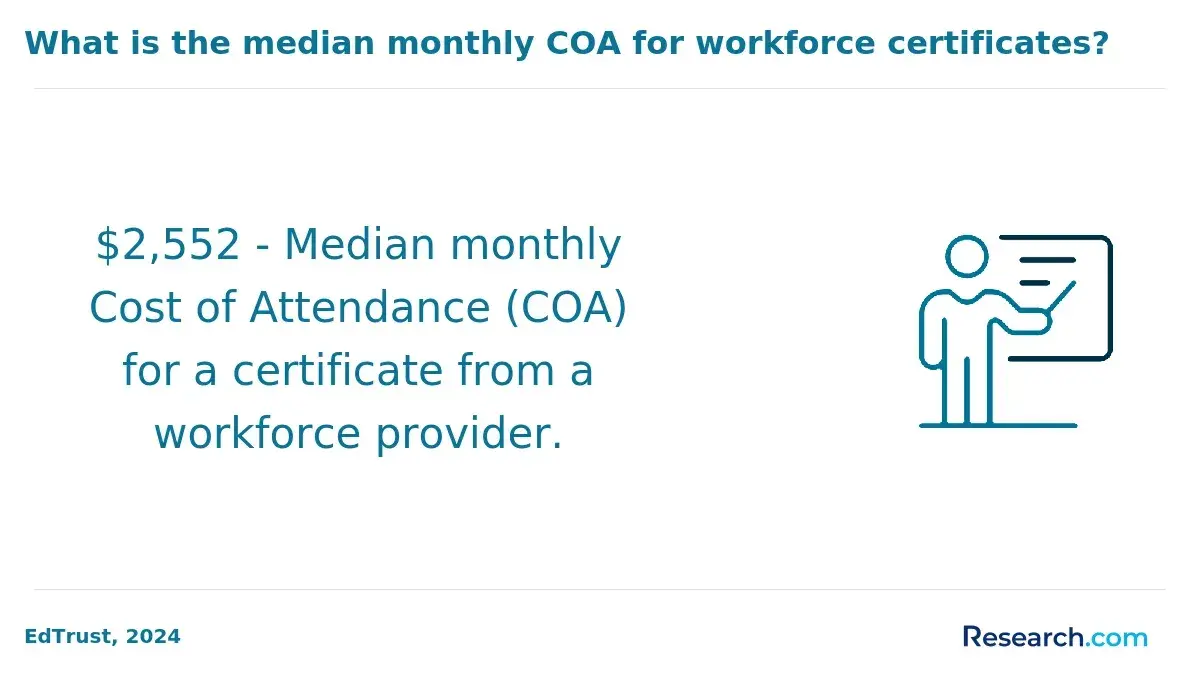
Choosing a forensic science degree involves balancing direct costs with career trajectory and job market realities. Most entry-level roles require a bachelor's degree, typically completed in four years. Public in-state tuition ranges from $9,000 to $15,000 annually, while private institutions can surpass $35,000 per year. Beyond tuition, candidates must budget for lab supplies, textbooks, and certification exams essential for practical competency.
Advanced specializations, like forensic toxicology or materials science, often demand graduate education, adding two to three years and costing between $20,000 and $50,000 annually at private schools. These fields show modest growth projections, around 5% over a decade, emphasizing the value of these credentials for those aiming at specialized technical roles with greater responsibility.
Students working full-time should assess the tradeoffs of part-time or online programs, as these extend degree completion but accommodate work. Additionally, many forensic positions require internships or certifications, adding 6 to 12 months of post-degree training to meet employer expectations.
Decision-making around forensic science education must weigh upfront investment and extended training against long-term employment security, especially in competitive niches where advanced degrees enhance prospects. This practical approach positions candidates better for the realities of workforce demand and professional expectations.
What are the typical salaries for forensic science careers with good work-life balance?
Salary expectations in forensic science careers often hinge on employer sector and specialization, with government roles providing the most consistent balance between compensation and work-life stability. Forensic document examiners working federally earned a mean of $119,630 annually as of May 2024, reflecting stable incomes and predictable hours rarely matched in private consulting or academic research sectors.
State and federal roles such as forensic toxicologists, crime lab analysts, and forensic psychologists typically pay between $60,000 and $95,000, maintaining standard 40-hour weeks that support personal time management. However, positions requiring frequent court appearances or urgent case handling introduce schedule volatility that candidates must weigh carefully.
Entry-level forensic technicians in local jurisdictions face a tradeoff of lower salaries-between $45,000 and $65,000-with less job security and irregular working hours. Employer expectations in labs and government agencies prioritize precision and adherence to protocols over overtime, contributing to a more manageable work-life dynamic.
For those seeking to optimize both career durability and personal balance, understanding the specific demands of the specialization and sector is essential. Key factors include employer benefits like remote or flexible shift options and the stability inherent in government roles versus the income variability and scheduling flexibility found in private or academic settings.
- Federal forensic document examiners: mean annual wage of $119,630
- State/federal forensic toxicologists and analysts: $60,000-$95,000
- Local entry-level forensic technicians: $45,000-$65,000 with variable hours
What is the job outlook for forensic science specialties that avoid on-call hours?
Specializing in forensic DNA analysis or trace evidence examination offers distinct advantages in work-life balance compared to roles like crime scene investigation or forensic pathology, which frequently require unpredictable on-call hours. These lab-focused positions maintain more predictable 40-hour workweeks with limited overtime, allowing technicians to avoid the erratic schedules and emergency responses common in field-based forensic roles.
State and federal laboratories prioritize candidates with formal credentials in molecular biology or chemistry who can rigorously follow protocols. The technical demands center less on rapid field deployment and more on precision, data integrity, and adherence to evolving methodologies, which calls for continuous certification and training.
The forensic DNA analyst employed by a metropolitan crime lab typically experiences stable hours but works within a narrower specialization. In contrast, criminalists who respond to crime scenes confront irregular schedules, higher stress, and on-call requirements. This tradeoff between specialist stability and broader but more volatile job functions is central to workforce decisions.
Current labor statistics reveal that the top 10% of forensic science technicians earn over $107,490 annually, underscoring the financial upside tied to high-demand lab skills amid case backlog pressures.
- Tradeoffs: Stable lab hours versus irregular fieldwork
- Requirements: Advanced certifications, continuous skill updates
- Employer expectations: Precision, protocol adherence more critical than emergency availability
How can you choose a forensic science career that matches your lifestyle priorities?
Choosing a career path in forensic science demands a clear assessment of how job structure aligns with personal priorities. For instance, management roles such as natural sciences managers offer a median annual salary of $161,180 and typically provide more predictable hours and administrative focus, appealing to those valuing work-life balance. In contrast, frontline positions like crime scene investigators or forensic technicians often face irregular hours and unpredictable workload surges, complicating scheduling.
Those accepting variable hours and a hands-on role might consider specialized analyst positions in DNA, toxicology, or digital evidence. These roles, while potentially offering faster entry, often require overtime and handle fluctuating case volumes. Advancing to supervisory or management levels generally involves additional education or certifications, impacting time and financial investments.
Geographic factors heavily influence lifestyle compatibility. Urban labs may offer higher pay but often entail longer commutes and elevated living costs; state or county labs tend to deliver steadier schedules with moderate salaries. Prospective forensic scientists should weigh these tradeoffs carefully-balancing compensation, commuting demands, and family obligations.
Effective strategies include analyzing detailed job descriptions for flexibility, seeking employee testimonials on scheduling realities, and investigating employer support for remote or hybrid work arrangements. Prioritizing positions backed by robust labor market data supports sustainable career decisions without sacrificing personal quality of life.
Other Things You Should Know About Forensic Science
Crime scene analyst, forensic laboratory technician, and latent print examiner roles often use fixed weekday shifts or rotating schedules with limited overtime. Public-sector laboratories and police agencies usually post these positions in 40-hour workweeks, while death-investigation and field response jobs more often require nights, weekends, or on-call duty.
Forensic lab positions typically have steadier workloads centered on scheduled testing and report preparation, whereas field investigators face irregular hours, frequent travel, and urgent case demands. Choosing a lab-based role may improve work-life balance but often requires managing backlog and strict procedural compliance. Candidates prioritizing predictable schedules should weigh lab roles higher, but understand that lab work involves high attention to detail under time constraints.
Employers demand accuracy, timely case closure, and adherence to chain-of-custody protocols, which increase pressure regardless of job setting. Smaller agencies tend to require multitasking across forensic disciplines, resulting in less schedule flexibility. Larger agencies allow more role specialization but come with higher productivity standards and accountability. Prioritize employers with clear workload distribution policies and benefits supporting mental health to manage occupational stress effectively.
Advanced certifications improve competitiveness for specialized and supervisory roles, but they require significant time investment beyond a standard degree. Professionals seeking jobs with better work-life balance should evaluate whether certifications align with long-term career goals without adding unsustainable workload. In many cases, gaining practical experience in a well-structured agency offers more work-life stability than chasing multiple certifications without employer support.
References
- 13 Reasons To Become A Forensic Scientist https://www.openstudycollege.com/blog/3-reasons-become-forensic-scientist
- Top Online Forensic Science Degree Programs https://www.forensicscolleges.com/online
- Forensic Science Technician Education Requirements: What You Need to Know https://www.scuhs.edu/mshgg-article/forensic-science-technician-education-requirements-what-you-need-to-know/
- Forensic Science Technician https://www.truity.com/career-profile/forensic-science-technician
- Forensic Science Majors https://www.hamline.edu/academics/undergraduate/forensic-science
- Changing Career Paths and Strategies for Forensic Employee Retention https://gapscience.com/changing-career-paths/
- Forensic Science Education Programs Accreditation Commission https://www.aafs.org/FEPAC
- Forensic Scientist Employment Opportunities: Your Career Guide https://whileresume.com/article/forensic-scientist-employment-opportunities
- 10 Medical Specialties with the Best Work/Life Balance https://www.medschoolcoach.com/the-least-stressful-medical-specialties/
- Are You Cut Out for a Career in Forensic Science? - International Career Institute Australia https://ici.net.au/blog/are-you-cut-out-for-a-career-in-forensic-science/