2027 Online Forensic Science Degrees That Help Build Evidence Collection Skills

Co-Founder and Chief Data Scientist
When a forensic analyst arrives at a chaotic crime scene, the pressure to accurately collect and preserve evidence can determine the outcome of an investigation and the pursuit of justice. Yet, many professionals and career-changers face limited local training options, compounded by demanding schedules that restrict hands-on skill development. According to the National Center for Education Statistics, over 40% of online learners in STEM fields are adult professionals seeking flexible formats to reskill or advance, reflecting a shift toward distance education that accommodates daytime commitments without sacrificing rigor.
This article examines online forensic science degrees designed to enhance evidence collection competencies and how they align with workforce needs and real-world constraints.
Key Things You Should Know
- Online forensic science degrees in 2026 often exclude intensive lab work, requiring supplementing with in-person internships, creating a trade-off between geographic access and hands-on evidence collection proficiency.
- Employers increasingly demand graduates with demonstrated chain-of-custody management skills; online programs integrating simulated casework aligned with ASCLD standards see 23% higher graduate placement rates per 2024 workforce analyses.
- Average total costs for online forensic science degrees are 17% lower than on-campus equivalents, yet extended program durations-up to 30% longer on average-can delay return on investment and career progression.
What are online forensic science degrees?
Procuring an online forensic science degree program in the US involves navigating significant practical tradeoffs. Unlike traditional on-campus degrees, online formats often require students to secure local partnerships for hands-on labs or clinical hours, which are nonnegotiable to meet employer standards-especially since 89% of forensic science technicians serve state and local governments per U.S. Bureau of Labor Statistics data. For professionals seeking real-world evidence collection skills, the best online forensic science courses for evidence collection will incorporate asynchronous coursework coupled with verifiable practicum experiences, ensuring skill validation rather than purely theoretical knowledge.
Consider a forensic toxicology candidate: the program must offer either simulated instrumentation or supervised access to physical labs offsite, reflecting employer expectations for procedural rigor directly affecting courtroom credibility. Digital forensics aspirants face similar requirements for software proficiency. These operational demands illustrate why accreditation and recognized employer partnerships are critical to avoiding gaps between academic credentials and job market realities.
For those assessing ROI, understanding the forensic profiler salary and career trajectory is vital; the market values verifiable, state-aligned experience often gained through externships or lab components. These factors weigh heavily when deciding which online forensic science degree program in the US aligns with career goals, especially given the logistical challenges such programs pose. Prospective students can explore related workforce insights such as forensic profiler salary data to better frame their investment and career pathway.
Are online forensic science degrees accredited?
The accreditation status of an online forensic science degree directly influences employability and professional mobility within forensic and law enforcement agencies. Crime lab managers typically prefer candidates from accredited online forensic science programs because these credentials align with national standards for evidence collection, chain-of-custody protocol, and practical skill application. Without proper accreditation, graduates often face barriers accessing federal financial aid, transferring academic credits, and qualifying for certification exams like those from the American Board of Criminalistics (ABC).
Some programs pursue specialized accreditation from bodies such as the Forensic Science Education Programs Accreditation Commission (FEPAC), which validates curriculum rigor, faculty expertise, and mandatory lab components. While less common for fully remote formats, FEPAC accreditation supports eligibility for technical roles and certification but can limit program availability.
The scarcity of accredited online forensic science degrees impacts access to required internships or practicums, often essential for certification and hands-on experience. Students in non-accredited programs frequently struggle to secure quality field placements, delaying entry into forensic technician roles that are projected to grow 14% between 2023 and 2033-significantly faster than many occupations. This labor market dynamic intensifies hiring selectivity and underscores the need for careful credential evaluation.
For candidates weighing other STEM pathways, it is useful to contrast with options like an online data science masters, where program affordability and labor market demand differ materially, reflecting distinct certification and accreditation frameworks.
What forensic science courses build evidence collection skills?
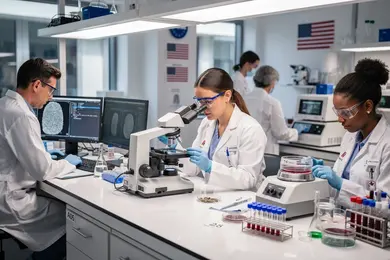
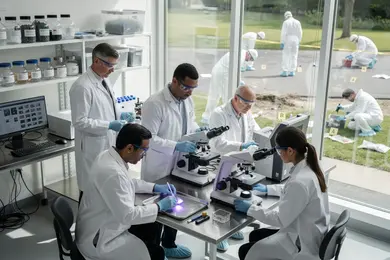
Evidence collection in online forensic science degree programs demands rigorous skill development beyond textbook knowledge. Courses train students to preserve the integrity of physical and digital evidence, a non-negotiable standard for employment in forensic and law enforcement positions. For example, crime scene investigation labs provide hands-on exposure to fingerprint analysis and tool mark examination, essential for preventing evidentiary contamination or chain-of-custody breaches that could negate case viability.
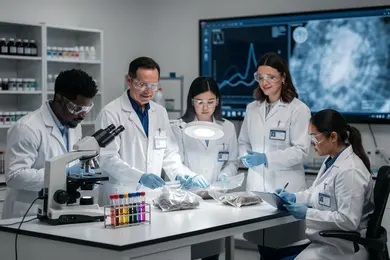
Students encounter a spectrum of crime scene scenarios, from homicide to cybercrime, fostering adaptable strategies necessary to navigate legal and operational challenges. Forensic biology coursework integrates DNA extraction and analysis through virtual case studies, emphasizing delicate biological sample handling under remote learning setups. Forensic chemistry curriculum covers chemical residue detection, such as accelerants in arson or toxins in poisoning, requiring mastery of lab protocols and advanced instrumentation remotely.
Digital evidence collection components address unique chain-of-custody complexities tied to electronic data, preparing graduates for modern forensic environments. Understanding how proficient evidence gathering influences career trajectories is critical-Indeed salary data reports forensic scientists earning an average of $62,325 annually compared to detectives at $81,302. Online forensic science degree programs with hands-on evidence gathering are particularly valuable for students who seek flexible pathways without sacrificing core practical competencies.
Prospective students might also consider parallel fields for complementary skills; for example, those interested in computational methods could explore a computer science degree online to enhance data analysis capabilities relevant to forensic investigations.
How do online and campus forensic science programs differ?
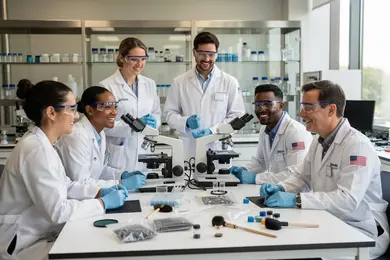
The central distinction between an online forensic science degree and campus degree programs lies in the availability and quality of hands-on training essential for workforce readiness. Campus curricula typically offer direct access to specialized labs and forensic tools, enabling immersive practice with evidence collection and analysis under expert supervision-an advantage highly valued by employers in crime labs and law enforcement agencies. This difference is especially pronounced for forensic specializations requiring physical interaction, like crime scene investigation, fingerprinting, and toxicology.
In contrast, online forensic science degree programs rely on virtual labs and simulations, which, despite advances, cannot fully replicate tactile experiences demanded by many credentialing bodies or federal employers. However, online formats better suit areas such as forensic data analysis and digital forensics, where computer-based skills dominate. Students pursuing online curricula should seek programs with local lab partnerships or mandatory residencies to negotiate this practical gap.
Growth in online forensic science enrollment, exemplified by large-scale offerings like Arizona State University Online's 52,896 learners, indicates expanding accessibility. Yet, hiring managers frequently prioritize candidates with verified field experiences over theoretical knowledge alone, a critical workforce implication when weighing differences between online and traditional forensic science education.
Prudent candidates often supplement online learning with internships or externships to meet certification requirements and employer expectations. For those also exploring adjacent health fields, programs offering an online degree in exercise science may present a complementary pathway enhancing forensic-related competencies.
What admission requirements do online forensic science programs need?
Online forensic science programs frequently balance accessibility with the necessity of technical rigor, especially for candidates seeking practical workforce readiness. Admissions standards typically require a high school diploma plus some college-level coursework or an associate degree. Yet, programs focused on bachelor-level forensic science emphasize demonstrated skills in biology, chemistry, and computer science as foundational to engaging with evidence analysis.
For professionals transitioning from fields like law enforcement or IT security, verified work experience can offset formal education prerequisites, but documentation and supervisor validation are essential for admission committees to assess true readiness for investigative roles involving complex digital and physical evidence.
Practical components like internships demand mandatory criminal background checks and drug screenings to comply with legal chain-of-custody standards, underscoring a real-world constraint that influences program suitability and student eligibility.
Cost-effectiveness is often measured by graduate outcomes rather than sticker price. For instance, Champlain College's online BS in Computer Forensics & Digital Investigations reports median alumni earnings near $90,000, illustrating employer preference for graduates from programs with rigorous admission gates and hands-on focus.
Applicants should prepare comprehensive transcripts, STEM competency proof, background clearance, and documented relevant experience upfront. This prevents matriculation delays and aligns entry criteria with workforce expectations in forensic science education.
How long do online forensic science degrees take?
Forensic science degrees delivered online vary significantly in duration and intensity, with the choice of program shaping practical career outcomes and time-to-workforce readiness. Associate degrees, typically two years, focus on foundational lab skills suitable for crime scene technicians or entry-level lab roles but may limit upward mobility in scientific analysis. Bachelor's degrees usually span four years, integrating biology, chemistry, and criminal justice, and are often the minimum for forensic analyst positions. Accelerated bachelor's options shorten this to about three years but demand a high weekly workload, which may pose challenges for working professionals.
Master's programs take 18 to 24 months full-time, emphasizing specialized forensic toxicology, digital forensics, and advanced analytical techniques necessary for supervisory roles. Part-time formats stretch beyond three years, trading speed for flexibility; this can delay critical career pivots or promotions where timing matters.
Employers weigh program rigor, practicum experience, and hands-on labs heavily. For example, a respiratory therapist shifting into forensic nursing might prioritize a master's program offering clinical modules completed in two years, balancing immediate job needs with credentialing standards. Meanwhile, a criminal justice graduate seeking forensic analyst work often faces a four-year bachelor's with intensive lab internships, requiring a long-term commitment but yielding comprehensive skill sets aligned with industry expectations.
A global increase to 27 online forensic science degrees by 2025 broadens options, yet students must critically assess how program pacing and experiential components align with their specific career plans and local certification requirements.
How much do online forensic science degrees cost?
Choosing an online forensic science degree requires balancing upfront costs with long-term employability and skill acquisition strategies. Certificate programs, such as Florida International University's fully online CSI certificate, offer targeted, affordable entry points aimed at professionals needing specific technical skills without the full financial and time commitment of a bachelor's degree.
Bachelor's degrees in forensic science typically range from $15,000 to $40,000 in tuition, with public institutions offering lower rates for in-state students and private or out-of-state options nearly doubling costs. Beyond tuition, students must budget for software licenses, virtual labs, and exam proctoring fees, which can significantly impact the total investment.
Employers in law enforcement and private investigation often prioritize comprehensive bachelor's degrees but may consider stackable certificates for entry-level roles, affecting ROI calculations. For working professionals, incremental credential stacking allows phased skill development aligned with workplace demands and financial constraints. For example, a candidate may first earn a certificate to enter the field, then pursue a bachelor's to access advanced positions or supervisory roles.
Ultimately, decisions should reflect the realities of forensic domains where verified, in-depth knowledge is essential for career progression, and incremental credentialing can reduce financial risk while maintaining alignment with employer expectations.
What jobs can you get with a forensic science degree?
Graduates with a forensic science degree enter a labor market where practical expertise in laboratory procedures, evidence documentation, and legal protocols is nonnegotiable. Roles range from forensic chemist and crime scene investigator to digital forensics analyst and death investigator, with each demanding specific technical skills tied to their niche. For example, a forensic chemist must quickly validate substances to support prosecutions, whereas a digital forensic analyst focuses on recovering cybercrime evidence.
The distinction between entry-level positions and specialized roles is significant. Physical evidence technicians might find earlier opportunities but face slower advancement without further education. In contrast, careers in toxicology or drug chemistry frequently require a master's degree, often obtained through flexible online programs that enable working professionals to maintain income while upgrading credentials, a trend noted by the University of Florida College of Medicine.
Salary outcomes reflect these differences: government lab technicians typically start near $50,000 annually, while advanced roles in federal agencies or private firms command salaries exceeding $90,000. Prospective students must weigh the time and financial investment of graduate training against immediate employment possibilities and how well their targeted subfield aligns with shifting certification requirements and technical demands.
What is the salary and job outlook for forensic science careers?
Forensic science salaries vary widely, influenced by specialization, location, and employer. Entry-level roles in evidence collection start around $55,000, but experienced professionals and those with advanced qualifications in areas like digital forensics or cybersecurity can exceed $100,000. Geographic disparities are significant; urban centers with robust forensic infrastructure offer more competitive pay and employment options.
Projected employment growth of 11% through 2032 reflects increasing reliance on scientific methods within criminal justice and the urgent need to address cybersecurity threats. Those holding online forensic science degrees often find career flexibility, moving beyond traditional crime labs into related fields such as risk analysis and corporate cybersecurity. This crossover requires candidates to maintain currency on certification standards and acquire ongoing technical skills.
For instance, a forensic analyst specializing in evidence collection can pivot to a cybersecurity role within a private sector firm by leveraging knowledge of data integrity and chain of custody; this transition may bring higher compensation but demands adaptability and technical proficiency.
Prospective students should carefully evaluate regional job markets and the evolving standards of forensic practice when selecting programs to align education with employer expectations and realistic career trajectories. Balancing practical skill acquisition with geographic mobility remains key to maximizing long-term employability in this complex and evolving field.
What certifications or licenses may forensic science graduates need?
Certification requirements in forensic science significantly shape employability and role scope, often requiring candidates to invest time and money beyond degree completion. Forensic professionals handling biological evidence, such as crime lab technicians in metropolitan police departments, usually must obtain credentials like the American Board of Criminalistics (ABC) certification alongside state-specific forensic licenses to work independently. These layered qualifications ensure both legal admissibility and employer trust.
Specialized certifications such as the International Association for Identification (IAI) Certified Forensic Photographer or Certified Crime Scene Investigator validate mastery over critical evidence collection procedures, including maintaining chain-of-custody standards essential for courtroom credibility. Without such credentials, graduates often remain limited to supporting roles with slower advancement.
Federal agencies like the FBI and DEA demand even more niche certifications in areas like digital forensics or toxicology, coupled with ongoing continuing education units (CEUs) to maintain credentials. This ongoing obligation factors into candidates' strategic decisions around career pivots or advancement, balancing upfront costs-typically from $300 to over $1,000-and preparation time against long-term employability and salary potential.
Remote learning options, such as the six fully online forensic science degrees available in the United Kingdom in 2025, highlight evolving education access but also introduce complexities in meeting in-person practical training mandates often required for state licensing. Prospective students must gauge jurisdiction-specific credentialing criteria and employer preferences carefully before committing to programs or certifications.
- Certification layers affect job responsibilities and legal standing in evidence handling.
- Specialized credentials correlate with faster career progress and courtroom reliability.
- Federal agency roles demand deeper specialization and continuous education.
- Remote forensic education eases access but complicates meeting practical licensing rules.
- Cost and time investments in certification must be weighed against employment outcomes.
Other Things You Should Know About Forensic Science
Online forensic science degrees vary widely in practical training opportunities. Programs that include local internships or supervised lab work partnerships offer meaningful evidence collection experience, which is critical for employer readiness. When choosing online options, prioritize those with structured field placements or lab sessions, as purely virtual simulations do not replace real-world physical evidence handling skills.
Employers prioritize demonstrable technical skills and verified hands-on experience over the mode of education delivery. Online degrees from accredited programs are generally accepted if complemented by internships or practical work. Candidates should anticipate needing to prove competency through certifications or work samples, since some employers remain cautious about online-only education lacking field exposure.
Yes. Many online forensic science degrees require a supervised field practicum or lab residency to meet evidence collection outcomes. Programs often ask for 40 to 120 practicum hours, plus documentation of chain-of-custody, collection methods, and lab safety under approved faculty or agency supervision.
Forensic science degrees require intensive study, especially in lab-based and technical courses that may require scheduled on-site sessions. Programs with asynchronous coursework offer flexibility but still expect substantial weekly hours for practical assignments and exam preparation. Working professionals should choose programs with clear policies on part-time enrollment and carefully evaluate if reduced course loads extend time to degree but improve balance and learning outcomes.
References
- Forensic Science & CSI Schools By State - Degrees & Certification https://www.forensicscolleges.com/usa
- Bachelor's in Forensic Science https://www.ccis.edu/degrees/forensic-science-bachelor
- On-Campus vs. Online Law Enforcement Programs: Pros and Cons https://golawenforcement.com/articles/on-campus-vs-online-law-enforcement-programs-which-one-is-for-you/
- How to Become a Forensic Science Technician | University of Bridgeport https://www.bridgeport.edu/news/how-to-become-a-forensic-science-technician/
- Top Skills You Learn During BSc + MSc Forensic Science https://lifs.co.in/blog/skills-bsc-msc-forensic-science.html
- Forensic Scientist https://www.ncchomelearning.co.uk/career-courses/forensic-science/
- Online Forensic Science Degree https://www.aiuniv.edu/degrees/criminal-justice/bachelors-forensic-science