2027 Best Online Bachelor's in Forensic Science With Career Services

Co-Founder and Chief Data Scientist
Forensic science professionals often confront the challenge of advancing their qualifications while juggling demanding work schedules or geographic constraints, yet hands-on experience and timely access to career services remain essential for competitive positioning. Recent data from the National Center for Education Statistics shows a 30% surge in adult enrollment in online STEM programs since 2023, signaling a shift toward flexible learning modalities that accommodate workforce realities without sacrificing rigor. This transformation directly impacts candidates seeking forensic science degrees who must evaluate programs offering genuine career support alongside comprehensive curricula. This article identifies top online forensic science bachelor's programs reinforced by career services designed to bridge education and employment effectively.
Key Things You Should Know
- Graduates holding online bachelor's degrees in forensic science face a median wage roughly 12% lower than on-campus counterparts, per 2024 Bureau of Labor Statistics data, reflecting employer preference for in-person lab experience that affects initial placement and advancement.
- The sector's projected 7% job growth through 2032, per the U.S. Department of Labor, intensifies competition for roles requiring hands-on skills, pressuring online programs to integrate supervised internships despite logistical challenges.
- Online forensic science degrees typically extend time-to-completion by 20%, increasing tuition and opportunity costs that disproportionately impact non-traditional students balancing workforce re-entry with credentialing timelines in a field requiring rapid skill acquisition.
What is an online bachelor's in forensic science and who is it best suited for?
Choosing an online bachelor's degree in forensic science with career support requires weighing the limited hands-on training inherent in remote formats against the practical benefits of flexible schedules. While the median wage for forensic science technicians is $68,320, with top earners exceeding $110,350, employers often favor candidates with verifiable lab experience, which can be a challenge in purely online programs.
Professionals already embedded in law enforcement or laboratory roles typically gain the most advantage from these programs, leveraging their existing practical knowledge to complement theoretical coursework.
The curriculum generally includes crime scene analysis, toxicology, DNA profiling, and evidence handling, yet students must secure adequate lab access or virtual alternatives to build necessary competencies. For those pursuing a bachelor's in forensic science programs for career advancement from unrelated fields, it is critical to integrate internships or cooperative placements to enhance employability through applied experience.
Programs that offer structured career services and industry networking can mitigate some drawbacks of remote learning by connecting students with forensic labs and professional opportunities. Students lacking strong self-discipline or the ability to arrange external lab work should carefully reconsider this pathway, given the field's demand for precise skills validated by industry standards.
For related disciplines, such as psychology, exploring an forensic psychology degree may provide alternative strategic routes within the forensic realm.
How does an online forensic science bachelor's compare to a campus-based program?
The choice between an online forensic science bachelor's degree vs traditional campus programs involves significant tradeoffs in experiential learning and professional networking. Campus programs typically offer direct access to physical labs and internship pipelines supported by university partnerships, which align with employer priorities for candidates demonstrating applied forensic skills.
Conversely, online students must often coordinate external internships independently, navigating logistical constraints that can impact timely completion of hands-on requirements. For working professionals, the benefits of online forensic science bachelor's programs for career advancement include greater scheduling flexibility and the ability to avoid geographic relocation.
However, this flexibility comes at the cost of less direct mentorship and spontaneous peer collaboration, which are integral to mastering evidence handling and laboratory techniques in campus settings. The variability in career services among online programs further places responsibility on students to proactively engage with professional opportunities.
In practical terms, students pursuing forensic science must evaluate their capacity to secure field experience externally and leverage career support networks effectively. This balance is crucial given the projected 13% employment growth for forensic science technicians from 2024 to 2034 by the U.S. Bureau of Labor Statistics, signaling steady demand but competitive hiring that favors experiential credentials.
Prospective students may also benefit from comparing costs and outcomes across disciplines; for example, data-driven decision making around affordability can be informed by resources such as the data scientist degree rankings, which illustrate how practical training investments translate to workforce readiness and job market entry in related fields.
What accreditation and program quality standards should online forensic science degrees meet?
Regional accreditation from U.S. Department of Education-recognized agencies remains non-negotiable for online forensic science degree accreditation standards, as it not only guarantees baseline educational quality but also determines employer and licensing recognition. However, discernment is required beyond institutional accreditation: fewer than 5% of U.S. colleges offer a forensic science major or specialization with necessary faculty expertise and focused coursework, which directly influences graduates' professional viability. Enrollment in non-specialized programs often results in significant gaps in practical skills demanded by forensic employers.
Quality criteria for online forensic science programs must prioritize alignment with credentialing bodies like the American Board of Criminalistics or ASCLD/LAB. Programs lacking supervised lab work, case analysis, or digital forensic simulations fail to prepare students for essential hands-on competencies. Graduates without documented practical experience face difficulty securing entry-level forensic technician roles, which commonly require demonstrated proficiency with forensic technologies and chain-of-custody protocols.
Remote students should confirm access to virtual labs or coordinated in-person labs; failure here risks delayed certification and limited job prospects. Employers frequently reject candidates whose degrees originate from unaccredited or non-specialized programs, underscoring practical training as a gatekeeper. Prospective students are advised to request detailed syllabi, verify faculty credentials, and analyze graduate placement data before committing time and resources.
When comparing educational pathways, also consider cost-effectiveness relative to other scientific degree options, such as an online animal science bachelor degree, especially if workforce flexibility or broader scientific backgrounds are relevant. Aligning program choice with rigorous forensic specialization and accreditation standards is critical to avoiding costly missteps and maximizing employability.
What are the typical admission requirements for online bachelor's programs in forensic science?
Competitive admission criteria for online forensic science bachelor's degrees in the United States demand more than baseline academic credentials; they require proven STEM aptitude, typically reflected in a GPA above 3.0 in biology, chemistry, and mathematics. Universities often expect ACT composite scores within the 21-28 range, which remains a meaningful metric despite some test-optional trends. This reflects hiring expectations where candidates with solid foundational knowledge are better prepared for technical rigor.
Applicants must submit official transcripts, recommendation letters highlighting laboratory and analytical skills, and a personal statement clarifying their forensic science commitment. Some programs mandate prerequisite coursework either before or early during enrollment to mitigate the risk of insufficient technical preparation, a common stumbling block for career pivoters and working professionals balancing existing job demands.
Additional practical challenges include demonstrating competence in computer applications and research frameworks essential for forensic data analysis and adapting to the self-directed nature of online learning. Those without traditional test scores or academic paths may find alternative admissions routes-such as portfolio reviews or prior learning assessments-though these options are less prevalent.
When evaluating admissions, prospective students should weigh requirements carefully against their own readiness and professional schedules. For those seeking to broaden their expertise, understanding the distinct policies relative to other fields, for example, online MLIS programs can help clarify expectations around documentation and structured progression.
How long does an online forensic science bachelor's take and what does it cost?
The practical value of an online forensic science bachelor's degree depends heavily on program design choices that affect workforce readiness and cost-efficiency. Programs range from accelerated four-year tracks to extended part-time options lasting up to six years, accommodating working professionals but potentially increasing overall expenses. Tuition varies widely: public in-state institutions typically charge between $40,000 and $60,000 in total, while private schools often surpass $100,000, excluding fees and materials.
Employer demand now strongly favors candidates with digital forensics or cybersecurity expertise alongside core lab sciences. Over half of entry-level forensic science jobs require this blend, according to CyberSeek and the Burning Glass Institute. Choosing a program lacking these elements might expedite graduation but risks lower employability and reduced earning potential.
Students balancing work and study often face tradeoffs such as longer completion timelines and higher costs inherent in part-time or hybrid formats. Beyond tuition, career services, internships, and industry-aligned capstones significantly influence job placement success. These outcomes-focused components tend to correlate with program quality and price.
Prospective students should rigorously scrutinize programs for alignment with their target forensic science specialization and workforce expectations, prioritizing demonstrated employment data and integration of current market skills over shortcuts to earlier entry.
What core courses and specializations are offered in online forensic science curricula?
Online forensic science programs that fail to prioritize hands-on lab experience risk graduating candidates unprepared for employer expectations in evidence handling and technical rigor. Core courses commonly cover crime scene investigation, forensic biology, toxicology, forensic chemistry, and criminal law, establishing a necessary foundation for scientific analysis and legal procedure. However, differing program emphasis on lab practicals or virtual simulations can significantly impact readiness for field roles.
Specializations such as digital forensics or forensic toxicology shape the technical trajectory-digital forensics focuses on cybersecurity and data recovery, while toxicology emphasizes chemical analysis of substances related to legal cases. Students targeting careers in these niches must critically evaluate how well programs translate theory into applicable skills, given that employers prioritize ethical standards and strict chain-of-custody knowledge.
Effective career services correlate directly with employment outcomes: graduates utilizing these supports are 3.5 times more likely to secure job offers immediately after graduation, according to the National Association of Colleges and Employers. This metric highlights a common practical gap; strong curricula alone are insufficient without robust career placement integration.
Prospective students should weigh programs on three axes: foundational competence, specialization alignment with job market demands, and the availability of experiential learning and career resources. The choice impacts not only immediate employability but also adaptability to evolving forensic science workforce needs.
How do online forensic science programs provide labs, internships, and hands-on training?
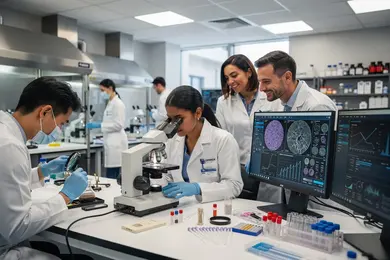
Online forensic science programs must reconcile the limitations of remote learning with employer demands for applied skills in evidence handling, analysis, and investigative procedures. Since physical lab access is unavailable, these programs often rely on validated virtual simulations replicating DNA testing, fingerprint analysis, and toxicology to meet competency standards without on-site presence. This mitigates-but does not eliminate-the gap in hands-on experience critical for real casework proficiency.
Internships coordinated with local law enforcement and forensic firms serve as a vital bridge to the field, offering supervised involvement in evidence processing and report documentation. Students geographically distant from major forensic centers may face placement challenges, highlighting a practical consideration when selecting programs. Internships embedded as graduation requirements ensure exposure that purely academic study cannot provide.
Hybrid models may supplement virtual labs with mailed kits or on-site modules, accommodating diverse state regulations tied to chain-of-custody protocols. Such arrangements demand proactive coordination and often extend program timelines due to logistical constraints.
- Online labs use advanced software aligning with industry standards to simulate forensic analyses.
- Internship placements depend on regional infrastructure and influence readiness for forensic employment.
- Hybrid delivery models attempt to integrate physical evidence handling within remote education frameworks.
- Verification of experiential learning components is essential to avoid underpreparedness in forensic roles.
Graduates equipped with these hands-on components demonstrate markedly higher employability and earning potential. For example, early-career pay for online Bachelor's graduates focusing on computer forensics and digital investigations averaged $89,716 in 2025, reflecting market valuation of practical expertise combined with academic credentials.
What career services do the best online forensic science programs offer students and alumni?
Online forensic science programs frequently fall short on addressing the distinct employment obstacles remote learners encounter, notably the lack of robust career support services that only 30% of online undergraduates reported in 2024. This gap impacts job placement timelines and post-graduation outcomes, especially in a field where technical certifications, security clearances, and hands-on experience are often prerequisites.
Effective programs mitigate these issues by offering virtual internships with crime labs and law enforcement, enabling students to gain practical skills despite geographic distance. Personalized career advising aligned with subfields such as toxicology or digital forensics helps graduates target roles with precise employer demand in federal and local agencies.
Consider a working professional pivoting into forensic toxicology; synchronizing coursework with mandatory internships and background checks can be challenging without tailored support.
Key career services include:
- Resume and interview coaching focused on forensic science hiring nuances
- Alumni networking and mentorship opportunities with experienced practitioners
- Access to demand-driven labor market data guiding curriculum emphasis on emerging priorities like DNA analysis and cybercrime
These elements collectively reduce time-to-employment by adapting training to workforce needs and fostering relevant connections. For returning professionals or those entering from unrelated fields, such depth in career services distinguishes effective online forensic science education from generic offerings.
What jobs, salaries, and job outlook can graduates of online forensic science programs expect?
Employment for graduates of online forensic science programs centers on roles such as forensic science technicians, crime lab analysts, and digital forensic specialists, with salary ranges typically between $55,000 and $85,000 annually. Growth in the field remains strong, evidenced by a more than 45% increase in forensic science technician employment over the last decade. However, this growth is uneven, shaped by geographic location, employer type, and the technical specialization required.
Entry-level candidates must demonstrate proficiency in laboratory procedures and evidence management, while advanced roles often require skills in DNA analysis or cyber forensics, commanding higher pay. Metropolitan areas with substantial criminal justice infrastructure generally offer better salaries but also intensify competition.
Graduates should also plan for ongoing certification and training because employers prioritize hands-on experience reflecting the precision forensic work demands. Job availability fluctuates with public sector funding and evolving technological standards. This creates tradeoffs between the stability of government roles and the flexibility-but less security-of private sector or consultant positions in digital forensics.
Complementary knowledge, such as criminal law or data analytics, can widen employability and help navigate complex courtroom expectations, where clear report writing and testimony skills are key.
- Technical proficiency must extend beyond initial certification to remain competitive.
- Salary and job availability vary considerably by region and employer.
- Private sector opportunities offer flexibility but reduced long-term stability.
Employers increasingly expect graduates to balance technical expertise with practical communication skills, reflecting the multifaceted demands of forensic roles. Understanding these real-world dynamics is essential before investing in this educational path.
How can students choose a reputable online forensic science program that fits their goals?
Choosing an online forensic science program without verifying its regional accreditation and specialized recognition risks investing in credentials that employers may not value. Accreditation certifies that the curriculum aligns with academic and industry standards, serving as a baseline filter in hiring.
Practical experience is non-negotiable: the 2024 NACE Job Outlook shows 88% of employers prioritize internships or hands-on work. Programs offering virtual labs, simulations, or pre-arranged internships with forensic labs and law enforcement agencies markedly improve employment prospects. For example, a candidate aiming for a forensic toxicology role in a state crime lab must secure internships in relevant regional facilities beyond generic coursework, or risk being unprepared for these specialized positions.
Faculty expertise also shapes access to current forensic practices and professional networks. Prospective students should assess whether instructors maintain active industry involvement that can translate into field-relevant mentorship and connections.
Additional real-world factors include program flexibility to accommodate working students, transparent career services linked to employment outcomes, and alignment with state-specific educational requirements-especially significant for professionals pivoting from healthcare or criminal justice sectors. Prioritizing these components can substantially influence a graduate's ability to navigate forensic science career pathways and secure meaningful employment.
Other Things You Should Know About Forensic Science
A bachelor's degree in forensic science provides foundational knowledge but is often insufficient for many crime lab positions without supplemental certifications or specialized training. Employers typically require candidates to have credentials such as certification from the American Board of Criminalistics or completion of forensic-specific technician programs. Graduates should prioritize programs that offer pathways or partnerships for certification preparation to remain competitive in hiring pools.
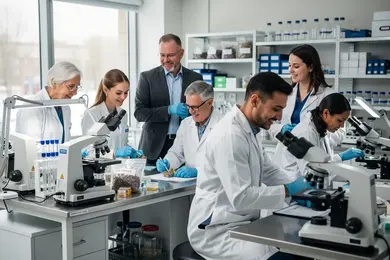
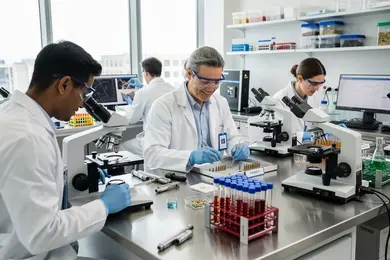
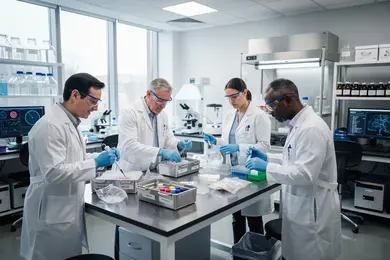
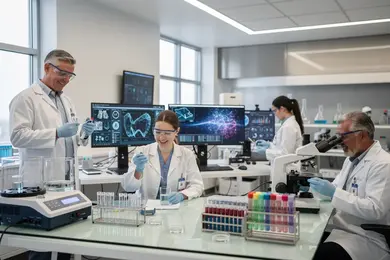
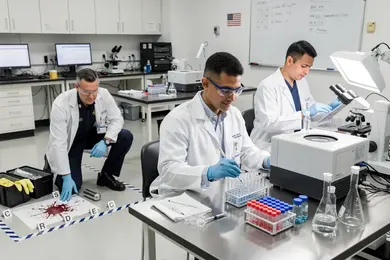
Hands-on lab experience is critical due to the technical nature of forensic roles and employer emphasis on practical skills. Online programs that integrate virtual labs or require on-site internships provide more value than purely theoretical coursework. Students should evaluate the scope and quality of practical training embedded in the curriculum, since insufficient lab exposure can limit job readiness and reduce employment prospects in forensic laboratories.
An online forensic science degree in 2027 offers flexibility for graduates to pursue various career paths in law enforcement, crime labs, and private agencies. While initially focused on forensic roles, graduates can leverage analytical skills to move into related fields like cybersecurity or policy research, often with additional training or certifications.
Most programs require a high school diploma or GED, a minimum 2.5 to 3.0 GPA, and official transcripts. Some also ask for SAT or ACT scores, though many schools have test-optional policies in 2027. Prerequisite courses in biology, chemistry, and algebra may be required.
References
- Alabama Department of Forensic Sciences https://adfs.alabama.gov/about/accreditation
- Bachelor's in Forensic Science https://www.ccis.edu/degrees/forensic-science-bachelor
- List of Bachelors in Forensic Science Programs - Campus & Online https://yescollege.com/degrees/bachelors-in-forensic-science/
- Online and Offline Forensic Science Courses for Students & Professionals https://iesr.in/forensic-science-courses-online-offline/
- Forensic | Standards Council of Canada https://scc-ccn.ca/accreditation-scheme/forensic
- Forensic Science Majors https://www.hamline.edu/academics/undergraduate/forensic-science
- Top Forensic Science Internships - Organizations & Eligibility https://www.forensicscolleges.com/blog/resources/cool-forensic-science-internships
- Forensic Science Degree Programs https://www.criminaljusticedegreeschools.com/degrees/forensic-science-degree/
- Top Forensic Science Career Guide | Forensic Science Online https://www.forensicscienceonline.org/top-careers/
- 2025 Most Popular Online Forensic Science Degrees https://www.onlineu.com/degrees/forensic-science