2027 Best Online Forensic Science Degrees for Technical Investigation Careers

Co-Founder and Chief Data Scientist
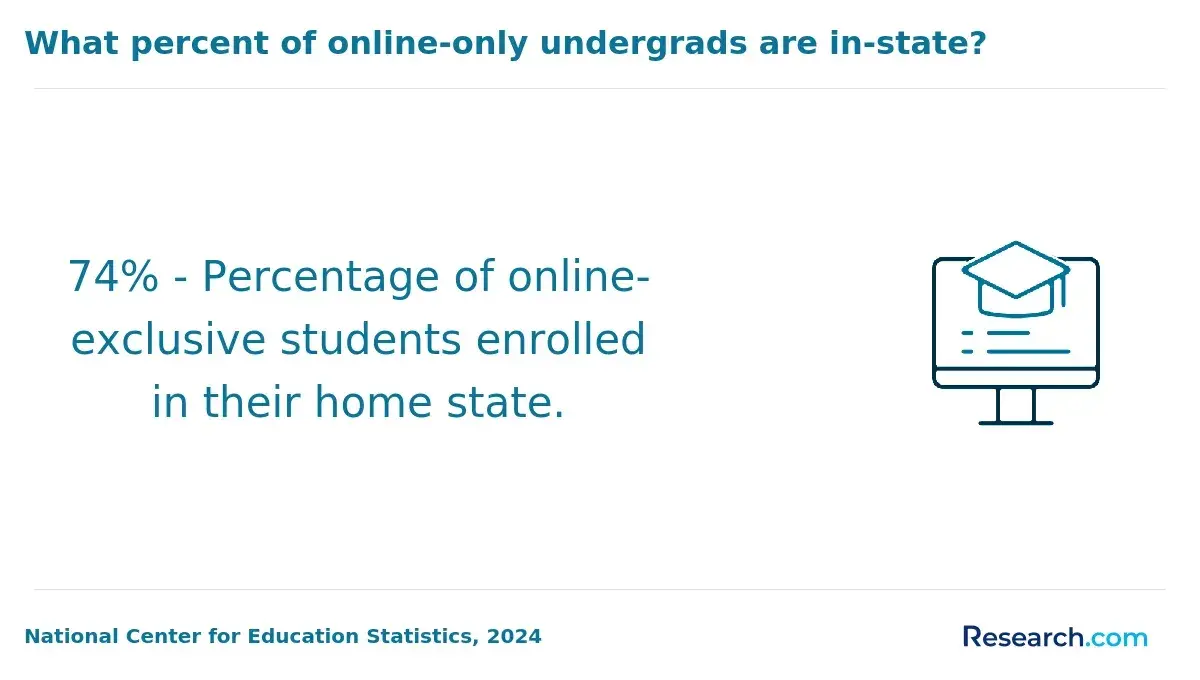
Facing a complex crime scene with limited time and the urgent need for precise technical analysis, forensic professionals must continuously update their expertise to match evolving investigative technologies. Yet, balancing rigid work schedules and family commitments often leaves little room for traditional classroom learning. According to the National Center for Education Statistics, nearly 40% of postsecondary students now enroll exclusively in online programs, reflecting a critical shift toward flexible education models that accommodate working adults.
This shift offers vital accessibility but also demands careful scrutiny of program rigor and employer recognition. This article evaluates the best online forensic science degrees designed to equip aspiring and advancing investigators with practical, accredited credentials suited to today's multidisciplinary technical demands.
Key Things You Should Know
- Degree programs emphasizing digital forensics, now accounting for 45% of specialized curricula per 2024 NCFS data, yield higher employer demand but necessitate significant upfront tech investment, limiting access for budget-conscious students.
- Employers prioritize graduates with combined lab and field procedural training per NIJ workforce surveys, pressuring programs to balance practical skillsets, yet many online courses lag behind evolving forensic standards, impacting job readiness.
- Completion time strongly correlates with employment earnings; Bureau of Labor Statistics data shows candidates finishing in under 3 years secure 15% higher starting salaries, stressing the importance of program pacing over cost savings.
What are the best online forensic science degrees for technical investigation careers?
Prioritizing the best online forensic science degrees for technical investigation careers requires scrutiny beyond curriculum descriptions. Programs must integrate practical laboratory components-virtual simulations alone insufficiently prepare graduates for evidence handling tasks demanded by law enforcement and investigative units. For instance, a criminal justice professional aiming to pivot toward digital forensics should seek programs with explicit modules in this specialization, which correlates with higher placement rates in cybersecurity-driven roles.
Top accredited online forensic science programs for investigators balance theory with application through asynchronous content paired with synchronous labs or field placements coordinated via partnering forensic agencies. Accreditation by bodies such as the Forensic Science Education Programs Accreditation Commission (FEPAC) signals curriculum rigor and greater employer recognition, a key differentiator given the fragmented credential landscape in this field.
Employment projections for forensic science technicians indicate an 11% growth between 2021 and 2031, outpacing many other occupations; however, this demand translates into real opportunity only for candidates with demonstrable mastery of evolving forensic technologies and relevant hands-on experience. Students should carefully evaluate graduate employment data and consider programs offering internships to mitigate the limitations of online delivery.
Cost, time investment, and program delivery formats directly influence candidates' ability to apply their degrees in specialized roles. Professionals interested in expanding forensic expertise might also explore related paths, such as jobs with a masters in forensic psychology, which complement investigative skills with behavioral insights.
How do online and campus forensic science programs compare?
Online forensic science degree vs campus programs reveal critical differences in skill development and employer value. Practical, hands-on experience-central to forensic biology and chemistry careers-is often constrained in online formats where lab access is limited or simulated. Campus programs typically integrate direct use of specialized equipment and fieldwork, which employers regard as essential for physical evidence analysis roles.
Conversely, online programs emphasize digital investigations and cyber forensics, aligning more closely with law enforcement cybercrime units or corporate security positions. Graduates from online computer forensics programs, such as Champlain College's Bachelor of Science in Computer Forensics & Digital Investigations, report median earnings of $89,716, demonstrating high demand for these specialized digital skills in the workforce. This contrasts with campus-based forensic science education, where median salaries depend more heavily on regional lab funding and local hiring trends.
Choosing between the differences between online and traditional forensic science education requires weighing flexibility and specialization against immersive, supervised lab work. Online study suits those balancing work or relocation constraints, but demands proactive approaches to gaining practical experience. Campus routes better serve those targeting careers requiring physical evidence expertise through embedded research projects and mentorships.
Prospective students seeking nuanced insight into forensic science pathways should also consider what can you get with an environmental science degree as part of their broader educational and career strategy.
Is forensic science degree accreditation required for employers?
Accreditation directly impacts employability in technical investigation roles, especially within federal and state crime labs where agencies like the FBI require degrees recognized by the Forensic Science Education Programs Accreditation Commission (FEPAC) or regionally accredited schools with robust forensic curricula. Candidates from non-accredited programs often encounter barriers to entry, needing additional certifications or experience to meet stringent educational standards. This distinction is less rigid in private sectors like cybersecurity or corporate investigations, though accredited degrees still reduce hiring risks.
Consider a metropolitan police department's crime lab manager who may reject applicants with non-accredited online Forensic Science degrees despite advanced digital coursework, concerned about insufficient rigor and legal compliance. This illustrates how the importance of accreditation in forensic science degrees extends beyond academic validation to practical job eligibility and evidentiary standards adherence.
The growing enrollment in online programs, such as Arizona State University Online's 52,896 students, signals broad demand but amplifies the need to differentiate accredited programs from less rigorous options. Prospective students should verify accreditation early to avoid career stagnation or the necessity for supplementary training, particularly for forensic analyst roles in public crime labs.
Technical pathways in forensic science share common challenges with other fields; for example, options like a nutritionist degree also demand accreditation alignment for federal employment. Evaluating accreditation status is therefore crucial for aligning educational investments with workforce realities.
What coursework is included in an online forensic science degree?
Mastering online forensic science coursework demands integrating both laboratory fundamentals and applied technical investigation degree classes to meet employer standards and field realities. Core studies span biochemistry, molecular biology, forensic toxicology, DNA analysis, and criminalistics, laying a foundation that supports evidence analysis and crime scene protocols. Practical challenges, such as differentiating accidental from intentional poisonings, emphasize how programs incorporate case studies or virtual labs to bridge theory with real-world application.
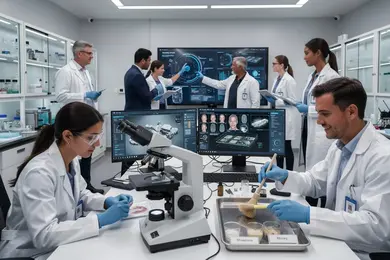
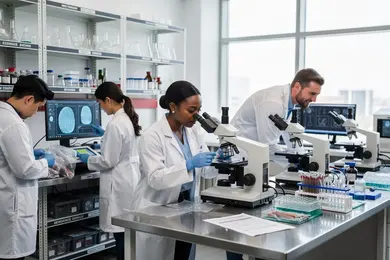
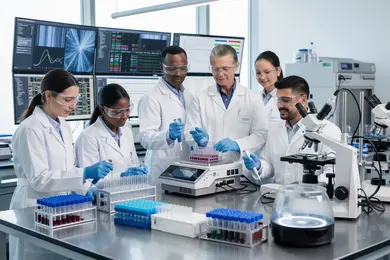
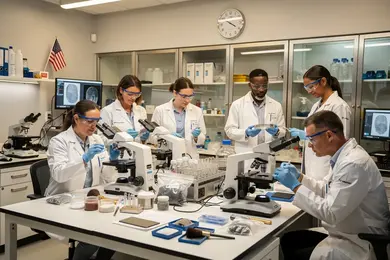
Training in instrumentation-including gas and liquid chromatography, spectrometry, and microscopy-is non-negotiable for graduates aiming at immediate workplace competency. Coursework in forensic statistics and data interpretation hones skills vital for expert testimony, while ethics and regulatory standards prepare students for the demands of licensure and recertification. This blend reflects occupational expectations where scientific accuracy and legal procedure intersect.
Biological scientists tied to forensic science can expect a median annual salary near $98,920, but prospective students should balance this with the time and technical rigor required to acquire proficiency. For working professionals weighing educational options, grasping this balance guides program selection and career pivoting decisions more effectively than generic program descriptions.
For those exploring pathways that maintain a solid foundation in STEM while advancing forensic competencies, consider how this degree compares with broader options such as the computer science bachelor degree online, which may offer alternative routes to similar analytical roles in forensic technology sectors.
What admissions requirements do online forensic science programs have?
Entry into online forensic science programs in 2026 demands more than just a high school diploma for undergraduate candidates; programs prioritize applicants with some college credits or associate degrees due to curriculum complexity. Bachelor's degree hopefuls must demonstrate prior coursework in biology, chemistry, or mathematics, with minimum GPAs typically between 2.5 and 3.0, reflecting the technical rigor of the field. Graduate programs require a completed bachelor's, often in forensic science or related disciplines, with a GPA threshold around 3.0 alongside supporting materials such as transcripts, letters of recommendation, and statements of purpose. Practical work experience in crime labs or law enforcement can be a decisive factor, notably for master's applicants targeting roles requiring technical investigative expertise.
Applicants from non-science backgrounds face a steeper timeline due to prerequisite requirements, which, while slowing entry, are seldom waived because employers prioritize accuracy and competence. This extension of study time can affect working professionals balancing training costs and job commitments. Additionally, secure internet access and compatible software are often prerequisites to engage in digital crime scene analysis modules, creating logistical barriers for some candidates.
For those aiming at federal or state forensic labs, degrees must come from accredited programs aligning with established competencies. Failing to meet these can delay workforce entry, emphasizing the need for strategic planning when pivoting careers into forensic science. Public universities often lead access to affordable prerequisites compared to private institutions, shaping the landscape of educational opportunity in this field.
How long does an online forensic science degree take?
The standard four-to-five-year timeline for online forensic science degrees aligns with employer expectations for thorough technical training. This duration is necessary not only to complete credit hours but to develop practical expertise in crime scene analysis, evidence handling, toxicology, and legal procedures-skills that virtual labs and asynchronous components aim to replicate.
Employers, particularly in government agencies and private forensic labs, prioritize candidates who have undergone education comparable to rigorous in-person programs. For example, forensic analysts dealing with court-admissible evidence require multi-year foundational knowledge to reduce errors and maintain procedural integrity. Accelerated degree paths may expedite graduation but often sacrifice depth, limiting competitiveness for federal or specialized consulting roles that demand nuanced technical proficiency.
Students balancing full-time employment face real scheduling challenges, as compressing program length can impede skill mastery. Choosing programs with flexible pacing helps, but reduced hands-on experience risks employability in complex investigative roles. Practical decision points include:
- Whether faster completion outweighs the risk of insufficient applied training
- How well virtual or remote labs substitute real-world internships or fieldwork
- The long-term impact on job prospects in rigorous forensic environments
Ultimately, maintaining the typical four-to-five-year duration reflects the field's demand for technically competent graduates prepared for the exacting standards of forensic investigation work.
How much do online forensic science degrees cost?
Choosing an online forensic science degree involves balancing tuition costs with realistic career outcomes and hidden expenses often overlooked upfront. Public universities charge roughly $300 to $600 per credit hour, while private options may exceed $1,200, placing full undergraduate programs between $15,000 and $50,000. Graduate programs start near $20,000 and can surpass $70,000 in total tuition.
Beyond tuition, students should plan for accreditation fees, specialized digital lab software, proctored exam costs, and potential travel for internships or practicums-elements that can add significant annual expenses. This complexity impacts full-time students who might forgo income or working professionals juggling extended study timelines.
Online forensic science graduates report median earnings close to $90,000, a figure that ties directly to technical roles in law enforcement and private labs where practical certifications and state licensing may be required post-degree. These certification requirements often involve further financial and time commitments.
Prospective students should:
- Request detailed program cost breakdowns including ancillary fees
- Confirm transfer credit policies to avoid redundancy
- Investigate employer tuition assistance or discipline-specific scholarships
What jobs can you get with a forensic science degree?
Employment prospects for graduates with a forensic science degree depend heavily on specialization and tangible skills that meet employer needs in distinct subfields such as drug chemistry, toxicology, and digital forensics. For example, a forensic toxicologist trained in medical examiner protocols can fill targeted roles in pharmaceutical or public health investigations, while digital forensics experts serve critical functions in cybersecurity teams and law enforcement cyber units.
The job market distinctly rewards candidates who demonstrate operational proficiency with analytical instruments, data interpretation, and strict evidence handling procedures. There is a marked divide between lab-based roles requiring meticulous technical work and investigative positions emphasizing field evidence collection and chain-of-custody rigor. These differences should guide students in selecting programs aligned with their intended work environments.
Workforce data projects an 8% growth in specialized forensic technologist roles through the late 2020s, but salary disparities remain significant. Laboratory chemists generally earn more than crime scene technicians, underlining the strategic importance of honing niche technical expertise.
Certification and hands-on experience are not optional; they often dictate employability. Graduates lacking internship or agency collaboration experience face greater challenges transitioning academic knowledge into field-ready skills. Online forensic programs that embed practical fieldwork signal stronger market alignment but require prospective students to carefully assess how these offerings translate into employment outcomes.
How much do forensic science jobs pay in the United States?
Salary ranges in forensic science roles reflect a nuanced interplay between specialization, location, and employer type rather than mere job titles. Entry-level forensic technicians start around $55,000 annually, but those with advanced competencies-such as DNA analysis or digital forensics-can command salaries nearing or exceeding $90,000, particularly within federal or specialized investigative agencies.
Geographic location strongly influences earning potential. Urban hubs with federal or state crime labs offer wages at the upper spectrum, while rural or local departments tend to remain near minimum thresholds. This geographic variance underscores the importance of practical considerations like certification, experience, and graduate-level education, which collectively shape compensation and eligibility.
Given the labor market's appetite for specificity, forensic science programs that include focused concentrations-such as crime scene investigation or investigative forensics-align more closely with employer expectations. Graduates equipped with targeted technical skills typically experience shorter job searches and improved salary offers compared to general forensic degrees that risk oversaturating one's profile for market demands.
- Specialized certifications in latent print analysis or digital forensics significantly enhance upward mobility.
- Federal positions usually require advanced credentials and offer higher pay than local agencies.
- Tuition investments should be weighed against these differentiated salary prospects and hiring realities.
For individuals considering this pathway, aligning educational choices with clearly defined forensic discipline concentrations maximizes labor market relevance and financial returns.
What certifications help forensic science graduates advance?
Professional certifications strongly influence employability and role specialization in forensic science, often determining access to advanced responsibilities and pay scales. Certifications from bodies such as the American Board of Criminalistics (ABC) or the International Association for Identification (IAI) require candidates to combine documented field experience with successful exam completion, illustrating a practitioner's ability to handle complex evidence and evolving forensic technologies.
For instance, a forensic biologist working in a state crime lab benefits significantly from ABC certification in DNA analysis, which validates proficiency critical for interpreting advanced genetic data. Similarly, roles addressing cybercrime evidence increasingly mandate certifications from organizations like the International Association of Computer Investigative Specialists (IACIS), reflecting the distinct skill set needed beyond traditional forensic training.
Employers expect ongoing technical competence, which means maintaining certifications through continuing education. Students and professionals must weigh the immediate benefits of certification against the costs and time commitments involved, considering factors such as renewal expenses and how each credential aligns with their targeted forensic subfield.
Key considerations include:
- Trade-offs between on-the-job learning and certification exam preparation
- Costs and frequency of required renewals
- Specialization relevance-biological, digital, or crime scene-focused credentials
Acquiring the right combination of certifications, tailored to specific forensic niches, ultimately shapes career trajectories by meeting employer preferences for verified, current expertise in increasingly interdisciplinary investigations.
Other Things You Should Know About Forensic Science
Yes, if the program is regionally accredited and includes laboratory work, employers usually accept it for technical investigation roles. Many roles also expect coursework in evidence handling, criminal procedure, and digital or trace analysis, plus internships or supervised field experience before hiring.
Focus on programs with strong connections to law enforcement or forensic labs that integrate experiential learning with theory. Research the outcomes of graduates concerning job placement rates and advanced roles, as employer networks and internship opportunities critically impact career mobility. Programs with advisory boards including forensic science professionals provide curriculum relevance and can enhance marketability compared to purely academic offerings.
Not all online degrees offer specialized tracks in areas like digital forensics or toxicology, which are highly valued in technical investigation careers. If targeting a niche, select programs that allow concentration options or advanced electives and real-world project work aligned with those specialties. Without this focus, degree holders may face limitations in competing for highly technical positions that require deeper expertise beyond general forensic science knowledge.
In 2027, top online forensic science degree programs for technical investigation careers include those from prominent institutions like the University of Florida, Arizona State University, and the University of Maryland Global Campus. These programs offer specialized curricula that can enhance skills in crime scene analysis, digital forensics, and technical investigation.
References
- Compare Forensic Scientist Schools & Training Programs https://www.criminaljusticeprograms.com/specialty/forensic-science-degrees/
- Master of Science Degrees and Advanced Certifications https://www.cfsre.org/education/advanced-degrees-and-certifications
- Forensic Science Certificate Courses in India | Scope & Course Details https://emversity.com/blog/allied-healthcare/forensic-science-certificate-courses-scope-salary-course-details
- Forensic Scientist Salary: State-by-State Median Guide https://www.allcriminaljusticeschools.com/forensics/salary/
- Forensic Scientist - Degrees, Certifications, Career & Salary https://www.forensicscolleges.com/careers/forensic-scientist
- Forensic Science Education Programs Accreditation Commission https://www.aafs.org/FEPAC
- Forensic Scientist https://www.ncchomelearning.co.uk/career-courses/forensic-science/
- Looking for a Career in Forensic Science and Criminalistics? https://eufor.eu/news/
- Online Forensic Science Degree https://www.aiuniv.edu/degrees/criminal-justice/bachelors-forensic-science