2027 Best Online Forensic Science Degrees for Firearms and Trace Evidence Careers

Co-Founder and Chief Data Scientist
Analyzing trace evidence and firearms marks requires precision under intense time constraints, where misinterpretation can derail investigations or court outcomes. Professionals seeking to specialize in these niches face a dual challenge: acquiring highly technical skills while balancing shifting workloads or geographic relocation.
The Bureau of Labor Statistics reports a steady 11% growth in demand for forensic science technicians through 2032, emphasizing accelerated recruitment but also necessitating rapid, affordable upskilling options. Meanwhile, National Center for Education Statistics data reveals a 30% rise in adult enrollment in online forensic programs since 2022, driven by career shifters prioritizing program flexibility. This article evaluates the best online forensic science degrees focused on firearms and trace evidence, guiding readers to navigate program features aligned with real-world demands and career mobility.
Key Things You Should Know
- Specialized degrees in firearms and trace evidence have 25% higher job placement rates within forensic labs, yet limited program availability forces some candidates to compromise on curriculum depth according to the Bureau of Labor Statistics 2024 data.
- Employers prioritize accreditation and hands-on lab experience over pure academic prestige, meaning programs lacking updated ballistic and trace coursework hamper candidates' competitiveness in a market with 8% annual growth in forensic technician roles.
- Rising tuition inflation outpaces federal aid growth by 12% annually, so accelerated or hybrid formats reduce time-to-employment but may restrict access to comprehensive in-person training essential for technical proficiency in trace analysis.
What is an online forensic science degree focused on firearms and trace evidence?
The value of online forensic science degree programs focused on firearms analysis depends heavily on how effectively they integrate practical skills with theoretical knowledge. Candidates must demonstrate proficiency in operating advanced forensic instrumentation and adhering to strict chain of custody procedures to meet employer standards. Graduates lacking supervised lab experience often face hiring disadvantages, as technical competency is non-negotiable in forensic firearm analysis roles.
Curricula typically blend chemistry, biology, criminal law, and specialized courses in ballistics and trace chemical analysis. Still, students pursuing trace evidence forensic science education and career paths should critically assess program requirements for internships or practicum partnerships with accredited forensic laboratories to avoid gaps in hands-on expertise.
The U.S. Bureau of Labor Statistics projects a 13% increase in employment for forensic science technicians through 2032, partly driven by complex criminal cases requiring advanced firearms and trace evidence evaluation. However, those entering the field must also navigate rigorous certification frameworks and continuously update their skills to stay relevant as forensic technologies evolve.
Hiring managers often prioritize candidates whose online degrees include practicum experiences aligned with state or federal forensic lab standards. Without these, graduates risk limited career mobility despite holding academic credentials. Prospective students aiming to pivot strategically should explore program alignment with workforce expectations before enrollment and may find comparative insights in forensic psychology master's programs online.
How do online forensic science programs compare to campus programs for firearms analysis?
Online forensic science degrees for firearms analysis provide theoretical knowledge comparable to campus programs but impose notable challenges in acquiring essential hands-on skills. Firearms and trace evidence expertise demands direct interaction with weapons, ammunition, and microscopic residue analysis-experiences difficult to replicate remotely. Many online programs attempt to bridge this gap by mandating internships or local partnerships with law enforcement; however, prospective students often face logistical hurdles securing these placements, which can delay program completion and complicate professional timing, especially for working adults or those in regions without accessible forensic labs.
Campus vs online forensic science programs for trace evidence heavily favor in-person formats for practical skill development. Campus programs offer structured access to specialized forensic equipment and experienced mentors, accelerating competency in ballistic comparison and trace evidence identification. Employers prioritize candidates demonstrating verified lab proficiency and familiarity with forensic instrumentation. With a median annual wage of $64,940 for forensic science technicians in May 2024, the market rewards candidates who bring hands-on experience beyond theoretical understanding. Graduates from online-only programs often require additional supervised training or certifications to meet rigorous employer standards.
Decision-makers should consider these trade-offs:
- Online programs offer flexibility and accessibility but require proactive efforts to secure critical practical experience.
- Campus programs deliver immediate, immersive training environments essential for mastering firearms analysis techniques.
- The competitive job market places premium value on proven technical skills obtained through structured lab work over purely academic study.
While online pathways remain viable for some, they demand deliberate planning for internships and supplemental training to align with workforce expectations in firearms-focused forensic science careers. Prospective students seeking comprehensive preparation might explore advanced opportunities like online doctorate data science to complement forensic expertise or broaden analytical capabilities relevant to complex investigations.
What accreditation should online forensic science degrees have for forensic lab careers?
Employers in state and federal crime labs heavily weigh regional accreditation paired with Forensic Science Education Programs Accreditation Commission (FEPAC) approval when hiring for forensic lab jobs. Programs lacking FEPAC accreditation typically fail to provide the technical rigor and controlled lab environments necessary for roles specializing in firearms and trace evidence. For example, a candidate analyzing gunshot residue must have completed precise chain-of-custody protocols and hands-on lab practicum, without which both employment and subsequent certification can become significantly more difficult.
Prospective students assessing online forensic science degree accreditation for forensic lab jobs need to confirm programs include robust, supervised internships. Coursework alone, even when regionally accredited, often falls short of practical workforce requirements. This dual emphasis ensures students acquire forensic-specific competencies demanded by employers and avoids credential inflation that hinders long-term career viability in forensic specialties.
Programs recognized as the best accredited forensic science programs for firearms and trace evidence careers align curriculum with industry benchmarks validated by forensic boards and professional societies. This alignment influences access not only to jobs but also to federal grants and competitive forensic certification exams critical for advancing in the field.
Given the extensive options listed on Forensicscienceonline.org's 2025 guide, careful scrutiny is essential. For a broader perspective on degree costs and categories, see online bachelors in animal science.
Which online degree pathways lead to firearms examiner and trace evidence analyst roles?
Online forensic science degree programs for firearms examiners must deliver more than theoretical content to meet real-world expectations. Firearms examiner and trace evidence analyst roles depend heavily on hands-on competencies, best attained through labs, internships, or supervised fieldwork integrated within bachelor's or master's forensic science curricula. Programs lacking these experiential components impose significant barriers, as accreditation and employer standards require proficiency with ballistics databases, microscopes, and chemical analyses.
Deciding to pursue a trace evidence analyst online degree pathway without access to practical training risks prolonged job placement and skill gaps. For example, a student enrolled in a theoretical program without partnerships offering ballistic casework study or forensic ballistics expert interaction may struggle to meet technical hiring prerequisites mandated by federal and state crime labs.
Given the volume of offerings-255 forensic science degrees reported by Educations.com in 2025-students must rigorously vet programs for comprehensive lab simulations and supervised externships. Working professionals pivoting careers should scrutinize how programs balance online coursework with instrumental training to avoid setbacks. Those seeking an accelerated transition might compare options like an accelerated exercise science degree online for insight into program pacing and practical integration, despite the field difference.
What coursework and lab experiences are required in firearms and trace evidence programs?
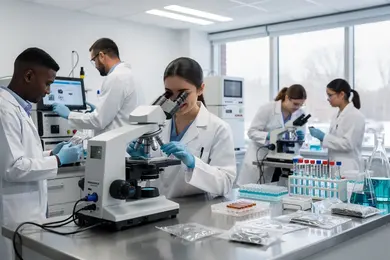
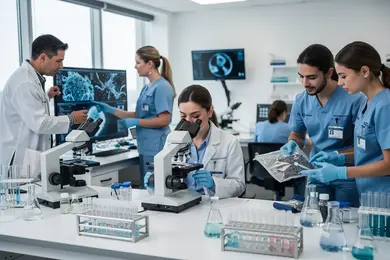
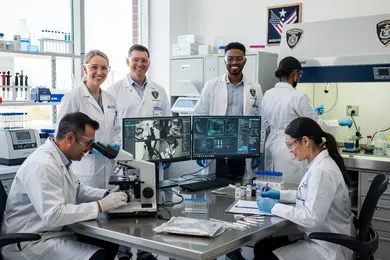
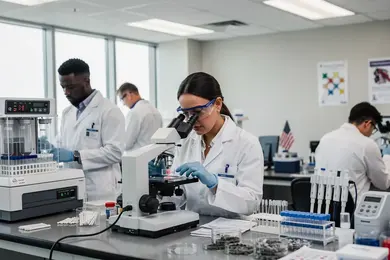
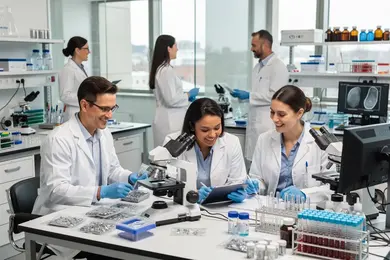
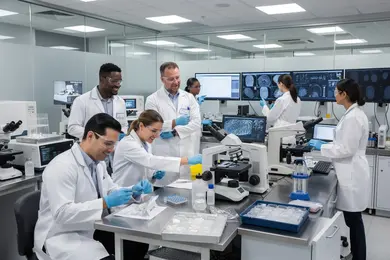
Competency in firearms and trace evidence analysis demands immersive, hands-on training combined with specialized theoretical coursework that aligns tightly with employer expectations in forensic laboratories. Mastery extends beyond ballistics physics-internal, external, and terminal-to include nuanced skill sets such as toolmark identification, fiber and hair examination, and microscopic debris analysis. This integrated approach enables forensic practitioners to reliably reconstruct shooting incidents and associate specific ammunition with weapons.
Practical laboratory exposure is indispensable. Programs allocating at least 25% of time to supervised lab work, including operating traditional and digital microscopes and ballistic imaging systems, better prepare candidates for the evidentiary rigor they will encounter. For instance, Towson University dedicates over 120 contact hours to controlled range exercises and forensic light source usage, simulating real casework and reinforcing protocol adherence, notably chain-of-custody procedures.
From an employment perspective, graduates lacking adequate hands-on training often face slower job placement and lower starting salaries. Employers value those who can integrate technical analysis with forensic reporting and courtroom testimony preparation under strict evidentiary guidelines. Candidates emerging from programs emphasizing practical skills acquisition exhibit superior adaptability in high-pressure forensic environments and heightened readiness to meet accreditation requirements.
- Core coursework topics: firearm mechanics, ballistics, toolmark and trace evidence identification
- Critical lab competencies: microscopy, ballistic imaging, evidence handling protocols
- Workforce implications: hands-on training correlates with faster employment and better entry-level compensation
What are typical admission requirements for online forensic science bachelor's and master's degrees?
Applicants aiming for online forensic science degrees must navigate admission standards that directly affect their career feasibility and mobility. For bachelor's programs, holding a high school diploma with a GPA near 2.5 to 3.0, along with foundational courses in biology, chemistry, and math, is critical to building technical competence in firearms and trace evidence analysis. Bachelor's candidates who overlook these prerequisites risk delays in gaining necessary scientific skills.
Master's candidates must typically hold a bachelor's in forensic science or a related science discipline, often maintaining a minimum 3.0 GPA. Programs demand evidence of quantitative aptitude and sometimes relevant forensic or laboratory experience. GRE requirements are becoming optional but candidates must submit focused statements of purpose and professional references to demonstrate alignment with specialized fields like trace evidence.
Technically, the inherent challenge in online forensic science education lies in fulfilling lab-based skill requirements. Students must either have access to specialized equipment or rely on regional partnerships-this geographic dependency limits flexibility and can hinder timely skill validation. Employers prioritize documented hands-on experience alongside theoretical knowledge; insufficient preparation or unmet prerequisites commonly delay workforce entry or advancement.
- Science coursework prerequisites serve as gatekeepers for competency in handling forensic materials.
- Experience verification and technical skill demonstration remain non-negotiable for employer hiring confidence.
- Accessibility to lab components in online programs represents a practical barrier affecting career pacing and location choice.
How long do online forensic science degrees take and what do they cost?
Online forensic science education timelines and costs vary significantly, influencing candidate readiness and ROI depending on career goals. Bachelor's programs typically require around 120 semester credits, commonly completed part-time in roughly three years, balancing work and study for professionals aiming at comprehensive foundational knowledge.
For targeted skill acquisition, graduate certificates-such as those demanding 15 credits-offer accelerated pathways under one year, appealing to career pivoters prioritizing specialized expertise with controlled financial and time investments. These certificates generally cost between $8,000 and $15,000, while bachelor's degrees exceed $40,000 at accredited institutions.
Employers in niche forensic domains like firearms and trace evidence emphasize applied skills and certifications over total credit hours, positioning shorter, focused programs as strategically advantageous for those already holding degrees. Conversely, entry-level positions often require broader academic preparation, thus entailing longer program commitments and delayed labor market entry.
Prospective students should account for hidden expenses such as lab fees and software licenses, which can inflate costs by 10-20%. Additionally, balancing accelerated or part-time study alongside employment affects both completion pace and immediate applicability of skills.
- Graduate certificates provide specialized training for immediate skill application.
- Bachelor's degrees deliver broader, foundational knowledge for entry-level roles.
- Cost variability and hidden fees impact true investment and ROI.
- Employer preference favors practical certification combined with formal education.
Federal employment data underscores the value of integrated educational and credentialing pathways, reflecting workforce demands for demonstrable mastery beyond credit accumulation.
What certifications or professional standards apply to firearms and trace evidence specialists?
Professional certification remains a decisive factor for firearms and trace evidence specialists seeking roles with federal entities such as the FBI or ATF. Credentials like the International Association for Identification (IAI) Certified Firearms Examiner (CFE) and the IAI Certified Crime Scene Analyst (CSA) or American Board of Criminalistics (ABC) Certification with trace evidence focus, serve as validated proof of technical competence and courtroom readiness. Without these certifications, candidates often face restricted job prospects, confined to technician-level positions lacking substantive forensic responsibilities or testimony roles.
These certifications require rigorous prerequisites: documented professional experience, a comprehensive written examination, and ongoing demonstration of proficiency through case involvement or continuing education. This process extends over multiple years, demanding strategic planning of education, internships, and practical exposure. Candidates emerging from bachelor's programs-often with 180+ credits as indicated by the Association of University Institutions' Assessment of Undergraduate Intensity-must recognize that academic preparation alone does not guarantee employability without these certifications.
Employer mandates, reinforced by accreditation standards such as the American Society of Crime Laboratory Directors/Laboratory Accreditation Board (ASCLD/LAB), underscore the necessity of chain-of-custody rigor and methodological exactness. Practical workforce outcomes hinge on meeting these standards; thus, the decision to invest time and resources in certification pathways presents a clear tradeoff between immediate employability and long-term forensic career viability.
What are the salary ranges and benefits for firearms and trace evidence careers?
Salary trajectories for firearms and trace evidence specialists hinge heavily on employer type, geographic region, and credentials, with compensation spanning roughly $50,000 to $85,000 annually. Entry-level roles at state or local crime labs typically start near $50,000, but federal agencies and specialized private firms often offer salaries exceeding $80,000 for candidates demonstrating advanced forensic expertise. This disparity reflects not only regional cost-of-living but also the rigor of technical skill sets and certifications demanded by employers.
Key workforce considerations extend beyond base salary, involving benefits like healthcare, retirement, and overtime eligibility-often more generous within government positions. Moreover, certain agencies provide tuition reimbursement, recognizing continual education as essential due to the rapid evolution of trace evidence methodologies.
Professionals face tradeoffs: metropolitan settings may pay more yet involve intense competition and case backlogs that compromise work-life balance, whereas smaller jurisdictions might offer slower progression and lower pay but increased direct laboratory engagement. Long-term job security correlates strongly with certifications, such as accreditation from a FEPAC-recognized Forensic Science bachelor's program, which signals validated training and enhances upward mobility.
For individuals weighing a career shift or advancement, priorities should include obtaining formal credentials combined with hands-on experience, as lacking these can stagnate wages and impede growth in a field that increasingly values specialized skills like gunshot residue analysis.
How is the job outlook for firearms examiners and trace evidence analysts in the U.S.?
The employment outlook for firearms examiners and trace evidence analysts shows a steady 8% growth through 2032, matching the broader forensic science technician field, but with distinct regional and funding disparities influencing opportunities. Federal roles typically require extensive experience and advanced degrees, creating a bottleneck for newcomers, while state and local labs often provide more accessible entry points despite relatively slower salary progression.
Applicants benefit from targeted educational paths like Miami Dade College's crime scene technology associate degree, which emphasizes applied skills and familiarity with forensic instruments-an advantage when competing for positions focused on reducing case backlogs.
Key practical considerations include:
- The necessity for certification from bodies such as the American Board of Criminalistics to stand out in competitive hiring
- The requirement to communicate technical findings clearly in court and law enforcement settings, blending scientific precision with effective report-writing and testimony
- Workload variability and overtime expectations, impacting work-life balance and necessitating realistic awareness of job demands
Long-term career trajectories depend on balancing immediate job availability against professional growth potential. Real-world scenarios often involve interdisciplinary collaboration, underscoring the value of continuous training to adapt to evolving forensic technologies and protocols. Strategic internship choices further improve employment transitions and alignment with regional forensic workforce needs.
Other Things You Should Know About Forensic Science
Online programs with synchronous labs or hybrid formats produce better preparation for technical roles compared to fully asynchronous coursework, which may have limited practice opportunities. Programs should be evaluated for how they deliver experiential learning, since employers in firearms and trace evidence prioritize candidates with proven hands-on skills. Prioritize programs that mandate real-time interaction with equipment, even if it requires occasional travel.
Early specialization can limit exposure to broader forensic science disciplines, which reduces flexibility for shifting career paths if job market conditions change. However, it can deepen technical skills valued by employers in firearms and trace evidence roles. Choose early specialization only if the program ensures comprehensive foundational science training alongside focused electives; otherwise, a more general forensic science degree with later specialization is recommended.
Most online programs require a home computer, stable internet, and access to a webcam for proctored exams. Firearms and trace evidence courses often include virtual labs, but some schools also require an approved local lab, a separate microscope, or a mailed evidence-kit simulation for skills practice.
References
- Forensic Science https://www.trine.edu/academics/majors-degrees/undergraduate/bs-forensic-science/index.aspx
- Forensic Scientist Salary: State-by-State Median Guide https://www.allcriminaljusticeschools.com/forensics/salary/
- Analyst Certification Information - Forensic Resources https://forensicresources.org/2019/analyst-certification-information/
- The Forensic Science Jobs You Can Pursue with Qualifications https://www.stonebridge.uk.com/blog/distance-learning/the-forensic-science-jobs-you-can-pursue-with-qualifications/
- Careers in Forensics and STEM https://www.atf.gov/careers/careers-forensics-and-stem
- The Importance of Structured Training for Forensic Professionals https://www.forensics360.com/post/maintaining-competence-in-crime-scene-investigations
- Online Forensic Science Degree https://www.aiuniv.edu/degrees/criminal-justice/bachelors-forensic-science
- Forensic Science Careers UK Requirements: Complete Guide to Professional Entry and Advancement https://pathologylabtraining.co.uk/biomedical-sciences/forensic-science-careers-uk-requirements
- Guide To Forensic Science Careers | LearnHowtoBecome.org https://www.learnhowtobecome.org/career-resource-center/forensic-science-careers/
- Forensic Science https://icieducation.com/courses/law-justice/forensics/