2027 Forensic Science Roles Growing Fastest in Digital and DNA Evidence

Co-Founder and Chief Data Scientist
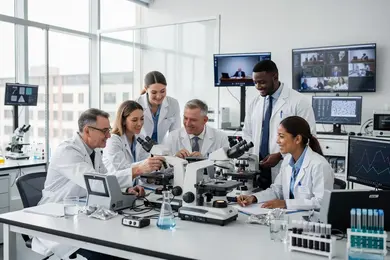
Forensic science professionals increasingly grapple with processing sprawling digital datasets and complex DNA evidence amid rapid case backlogs and mounting legal scrutiny. Demand for specialists who can swiftly interpret this data for court admissibility has surged by over 15% annually, according to the U. S. Bureau of Labor Statistics, reflecting a workforce stretching to keep pace with evolving technology and investigative standards. Simultaneously, expanding online program options have begun reshaping enrollment patterns, as adult learners prioritize flexible pathways that align with career shifts without compromising rigorous, hands-on skill acquisition. This article examines which forensic science roles are growing fastest in digital and DNA evidence processing and evaluates how educational strategies can best prepare candidates for these high-demand specialties.
Key Things You Should Know
- Digital forensic roles are projected to grow 28% by 2028 per the US Bureau of Labor Statistics, pressuring employers to prioritize candidates with both cybersecurity certifications and hands-on evidence recovery skills.
- DNA evidence specialization demands 2-3 additional years of postgraduate training, increasing educational costs and delaying workforce entry, challenging applicants balancing financing and timely career advancement.
- State and federal agencies report a 35% vacancy surge in forensic analyst positions driven by technological skill gaps, intensifying competition and forcing recruiters to weigh advanced specialization versus broad forensic competencies.
What forensic science roles are growing fastest in digital and DNA evidence today?
Employment for forensic science technicians with expertise in digital and DNA evidence is projected to grow by 13% from 2024 to 2034, outpacing average occupational growth. This trend is driven by the increasing complexity of digital devices and genetic data requiring specialized analysis. Digital forensic analyst jobs in the United States demand not only technical fluency with encrypted files, cybersecurity threats, and forensic software but also the ability to manage evidence chains under legal scrutiny and tight deadlines.
Roles focusing on DNA evidence have expanded, reflecting the intensified reliance on genetic identification in both convicting the guilty and exonerating the innocent. Professionals in these positions must navigate stringent laboratory protocols and certification requirements to meet the evolving standards of forensic genetics.
Practically, candidates combining backgrounds in forensic science, biology, computer science, and criminal justice are preferred due to the multidisciplinary challenges and volume of data handled daily. Internships or cooperative education remain critical for acquiring the applied skills necessary to balance technical tasks, administrative work, and high-pressure decision-making affecting case outcomes.
Those exploring this field should also consider formal education options carefully. For instance, forensic psychology master's programs online can complement technical roles by enhancing investigative and behavioral analysis skills, broadening employment prospects within the forensic science ecosystem.
What does a digital and DNA forensic scientist do in typical U.S. workplaces?
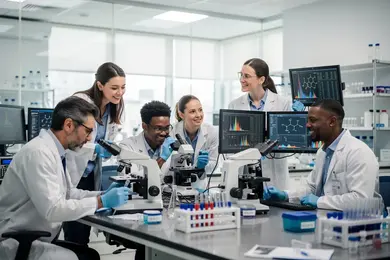
Employers seeking digital and DNA forensic scientists expect deep technical proficiency paired with strict legal and procedural compliance, shaping the typical workplace duties of forensic science experts handling digital and DNA evidence in the United States. Digital forensic scientists must recover deleted data, reconstruct user activity timelines, and manage encrypted or damaged files-all while maintaining an unbroken chain of custody.
For instance, linking suspects to cybercrimes often hinges on their ability to accurately decode fragmented or hidden digital traces under tight deadlines.
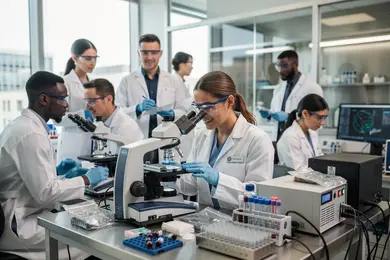
DNA forensic scientists handle roughly 60% of forensic casework, processing biological samples such as blood and saliva to identify individuals or establish relationships. This high volume demands rigorous precision and efficiency to avoid costly errors or investigation delays. Common challenges include preventing sample contamination and navigating backlogs, which can hinder timely reporting and legal outcomes.
Decision-making for candidates evaluating digital and DNA forensic scientist job responsibilities in the United States requires balancing rigorous detail orientation with demands for continual skill updates and certification. Coordinating with legal and law enforcement teams adds a complex interdisciplinary layer to the role.
Those assessing their path should also consider workforce realities such as growing case complexity and evolving technology. For individuals wondering how much do autopsy techs make, understanding forensic roles and their distinctive educational pathways can clarify long-term career implications within criminal justice and public safety sectors.
What degrees and training are required for careers in digital or DNA forensics?
Success in digital or DNA forensics hinges on a degree pathway closely aligned with employer expectations, not just theoretical knowledge. Forensic science roles in DNA analysis typically require backgrounds in biology, molecular genetics, or forensic biology with emphasis on lab protocols, genetic sequencing, and legal chain-of-custody processes.
In contrast, digital forensics demands a computer science or information technology foundation supplemented by practical skills in network security, data recovery, and forensic software tools like EnCase or FTK. Candidates targeting these fields must understand that advanced positions increasingly prioritize master's degrees or specialized certifications to validate technical mastery.
Employers place a premium on programs that integrate accredited internships or lab experiences linked to crime labs or law enforcement, as this practical exposure narrows the gap between academic training and the pressures of real-time forensic workflows. For example, forensic biologists at state crime labs often navigate an average DNA result turnaround of about 30 days, introducing operational challenges around accuracy and throughput.
Meanwhile, digital forensic professionals encounter rapidly evolving technologies requiring continuous post-degree upskilling, including cloud forensics and incident response simulations.
Key considerations include:
- Prioritizing programs with legal and courtroom evidence handling components.
- Developing scripting or programming skills to automate evidence processing tasks.
- Weighing the tradeoff between academic rigor and immediate field readiness.
Those assessing digital forensics degree requirements in the United States or exploring training and certifications for DNA evidence careers should also consider interdisciplinary options such as library science degrees online, which can enhance evidence management expertise within forensic contexts.
How do online forensic science programs compare to campus-based options for these roles?
Deciding between online forensic science degree programs versus campus-based options requires careful assessment of practical skill acquisition versus scheduling flexibility. Online programs offer theoretical knowledge but often rely on virtual simulations that fall short of replicating complex digital and DNA evidence handling. Campus programs provide direct exposure to forensic laboratories and supervised internships, essential for proficiency in evidence chain-of-custody and courtroom readiness.
A realistic example involves candidates aiming for federal digital forensics analyst roles, where hands-on experience with forensic imaging and data recovery tools is non-negotiable. Those pursuing a fully remote path must proactively secure externships or part-time forensic assignments to bridge this gap. Employers showing a marked preference for candidates with practical credentials place those with hybrid or campus-based experiential learning at a distinct advantage.
Considerations weighing on this decision include current employment, geographic constraints, and access to local internship resources. Online programs demand high self-direction and coordination to meet experiential requirements, while campus formats integrate these components but may require relocation or rigid schedules.
The sharp over 50% increase in digital forensic caseloads between 2018 and 2022 intensifies employer expectations for graduates with applied skills beyond theory. Students evaluating pathways should also explore options like a masters in library science online program to complement forensic data management expertise.
The comparison of digital and dna evidence training in forensic science education centers on striking a balance between practical readiness and flexible learning logistics essential for sustainable workforce entry.
Which forensic science specializations focus on digital evidence and DNA analysis?
Digital and biological forensic specializations present distinct operational challenges and workforce demands that shape educational pathways and career viability. Digital forensics professionals must handle encrypted data, volatile memory, and chain-of-custody protocols to maintain electronic evidence admissibility. Their roles often require a mix of IT security savvy and investigative skill sets, forcing candidates to prioritize certifications like the Certified Computer Examiner (CCE) to establish credibility.
Conversely, DNA analysts confront precision issues that directly impact justice outcomes. Errors in genetic profiling contribute significantly to wrongful convictions, with about 30% of overturned cases linked to misidentification issues reported by ZipDo Education Reports 2025.
In practice, this means DNA specialists must master contamination control and rigorous validation processes alongside bioinformatics to reduce false positives.
- Real-world scenarios often demand fast adaptation to evolving technology and evidence types.
- Certification requirements add time and financial commitments that can impede mid-career pivots.
- The growing overlap of IT and biology increases the complexity of forensic career trajectories.
Employers seek candidates who offer cross-disciplinary expertise as budget realities compel forensic staff to perform dual functions. This intersection of molecular biology with data science in DNA roles, or cybersecurity with investigation in digital forensics, raises the bar for continuous professional development.
What coursework and lab experiences prepare students for digital and DNA forensic careers?
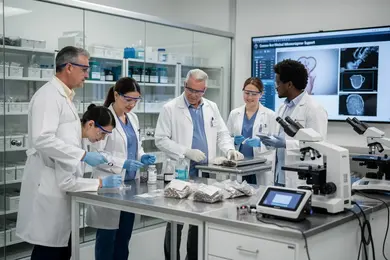
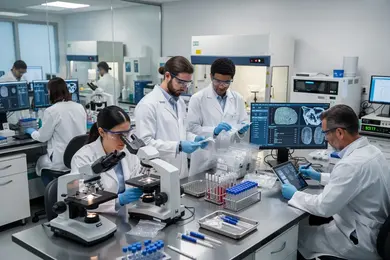
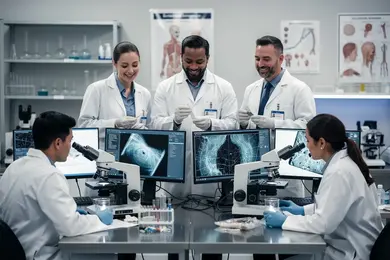
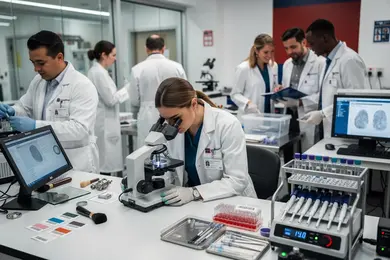
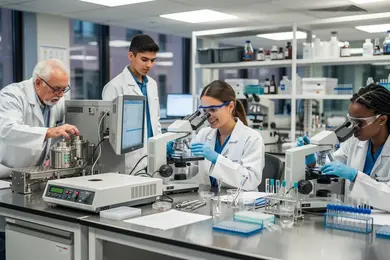
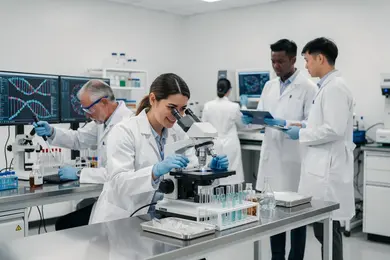
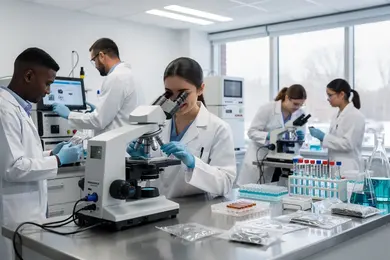
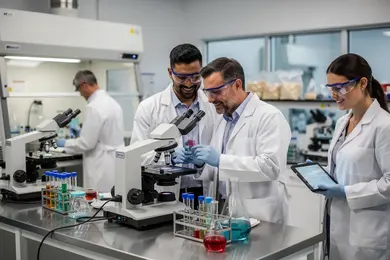
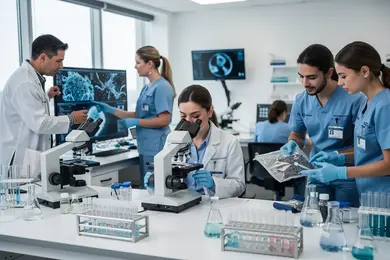
Practical competency in digital and DNA forensic science hinges on targeted coursework paired with scenario-driven lab experiences that test technical skill and procedural rigor. For example, laboratories that simulate contamination events or chain-of-custody breaches expose students to challenges critical in forensic casework. Employers expect graduates to handle complex biological evidence and digital artifacts with precision and legal defensibility.
In molecular biology and genetics, foundational classes must extend beyond theory, emphasizing DNA extraction, PCR, and electrophoresis under conditions mimicking real forensic settings. Such hands-on practice is essential for understanding mutation patterns and DNA profiling accuracy.
Digital forensics programs require deep engagement with computer science fundamentals like operating systems, networking, and data structures, alongside specialized courses in cybersecurity, ethical hacking, and data recovery.
- Integrating AI requires understanding its limits in anomaly detection within large DNA databases
- Combining theoretical knowledge with problem-solving labs addressing jurisdictional challenges improves adaptability
- Graduates capable of multitasking across digital and biological forensics fill growing employer needs for multidisciplinary skills
Lab simulations involving live incident response on compromised devices-including mobile and cloud platforms-reflect actual investigative workflows and employer expectations. The rise of AI-driven analysis tools, which can reduce case review times by up to 40% according to ZipDo Education Reports 2025, demands that students critically evaluate AI outputs rather than rely on automation alone.
How can students verify accreditation and program quality for forensic science degrees?
Accreditation quality directly impacts forensic science graduates' employability and certification prospects. Regional accreditation by agencies such as the Higher Learning Commission is a minimum standard, but programmatic accreditation by the Forensic Science Education Programs Accreditation Commission (FEPAC) carries distinct weight with employers and certification boards. Selecting a non-FEPAC program can hamper eligibility for certain analyst roles or delay professional certification.
Students should verify institutional and program accreditation through authoritative databases like the Council of Higher Education Accreditation and the NCES College Navigator. These tools clarify which programs are formally recognized, helping avoid degrees with limited market value.
Workforce alignment is another key factor. Programs with formal partnerships or articulation agreements involving law enforcement, crime labs, or judicial agencies provide critical hands-on experience.
For example, in digital forensics-a specialization with an anticipated $7.8 billion global market by 2027-relevant exposure to contemporary forensic software and internships linked to cybersecurity is essential to meet employer expectations and regulatory certification requirements.
- Verify regional and programmatic accreditation before enrollment.
- Prioritize programs with documented industry partnerships.
- Ensure curriculum includes supervised labs linked to current forensic technologies.
- Consult graduate success data as a measure of real-world program value.
Programs lacking supervised lab components or sufficient practical training often leave students underprepared for state or national licensure exams, creating barriers to entry-level employment or advancement.
Prospective students should also examine graduate employment and licensure pass rates where available, since these metrics provide tangible evidence of program effectiveness beyond accreditation status.
What are the average salaries and top-paying industries for digital and DNA forensic experts?
The forensic science labor market exposes clear salary stratifications linked to employer type, specialization, and required credentials. Law enforcement agencies dominate employment but typically offer average salaries near $70,000, with upward adjustments tied to agency size and niche roles like cybercrime units. In contrast, corporate cybersecurity and private investigation firms frequently pay digital forensic specialists more than $100,000 annually, driven by the urgent need for internal threat analysis and compliance audits.
Federal agency positions such as those within the FBI or DEA command starting salaries above $90,000 but demand advanced certifications and security clearances, complicating entry and progression. Biotechnology and pharmaceutical sectors employing DNA analysts offer $75,000 to $110,000 depending on precision demands and regulatory oversight.
Prospective forensic scientists must balance early-career salary constraints against long-term prospects, which often require sustained upskilling due to rapidly evolving digital technologies.
For example, moving from local law enforcement to federal roles is not a simple promotion but involves years of specialized training before salary improvements materialize.
- Salary bands correlate strongly with sector and role complexity
- Certification and practical experience heavily influence career mobility
- Continual education is imperative for maintaining relevancy amid technological shifts
Decision-making should emphasize accredited programs that provide hands-on experiences aligned with current technologies used in forensic applications, particularly within law enforcement standards. Practical exposure enhances employability and mitigates the competitive barriers inherent in this field.
What is the job outlook and demand for digital and DNA forensic professionals in the U.S.?
Employment for forensic science technicians specializing in digital and DNA analysis is set to expand about 17% from 2022 to 2032, surpassing average job growth due to the increasing complexity of cybercrime and next-generation DNA technologies. Candidates must navigate practical hurdles such as securing internships offering direct experience with forensic software and maintaining expertise in evolving protocols, including testimony and chain-of-custody management.
The growing integration of bioinformatics and advanced computing skills reflects employer demand for interdisciplinary expertise. For instance, digital forensic analysts often extract data from diverse devices and cloud environments under strict legal constraints, while DNA analysts incorporate sophisticated phenotyping techniques requiring advanced credentials.
- Rapid market growth tied to increased forensic technology investment and legal complexity
- Essential hands-on training and legal process knowledge to meet employer expectations
- Geographical concentration of roles demands strategic relocation decisions
- Competitive advantage linked to interdisciplinary forensic skillsets
Urban centers with major crime laboratories and federal agencies dominate job availability, forcing candidates to consider relocation against potential employment gains. Smaller jurisdictions with tighter budgets elevate competition, favoring professionals who combine digital and DNA forensic capabilities.
Which certifications, licenses, and professional standards matter most in digital and DNA forensics?
Employers in forensic science prioritize certifications that directly impact the integrity of evidence and investigative outcomes, such as the Certified Forensic Computer Examiner (CFCE), Certified Digital Forensics Examiner (CDFE), and American Board of Criminalistics (ABC) DNA certification. These credentials are not interchangeable; they reflect distinct specializations that align with different operational demands.
For instance, a digital forensics investigator handling cyber incursions or intellectual property theft will derive more value and employability from CFCE certification, which validates proficiency in computer and network-based investigations.
In contrast, DNA-focused roles require certification like the ABC forensic genetics credential, confirming a candidate's ability to manage complex biological samples under stringent chain-of-custody protocols, interpret allelic data accurately, and apply population genetics in criminal or disaster victim identification scenarios.
The divergence in skill sets means professionals must assess regional job markets and role-specific requirements before investing time and cost into certification.
- Digital forensics certification suits candidates focused on network log analysis and cybercrime investigation.
- DNA forensic certification is essential for laboratory analysts managing biological evidence with legal ramifications.
- Licenses enhance roles in jurisdictions with stricter regulatory frameworks or accreditation demands.
Licensing across forensic disciplines lacks uniform national standards; however, credentials endorsed by bodies such as the International Association for Identification or the American Board of Forensic Toxicology can improve employability where agency accreditation and regulatory compliance are critical.
Furthermore, maintaining these certifications involves ongoing education aligned with evolving research priorities set by institutions like NIST, illuminating a sector responsive to rapid technological and scientific developments.
Other Things You Should Know About Forensic Science
Forensic scientists in digital and DNA roles face significant time pressures managing heavy caseloads alongside the need for continuous training in evolving technologies. Employers expect professionals to maintain up-to-date skills without compromising case turnaround times, which often creates workload conflicts. Prioritizing programs with integrated practical training and employer partnerships can ease this tension by aligning education with on-the-job demands.
Specialized certifications enhance credibility and can improve hireability in niche roles, but they often require substantial time and financial investment without guaranteeing immediate job placement. Students should prioritize foundational skills and accredited degree programs that cover both digital and DNA methods before pursuing additional credentials. Employers generally value demonstrable, versatile expertise over multiple certifications when hiring entry-level professionals.
When choosing graduate programs focusing on digital and DNA forensics in 2027, students should consider faculty expertise, available technology, partnerships with law enforcement, hands-on training opportunities, and the alignment of the program with emerging trends and tech in the field.
Many employers look for vendor or professional certifications such as EnCE for digital evidence, GCFA for incident response, and ABFT or ASB-accredited DNA training for laboratory roles. In 2027, promotion often requires documented competency testing, courtroom testimony experience, and continuing education hours tied to ISO/IEC 17025 or lab accreditation standards.
References
- Forensic Science https://www.developingexperts.com/career-builder/1627
- University's Forensic Science Program Receives Accreditation for All Graduate Degrees https://www.forensicmag.com/597143-University-s-Forensic-Science-Program-Receives-Accreditation-for-All-Graduate-Degrees/
- Top 12 Highest Paying Forensic Jobs [2026] https://internshala.com/blog/highest-paying-forensic-jobs/
- The Rising Demand for Forensic Science Professionals: How to Get Started https://aligncareer.in/the-rising-demand-for-forensic-science-professionals-how-to-get-started/
- Best Computer Forensics Certifications in 2025 https://acecomputers.com/computer-forensics-certifications-2/
- DNA Analyst Salary & Career Outlook - Forensic DNA Specialist https://www.forensicscolleges.com/careers/dna-analyst
- How to Become a Computer Forensics Analyst | Cyberdegrees.org https://www.cyberdegrees.org/careers/computer-forensics/how-to-become/
- Forensics Careers | FBIJOBS https://fbijobs.gov/forensics
- Tips for Students Pursuing Careers in Forensic Science https://forensicstats.org/blog/tips-for-students-pursuing-careers-in-forensic-science
- Educational Requirements for Forensic Science: From Courses to Certification https://www.scuhs.edu/mshgg-article/educational-requirements-for-forensic-science-from-courses-to-certification/