2027 Best Forensic Science Degrees for Crime Scene and Evidence Careers

Co-Founder and Chief Data Scientist
Working professionals stepping into crime scene analysis face a critical hurdle: accessing accredited Forensic Science degrees that fit demanding schedules without sacrificing rigorous training. As the Bureau of Labor Statistics projects a 10% job growth in Forensic Science roles over the next decade, delayed or inefficient educational choices can stall entry into a competitive field. Meanwhile, a 2024 National Center for Education Statistics report shows a 17% rise in adult enrollment in online bachelor's programs, signaling a shift toward flexible learning but also varying program quality. This article evaluates top Forensic Science degrees optimized for crime scene and evidence careers, clarifying how each aligns with career goals and practical constraints.
Key Things You Should Know
- The integration of advanced DNA analytics widely surpasses traditional crime scene techniques, demanding degrees with strong biochemistry components; this tradeoff limits programs but increases graduate alignment with the 16% annual workforce growth in forensic biologists per the U.S. Bureau of Labor Statistics.
- Employers increasingly favor candidates from programs with accredited lab experiences, correlating with 30% higher hiring rates reported by the National Institute of Justice's 2025 forensic hiring study, reinforcing practical skill prioritization over theoretical breadth.
- Budget constraints and degree length inflate entry costs by up to 40%, per data from the National Center for Education Statistics 2024; thus, accelerated forensic science degrees yield faster ROI but narrow research specialization options, requiring strategic access decisions.
What is a forensic science degree and how does it prepare you for crime scene and evidence careers?
A forensic science degree programs for crime scene investigation careers are designed to equip students with specialized skills that extend beyond basic scientific knowledge. Graduates face the challenge of operating within forensic labs under pressure, where the balance between timely evidence processing and maintaining meticulous accuracy can impact both investigative outcomes and court proceedings. Practical training integrates biology, chemistry, toxicology, and criminalistics to meet complex legal standards for admissible evidence.
The degree's value lies in preparing students for evidence analysis jobs requiring extensive hands-on experience with techniques such as DNA and fingerprint analysis. A forensic analyst in a violent crime scenario applies molecular biology methods to link suspects to crime scenes, ensuring evidence withstands defense challenges in trials. Ethical documentation and chain of custody protocols are emphasized, recognizing their weight in judicial scrutiny.
Employers also prioritize familiarity with current forensic technology and software, often reducing on-the-job training time for graduates aligned with contemporary law enforcement needs. According to 2024 U.S. Bureau of Labor Statistics data cited by CrimeSceneInvestigatorEdu.org, bachelor's degree holders from top CSI and forensic science programs earn a national median salary of $67,440, signaling robust demand for technically proficient professionals.
Prospective students and professionals evaluating a strategic shift should consider how well potential programs align with workforce requirements and accreditation standards to ensure relevant skills acquisition and employability in a competitive market. For a detailed exploration of forensic science careers, visit forensic science careers.
Which types of forensic science degrees are best for starting or advancing your career?
Employer preference for forensic science degree programs for career advancement centers on specialized technical mastery and program accreditation. Broad forensic science degrees enable diverse entry points but often lack depth in niche areas such as toxicology or digital forensics, which are increasingly demanded in mid-career roles. For example, a crime scene professional aiming to pivot into forensic toxicology must confirm their program offers advanced biochemistry and pharmacology, as generic degrees rarely cover this practical expertise.
Degree accreditation by bodies like the Forensic Science Education Programs Accreditation Commission (FEPAC) significantly influences hiring outcomes and courtroom credibility. The rapid expansion to over 60 UK forensic science institutions, as noted in The Complete University Guide's 2027 league table, signals a competitive landscape that elevates minimum skill thresholds and employer expectations.
Practical integration with local crime labs or law enforcement agencies for internships remains critical for employability. Working professionals should evaluate whether their credentials meet certification standards set by entities such as the American Board of Criminalistics and include forensic quality assurance training to ensure upward mobility. Those weighing the best forensic science degrees for crime scene professionals must balance breadth against specialization to align with targeted career pathways.
Cost considerations and job market insights, including how much do autopsy techs make, are essential when assessing value and ROI. Practical decisions shape the trajectory from entry-level technician to advanced forensic analyst roles.
How do you choose an accredited forensic science program that employers and agencies will recognize?
Employers and federal agencies increasingly reject forensic science degrees lacking accreditation from authoritative bodies like the Forensic Science Education Programs Accreditation Commission (FEPAC). This accreditation, often paired with regional agency approval, verifies that program curricula enforce the professional competencies expected in crime scene investigation and evidence analysis roles. Without it, candidates-regardless of GPA or experience-frequently find themselves ineligible for key forensic science positions.
Practical skill acquisition through hands-on laboratory work and current forensic instrumentation training remains essential. For instance, forensic chemists employed by state labs must demonstrate proficiency with specialized equipment, a capability unachievable through purely theoretical programs. Students pursuing forensic science degrees accepted by law enforcement agencies benefit significantly from programs emphasizing experiential learning and solid internship or cooperative education arrangements, especially as online offerings grow. For distance learners, verification of genuine field exposure becomes an urgent concern.
The value proposition of forensic science programs correlates strongly with transparent graduate outcomes such as placement rates in forensic labs, law enforcement, or federal agencies. Lack of clear employment data signals possible misalignment with industry requirements. Additionally, aligning curricula with certification prerequisites from bodies like the American Board of Criminalistics ensures graduates are positioned for advancement rather than stalled by missed eligibility.
Those considering a strategic pivot or advancement should also weigh tuition against these measurable outcomes and program quality. For detailed comparisons in related fields, resources like the best exercise science degree online guide can offer helpful structural insights.
What are the key differences between online and campus-based forensic science degrees?
Choosing between online and campus-based forensic science degree programs involves weighing access to practical skills against flexibility. Campus-based degrees provide direct engagement with forensic tools and crime scene simulations, which remain essential for employers accustomed to hands-on proficiency. For instance, law enforcement agencies often prioritize candidates who have trained with real evidence analysis techniques-a practical advantage highlighted by the availability of 255 campus-based forensic science degrees worldwide as of 2025.
On the other hand, online forensic science degrees offer the benefit of accommodating working professionals, though they tend to rely heavily on virtual labs that may not fully replicate state certification demands or technical competencies needed in certain crime labs. Students pursuing online options must often take the initiative to secure external internships or fieldwork, affecting the speed and ease of entering the workforce. This limitation reflects a key difference between online and campus-based forensic science degree programs in terms of field readiness.
Employers emphasize accredited education with embedded practical experience, making campus programs advantageous for faster transition into forensic careers. Those balancing employment will find online degrees useful only if they plan deliberately for applied training and state-specific credentialing requirements. Decisions about geographic flexibility and timing are central to determining which option aligns better with career objectives.
For students still evaluating their pathway, understanding whether a particular program combines theoretical rigor with practical exposure can inform this strategic choice. In cases where comparative program value is unclear, reviewing if is a library science degree worth it provides a model for assessing program outcomes beyond academic branding.
What classes, labs, and specializations are typically included in a forensic science curriculum?
Forensic science education must balance foundational knowledge with hands-on application under employer-driven standards. Students encounter core subjects like criminalistics, toxicology, forensic biology, and chemistry, with rigorous lab components simulating real-world challenges such as DNA analysis or poison detection. Advanced study areas, including digital forensics and forensic entomology, require specialized technical skill development essential for workforce readiness.
Specialization areas, for instance forensic toxicology, demand proficiency with instruments like chromatographs and spectrometers to identify substances in biological samples, reflecting employer expectations in both public and private sectors. Crime scene processing training emphasizes strict adherence to evidence collection and chain-of-custody protocols, critical for legal defensibility.
Programs that integrate scenario-based labs - such as accident reconstruction or firearm comparisons - narrow the gap between theory and operational realities. Meeting accreditation standards, including those from the American Board of Criminalistics, signals program quality but should be weighed against practical costs.
Graduate tuition clustering between $16,000 and $19,000 reflects a nuanced tradeoff where higher investment often corresponds with current lab resources and specialization depth, factors impacting employability in a competitive field. Prospective students must assess whether program offerings align with projected labor market demands and technological trends to ensure viable career pivots or advancement.
What admission requirements and prior coursework do forensic science programs usually expect?
Meeting admission requirements for forensic science bachelor's programs demands more than academic competency; applicants must strategically navigate prerequisite coursework, ethical vetting, and realistic preparation for workforce demands. Core classes in biology, chemistry, physics, and algebra are essential to handle intricate lab techniques and evidence analysis. Many programs expect GPAs between 3.0 and 3.5, reflecting the intellectual rigor needed for scientific problem-solving under pressure.
Applicants without a strong science foundation often face the practical choice of completing prerequisite courses at community colleges to reduce initial setbacks and better position themselves for program success. Standardized test scores remain relevant in some admissions, though institutions increasingly prioritize subject-specific knowledge and hands-on experience-such as internships or volunteering in legal or forensic settings-that align more closely with employer expectations.
Background checks and ethical clearances set apart forensic science from many other disciplines, since professionals regularly access sensitive, legally protected information. Failure to satisfy these standards can eliminate candidates irrespective of academic achievement, underscoring a non-negotiable dimension of workforce readiness. PoliceOfficer.org's 2026 data shows that programs boasting over 90% job placement within six months of graduation reward this alignment of academic and legal preparedness.
Prospective students should weigh these admission complexities against the high employability rates and career stability evidenced in top-ranked forensic science programs. This pragmatism ensures that pursuing this path fits both immediate educational capacity and long-term workplace integration.
How long do forensic science degrees take, and what do they typically cost?
Choosing between an associate and a bachelor's degree in forensic science hinges on the balance between time investment, cost, and employment goals. Associate degrees, typically two years, provide a quicker, less expensive route for technical roles or as stepping stones to bachelor's programs. Bachelor's degrees demand four years of study but are often non-negotiable for positions such as crime scene investigators or evidence analysts, reflecting employer preference for broader scientific training.
In-state tuition averages around $12,000 annually at public institutions for both degree types, translating to roughly $24,000 for associate programs and $48,000 for bachelor's degrees, excluding additional expenses like fees, supplies, and the often-unpaid internships critical for practical experience. These hidden costs affect budgeting and timeline planning.
Employers favor bachelor's graduates for their depth of coursework, which typically improves employability and salary potential. However, associate holders can qualify for certain technician roles, especially where labs face staffing shortages, provided they supplement with hands-on training or certifications.
A realistic scenario: A working professional pursuing a forensic science career pivot might opt for an associate degree to enter the field sooner, accepting limited initial scope while planning eventual advancement through further education. This tradeoff illustrates how educational pathways align with immediate workforce needs versus long-term career resilience.
- Associate degrees offer faster entry and lower upfront cost but fewer job options.
- Bachelor's degrees require more time and money but yield better employment opportunities.
- Unpaid internships and materials significantly increase total program costs beyond tuition.
What forensic science careers can you pursue and what do professionals actually do?
Entering forensic science demands navigating variable workforce conditions that affect role specialization and resource access. For instance, a crime scene investigator in a metropolitan lab benefits from advanced technology and dedicated teams, while peers in rural settings often juggle multiple duties, increasing workload complexity and requiring broad expertise.
Core forensic disciplines-crime scene investigation, forensic toxicology, DNA analysis, digital forensics, and forensic pathology-each require specific technical proficiencies and operational knowledge. Crime scene investigators must meticulously maintain chain-of-custody protocols, essential for evidence integrity in court. Forensic toxicologists apply precise lab methods to identify poisons or drugs, grounded in pharmacology and chemistry. DNA analysts work with complex genetic datasets; errors here carry high legal stakes, demanding both technological skill and rigorous quality control.
Digital forensics specialists face rapidly evolving cybercrime, requiring ongoing computer science knowledge and adaptive strategies. Forensic pathologists integrate medical expertise with legal imperatives, frequently managing sensitive interactions with families and law enforcement.
Educational pathways often start with a bachelor's degree in forensic science or related fields. However, competition for federal or specialized roles increasingly necessitates master's degrees or certifications. The 2026 Niche ranking on best colleges with forensic science and technology degrees notes substantial financial aid availability at top programs, which may mitigate access barriers but does not replace the demand for advanced credentials and versatile skills.
What salary ranges and job outlook can forensic science graduates expect in the U.S.?
Starting salaries for forensic science graduates in the U.S. typically range between $45,000 and $60,000, but these figures vary significantly with location and employer type. For instance, technicians in major metropolitan crime labs often exceed $60,000, while entry-level roles in rural or smaller jurisdictions may offer salaries closer to $45,000 to $50,000, affecting initial financial planning and job flexibility.
Job seekers face critical tradeoffs: accepting lower pay in smaller agencies may allow for quicker promotions and broader responsibilities, whereas larger federal or metropolitan labs provide higher starting pay but come with fierce competition and slower advancement. Agencies demanding specialized certifications or advanced degrees emphasize ongoing professional development, particularly in cross-disciplinary areas like digital forensics or toxicology.
The U.S. Bureau of Labor Statistics projects a 13% growth rate for forensic science technicians over the next decade, driven by evolving crime patterns and technology. However, mandatory unpaid internships or laboratory experiences often delay stable income, presenting a practical hurdle for many graduates.
- High-demand urban areas offer greater starting salaries but intense competition
- Lower salaries in smaller jurisdictions may correspond to accelerated career advancement
- Federal roles typically require specialized credentials beyond a bachelor's degree
- Internship requirements can prolong the timeline to financial stability
Strategic geographic targeting, ongoing training, and credential acquisition remain pivotal to navigating these complexities and enhancing long-term employability in forensic science.
Are certifications, licensure, or background checks required for forensic science professionals?
Successfully entering forensic science requires more than a degree; employers universally demand rigorous background checks and, in many cases, security clearances, especially for federal roles like the FBI or DEA that handle classified information. This extends beyond initial education, requiring candidates to demonstrate clean criminal, financial, and employment histories to access sensitive crime data and secure environments.
Licensure and certification viability vary by discipline and jurisdiction but often present multi-year commitments post-degree. For instance, forensic pathologists, toxicologists, and DNA analysts commonly need state licensure or specialty certifications, typically granted only after formal education, significant hands-on experience, and passing comprehensive exams from bodies such as the American Board of Criminalistics.
Prospective students should weigh these extended requirements carefully when selecting programs. Private forensic science degrees, like the $35,454-a-year forensic biology/chemistry program at Western New England University noted in the 2026 HotcoursesAbroad listing, reflect the resource intensity needed to prepare candidates for certification and background scrutiny.
Choosing an accredited program with clear pathways to licensure and certification offers a strategic advantage. Without access to these preparatory resources, graduates risk delays or barriers in employment, especially in government roles where strict credentialing is non-negotiable. Certification processes can add 1-3 years beyond graduation, extending time before full professional eligibility.
- Federal security clearances require detailed background vetting beyond criminal records.
- Certification demands formal years of training, experience, and exam success.
- Programs lacking certification pathways may hinder entry into competitive forensic roles.
Other Things You Should Know About Forensic Science
While many entry-level positions in forensic science accept a bachelor's degree, advancing beyond technician roles typically requires a master's or higher. Graduate degrees focus more on research skills, advanced lab techniques, and management, which are valued for supervisory or specialized analyst roles. Candidates should weigh the time and cost of graduate programs against job market demand for advanced credentials in their preferred subfield.
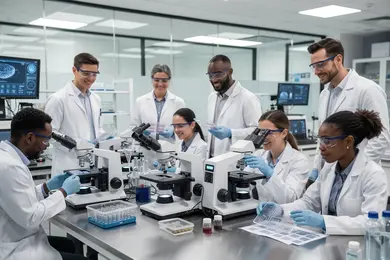
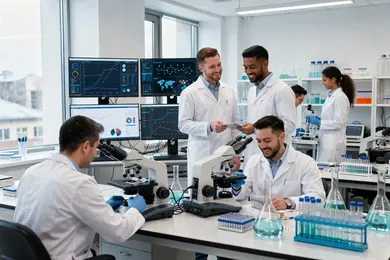
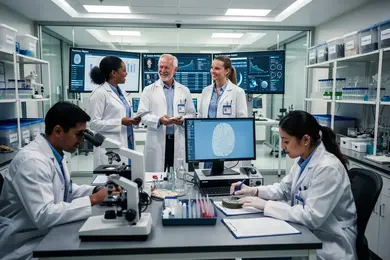
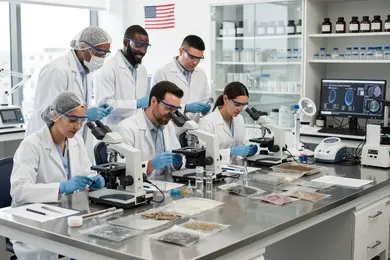
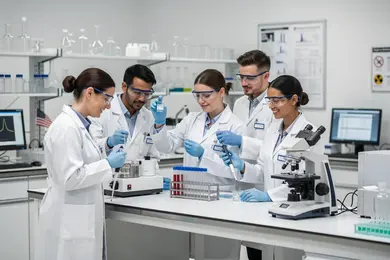
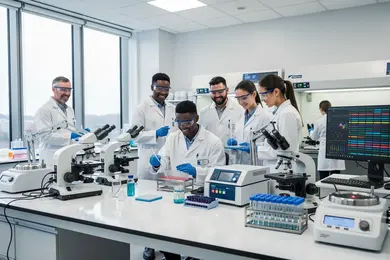
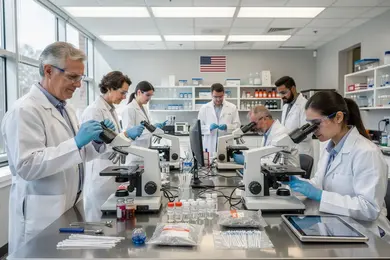
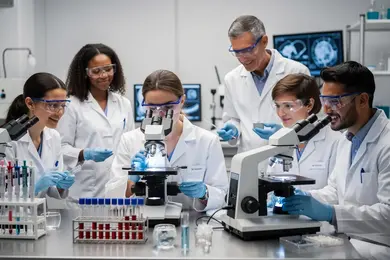
Hands-on lab experience is crucial for employability because forensic science employers prioritize practical skills in evidence collection, analysis, and instrumentation operation. Programs heavy on theoretical coursework but light on applied lab work risk leaving graduates underprepared for real-world casework. Students should prioritize programs with robust internships, fieldwork, or partnerships with crime labs to bridge classroom knowledge and employer expectations.
Most forensic science programs require documented safety training in chemical handling, biohazard control, and evidence contamination prevention before students enter advanced labs. Many also require annual refresher training and compliance with OSHA and university chain-of-custody rules before access to trace, DNA, or firearms evidence work.
Specializing early can lead to expertise in high-demand areas like digital forensics or toxicology, improving targeted job prospects but reducing flexibility if market needs shift. A broader curriculum provides diverse skills applicable to multiple forensic disciplines but may dilute depth in any single area. Candidates should match their choice to labor market data and long-term career goals, favoring specialization only when aligned with stable or growing forensic sectors.
References
- Forensic Science Degree Programs https://www.criminaljusticedegreeschools.com/degrees/forensic-science-degree/
- The Forensic Science Jobs You Can Pursue with Qualifications https://www.stonebridge.uk.com/blog/distance-learning/the-forensic-science-jobs-you-can-pursue-with-qualifications/
- Forensic Science Degree Program: What to Know https://pinnacleforensics.co/forensic-science-degree-program/
- Bachelor's in Forensic Science https://www.ccis.edu/degrees/forensic-science-bachelor
- Forensic Pathologist Salary & Job Description https://www.forensicscolleges.com/careers/forensic-pathologist
- Analyst Certification Information - Forensic Resources https://forensicresources.org/2019/analyst-certification-information/
- What Is Forensic Science & What Does a Forensic Scientists Do? https://www.allcriminaljusticeschools.com/forensics/forensic-science-careers/
- What job can I get with a degree in Medical, Molecular or Forensic Science? https://www.murdoch.edu.au/news/blogs/blog-posts/campus-and-community/what-job-can-i-get-with-a-degree-in-medical-molecular-or-forensic-science
- Forensic Science Majors https://www.hamline.edu/academics/undergraduate/forensic-science
- The Importance of Forensic Training for Professional Development | Independent Forensic Services https://independentforensicservices.com.au/the-importance-of-forensic-training-for-professional-development/