2027 How to Choose an Online Forensic Science Degree for Digital Evidence Careers

Co-Founder and Chief Data Scientist
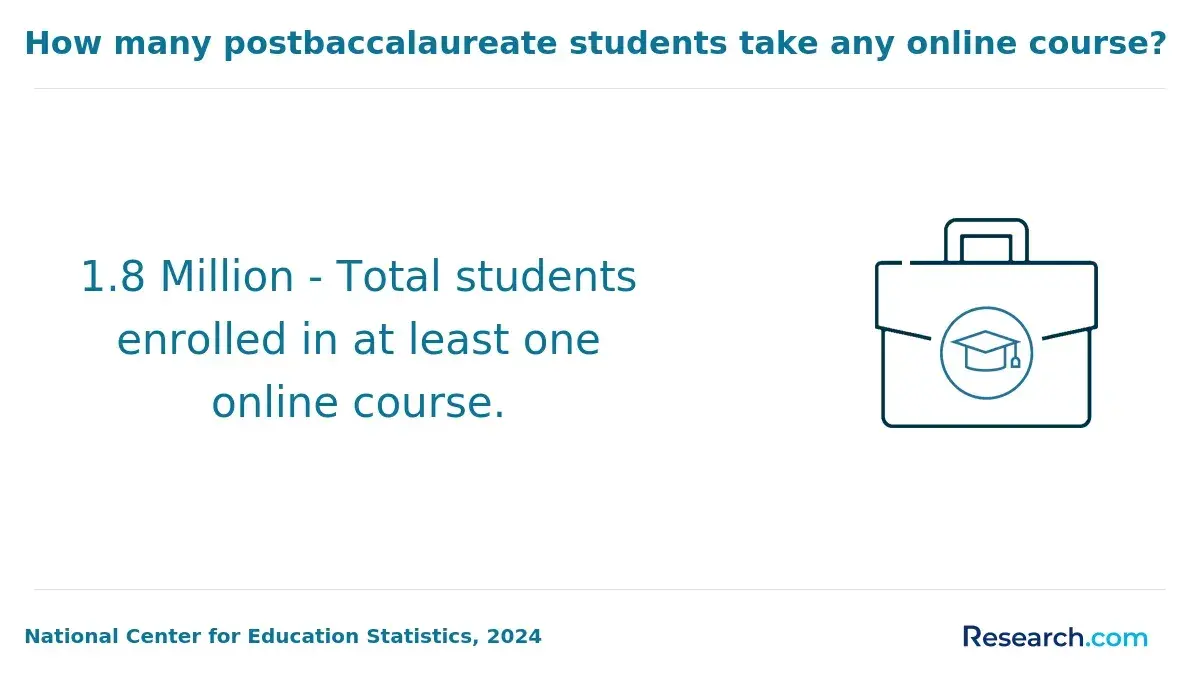
Managing a full-time job while entering forensic science's digital evidence sector demands a degree program flexible enough to accommodate erratic schedules yet rigorous enough to meet employer standards. The Bureau of Labor Statistics projects a 14% growth in digital forensics jobs over the next decade, intensifying competition and elevating hiring benchmarks. Meanwhile, over 40% of online learners in STEM fields balance adult responsibilities, according to the National Center for Education Statistics, revealing a shifting demand for part-time and asynchronous learning models. Selecting an online forensic science degree, therefore, requires careful evaluation of curriculum depth, accreditation, and pacing aligned with career timelines. This article examines key program features and strategic considerations to help professionals identify the best educational pathway for advancing in digital evidence careers.
Key Things You Should Know
- Online forensic science degrees often lack live lab components critical for digital evidence analysis, forcing reliance on virtual simulations; this tradeoff limits hands-on skill development despite greater accessibility, affecting credential credibility in technical roles.
- Employers in federal and state cybercrime units report 27% growth by 2028, prioritizing candidates with integrated cybersecurity and forensic science skills, making interdisciplinary coursework a strategic necessity for online program selection.
- Cost disparities between accredited online programs vary up to 65%, with delayed graduation risks due to asynchronous pacing; this timing factor increases long-term opportunity costs for mid-career professionals pivoting into digital evidence fields.
What is an online forensic science degree for digital evidence careers?
Online forensic science degree programs for digital evidence careers focus on applying technical skills in digital data acquisition, analysis, and preservation within legal contexts, where accuracy and chain-of-custody adherence directly affect courtroom outcomes. Unlike broader forensic science degrees, the digital evidence specialization in online forensic science degrees prioritizes hands-on competencies such as malware analysis, forensic imaging, and data recovery, frequently delivered through virtual labs tailored for remote learners.
Pragmatic considerations include evaluating program accreditation and available forensic tools, as well as regulatory mandates that may require in-person certification components or supplemental training. Students balancing employment or geographic constraints often benefit from this flexibility, though verifying employer expectations and regional licensure prerequisites is essential to avoid retraining.
For example, a cybersecurity analyst at a financial institution might apply knowledge from these programs to investigate unauthorized network breaches by analyzing encrypted logs, while law enforcement digital evidence technicians use similar skills to collect admissible criminal evidence under strict legal protocols. Curricula that incorporate legal standards and emerging areas like cloud forensics better prepare candidates for evolving evidence challenges.
Those considering this educational path should weigh how closely a program's focus and professional outcomes align with their target sector and jurisdiction to maximize hiring potential and minimize redundant re-education. For a comparative perspective on forensic-related professions and their demands, the pros of being a forensic psychologist offers useful insights relevant to career decision-makers seeking complementary pathways.
Is the program properly accredited?
Accreditation stands as a practical filter in evaluating online forensic science degree accreditation standards and program value. Employers in law enforcement, corporate security, and legal consultancy insist on credentials from accredited programs to ensure candidates possess verified skills aligned with industry requirements. Without recognized forensic science programs in the United States accreditation-typically from bodies like ABET or regional institutional accreditors-graduates risk facing barriers such as inability to meet certification prerequisites from entities like IACIS or HTCIA.
The workforce shortage in digital forensics exacerbates these challenges. As of 2025, over 514,000 cybersecurity roles remained unfilled, with digital forensics experts particularly scarce due to the demanding need for combined legal and technical expertise. Graduates from non-accredited programs often struggle to gain employment in sensitive sectors requiring security clearances or government positions where accreditation status influences hiring.
Prospective students should verify accreditation status on official agency listings and evaluate curricula that integrate hands-on labs, legal procedure training, and chain-of-custody protocols-elements indispensable for forensic validity. Career switchers benefit from accredited programs by minimizing retraining risks and enhancing employer confidence, directly affecting employability and long-term career sustainability.
For those weighing education options, comparing affordability and rigor across pathways is crucial. Resources like the online MS data science programs can offer complementary skills relevant to forensic investigations involving big data analytics, expanding cross-disciplinary competency.
How do online and campus forensic science programs compare?
Choosing between an online forensic science degree vs campus programs requires weighing the critical tradeoffs in practical skill acquisition and workforce integration. Online options offer access and scheduling flexibility, particularly for working professionals pursuing career pivots, but they rarely provide the embedded hands-on labs and immediate peer collaboration found in traditional campus settings.
Campus programs integrate physical lab environments and close mentorship essential for mastering chain-of-custody protocols and specialized software - competencies highly valued by employers, especially in law enforcement and cybersecurity roles. Internships and on-site practicums are more straightforward to secure on campus, improving networking and job prospects. Online forensic science degree paths demand students proactively arrange externships or lab access to bridge this gap.
Salary data from 2026 illustrates this divide: digital forensics analysts average USD 124,578 annually, with senior DFIR professionals topping USD 170,000. Candidates emerging from campus programs typically present stronger portfolios built on practical experience, directly correlating with these outcomes. Those targeting federal or specialized agencies often find campus credentials indispensable due to employer expectations documented in national workforce analyses.
Prospective students must evaluate accreditation, lab infrastructure, and internship support alongside delivery format. Online programs require verified partnerships with external labs for credible real-world training. For individuals researching degrees or related health sciences, consider exploring options like an online dietitian degree as a comparative model for flexible professional education.
What coursework is in a digital evidence curriculum?
The technical and legal rigor embedded within digital evidence curriculum directly shapes workforce readiness in digital forensics and information security analysis-fields projected to grow 29% from 2024 to 2034, significantly faster than traditional forensic science technician roles at 13%. This discrepancy signals a shift in employer demand toward candidates with specialized digital competencies rather than general forensic training. Prospective students evaluating an online forensic science degree curriculum for digital evidence should prioritize mastering file system structures, forensic imaging, and data recovery methods, as these skills underpin admissible evidence handling in real investigations.
Core coursework extends beyond computing fundamentals into cybersecurity principles and cryptography to secure investigative workflows. Law and ethics instruction clarifies privacy statutes and chain of custody protocols, which are frequent hiring benchmarks for employers seeking courtroom-savvy analysts. Practical experience with forensic tools such as EnCase, FTK, and pertinent open-source software aligns learning with operational realities, reducing time-to-productivity post-hire.
Advanced modules often cover malware and mobile device forensics, tailoring expertise to sectors like financial fraud versus criminal justice, where regulatory compliance and toolsets diverge. Programs emphasizing hands-on labs and case simulations materially improve readiness; otherwise, underprepared graduates face steep post-employment learning curves. Some curricula incorporate statistics and investigative reporting to enhance interpretive clarity and cross-disciplinary communication.
Understanding the nuances inherent in digital evidence forensic science coursework enables candidates to navigate career pivots or specialization decisions with a clearer view of employer expectations and practical tradeoffs. For those weighing broader educational investments, exploring options such as an online library science degree may offer complementary skills applicable in related information management roles.
What admission requirements do these programs usually have?
Admission to online forensic science degrees tests more than academic history; they require evidence of a candidate's readiness to bridge technical knowledge with investigative duties. Bachelor's programs typically ask for a high school diploma or equivalent plus SAT or ACT scores, though relevant work experience can replace standardized test requirements. Master's programs demand a completed bachelor's degree-often in forensic science or related fields-with a GPA around 3.0, plus occasional GRE submissions, though some programs waive these to draw a wider applicant base.
Employers expect digital forensic analysts to show hands-on skills covering operating systems, networking, and programming, not just scholarly credentials. Certifications or internships in cybersecurity or digital forensics substantively enhance applications and can reduce prerequisite coursework. Programs also seek personal statements clarifying career goals and technical aptitude alongside letters of recommendation from academia or professionals well-versed in analytical work.
The financial divergence between bachelor's and master's degree holders in digital forensics is significant. According to the SANS Institute Digital Forensics Salary and Career Path data, master's graduates earn around USD 80,000 annually compared to about USD 50,000 for bachelor's graduates, a 60% increase. This gap raises admission competitiveness and program rigor, pushing candidates to demonstrate clear quantitative and technical strengths tailored to employer expectations.
- Relevant work experience can waive standardized test scores at the bachelor's level
- Advanced degrees generally yield substantially higher salaries in digital forensics
- Strong technical certifications help accelerate program requirements and employability
How long does an online forensic science degree take?
A strategic decision to pursue an online forensic science degree requires balancing duration, depth, and workforce relevance. A standard associate degree spans about two years, while a bachelor's degree demands roughly four years of full-time study. Part-time options may extend this to five or six years but increase the risk of skills becoming outdated in a rapidly evolving digital evidence environment.
For professionals targeting federal roles, which often require a bachelor's degree with specialized training, the investment in a comprehensive, timely program is essential. Compensation data illustrate this: federal forensic scientists earn a mean annual wage of USD 119,630, significantly above local and state government averages-USD 73,860 and USD 69,540 respectively-indicating a direct link between academic rigor and financial return.
Online study challenges include integrating rigorous coursework with practical labs or short residencies. Internships and certifications commonly accompany these degrees to ensure employers' competency standards are met, extending total program time beyond classroom hours. Prospective students must consider how these requirements shape their timeline and capacity for learning.
- Accelerated degrees can shorten completion but might sacrifice depth in hands-on skills.
- Extended part-time enrollment increases flexibility but risks lagging behind current forensic technologies.
- Confirmed program accreditation and alignment with federal standards are critical for long-term employability.
How much does an online forensic science degree cost?
Forensic science bachelor's degrees in 2026 present a wide cost spectrum, roughly $15,000 to $60,000, influenced by institution type, residency, and program duration. Importantly, programs offering focused digital evidence tracks often require an extra $1,000 to $3,000 for lab simulations, specialized software, or certification preparation. These additional expenses translate into more practical skills but increase upfront investment.
Choosing a program requires weighing the tradeoffs between accredited institutions and lower-cost, often non-accredited options. While cheaper programs may appear budget-friendly, they frequently lack critical hands-on training in digital forensics-a growing priority for employers given the Bureau of Labor Statistics forecast of approximately 2,900 annual openings for forensic science technicians from 2024-2034. Students pursuing careers within law enforcement or forensic labs should prioritize programs integrating current industry-standard tools to avoid a delayed or difficult job search.
Real-world costs extend beyond tuition, including hardware upgrades, software certifications, and possible travel for essential internships or field experiences. Working professionals often need to consider part-time enrollment options or employer tuition assistance to maintain income flow during studies. Financial aid availability is uneven for online forensic science formats; verifying eligibility remains a key step.
When budgeting, it's critical to factor in how program quality intersects with labor market demands, focusing on practical competencies that align with hiring criteria rather than simply tuition prices.
What jobs can you get with this degree?
Graduates from online forensic science programs with a focus on digital evidence enter roles requiring advanced technical and legal skills. Positions such as digital forensics analysts, cybercrime investigators, and incident responders demand not only the retrieval and analysis of data from electronic devices but also the ability to produce court-admissible reports. For example, a digital forensics analyst working for a federal agency may be tasked with extracting encrypted files from seized mobile phones, whereas a corporate incident responder primarily assesses data breaches to protect intellectual property.
Employers prioritize candidates who combine hands-on experience with a clear understanding of the legal context. Practical training through labs or internships significantly influences hiring outcomes, in part because these roles routinely involve testifying in court and collaborating with multidisciplinary teams. Entry-level analysts generally start in support roles and advance by acquiring relevant certifications and experience on the job.
Salary projections are stable, with median annual earnings around USD 106,480 and steady job growth estimated at +6.65%. This suggests a reliable market for skills but also emphasizes the importance of evaluating educational costs and certification expenses against expected returns. Career decisions should weigh the technical rigor and legal demands of the role as well as employer expectations regarding both software proficiency and clear communication.
What salary can digital evidence professionals expect?
Salary outcomes in digital evidence roles vary significantly based on specialization, geography, and employer type. Entry salaries typically range from $55,000 to $85,000, but specialists in mobile and cloud forensics located in tech-centric metros may command salaries surpassing $90,000. Larger law enforcement agencies often pay more but expect candidates to have security clearances and sector-specific certifications. This stratification means professionals must weigh the upfront investment in credentials against long-term income potential.
The digital forensics labor market's projected 12.9% CAGR through 2028 to $18.2 billion signals expanding opportunities paired with rising competition. Practitioners who remain generalists risk stagnation; employers seek candidates with niche skills like network forensics or encrypted data recovery, emphasizing applied technical competence and legal workflows.
Shifting from private cybersecurity to forensic roles involves adjustment since forensic work prioritizes evidentiary rigor over defensive strategies. For example, a cybersecurity analyst moving into law enforcement digital forensics must adapt to courtroom standards and chain-of-custody protocols, which can entail a temporary salary tradeoff despite longer-term advancement.
For those pursuing online forensic science degrees, programs integrating real-world labs and current legal frameworks better align with hiring demands. Understanding these operational nuances helps candidates optimize educational choices to meet employer standards and position themselves competitively within a growing but discerning job market.
What certifications help for digital evidence careers?
Employers hiring digital forensic professionals expect certifications that verify both technical proficiency and legal admissibility of evidence. The Certified Forensic Computer Examiner (CFCE) stands out among credentials for its rigorous peer review process and strong law enforcement recognition, making it a practical priority for many entering the field. In contrast, the Certified Computer Forensics Examiner (CCFE) offers foundational validation of skills but is less favored by agencies emphasizing judicial compliance.
A common tradeoff involves balancing the time and cost of certification against employability gains and hands-on experience requirements. For instance, the EnCase Certified Examiner (EnCE) credential targets software specialization but demands considerable prior expertise, which can deter recent graduates or those pivoting from IT roles. Meanwhile, certifications like the GIAC Certified Forensic Analyst (GCFA) appeal to cybersecurity professionals broadening into forensic analysis by focusing on incident response and memory forensics.
Considering that forensic science technician jobs are projected to grow by 13% with close to 3,000 annual openings, selecting certifications tied to the target employer's standards is crucial. Prioritizing credentials recognized by law enforcement or relevant legal bodies ensures that credits substantively influence hiring outcomes. Additionally, maintaining certification renewal compliance is essential since evolving forensic standards impact ongoing professional credibility and marketability.
Other Things You Should Know About Forensic Science
Online programs vary in how they integrate practical components. Many rely on virtual labs or software simulations that cover fundamental digital forensics tools, but these may not fully replicate the complexity of real-world cases. Prospective students should prioritize programs that include supervised internships or partnerships with law enforcement agencies to gain authentic casework experience, as employers heavily value demonstrated practical skills alongside academic knowledge.
Choose a program accredited by a recognized institutional accreditor listed by the U.S. Department of Education or CHEA, and check whether the college itself is regionally accredited. For digital evidence work, also look for alignment with the Forensic Science Education Programs Accreditation Commission, or FEPAC, where available.
Yes, prioritizing programs that provide hands-on training with widely used industry software such as EnCase, FTK, or X-Ways is critical for employability. Many employers expect incoming professionals to hit the ground running with these tools, reducing training costs and ramp-up time. A degree without explicit software training risks limiting graduates' practical readiness and competitive edge in the job market.
In forensic science, employer emphasis often lies more on demonstrable skills and certifications than on the school's brand. However, graduates from programs with strong ties to criminal justice agencies or recognized forensic consortia tend to have smoother job placement and networking advantages. Applicants should weigh institutional reputation where it aligns with industry integration rather than prestige alone, focusing on proven pathways into the workforce and relevant professional connections.
References
- Careers in Digital & Multimedia Science https://www.aafs.org/careers-digital-multimedia-science
- What is Program Accreditation? https://blog.spol.com/what-is-program-accreditation
- Digital Forensics Training & Certification | IACIS https://www.iacis.com/
- Digital Forensics Salary, Skills, and Career Path https://www.sans.org/blog/digital-forensics-salary-skills-and-career-path
- Admissions Requirements https://www.aacom.org/become-a-doctor/apply-to-medical-school/admissions-requirements
- 2025 Most Affordable Online Forensic Science Master's Degrees https://www.onlineu.com/most-affordable-colleges/forensic-science-masters-degrees
- What Can You Do With a Degree in Digital Forensics? Career Paths to Explore - Champlain College https://www.champlain.edu/blog/stories/careers-in-digital-forensics/
- Admissions Criteria https://ed.wum.edu.pl/pl/admissions-criteria
- Digital Forensics Analyst https://www.isaca.org/career-center/career-journey/cyber-crime/digital-forensics-analyst
- Institutional vs Program Accreditation: What You Should Look For | Articles | Unimy https://www.unimy.com/article/institutional-vs-program-accreditation-what-you-should-look-for