2027 Forensic Careers Growing Fast in Labs and Evidence Analysis

Co-Founder and Chief Data Scientist
Facing a backlog of complex evidence in crime labs, professionals in forensic science increasingly confront a critical bottleneck: rapidly evolving technologies demand specialists with both deep technical skills and flexibility to keep pace. Meanwhile, the U.S. Bureau of Labor Statistics projects a 17% growth in forensic science technician roles over the next decade, reflecting tight labor markets and rising demand for qualified analysts.
However, accessibility challenges persist for mid-career adults seeking timely retraining, despite a 42% surge in enrollment in flexible online programs reported by the National Center for Education Statistics in 2024. This shift underscores the need to balance rigorous training with adaptable learning paths that align with workforce requirements. This article explores the practical educational options and labor trends shaping forensic science careers to guide informed decisions about program selection, timing, and career mobility.
Key Things You Should Know
- Projected 14% job growth for forensic science technicians through 2031 per the U.S. Bureau of Labor Statistics demands specialized lab skills, pushing candidates toward costly advanced degrees with Limited immediate ROI in smaller jurisdictions.
- Employers prioritize applicants with combined digital forensics and traditional evidence analysis experience, intensifying skill acquisition pressure and narrowing hiring pools amid an aging workforce lacking interdisciplinary readiness.
- Accelerated forensic credential programs reduce time-to-employment but often omit complex courtroom testimony and lab quality assurance training, creating tradeoffs between rapid entry and long-term career advancement potential.
What do forensic science careers in labs and evidence analysis involve day to day?
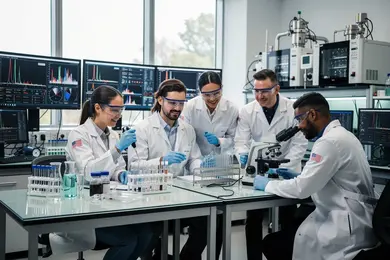
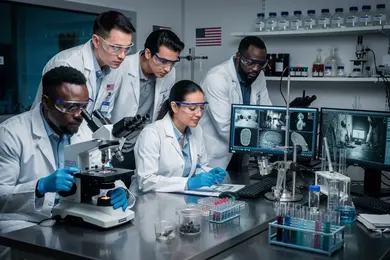
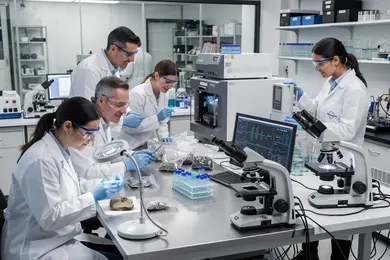
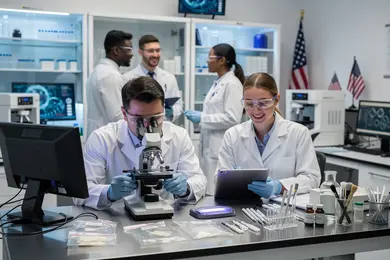
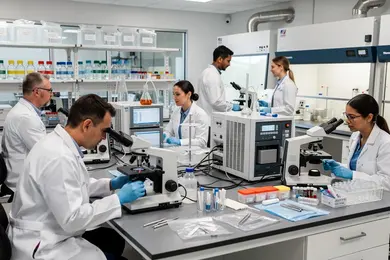
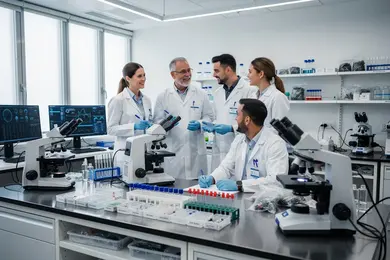
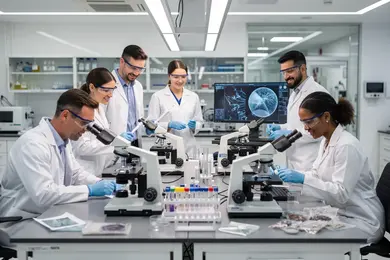
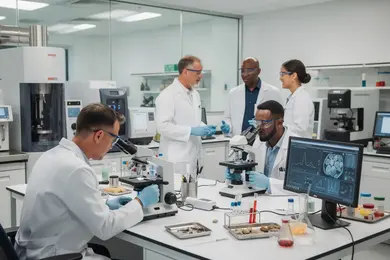
The role varies by type of employer: state crime labs offer specialized units and predictable workflows, whereas local labs demand multitasking across evidence collection and analysis. Maintaining the evidentiary chain of custody through meticulous documentation is essential, as is preparing reports that can be understood by legal professionals. These responsibilities illustrate the practical tradeoffs between specialization and breadth of skill required according to the workplace environment.
With approximately 20,700 forensic science technician jobs nationwide and a projected growth rate exceeding 12.8%, competition favors candidates who combine rigorous academic training with hands-on experience. Prospective students should note the increasing importance of continuous certification and updating technical skills to remain employable. For those considering further credentials, pursuing a master's in forensic psychology online may complement laboratory expertise with behavioral insight, broadening career options.
What degree do you need to start a career in forensic science?
A bachelor's degree in forensic science or closely related disciplines like chemistry, biology, or criminal justice remains the baseline for entry into the field, shaping the fundamental competencies in lab techniques and evidence analysis. However, the evolving job market, especially within digital and cyber forensics, prioritizes candidates who complement this foundation with certifications or coursework in information security, computer science, or data analysis.
This trend aligns with the projected 29% growth in information security analysts through 2034, a demand signal encouraging specialization beyond traditional forensic science degrees. For example, federal agencies hiring digital forensic examiners often stipulate cybersecurity certifications alongside a forensic science background, whereas candidates targeting conventional crime scene roles benefit more from hands-on chemistry or biology lab experience.
Applicants who lack a forensic science major may pursue graduate degrees or tailored certificate programs, but these paths typically extend the time before entering the workforce. Across specialties, securing internships in accredited labs is critical, often influencing hiring decisions more than credentials alone. Balancing educational investment against market realities requires understanding how degree requirements for forensic science careers differ by specialization.
Those aiming for flexibility may explore the cheapest online data science master's for supplemental skills, especially relevant to digital evidence roles. The educational path to start a forensic science career is thus not one-size-fits-all but demands careful navigation of multidisciplinary credentials aligned with employer expectations and workforce trends.
How strong is the job outlook for forensic science technicians and analysts?
The job outlook for forensic science technicians in the United States is shaped by a clear stratification of opportunity and compensation across government levels. Federal positions report a mean annual wage of $119,630 as of May 2024, significantly outpacing local and state government roles, which offer $73,860 and $69,540 respectively.
This wage gap is linked not only to federal agencies' stronger funding and technological resources but also to tougher entry requirements, including lengthy security clearances and mandatory technical expertise. Candidates pursuing federal jobs must consider whether the salary premium justifies relocation and extended vetting.
Employment growth trends for forensic evidence analysts reveal uneven expansion influenced by jurisdictional budget cycles and specialty demand, notably in areas like digital forensics, DNA analysis, and toxicology. Those holding certifications aligned with federal standards improve their competitiveness in this tightly contested labor market.
Practical preparation involves continuous technical upskilling and targeted educational paths that feature strong lab components and connections to employers. Graduates who navigate these nuances can better align themselves with roles that offer advancement potential and resilience against hiring slowdowns.
Students weighing educational routes should also explore diversified options, including the best online computer science degree programs that complement forensic specializations, especially in digital forensic analysis.
What types of forensic science degrees and specializations can students pursue?
Specialized forensic science degrees in the United States present measurable tradeoffs between focus areas and employability outcomes. Undergraduate programs in forensic chemistry, forensic biology, forensic psychology, and forensic anthropology offer direct pathways applicable to laboratory analysis, evidence processing, or behavioral profiling.
For example, a graduate with a forensic chemistry degree is equipped to handle toxicology and chemical residue assessments essential in crime labs, whereas forensic psychology supports roles in victim assessment and criminal profiling. However, the depth of specialization can limit flexibility across forensic disciplines. Graduate-level specializations increasingly target emergent fields such as digital forensics, forensic pathology, and forensic toxicology, responding to the rise in cybercrime and complex medical investigations.
Digital forensics, in particular, demands proficiency in data recovery from electronic devices, a skill set that has become vital as cyber-based evidence dominates criminal cases. Conversely, forensic pathology combines medical training with forensic expertise, restricting entry to those with prior healthcare credentials. Employers consistently prioritize candidates with accredited programs featuring practical lab experience, evidence handling proficiency, and preparation for courtroom testimony.
Certification requirements differ by specialization and agency, imposing additional hurdles for entry but often correlating with higher wage opportunities. The average annual salary for forensic scientists increased by 4.1% from $68,572 to $71,351 in 2025, illustrating tightening labor markets and growing demand for niche competencies, according to Zippia forensic scientist job trends 2025.
Students exploring forensic science degrees available in the United States should also consider cross-disciplinary offerings and online options that fit individual career stages or constraints-such as an online exercise science degree-which can supplement forensic roles requiring knowledge of human physiology or rehabilitation.
How do online forensic science programs compare with campus-based programs?
Employers hiring forensic science technicians overwhelmingly demand hands-on laboratory skills and in-person training, a requirement that online programs struggle to deliver. Despite online curricula matching traditional campus programs in theoretical content, the lack of immediate access to supervised labs and real forensic tools limits their effectiveness for technician roles.
For instance, a student completing an online forensic science degree may still need to secure local internships to gain facility-based certifications crucial for proficiency audits in disciplines like forensic chemistry or biology. The U.S. Bureau of Labor Statistics projects a 13% job growth for forensic science technicians through 2034, contrasting sharply with a 1% decline for detectives and criminal investigators.
This signals a workforce pivot toward technically skilled forensic positions requiring direct evidence-handling experience. Campus-based programs emphasize collaborative labs, crime scene simulations, and instrument training essential for entry-level roles demanding tangible skillsets. Online options suit students balancing work or needing schedule flexibility, but success depends on supplementing remote learning with accredited internships or partnerships.
Employers prefer candidates who document real-world forensic experience alongside online coursework. Career decisions must weigh these distinctions: purely online routes may suffice for forensic data analysis or report writing roles, but those targeting hands-on technician positions should prioritize campus-style education or equivalent practical training to meet employer expectations and certification standards.
What courses and lab experiences are included in forensic science programs?
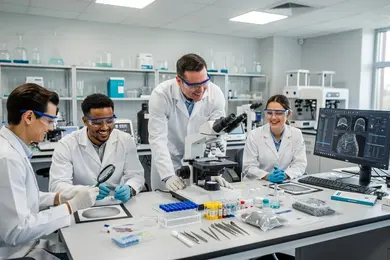
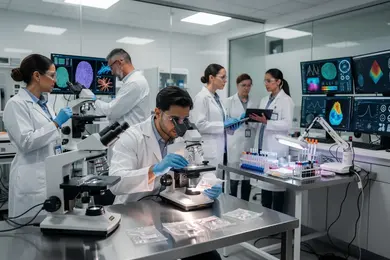
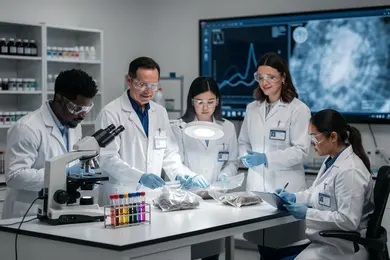
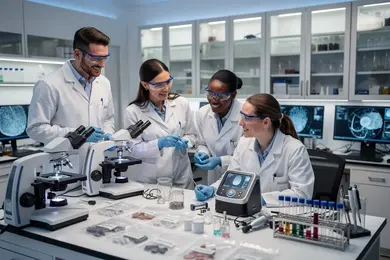
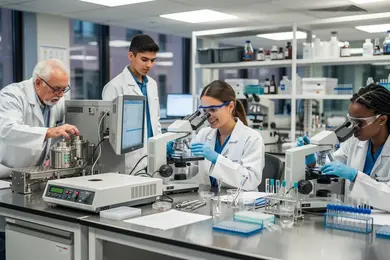
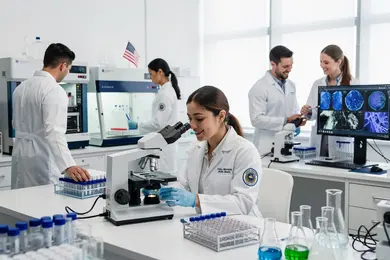
Forensic science programs that lack immersive, scenario-based lab training often produce graduates unprepared for the dual demands of technical analysis and courtroom communication. Practical coursework must extend beyond theoretical coverage of chemistry, biology, toxicology, and digital evidence to include hands-on replication of real crime lab workflows. This includes evidence processing such as biological sample handling, reagent preparation, and toolmark examination-tasks routinely encountered in operational labs.
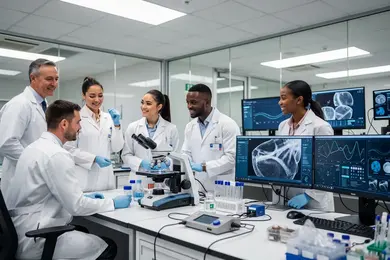
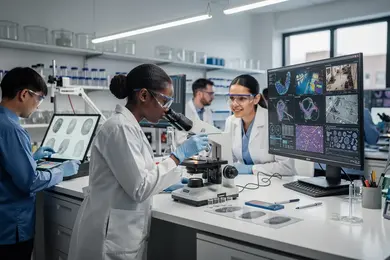
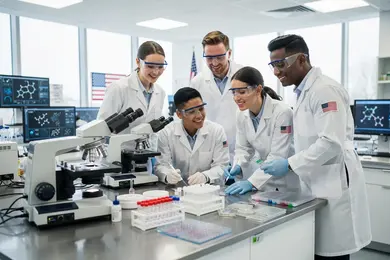
Use of advanced instrumentation-like gas chromatography-mass spectrometry (GC-MS), Fourier transform infrared spectroscopy (FTIR), and automated DNA sequencers-is essential, paired with training on evidence documentation and strict chain-of-custody protocols. Typical exercises involving simulated crime scenes challenge students to integrate technical accuracy with procedural rigor, reflecting workforce expectations in law enforcement or private laboratories.
Employers consistently prioritize graduates who demonstrate both lab proficiency and forensic reporting capabilities. Programs with documented employment outcomes, such as those referenced in the Marshall University Forensic Science 10-Year Employment Statistics, underscore the advantage of embedded lab simulations and partnerships with active forensic facilities. Without these, candidates face longer job search periods and may be forced into remedial training, delaying career progression.
Key considerations for students evaluating forensic science education include:
- Depth of hands-on training in forensic methods matching industry tools and standards
- Availability of immersive case studies bridging laboratory results with courtroom testimony
- Access to authentic lab environments or internships facilitating immediate workforce readiness
- Program transparency on graduate placement rates within local, state, and federal agencies
Ultimately, the choice of program should weigh these operational realities over generic curriculum descriptions to ensure alignment with labor market demands and practical career outcomes.
What admission requirements and prerequisites do forensic science schools expect?
Admission criteria for forensic science programs hinge on demonstrated proficiency in STEM disciplines and readiness for demanding lab work. Most undergraduate tracks require a robust high school foundation in chemistry, biology, and math, occasionally with minimum grade or test score thresholds. Bachelor's programs escalate demands, often requiring completion of organic chemistry, statistics, and other natural science courses.
Candidates who already hold degrees in related scientific fields can bypass some foundational requirements, allowing deeper focus on specialized forensic topics such as toxicology or DNA analysis. This distinction is critical for working professionals shifting careers who may substitute prior lab experience or certifications for formal prerequisites, though verifying institutional equivalencies upfront is essential to prevent admission delays.
Many programs integrate internships or research projects to develop practical skills aligned with forensic lab workflows. Students must weigh the implications of prerequisite coursework on both time to degree and financial cost, as incomplete preparation often prolongs graduation and slows entry into the workforce.
Given the modest 2.4% annual wage increase seen in forensic investigator salaries-from $51,024 to $52,267-strategic curriculum planning is crucial. Balancing prerequisite depth with efficient progression affects employability and earning potential, especially in a field where specialized analytical competence is a baseline expectation.
How much do forensic science programs cost, and what financial aid is available?
Choosing a forensic science program requires balancing cost, practical training, and market alignment. Certificate programs at community colleges may cost around $5,000 but often lack the depth and hands-on lab experience demanded by many employers, especially in digital and cloud evidence analysis-fields growing at a 12.9% CAGR through 2028.
Bachelor's degrees at public universities range from $40,000 to $70,000, while private institutions can exceed $100,000, reflecting their comprehensive curricula and industry-relevant skill development. Financial aid options are varied but complex. Low-income undergraduates can access Pell Grants up to $7,395 annually through the FAFSA, while federal loans cap at $12,500 per year.
Merit scholarships frequently reward STEM-focused concentration, and working professionals should investigate employer tuition reimbursement or state workforce grants. Veteran students benefit from extensive GI Bill coverage. However, non-tuition expenses-such as certification exam fees and forensic software licenses-must also be anticipated.
Program accreditation by bodies like FEPAC affects both aid eligibility and employer acceptance, making it a critical criterion beyond price. Prospective students should assess the tradeoff between upfront investment and employability, where technical proficiency in emerging forensic technologies often correlates with better entry-level job placement and long-term career mobility.
What are typical salaries for forensic science professionals in different roles?
Salaries in forensic science vary widely and hinge on specialization, experience, and location. Entry-level technicians, typically requiring a bachelor's degree, earn between $45,000 and $60,000 annually, performing routine lab tasks in local or state crime labs. Mid-career analysts with expertise in DNA, toxicology, or digital forensics see salaries ranging from $65,000 to $90,000, reflecting regional demand and employer type.
Forensic pathologists, by contrast, command significantly higher pay, often exceeding $300,000 annually. This level is influenced by factors such as jurisdiction, public versus private employment, and case complexity. For example, a forensic toxicologist in a metropolitan medical examiner's office might earn close to $95,000, while counterparts in rural or underfunded settings earn less, demonstrating how location and funding impact earning potential and career growth.
Advancement in this field generally requires advanced degrees and technical certifications, especially for supervisory or expert witness roles. Employers prioritize candidates who couple demonstrated experience with credentials, making additional education both a time and financial investment with direct salary implications. Prospective forensic science students must balance these costs against expected income, particularly in settings with salary caps or funding constraints.
How can students choose an accredited, reputable forensic science program in the U.S.?
Accreditation by the Forensic Science Education Programs Accreditation Commission (FEPAC) is non-negotiable for students targeting forensic science roles in crime laboratories, as virtually all employers require it for federal and state positions. Without such credentials, candidates risk exclusion from many entry-level opportunities. Equally important is evaluating a program's track record with graduate employment and formal partnerships offering internships in state or local evidence labs.
The curriculum's focus can materially affect career pathways. Programs emphasizing biological and chemical analysis suit students pursuing DNA or toxicology specialties but may limit those interested in digital forensics or cybercrime roles, which require courses in forensic technology and data analytics. This distinction matters because criminal justice tech-related jobs now total over one million and are set to grow 5% by 2034.
Program location and resources also shape outcomes. Urban programs near high-crime areas typically offer richer externships and multidisciplinary collaboration opportunities. Conversely, limited access to advanced forensic instrumentation at rural institutions can impede applied skill development. Prospective students should scrutinize certification exam pass rates, forensic lab hiring statistics, and alumni career trajectories as benchmarks to assess a program's practical effectiveness.
Other Things You Should Know About Forensic Science
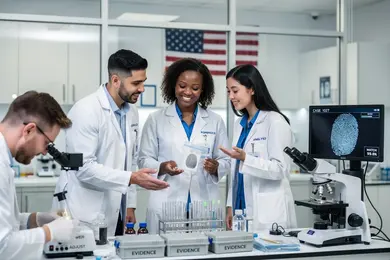
Forensic analysts must maintain a documented chain of custody from collection to courtroom presentation. Each transfer needs dates, times, signatures, and storage conditions. Labs also require validated methods, secure evidence storage, and contamination controls so results can survive legal challenge under standard evidentiary rules.
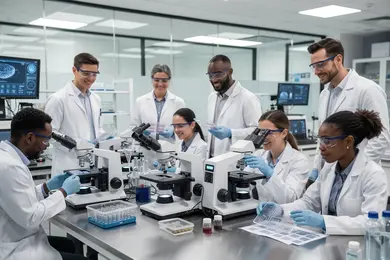
Forensic science labs often operate under tight deadlines with fluctuating caseloads, which can lead to significant stress and burnout. Entry-level technicians may face repetitive evidence processing tasks, while analysts handle more complex interpretation under pressure. Prospective professionals should prioritize programs that include real-world lab internship experiences to build resilience and time management skills, as employer demand favors candidates who can maintain accuracy under workload pressures.
Public sector labs typically offer greater job security, structured career progression, and exposure to a broad variety of case types but can have slower hiring processes and budget constraints limiting resources. Private labs may provide faster hiring, higher salaries in some cases, and specialization opportunities, but often require flexibility in work hours and contract-based employment. Candidates should evaluate personal priorities: job stability and broad public service experience versus agility and potentially higher pay in specialized private work.
While specialization can increase employability in niche forensic areas, a broad foundational skill set is crucial early on to navigate the competitive job market and adapt to shifting employer demands. Early specialization risks limiting opportunities if that focus area becomes saturated or declines in demand. It is advisable to secure a solid interdisciplinary forensic science education before committing to narrow paths, allowing for informed specialization once real-world interests and industry trends become clearer.
References
- Careers in Forensics and STEM https://www.atf.gov/careers/careers-forensics-and-stem
- Forensic Science & CSI Schools By State - Degrees & Certification https://www.forensicscolleges.com/usa
- How to Get Admission in Forensic Science After 12th (Complete Guide) https://lifs.co.in/blog/forensic-science-admission-after-12th-guide.html
- List of Bachelors in Forensic Science Programs - Campus & Online https://yescollege.com/degrees/bachelors-in-forensic-science/
- Forensic scientist https://gradireland.com/careers-advice/job-descriptions/forensic-scientist
- Careers in Forensic Science https://www.aafs.org/careers-forensic-science
- Careers in forensic science https://www.justice-ni.gov.uk/articles/careers-forensic-science
- 15 Best Bachelor's In Forensic Science Degrees https://www.criminaljusticedegreeschools.com/rankings/best-bachelors-forensic-science/
- Financial Aid Resources | All Criminal Justice Schools https://www.allcriminaljusticeschools.com/financial-aid/