2027 How to Choose an Online Forensic Science Degree as a Working Adult

Co-Founder and Chief Data Scientist
Balancing full-time employment with the pursuit of an online forensic science degree demands precision in selecting programs that accommodate unpredictable work hours and strict professional deadlines. The National Center for Education Statistics reported in 2024 that 58% of adult learners enroll part-time, emphasizing the need for flexible course pacing and modular curriculums. This trend reveals a growing gap between traditional program structures and the adaptive schedules that working adults require to maintain career momentum while advancing qualifications.
Employers increasingly scrutinize not only degree relevance but also demonstrated capacity for practical application under workforce constraints. This article will guide readers through critical factors in choosing an online forensic science degree tailored for working professionals, prioritizing accessibility, program rigor, and career impact.
Key Things You Should Know
- Limited availability of accredited online forensic science programs with active lab components constrains practical skill acquisition, forcing many working adults to trade hands-on experience for degree flexibility, impacting job readiness.
- Employers increasingly prioritize candidates' proficiency in digital forensics and evidence management software, making programs with updated tech curricula critical; 62% of forensic job postings since 2024 specify these skills.
- Salary growth for forensic science professionals slows to under 2% annually post-certification unless paired with advanced degrees, so working adults must weigh extended program durations and tuition costs versus immediate workforce reentry.
What is an online forensic science degree and how does it differ from campus programs?
Online forensic science degree programs for working adults offer distinct operational flexibility not found in traditional campus options, which typically demand rigid attendance and fixed lab hours. Asynchronous lectures, virtual labs, and remote access to forensic software accommodate variable work schedules and geographic limitations, though some essential hands-on training may necessitate occasional local residencies or lab partnerships.
This introduces a critical tradeoff: students must actively coordinate internships or local experiences to attain the tactile proficiency employers expect.The differences between online and campus forensic science degrees extend beyond scheduling to the depth of practical skills development. Online programs increasingly integrate simulations and case-based learning to approximate real-world scenarios, but lack continuous physical lab exposure, potentially affecting courtroom readiness and workflow familiarity unless supplemented.
Employers prioritize graduates who combine theoretical knowledge with verifiable applied competence, which online learners must strategically seek. Choosing accredited online programs aligned with forensic science professional standards is crucial, especially given the 13% projected growth in technician employment and about 2,900 annual openings forecast by the U.S. Bureau of Labor Statistics.
For professionals pivoting mid-career, online degrees enable leveraging prior domain expertise while gaining specialized forensic techniques without income disruption or relocation. Exploring pathways like what can you do with a forensic psychology degree can broaden practical understanding of adjacent fields and interdisciplinary roles relevant to this career trajectory.
How do I evaluate accreditation and program quality for online forensic science degrees?
Employers and credentialing bodies prioritize degrees from regionally or nationally accredited institutions; overlooking this can disqualify graduates from certification exams or forensic roles. How to verify accreditation for online forensic science programs requires checking recognition by the U.S. Department of Education or Council for Higher Education Accreditation, along with specialized endorsements like the Forensic Science Education Programs Accreditation Commission (FEPAC).
Programs lacking these credentials typically face dismissal by forensic employers. Assessing program quality in online forensic science degrees involves analyzing measurable outcomes such as graduation rates, job placement-preferably 80% or higher in forensic labs or law enforcement-and employer collaborations that ensure relevant, applied training. Access to virtual or local labs is critical; programs without practicums severely limit skill development essential to the field.
Working professionals must also evaluate flexibility in practicum scheduling and credit transfers to avoid extending time-to-degree while balancing job demands. Tuition ranges from $290 to $510 per credit, totaling $35,000 to $68,000, demanding a practical comparison against return on investment. Higher tuition may reflect superior accreditation and internship opportunities that yield direct employer exposure.
Less costly programs might compromise career trajectories by lacking these features. Additionally, to understand wider options and outcomes for related fields, consider what can you get with an environmental science degree.
What types of forensic science degrees and specializations can I earn online?
Bachelor's and master's degrees in forensic science online cater to distinctly different career trajectories and time investments. Entry-level forensic technician roles-median wage $67,440 according to May 2024 data from the U.S. Bureau of Labor Statistics-often require bachelor's degrees focused on core areas like criminalistics and toxicology. However, fully online programs rarely provide hands-on lab work, meaning students must arrange local internships or lab partnerships to meet practical requirements.
Specializations within forensic science degree online programs include digital forensics, forensic chemistry, forensic biology, crime scene investigation, and forensic psychology. For example, digital forensics degrees are suited for IT or cybersecurity professionals targeting cybercrime investigation roles. Employers value applied skills validated through direct experience, so programs offering tied local agency access or virtual simulation labs can improve employability.
Advanced online forensic science bachelor and master degrees emphasize management, toxicology, or DNA analysis for supervisory or specialized lab positions demanding rigorous research and prior field experience. Choosing a program with credible curricula and real-world projects becomes essential to differentiate candidates for higher responsibility and pay.
State certification and regional regulations must factor into selecting degrees, as some states mandate formal licensing beyond online education. Carefully aligning program features with career objectives, hands-on training availability, and recognized credentials helps mitigate common friction points.
For students exploring adjacent fields or comparing avenues, resources such as master of library science online programs provide valuable insight into structured, flexible online graduate education models.
What admission requirements and prior experience do online forensic science programs expect?
Admission to online forensic science degree programs demands more than a high school diploma or GED; the reality is that many programs favor applicants presenting prior college credits or at least associate degrees in science or criminal justice, a factor critical for navigating prerequisite coursework. For applicants without this background, the burden of completing foundational classes in biology, chemistry, and mathematics before advancing can extend time-to-degree and increase costs.
Prior experience requirements for online forensic science programs often reflect the profession's analytical rigor. Typically, 1-2 years in roles such as laboratory technician, law enforcement, or legal administration can substantially improve acceptance chances. Meeting these requirements through current employment or internships means balancing job responsibilities with educational demands, a common scenario for working professionals.
An investigator employed full-time in a crime lab, for example, must assess whether their existing responsibilities sufficiently satisfy prerequisite standards or if supplemental coursework is necessary. Programs frequently expect standardized test scores but waive them for returning learners with demonstrable professional expertise or academic history.
Admissions panels emphasize candidates' ability to manage remote learning logistics-reliable internet, compatible technology, and time management-to prevent costly delays or attrition. Considering an average bachelor's degree cost around $10,080 against a $48,000 early-career median salary highlights the need for strategic planning, especially regarding credit transfer and minimizing income disruption.
Prospective students evaluating an online forensic science degree admission criteria should also compare financial and time investments against alternatives such as pursuing a library science degree, which might offer different career trajectories or flexibility.
What core courses and skills are taught in an online forensic science curriculum?
Mastering forensic science demands practical expertise beyond foundational coursework. Programs centering on forensic chemistry, biology, and toxicology align closely with daily lab responsibilities, such as correctly analyzing biological evidence. However, understanding crime scene investigation protocols across different jurisdictions is equally important for accurate evidence handling, especially for those moving between law enforcement agencies or consulting roles.
Proficiency in forensic microscopy and DNA analysis is nonnegotiable for candidates seeking positions involving advanced state or federal lab equipment. Yet, these technical skills must be complemented by a solid grasp of statistics and data interpretation to clearly present findings under scrutiny in court. Legal knowledge and ethical awareness shape how professionals manage admissible evidence and sensitive information, which varies significantly between criminal and civil cases.
Practical training often includes:
- Remote lab simulations tailored for working adults balancing shift schedules
- Software tools for evidence management and crime scene reconstruction
- Case study analyses partnered with local agencies to enhance real-world readiness
The average master's degree cost of $24,043 contrasts with a mid-career salary near $78,000, reflecting a measurable return on investment in this specialized field. Still, candidates must weigh the demands of asynchronous coursework and periodic live sessions against work and personal commitments, acknowledging that technical and reporting competencies are equally critical for employer expectations and long-term career viability.
How long do online forensic science degrees take and can I study part-time?
Forensic science degrees requiring two to three years full-time represent a significant time investment that must be weighed against career and certification deadlines. Professionals working full-time often extend completion to four or more years by enrolling part-time, which can slow momentum and affect employer perceptions of a candidate's readiness.
For example, a crime lab analyst balancing a 40-hour workweek might take only one or two courses per term, doubling the typical duration but maintaining work commitments. Employers expect educational progress aligned with experiential learning and certifications; prolonged or sporadic study can undermine perceived competence in this highly technical field.
Programs with clearly defined timelines and part-time paths tailored to working adults reduce this risk while accommodating fiscal and scheduling constraints. Graduate forensic science degrees typically require 30 to 36 credit hours. Some institutions, like Stevenson University, charge $719 per credit with no added fees, allowing for straightforward cost calculation versus living expenses during prolonged study periods.
Working professionals must confirm university policies on part-time status, course availability, and practicum scheduling since hands-on components often extend total time to degree beyond academics alone. Prioritizing programs with modular or accelerated courses benefits those needing timely practical application and better job placement outcomes.
What does an online learning format look like for working adults in forensic science?
Successful online forensic science education for working adults requires more than flexible lectures; it demands a hybrid model blending asynchronous content with mandatory hands-on experiences. Programs relying solely on prerecorded materials risk leaving students unprepared for laboratory realities, which employers consistently value alongside theoretical knowledge.
For instance, a crime lab technician working irregular hours can complete digital coursework independently but must still attend scheduled weekend labs to master fingerprint or evidence-handling protocols. Key considerations for prospective students include:
- Verifying the feasibility of required in-person lab hours within their work schedules.
- Understanding assessment formats-whether live virtual exams or timed projects-to avoid conflicts.
- Evaluating tuition costs against the national undergraduate average of $14,688 to balance investment and program quality.
Programs offering modular pacing alongside adult learner support services tend to improve retention and practical skill acquisition. Transparent clinical placement assistance and employer network connections significantly enhance job market readiness. Without these elements, graduates risk credential inflation where diploma value does not translate into field competence or career mobility.
Ultimately, aligning program structure and timelines with workforce realities-not simply institutional convenience-determines whether an online forensic science degree delivers long-term professional advantage or operational friction.
What careers, job settings, and roles can an online forensic science degree lead to?
Forensic science degrees orient graduates toward roles requiring specialized technical and analytical competencies, but the actual job demands vary widely across employment settings. Government crime labs emphasize strict chain-of-custody protocols and courtroom testimony preparation, necessitating training in accreditation and state certifications-particularly in subfields like DNA analysis.
In contrast, private firms might focus on niche areas such as digital forensics or toxicology, requiring more targeted expertise that may not be covered extensively in general programs. Graduates must also balance educational credentials with logistical and certification hurdles. Forensic roles often involve nonstandard work hours and hands-on internships that can challenge traditional online or part-time learning formats.
Candidates transitioning from unrelated fields should be prepared for supplemental credentialing and supervised practical experience that cannot always be fulfilled through remote study. Employers prioritize demonstrated laboratory skills, the ability to interpret complex evidence, and clear communication-especially for legal proceedings.
Practical training that integrates industry-standard tools and techniques alongside theoretical knowledge increases employability and readiness. The 13% projected growth rate through 2034, coupled with a median salary near $67,000, reflects steady demand but also a competitive labor market where nuanced expertise and applied skills distinguish successful candidates.
Prospective students should assess programs based on how well they address these real-world demands and align educational outcomes with specific forensic science career contexts rather than opting for generic forensic curricula.
What salary ranges and job outlook can forensic science graduates expect?
Starting salaries for forensic science graduates in 2026 vary widely, typically between $50,000 and $70,000, with regional differences and employer type playing significant roles. Specialized positions and federal roles can exceed $90,000, but most entry-level hires, especially at municipal crime labs, remain near the lower end. This variation reflects employer preferences for candidates bringing a mix of forensic technical skills and domain experience such as digital forensics, biology, or chemistry.
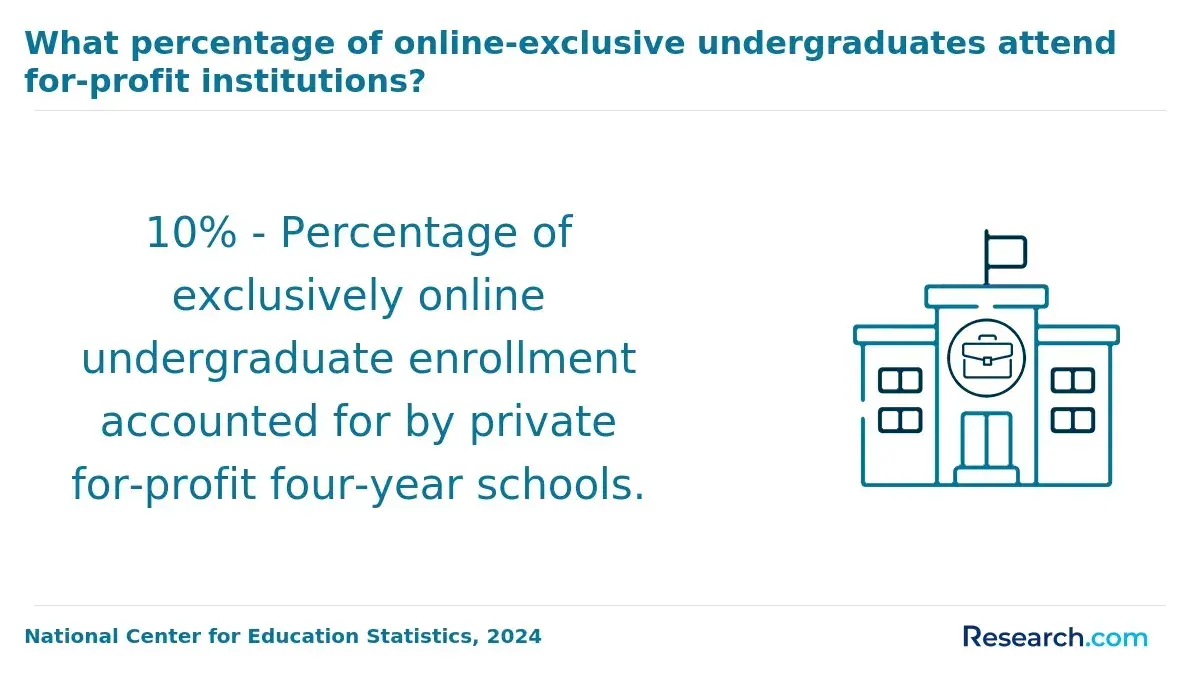
Cost considerations for online forensic science degrees are substantial, with public four-year institutions averaging about $6,518 annually for part-time students, versus $31,350 at private and for-profit schools. The latter may offer stronger employer connections or niche specializations, yet the heavier tuition burden can delay a graduate's return on investment. Balancing affordability with quality and network access is critical to aligning education costs with realistic salary prospects.
Long-term progression in forensic science depends heavily on accruing certifications and relevant internships. Candidates who navigate the debt-to-earning tradeoff effectively by selecting affordable programs with robust practical experience tend to advance faster without compromising financial stability.
- The U.S. Bureau of Labor Statistics projects 14% growth for forensic science technician roles through 2032, faster than average.
- Median annual wage as of 2024 is $61,930 but varies substantially by sector.
- Federal and private-sector cybersecurity or pharmaceutical forensics roles frequently command the highest salaries.
How can I compare and choose a reputable online forensic science program?
Choosing an online forensic science program requires balancing accreditation, curriculum alignment with industry demands, and clear graduate outcomes. Accreditation from agencies like ABET or the Forensic Science Education Programs Accreditation Commission signals adherence to professional standards, which is critical for eligibility in licensing or certification processes.
Curriculum relevance is multifaceted: programs must offer applied learning through labs or virtual simulations and support specialized tracks, given the divergence between careers in forensic biology and digital forensics. Graduate outcomes provide the most tangible measure of program effectiveness. Job placement rates, employer collaborations, and documented alumni career paths help set expectations.
For example, working adults targeting forensic biology will need programs with lab-intensive internships, while digital forensics candidates should verify access to cybercrime case studies or software tools. The cost context is equally important; master's in forensic science tuition generally falls between $11,000 to $25,000, but low tuition programs demand scrutiny regarding included fees such as lab access and software.
Flexibility mechanisms-like asynchronous coursework and multiple start dates-are not trivial for employed students managing professional responsibilities. Additionally, verifying faculty expertise and engagement with forensic partnerships enhances real-world readiness. Avoid programs without transparent outcomes or with high student loan default rates, as these factors correlate strongly with postgraduation employment difficulty.
- Prioritize programs with hands-on components relevant to your forensic niche.
- Confirm accreditation aligns with your state's licensing requirements.
- Evaluate costs beyond tuition for full practical preparation.
- Examine placement data and alumni success in your intended sector.
- Ensure scheduling flexibility matches your employment commitments.
Other Things You Should Know About Forensic Science
Programs that integrate hands-on lab experience through on-site sessions generally provide better practical training, which employers prioritize. While fully online programs offer flexibility, they may underdeliver on essential skill-building in evidence analysis and instrumentation. If your schedule permits, prioritize programs with hybrid lab requirements, as this improves job readiness despite occasional disruptions to your routine.
Most programs ask for a 2.5 to 3.0 GPA and prior coursework in biology, chemistry, and sometimes statistics. Some also require C or better grades in key lab sciences. Adults without those classes may need to complete 1 to 2 semesters of prerequisites before full admission.
Shorter programs may appeal due to faster completion but often demand a heavier weekly workload, which can reduce time for work or family obligations. Conversely, extended programs offering part-time pacing reduce stress but prolong total time to degree. Carefully assess your personal capacity: select a program that balances manageable weekly hours with a realistic timeline to avoid burnout or compromised learning.
References
- Forensic Science Level 3 https://oxbridgehomelearning.uk/course/forensic-science-level-3/
- How To Become a Forensic Scientist: Requirements & Steps https://www.forensicscolleges.com/blog/htb/how-to-become-forensic-scientist
- List of Bachelors in Forensic Science Programs - Campus & Online https://yescollege.com/degrees/bachelors-in-forensic-science/
- University's Forensic Science Program Receives Accreditation for All Graduate Degrees https://www.forensicmag.com/597143-University-s-Forensic-Science-Program-Receives-Accreditation-for-All-Graduate-Degrees/
- Alabama Department of Forensic Sciences https://adfs.alabama.gov/about/accreditation
- Blogs https://aifset.com/blogs/career-opportunity-after-enterance-exam.html
- Forensic Science https://ici.ac.nz/courses/law-justice/forensics/
- Online Forensic Science Degree https://www.aiuniv.edu/degrees/criminal-justice/bachelors-forensic-science
- Forensic Science Education Programs Accreditation Commission https://www.aafs.org/FEPAC
- Forensic Scientist Salary: State-by-State Median Guide https://www.allcriminaljusticeschools.com/forensics/salary/