2027 Forensic Science Career Paths That Lead Fastest to Lab Leadership

Co-Founder and Chief Data Scientist
Advancing quickly to a supervisory role in forensic science presents complex obstacles beyond mastering technical skills. Professionals face escalating competition amid a shifting job market where 42% of forensic science programs report rising adult learner enrollment, revealing an adaptive but uneven pipeline. This trend signals that many aspiring leaders juggle education with work or personal responsibilities, with part-time and online options shaping how and when candidates gain credentials. Employers now scrutinize not just qualifications but demonstrated leadership readiness and practical experience, often favoring candidates with targeted development paths. This article examines specific forensic science career routes proven to accelerate progression into lab leadership positions while addressing the logistical and experiential challenges learners encounter.
Key Things You Should Know
- Master's degrees with specialized forensic science management curricula yield 25% faster promotion to lab supervisor roles than bachelor's-level credentials, but add 18-24 months of costly study, delaying income growth per recent National Center for Education Statistics data.
- Employers increasingly value dual scientific-legal expertise; candidates blending forensic bioanalysis with legal procedure training fill nearly 40% of leadership openings, reflecting strategic prioritization revealed in the 2024 Bureau of Labor Statistics report.
- Certification pathways like ABC Board endorsements correlate with 15% higher initial leadership salaries but require 5+ years cumulative experience, forcing early-career professionals to weigh time investment against accelerated management access.
What forensic science degrees and specializations lead most directly to lab leadership roles?
Forensic science degrees for leadership careers demand more than foundational knowledge; they require strategic specialization and managerial skills tailored to both traditional labs and emerging cybercrime units. Candidates who combine a bachelor's in forensic science with focused concentrations-such as crime scene investigation or forensic biology-position themselves for technician roles that are growing steadily, with a 13% growth outlook and roughly 2,900 annual openings. Employers prioritize candidates who can lead with both technical precision and personnel management in these settings.
Specializations leading to forensic lab management increasingly include digital forensics and cybersecurity, reflecting a 29% growth in information security analyst roles critical to cybercrime labs. Professionals blending technical bachelor's degrees with certifications in security or forensic data analysis significantly improve their readiness for lab leadership within this niche. Real-world laboratory environments demand leaders versed in cross-agency coordination, compliance, and quality assurance, making minors or certificates in these areas valuable differentiators.
Graduate-level training-such as a master's in forensic science or forensic chemistry-is often preferred for supervisory roles in complex lab environments managing DNA, toxicology, or digital evidence. Prospective lab leaders must weigh tradeoffs: specialized digital degrees speed advancement in cyber-focused labs, while broader forensic science degrees provide versatile operational expertise across traditional labs. Effective career planning balances targeted technical mastery with leadership competencies aligned to the specific forensic focus and anticipated threats of the lab.
For those exploring how to become a criminal profiler or pivot toward forensic science leadership, understanding these distinctions informs strategic educational decisions. Detailed workforce trends and educational pathways can be reviewed at how to become a criminal profiler.
What education and experience are typically required to become a forensic lab director or manager?
Lab director or manager roles in forensic science require more than technical expertise; they demand demonstrated leadership and comprehensive operational oversight. A bachelor's degree in forensic science, biology, chemistry, or a related natural science is the baseline, but employers increasingly favor candidates holding a master's degree or higher due to the advanced management, quality control, and regulatory skills such degrees confer. Forensic science educational requirements for lab director positions include not only academic credentials but also 5 to 7 years of progressive forensic laboratory experience, advancing beyond bench-level tasks to supervisory or project management functions.
Experience and qualifications needed for forensic lab management roles typically encompass proficiency in accreditation standards, regulatory compliance, and budgeting-skills that often come from targeted management training or certificates focused on forensic lab administration. Without formal leadership education, candidates may find transitioning from technical roles difficult, underscoring the value of organizational management coursework.
Employers prioritize candidates who have proven abilities in leading teams and managing multidisciplinary projects. For example, a forensic technician managing evidence handling protocols and coordinating case workflows is better positioned for advancement than one focused solely on specimen analysis. This practical exposure to quality assurance and operational control directly influences promotion decisions.
Financially, senior forensic lab leaders earn significantly more, with natural sciences managers commanding a median annual salary around $161,180-about 2.4 times the $67,440 median for forensic science technicians, according to U.S. Bureau of Labor Statistics data cited by National University. For prospective students and professionals weighing a shift into forensic science leadership, understanding these educational and experiential tradeoffs is essential. For those curious about compensation in related fields, see how much do autopsy techs make.
How do associate, bachelor's, and master's forensic science degrees differ for career advancement?
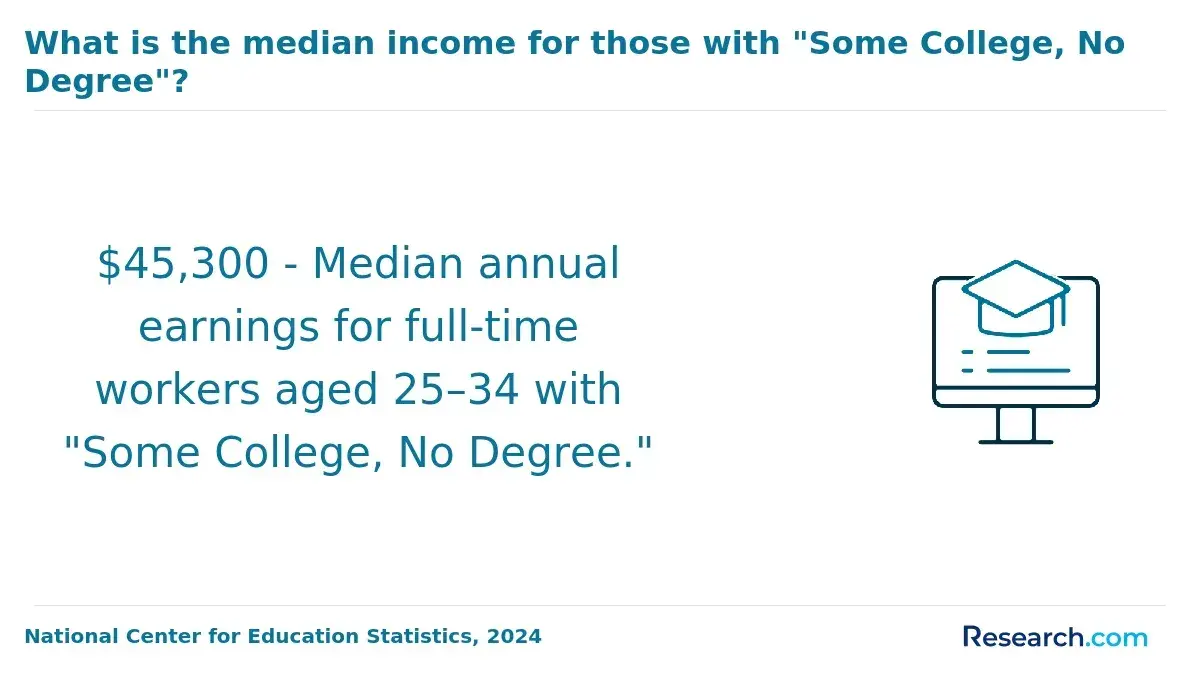
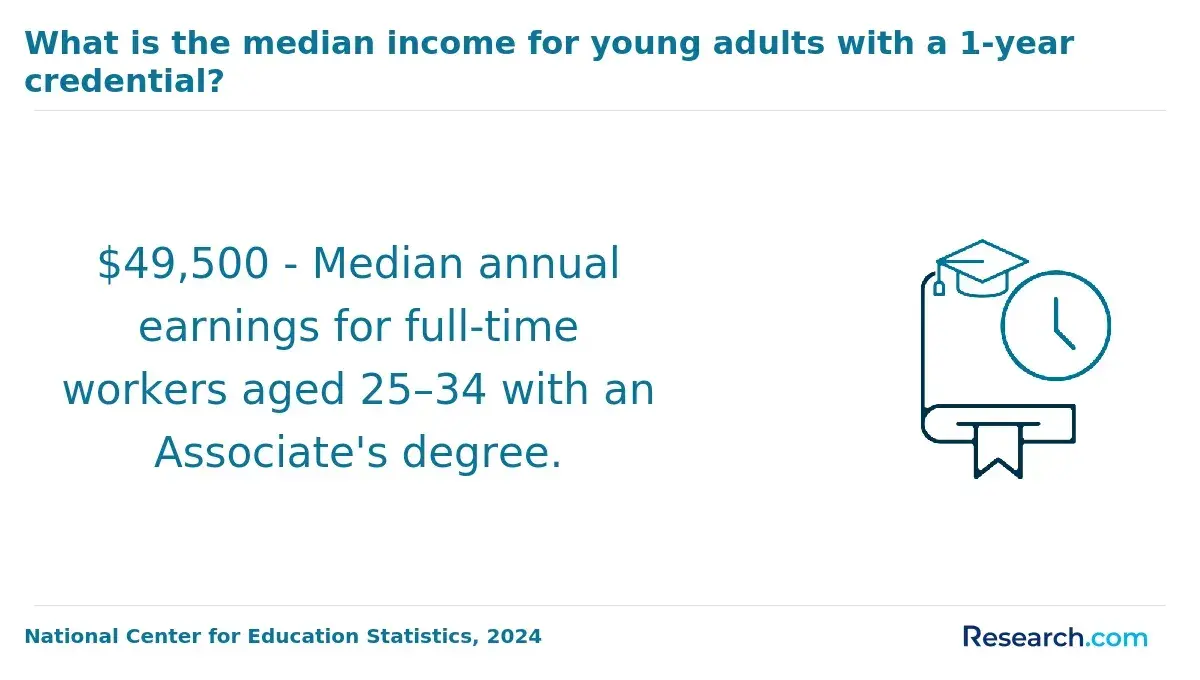
Associate degrees in forensic science primarily prepare students for technician roles but rarely position graduates for fast-tracked leadership in lab settings. These programs emphasize foundational skills such as evidence handling and standard lab operations, which align with entry-level responsibilities and limited supervisory capacity. Employers typically expect additional experience or advanced education before considering candidates for leadership, making career progression slower at this level.
Bachelor's degrees deliver stronger leverage in advancing toward supervisory positions. They marry comprehensive forensic methodologies with critical thinking and applied science coursework, qualifying graduates for specialized analyst roles. This credential becomes especially valuable in emerging subfields like crime scene analysis or forensic biology, where practical expertise must intersect with managerial functions. In practice, bachelor's degree holders can compete for mid- to upper-tier lab roles more readily.
Master's degrees accelerate access to leadership by combining advanced forensic knowledge with management skills, quality assurance, and policy development. Professionals holding a master's often enter directly into high-responsibility roles such as lab managers or directors. For example, in digital forensics-an area experiencing rapid growth where information security analysts earn a median salary near $124,910 with a 29% job growth projection from 2024 to 2034-master's credentials facilitate leading forensic teams on cybercrime investigations.
Each degree level entails tradeoffs: associates demand more work experience for leadership, bachelor's offer competitive supervisory entry points, and master's enable near-term senior lab roles. Prospective students considering associate, bachelor's, and master's forensic science degree differences in career advancement should weigh factors like time investment, cost, and workforce demand strategically. Those seeking interdisciplinary options might also explore related fields such as a sports science degree online to complement their forensic expertise.
Which forensic science concentrations most quickly prepare you for supervisory lab responsibilities?
Advancement into supervisory roles in forensic science leadership career paths in the US accelerates most effectively through concentrations in forensic biology/DNA analysis, toxicology, or digital forensics. These areas demand not only technical acumen but also mastery of operational and management tasks, including personnel oversight and quality assurance protocols. For instance, a forensic biologist skilled in DNA often assumes oversight of multiple case teams and lab quality controls earlier than peers in disciplines such as trace evidence, which typically require broader but less specialized experience.
The regulatory complexity in toxicology expedites leadership readiness due to strict pharmacology and controlled substances standards, while digital forensics experts quickly rise by managing cybercrime investigations and cross-jurisdictional collaborations. Federal labs, where supervisory roles come with a mean salary of $119,630, prioritize candidates with federal certification and demonstrated leadership capabilities, contrasting with state and local labs that emphasize wider hands-on experience before promotion.
Given the competitive nature of federal positions, professionals are advised to align their educational choices with advanced degrees and targeted certifications within these concentrations. Developing leadership skills tailored to forensic laboratory standards and project management further addresses employer expectations.
For students evaluating these trajectories, balancing fast-track specialization against longer tenure requirements is crucial. Those considering educational investment will find practical value in resources outlining program affordability and relevance, such as a comprehensive library degree analysis that can complement forensic science knowledge bases.
How do online forensic science programs compare with campus-based options for leadership preparation?
Master's degrees in forensic science are increasingly mandatory for leadership-track positions in crime labs, a reality the UC Davis 2024-2025 career outlook synthesis confirms. Online programs often provide theoretical knowledge comparable to campus offerings but typically lack the hands-on lab management experience essential for supervisory roles. For example, state crime labs prefer candidates with tangible in-person leadership experience because it significantly reduces onboarding time and elevates early performance metrics.
Campus programs integrate direct exposure to operational labs through internships and practicum components, making their graduates more competitive for leadership. Conversely, purely online paths risk limiting access to critical skills like evidence flow management, instrument calibration, and team coordination within a live lab setting. This gap can hinder promotion opportunities where operational proficiency is non-negotiable.
Choosing a program demands scrutiny of its partnerships with local crime labs and whether supervised fieldwork is required. Students lacking local facilities should target hybrid or mandatory practicum-inclusive programs to develop applicable leadership competencies. Those balancing work commitments should prioritize options facilitating direct lab involvement, even if that means partial campus attendance or regional internships.
- Employers expect both advanced forensic knowledge and applied lab management skills gained through supervised environments.
- Online degrees without practicum components may reduce leadership competitiveness in operational settings.
- Hybrid models or programs mandating on-site labs better ensure readiness for supervisory demands.
What accreditation and program quality indicators matter most for forensic science career progression?
Accreditation from bodies like the Forensic Science Education Programs Accreditation Commission (FEPAC) directly influences employability by aligning curricula with employer demands for validated methodologies, evidence handling, and legal standards. Candidates emerging from accredited programs demonstrate readiness for leadership roles, especially when their education includes active forensic research involvement, robust laboratory experience, and current digital forensics training.
For instance, digital forensic analysts trained in electronic evidence recovery benefit from a workforce sector growing 15-20% annually, with salaries ranging between £30,000 and £80,000, according to Pathology Lab Training's 2024 data. This growth creates a premium on specialists skilled in advanced forensic tools, making programs with strong industry connections and cybercrime or computer science concentrations particularly strategic.
The absence of comprehensive chain-of-custody and forensic statistics training can impede progress into supervisory or courtroom roles. Internship placements in accredited crime labs further reinforce critical decision-making skills highly valued by employers. Geographic factors also shape access to these practical experiences, affecting long-term momentum.
In evaluating educational pathways, candidates should emphasize programs with proven placement rates in digital evidence and litigation-ready expertise to enhance leadership potential and navigate increasingly technical forensic environments.
What core courses, labs, and research experiences build skills for leading forensic laboratories?
Forensic science leadership demands a blend of deep technical expertise and operational management that few programs adequately balance. Advanced coursework should emphasize analytical chemistry, molecular biology, and forensic toxicology while embedding rigorous chain-of-custody management through practical case simulations. Experience with serology, DNA analysis, chromatography, and biometric data processing is non-negotiable for precision in evidence interpretation and readiness for emerging cyber evidence challenges.
Lab leadership roles increasingly hinge on managing complex forensic operations, which requires strong research involvement, particularly in method validation and error rate analysis. Collaborative projects that mimic real-world interagency coordination cultivate the communication skills essential for overseeing multidisciplinary teams. Practical internships or cooperative education in state or federal forensic labs are critical-they expose candidates to evidence tracking software and laboratory information management systems (LIMS), both decisive in promotion trajectories.
Employers in high-demand regions such as California, Illinois, Connecticut, New York, and Massachusetts prioritize candidates with proven leadership in technologically advanced environments, accelerating their progression into supervisory roles. However, a notable tradeoff exists between deep technical specialization and a broad managerial understanding; successful leaders balance these by engaging in cross-disciplinary labs and integrating statistical analysis early to enable data-driven decisions amid resource constraints.
- Focus curriculum on both technical mastery and leadership in chain-of-custody protocols
- Pursue internships that provide hands-on experience with evidence tracking systems critical for supervisory advancement
- Balance specialization with broad operational skills to meet employer expectations in competitive forensic science hubs
What are typical salary ranges and earning growth for forensic lab supervisors and directors?
Salary progression for forensic lab supervisors and directors varies significantly by sector, geographic location, and organizational type. Supervisors typically earn $75,000 to $105,000 annually, with federal agency roles at institutions like the DEA or FBI exceeding $120,000 due to added security and complexity. Directors' salaries range from $95,000 to $140,000, influenced by public versus private funding and regional budget constraints.
Tenure and advanced qualifications such as master's degrees or certifications materially impact upward mobility. Notably, supervisors moving from public to private forensic firms often realize 10-20% salary increases within three years, exhibiting practical tradeoffs between job stability and compensation. Conversely, public defender and prosecutor office leadership positions offer steadier but lower pay scales compared to private sector roles.
Leadership positions also exist outside traditional lab settings, including universities and federal agencies, where salaries range broadly between $90,000 and $130,000, often inclusive of administrative duties like grant oversight, which can affect career focus and earning potential. Specialization in digital forensics or toxicology within private or federal sectors clearly accelerates pay growth, while fixed-budget public jobs impose rigid annual raises rather than merit-based increases.
Prospective candidates should weigh these contrasting salary dynamics and sector-specific operational demands when pursuing forensic science education and career advancement.
What certifications, licenses, or professional memberships support advancement into forensic lab leadership?
Technical certifications and professional memberships form the backbone of progression into forensic lab leadership, as employers use these credentials to verify expertise, reliability, and ongoing professional development. The American Board of Criminalistics (ABC) certification remains a pivotal credential, often required for supervisory roles, with specialization in disciplines like drug chemistry or firearms enhancing candidacy. Similarly, the International Association for Identification (IAI) certification is essential for latent print examiners aiming for senior or managerial levels.
Licensing requirements present an additional layer of complexity, varying significantly by state and frequently including forensic analyst licensure or related professional licenses in toxicology or criminalistics. This regulatory variability directly affects career trajectories and employer expectations.
Consider a forensic scientist in South Carolina who typically gains ABC certification 4 to 6 years into their career, aligning with an 8 to 12-year timeframe to reach senior supervisory roles. This progression reflects salary increases from $37,000-$45,000 in entry-level positions to $70,000-$95,000+ at managerial levels. Without these structured credentials, professionals face protracted timelines and limited access to leadership due to rigid employer preferences for certified and licensed candidates.
- Maintaining active professional memberships with organizations such as the American Academy of Forensic Sciences (AAFS) or the National Association of Medical Examiners is vital for leadership development, providing networking and sector-specific training not always documented elsewhere.
- Employers value a combination of certification, licensing, and leadership experience over isolated qualifications.
- Early initiation of certification processes and proactive acquisition of necessary state licenses mitigate barriers to promotion.
This multifaceted credentialing strategy aligns practical workforce realities with accelerated advancement opportunities within forensic science leadership.
How can students strategically plan early career steps to move into forensic lab management?
Targeted specialization and early leadership in forensic lab environments are decisive factors for accelerating salary growth and managerial advancement. Entry points like DNA analysis, digital forensics, or forensic accounting yield starting median salaries between $50,000 and $70,000, with federal or private supervisory roles exceeding $100,000 within a decade, based on workforce projections. Generalist forensic science credentials often translate into slower progression absent advanced degrees or complementary skills like regulatory expertise.
Securing internships or analyst roles in accredited public or federal labs that assign clear project responsibilities is essential; such settings enable practical exposure to case workflows and foster skill development. Parallel acquisition of specialty certifications-for instance, CODIS proficiency for DNA analysts or forensic accounting credentials-demonstrates measurable competence employers prioritize.
Leadership experience, even informal, shapes communication and personnel management capabilities vital for lab director positions. For example, a digital forensic analyst leveraging internships and project leadership can expect to attain supervisory status within five years, unlike generalists who often plateau below $80,000 median salary ranges.
The tradeoff between broad-based forensic science knowledge and deep specialization reflects long-term career implications. Specialists with growing domain expertise and supervisory experience command faster promotion into senior technical or management roles, while generalists may face narrower advancement pathways without targeted credentialing.
- Prioritize accredited federal/public forensic lab internships with defined responsibilities
- Obtain certifications aligned with chosen specialty for employer valuation
- Develop early leadership roles to build supervisory competencies
- Balance specialization against broad credentials for strategic promotion
Other Things You Should Know About Forensic Science
Employers expect candidates for early leadership roles to demonstrate both technical forensic expertise and strong general scientific skills, but specialized forensic experience is critical for credibility in supervisory positions. Leadership demands familiarity with casework protocols, evidence handling, and forensic documentation that general lab science does not provide. Prioritize gaining hands-on forensic case experience or focused internships early to build the specific competence management requires, rather than relying solely on broad scientific knowledge.
Yes, integrating formal management or leadership training-such as project management or supervisory skills-adds measurable value for lab leadership candidates. Forensic science programs rarely cover these topics in depth, yet employers view such training as essential for handling budgets, personnel, and compliance. Professionals should supplement forensic credentials with targeted leadership courses to accelerate advancement and better handle the operational responsibilities beyond the bench.
ASQ’s Certified Manager of Quality/Organizational Excellence, or CMQ/OE, is one of the most useful management credentials for forensic lab leadership. It is not a legal license, but it signals competence in quality systems, budgeting, and process control. Many employers prefer it for supervisory promotion tracks.
References
- On-Campus vs. Online Law Enforcement Programs: Pros and Cons https://golawenforcement.com/articles/on-campus-vs-online-law-enforcement-programs-which-one-is-for-you/
- Forensic Science Majors https://www.hamline.edu/academics/undergraduate/forensic-science
- Forensic Science Degree Programs https://www.criminaljusticedegreeschools.com/degrees/forensic-science-degree/
- Top Online Forensic Science Degree Programs https://www.forensicscolleges.com/online
- Careers in Forensic Science https://www.aafs.org/careers-forensic-science
- How Much Does A Forensic Scientist Make? A Salary Overview https://www.salemu.edu/blog/how-much-does-forensic-scientist-make/
- IDGA https://www.idga.org/events-biometrics-government-law/mediapartners/the-american-society-of-crime-laboratory-directors
- Guide To Forensic Science Careers | LearnHowtoBecome.org https://www.learnhowtobecome.org/career-resource-center/forensic-science-careers/
- Educational Requirements for Forensic Science: From Courses to Certification https://www.scuhs.edu/mshgg-article/educational-requirements-for-forensic-science-from-courses-to-certification/
- Certified Forensic Manager Courses https://learning.thenfsa.org/course/