2027 Best Online Bachelor's in Forensic Science at Accredited U.S. Universities

Co-Founder and Chief Data Scientist
Facing urgent caseloads, forensic analysts often struggle to balance the demand for advanced expertise with time-intensive degree requirements. Nearly 40% of adult learners choose online programs due to their flexibility, yet not all offerings meet the rigorous accreditation standards needed for professional credibility. This dynamic shapes career trajectories, especially as employers increasingly prefer candidates with accessible yet accredited education pathways that accommodate ongoing work commitments.
Selecting an online bachelor's in forensic science involves weighing program reputation, credential recognition, and practical skill development against scheduling and cost constraints. This article identifies top accredited U. S. universities offering flexible online forensic science degrees and evaluates their fit for career-driven students seeking strategic advancement.
Key Things You Should Know
- Graduates of accredited forensic science bachelor's programs face a median starting salary 15% below the broader STEM average, positioning degree choice as a pivotal factor for long-term ROI and necessitating enhanced specialization or certifications.
- Employers increasingly prioritize hands-on crime lab experience, making programs without integrated internships or partnerships with law enforcement less competitive for placement, underscoring the workforce's premium on applied technical proficiency.
- Programs extending beyond four years due to part-time enrollment or prerequisite deficits inflate total costs by 20%, intensifying opportunity cost burdens for working adults balancing career shifts within a high-turnover forensic labor market.
What is an online bachelor's in forensic science and who is it designed for?
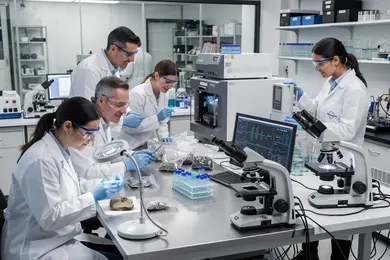
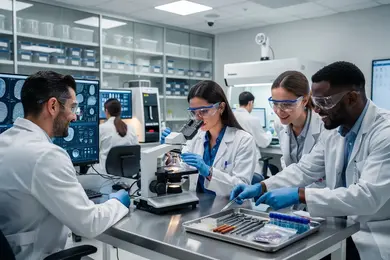
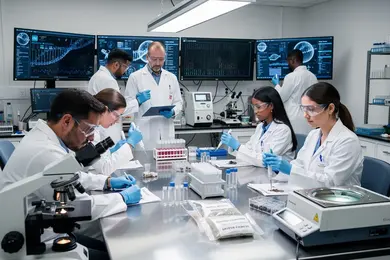
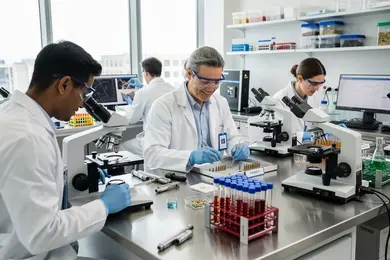
An online bachelor's in forensic science programs in the U.S. deliver a critical blend of theoretical knowledge and applied skills tailored to practical crime scene analysis, evidence handling, and lab techniques. These programs, while offering flexibility for working professionals, impose unavoidable demands for local internships or partnerships with accredited agencies to fulfill essential hands-on requirements.
This hybrid nature can complicate scheduling but is crucial for meeting employer expectations focused on real-world competencies. The curriculum often integrates biology, chemistry, criminal justice, and forensic technology with simulated virtual labs and case studies mimicking authentic investigations. Graduates emerge prepared to interpret forensic evidence, compile detailed reports, and provide expert testimony - capabilities that distinguish industry-ready technicians.
However, individuals lacking a solid science foundation or unwilling to commit to in-person practical training may find the pathway unsuitable. The bachelor's degree in forensic science for U.S. students also represents a pragmatic choice if weighed against workforce realities: the U.S. Bureau of Labor Statistics projects a 13% growth in forensic science technician roles through 2033, fueled by advances in technology and expanding forensic applications.
Still, rigorous time management is essential for those balancing coursework with external training and employment obligations. For those considering alternative education in related fields, the labor market dynamics can differ. For example, jobs with a master's in forensic psychology may open distinct career paths within investigative and behavioral specialties, highlighting the importance of selecting a degree aligned closely with one's targeted professional role.
How do online forensic science bachelor's programs compare to campus-based programs?
Online forensic science bachelor's programs provide academic knowledge comparable to traditional on-campus programs in the U.S. but typically lack consistent, supervised laboratory training critical for immediate workforce readiness. In roles such as forensic toxicology or DNA analysis, employers expect proficiency with advanced instrumentation and hands-on evidence examination that online curricula, without mandatory in-person practica, often cannot ensure.
Students pursuing an online forensic science bachelor's degree versus traditional on-campus programs in the U.S. must strategically address these gaps by securing local internships or partnerships with crime labs to develop practical skills. For example, a graduate entering a mid-sized city crime lab with primarily virtual lab exposure may require prolonged on-the-job training compared to peers from campus-based programs.
Without these immersive experiences, candidates face a disadvantage when competing for entry-level technician roles emphasizing applied skills. The U.S. Bureau of Labor Statistics reports a median annual wage of $67,440 for forensic science technicians, reflecting employer preference for candidates combining theoretical knowledge with validated laboratory competencies.
Online programs that incorporate accredited in-person requirements or supervised internships reduce skill discrepancies and bolster employability. Prospective students comparing online and campus-based forensic science bachelor's programs at accredited U.S. universities should thoroughly evaluate the availability of practical training within curricula.
Those exploring broader educational affordability or extended specialization might consult resources like the cheapest data science master's in USA for aligned fields where cost efficiency is critical.
Which accredited U.S. universities offer the best online bachelor's in forensic science?
Choosing from the best online bachelor's in forensic science programs in the United States requires careful evaluation of practical training opportunities relative to career goals and regional labor markets. For instance, California's forensic science workforce, the largest nationwide with 2,980 technicians employed in 2024, emphasizes hands-on experience and familiarity with local regulations. Graduates targeting such markets must confirm FEPAC accreditation and seamless internship pipelines to state crime labs.
Top accredited U.S. universities for online forensic science degrees like the University of Florida, West Virginia University, and John Jay College integrate specialized coursework with applied skills. The University of Florida emphasizes molecular biology and crime scene investigation through virtual labs and in-state internships, while West Virginia focuses on forensic toxicology and chemistry with regional lab collaborations enhancing employability in key states including California.
John Jay offers a forensic science track embedded in criminal justice programs, honing investigative and digital forensics expertise suited to New York's environment and remote learners balancing career pivots. Applicants navigating these programs should prioritize:
- FEPAC accreditation to verify curriculum rigor and employer recognition
- Robust online lab components or local agency partnerships providing experiential learning
- Flexible scheduling adapted to working professionals seeking a career transition
Tradeoffs include limited face-to-face instruction, mitigated by hybrid models or intensive practical sessions. Evaluating employment outcomes and internship support remains essential given the technical proficiency and local market alignment employers demand. Those considering forensic science will benefit from comparing this path with related fields such as nutrition, explored through a nutritionist degree, to clarify which discipline aligns best with their professional aspirations.
What accreditation should an online forensic science bachelor's program have in the United States?
Regional accreditation from recognized bodies like the Higher Learning Commission or the Middle States Commission on Higher Education remains the only widely accepted standard for online forensic science bachelor's degrees in the U.S., directly influencing employer trust and graduate school options. Employers routinely discount candidates from nationally accredited or unaccredited programs, viewing these degrees as insufficiently rigorous or lacking applicable skills.
For example, crime lab supervisors typically require verified foundational competency found exclusively in regionally accredited program graduates to fill roles such as forensic technicians or digital investigators. Specialized accreditation from the Forensic Science Education Programs Accreditation Commission (FEPAC) adds another layer of validation by aligning curricula with industry standards set by the American Academy of Forensic Sciences.
However, this distinction is uncommon among online options and should not be expected as standard. Graduates' earnings and job placement rates reveal tangible differences in program quality and market value. According to OnlineU, Champlain College's online Bachelor of Science in Computer Forensics & Digital Investigations reports a median income of $89,716, illustrating the financial advantage of a specialized, carefully structured degree.
Prospective students evaluating accreditation standards for online forensic science bachelor's programs in the United States must also weigh program outcomes including hands-on lab integration and employer connections essential for field readiness. When verifying programs, it's prudent to confirm both institutional and programmatic regional accreditation, investigate practical coursework components, and assess embedded internship opportunities.
Otherwise, credentials risk marginal relevance in regulatory environments that strictly monitor forensic science employment. To compare similar academic routes, students can consult resources such as the master's in library science online program rankings for additional context on online program affordability and quality.
What courses and specializations are typically included in an online forensic science curriculum?
Most forensic science programs blend foundational sciences-biology, chemistry, organic chemistry-with specialized topics that directly correlate to employer needs for technical skill and analytical precision. Graduates must navigate roles requiring both hands-on evidence handling and courtroom procedure, where understanding criminal law and ethics shapes effective testimony and preserves evidentiary integrity.
For example, those aiming toward medical examiner offices often benefit from coursework in forensic pathology and anthropology, critical for medico-legal death investigations and human identification. Meanwhile, digital forensics specialists confront rising cybercrime challenges demanding expertise in data recovery and network analysis.
Advanced programs incorporate training on instrumentation such as spectrometry and chromatographic techniques, aligning with lab expectations. Additional skills in biostatistics or forensic data analysis support roles that interpret complex information from forensic databases, a growing aspect as data-driven approaches expand in investigations.
The scope and format of online forensic science degrees heavily influence accessibility and specialization availability. Large-scale programs like Arizona State University Online (#1 for online enrollment with 52,896 learners per OnlineU 2024) provide broader faculty expertise and remote lab simulations, easing geographic and scheduling constraints for working professionals. However, these benefits come with tradeoffs in direct mentorship and hands-on exposure compared to smaller, in-person programs.
- Core courses facilitate technical competence in DNA profiling, toxicology, and evidence analysis.
- Legal and ethical instruction is essential for courtroom and chain-of-custody roles.
- Digital forensics education addresses growing demand for cybersecurity-related investigations.
- Advanced instrumentation and data analysis skills meet evolving lab and research standards.
- Program scale impacts specialization breadth and flexibility but affects direct experiential opportunities.
What are the admission requirements for an online bachelor's in forensic science?
Admission to an online bachelor's program in forensic science demands more than a high school diploma; successful candidates often navigate stringent prerequisites in biology, chemistry, or mathematics to meet the field's scientific demands. Practical workforce realities mean that programs requiring criminal background checks mirror employer needs for integrity and security clearance, particularly for placement in law enforcement internships.
Applicants benefit from prior STEM or criminal justice experience, which reduces risks associated with quantitative coursework failure and attrition. Some institutions allow professional experience or associate degrees to waive foundational prerequisites, a key consideration for working adults balancing career shifts.
Tuition costs, such as Columbia Southern University's $278 per credit hour rate for a typical 120-credit degree, critically influence financial planning. Students must weigh the benefits of lower tuition against limited access to laboratories and professional networking, which can constrain hands-on skill development essential for employability in forensic science roles.
Additional operational factors include technical equipment requirements and securing a distraction-free environment, essential for maintaining progress in remote learning contexts. Candidates should verify that program admissions align with their state's credentialing standards to avoid investing in non-transferable credits or unaccredited degrees that hinder licensure prospects.
How long does an online forensic science bachelor's degree take and what does it cost?
Completing an online forensic science bachelor's degree in an accelerated format demands significant time management and workload endurance, particularly for working professionals. Programs like the one offered by Arizona State University Online compress traditional 15-week courses into 7.5-week sessions, requiring completion of 120 credit hours through 40 classes. This pace can facilitate earlier workforce entry but often limits external commitments.
Tuition varies substantially by institution type and residency. Public universities typically charge $300 to $600 per credit hour, totaling $36,000 to $72,000 for the full program, whereas private institutions may exceed $600 per credit hour, pushing costs beyond $75,000. These figures align with National Center for Education Statistics data on STEM-related online bachelor's degrees and reflect the financial commitment necessary for quality, accredited programs.
Students should weigh these factors carefully:
- Accelerated formats reduce overall time but increase weekly effort, affecting work-life balance.
- Financing strategies, including scholarships and employer tuition reimbursement, are critical to managing rising tuition.
- Choosing accredited programs ensures eligibility for professional certifications valued by employers in forensic science roles.
Such decisions directly influence employability and long-term career outcomes, making an objective assessment of program structure, cost, and credentialing essential.
What forensic science careers can you pursue with an online bachelor's degree?
Holding an online bachelor's degree in forensic science can open entry points into roles like forensic science technician or digital forensics specialist but rarely suffices for positions demanding extensive lab certification or law enforcement authority without further credentials. For instance, a forensic science technician may handle physical evidence in a crime lab, yet most employers require hands-on training or internships given the complexities of lab technologies.
The digital forensics specialist role often combines IT expertise with forensic coursework to address cybercrime effectively. However, job qualifications differ across jurisdictions-crime scene investigator roles frequently call for additional law enforcement certification or training beyond a bachelor's degree. This variability impacts how quickly graduates can transition into the field.
Employers, particularly federal agencies and private forensic firms, prioritize degrees accredited regionally and preferably FEPAC-accredited. Nonregional accreditation commonly limits credit transferability and narrows employment prospects. Advanced roles in medical examiner offices or specialized labs often require graduate degrees or certifications, representing practical advancement barriers for online bachelor's graduates without continued education.
Students balancing work or relocation benefit from online programs' flexibility but must rigorously verify accreditation and the availability of internships or formal partnerships offering supervised skill development. Without these elements, graduates risk credentialing delays that hinder employability and career progression.
What is the salary potential and job outlook for forensic science graduates?
Entry-level salaries for forensic science graduates depend heavily on the sector and geographic context. Government and federal agency roles tend to offer higher starting wages-often starting near $62,500 median annually with experienced technicians earning above $100,000-but involve competitive hiring and limited openings. Conversely, private-sector positions in consulting or insurance companies are more accessible initially but typically pay between $45,000 and $55,000.
This salary disparity reflects the tradeoff between easier entry and long-term earning potential. The field's job growth rate of about 8% through 2034 matches the overall average but masks uneven opportunities. Demand rises for digital forensics and DNA analysis specialists, yet many bachelor's degree holders face stiff competition and must secure additional certifications or technical skills to differentiate themselves.
Candidates focusing on toxicology or cybersecurity forensics often navigate better employment prospects. Financially, investing around $65,110 tuition for online forensic science degrees requires candid assessment. Without established employer connections or internships, graduates risk slow returns on investment and underemployment. Furthermore, budgeting for extra certification costs and ongoing skill development is essential to remain employable and climb forensic career ladders.
- Government forensic positions offer higher entry salaries but stricter hiring and fewer roles
- Private-sector jobs generally pay less initially but feature more openings
- Specialization in digital forensics or toxicology improves placement chances
- Program costs near $65,000 demand consideration of realistic salary outcomes and career entry challenges
- Additional certifications and training are often necessary for career advancement
How can you choose a reputable online forensic science program that fits your goals?
Regional or national accreditation recognized by the U.S. Department of Education is a pivotal factor when selecting an online forensic science program, directly affecting credit transfer and employer recognition. Practical experience often outweighs theoretical knowledge in this field; therefore, programs offering virtual labs or collaborations with crime labs better prepare students for technical roles.
For example, a graduate with internship experience in a state crime lab is more competitive for technician positions than one with solely classroom instruction. Faculty expertise ensures curriculum relevance and networking access, especially if instructors maintain active research or field positions. Working professionals should seek programs with asynchronous formats and minimal in-person demands to reconcile study with job responsibilities.
Graduate employment rates and alignment with workforce needs offer tangible outcome measures. Data sources such as the National Center for Education Statistics reveal that graduates securing crime lab roles within six months signal robust program-to-market fit. The May 2024 median salary for forensic science technicians was $67,440, below broader science occupations, emphasizing the necessity of specialization or advanced credentials to offset this wage disparity.
State licensing can restrict certain forensic roles to graduates of approved institutions, while federal employment often requires coursework aligned with agency standards. Programs integrating legal studies alongside technical training enhance adaptability, reflecting the multidisciplinary nature of forensic careers. Additionally, up-to-date technology platforms are essential for mastering software used in digital forensics and evidence analysis.
Other Things You Should Know About Forensic Science
Many accredited online forensic science bachelor's programs require at least one on-campus lab residency or short skills intensive for evidence handling, microscopy, or chemistry work. Programs usually spell out the required hours in the catalog, and some ask for a criminal background check before any laboratory placement.
An online bachelor's degree in forensic science can lead to careers such as forensic analyst, crime scene investigator, or laboratory technician. Graduates of accredited programs may also work in law enforcement, homeland security, or private investigation. Salary varies by position and location.
Accelerated programs reduce time to degree but intensify workload and limit opportunities to absorb complex material or participate in internships. Traditional-paced programs offer better chances to balance rigorous coursework with experiential learning, which employers value in forensic science due to intricate methodologies. Students should choose accelerated tracks only if they have prior relevant experience or strong support systems to handle increased demands without compromising mastery of key skills.
References
- Forensic Science https://icieducation.com/courses/law-justice/forensics/
- Blogs https://aifset.com/blogs/career-opportunity-after-enterance-exam.html
- Crime Scene Investigator Careers - CSI Salary & Job Outlook https://www.forensicscolleges.com/careers/crime-scene-investigator
- Online Forensic Science Degree https://www.aiuniv.edu/degrees/criminal-justice/bachelors-forensic-science
- Forensic Science Education Programs Accreditation Commission https://www.aafs.org/FEPAC
- Forensic Scientist Salary: State-by-State Median Guide https://www.allcriminaljusticeschools.com/forensics/salary/
- Forensic Science Degree Programs https://www.criminaljusticedegreeschools.com/degrees/forensic-science-degree/
- Bachelor of Forensic Science - Our Lady of Fatima University https://fatima.edu.ph/bachelor-of-forensic-science/
- List of Bachelors in Forensic Science Programs - Campus & Online https://yescollege.com/degrees/bachelors-in-forensic-science/