2027 Online Forensic Science Degrees That Help Build Instrumentation Readiness

Co-Founder and Chief Data Scientist
Forensic science professionals increasingly confront rapidly evolving instrumentation and analytical technologies demanding up-to-date training without sacrificing job continuity or personal responsibilities. Traditional on-campus programs often clash with these realities, especially as 43% of graduate students now seek flexible, fully online formats according to recent NCES data. This shift signals a deeper change in how adult learners prioritize education-favoring accessibility that accommodates ongoing work and family commitments while meeting industry standards for practical skills and certification readiness. Navigating this balance is critical for career mobility and operational competence in forensic instrumentation.
This article evaluates current online forensic science degrees that build instrumentation readiness, focusing on program structures that align with professional expectations and real-world constraints to support strategic career advancement.
Key Things You Should Know
- Graduates from online forensic science programs report 15% longer time-to-placement compared to in-person peers, reflecting a workforce preference for hands-on instrumentation experience that online curricula struggle to replicate.
- Employers prioritize candidates with direct lab instrumentation exposure; over 70% of forensic labs in a 2025 DOJ survey explicitly require practical proficiency beyond theoretical knowledge, challenging purely remote learners.
- Online degree affordability cuts upfront tuition by 20-35% per NCES data but often extends total completion time, increasing indirect costs and delaying critical workforce entry in a field with steadily rising demand.
What is an online forensic science degree and how does it support instrumentation readiness?
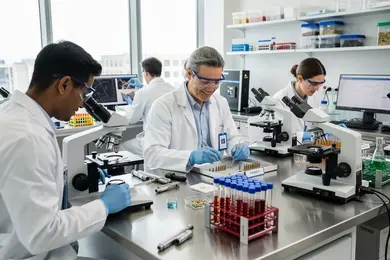
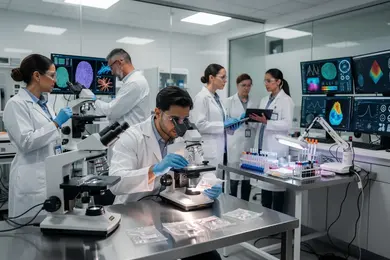
Online forensic science degree programs for instrumentation skills must bridge the gap between theoretical knowledge and immediate technical competence demanded in operational crime labs. Employers increasingly prioritize graduates who can proficiently handle advanced tools like gas chromatographs, spectrometers, and DNA sequencers from day one, responding to rapid technological shifts across the field.
A graduate trained in calibrating forensic DNA analyzers, for instance, can directly impact case throughput and accuracy in municipal labs overwhelmed by volume. This technical readiness aligns with the U.S. Bureau of Labor Statistics' projection of 13% employment growth for forensic science technicians through 2032, well above average occupational expansion rates.
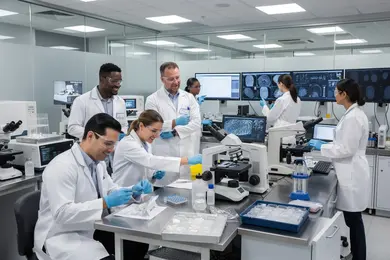
The challenge of ensuring practical instrumentation exposure within online forensic science education enhances instrumentation readiness by combining remote learning with virtual labs, local partnerships, or short residencies. These elements mitigate the common tradeoff between cost-efficient online formats and access to tactile, hands-on experience-an essential factor for meeting hiring managers' expectations and sustaining workforce efficacy.
Prospective students should carefully evaluate programs on their ability to offer verified remote instrumentation labs or coordinated internships to secure tangible skills.
For those weighing degree options, an online master's in forensic psychology may offer complementary pathways but differs significantly in instrumentation focus and lab training requirements.
How do online forensic science programs compare with campus-based options for lab and instrumentation training?
Choosing between campus-based versus online forensic science programs for hands-on instrumentation training involves critical operational tradeoffs. While online forensic science degrees with lab instrumentation training offer flexibility, they inherently lack the tactile engagement with specialized lab equipment such as chromatographs, mass spectrometers, and DNA sequencers. These instruments require hands-on calibration, troubleshooting, and maintenance skills that campus programs deliver through direct access and expert supervision.
Graduates from exclusively online tracks often face steeper onboarding challenges in public and private crime labs, where employers prioritize verified operational competence. For example, a technician hired by a public crime lab may require extended supervised training phases if their program did not include practical residencies or hybrid components, delaying independent work and increasing resource burdens.
Employers and students should consider these aspects when evaluating online options that rely on virtual simulations or video-based instruction without physical lab time. Such approaches risk producing theoretically knowledgeable candidates lacking essential equipment-handling confidence, potentially impacting long-term employability.
Practical exposure options in online models, like short-term residencies or local lab partnerships, help mitigate these gaps but can increase candidate time and financial investment. Students pursuing affordable data science degree alternatives, including forensic science, must actively seek internships or part-time roles to compensate for hands-on deficits.
Which types of forensic science degrees are available online and who are they best for?
Choosing among online forensic science degree programs for instrumentation readiness requires careful alignment with one's current background and intended job role. Associate degrees, like Georgia Military College's forensic laboratory technology program costing around $8,415 annually, fit candidates aiming for lab technician positions with limited prior science exposure but needing foundational skills in evidence handling and instrumentation.
Bachelor's programs target aspiring forensic analysts or federal investigators by delivering comprehensive science coursework and often include hybrid components to satisfy hands-on lab work. These logistical demands can be a hurdle but are necessary for developing analytical proficiency. For those with prior science education, pursuing a master's degree concentrates on supervisory or specialized roles in toxicology or digital forensics, emphasizing advanced instrumentation evaluation and research application. Such programs usually require prior degrees and local partnerships for practicum experiences, which may limit fully remote options.
Professionals transitioning from related fields must consider employer expectations: a criminal justice graduate might need to supplement knowledge with associate or bachelor's degree fundamentals, whereas biology graduates can consider accelerated paths. Cost, time investment, and access to labs remain decisive factors shaping employability and technical mastery.
For those interested in combining computer science with forensic applications, exploring an accelerated bachelor's degree computer science online can offer complementary skills that enhance career flexibility.
The best online forensic science degrees for career advancement therefore depend on balancing foundational readiness, specialization, and practical access to instrumentation training within real-world workforce demands.
How can students verify accreditation and program quality for online forensic science degrees?
Verifying accreditation is a foundational step when assessing programs, especially given that many federal forensic laboratories demand credentials from recognized paths. Checking for regional accreditation from agencies like the Middle States Commission or the Higher Learning Commission remains essential to confirm baseline academic standards. Specialized credentials, such as certification from the Forensic Science Education Programs Accreditation Commission (FEPAC), provide added assurance of curriculum rigor tailored specifically to forensic science, addressing concerns around current instrumentation and methodologies.
Practically, program quality standards in online forensic science degrees hinge not just on accreditation but also on outcome transparency-graduate employability, certification pass rates, and salary data are telling indicators. For example, Champlain College's online BS in Computer Forensics & Digital Investigations shows median earnings surpassing $89,700, reflecting a strong alignment with employer expectations and skills directly applicable to forensic and cybersecurity roles. Programs lacking faculty with active forensic industry engagement or leadership may leave students underprepared for evolving field demands.
Hands-on experience varies markedly in fully online formats. Prospective students must prioritize programs offering virtual labs, simulations, or partnerships for local internships since forensic science requires applied competencies that theory alone cannot develop. Furthermore, examining student support, career placement assistance, and alumni networks can influence workforce integration and long-term career viability.
For those balancing educational costs, comparing options with affordable related pathways such as a computer science degree online may supplement forensic expertise or serve as a strategic pivot within digital forensics sectors.
What core courses and lab experiences build instrumentation skills in online forensic science programs?
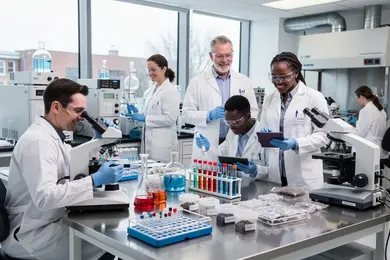
Online forensic science programs centrally hinge on developing hands-on proficiency with complex laboratory instruments, a requirement that online delivery struggles to replicate without local partnerships. Core classes immerse students in the operational principles behind gas chromatographs, mass spectrometers, and spectrophotometers, emphasizing not only technical skill but the procedural context such as calibration, validation, and troubleshooting under chain-of-custody protocols.
This instrumentation focus aligns with employer expectations that graduates demonstrate verified, real-world competence-not merely simulated familiarity. Programs integrating case-based lab modules-like fingerprint development using alternate light sources and DNA profiling with PCR and electrophoresis-enable students to translate theory into applied forensic workflows critical for evidence integrity.
Key workforce considerations include:
- Access to regional testing centers or lab partnerships is indispensable for mastering physical equipment beyond virtual labs
- Quality assurance training on maintenance logs and error documentation supports reproducibility and credibility in court settings
- Understanding instrument limitations and environmental impacts influences accurate forensic interpretation and testimony preparation
For crime scene investigators, a role projected to grow 12.8% with a median salary near $72,060 (ASU Online data), the signal to employers is clear: hiring decisions favor those who can prove documented hands-on experience aligned with industry standards rather than reliance on theoretical online coursework alone.
What are typical admission requirements and prerequisites for online forensic science degrees?
Admission into online forensic science programs requires strategic alignment of academic background and workforce goals. Graduate tracks typically mandate a bachelor's degree, while undergraduate options accept high school diplomas or GEDs. Candidates face a common prerequisite burden involving foundational biology, chemistry, and mathematics due to their direct relevance to core forensic techniques such as DNA analysis and toxicology.
Standardized testing requirements are shifting; many undergraduate programs waive the SAT or ACT for accessibility, yet graduate applicants must often submit GRE scores or demonstrate comparable professional experience, especially from lab or law enforcement settings. This poses a tradeoff between traditional metrics and practical competence.
Successful applicants in search of forensic career paths usually need documented proficiency in scientific instrumentation, supported by transcripts showing satisfactory grades in organic chemistry and statistics, alongside recommendation letters from supervisors in scientific or criminal justice contexts. These evidentiary components reflect employer expectations for both technical acumen and analytic discipline.
For professionals transitioning into forensic science, courses in digital forensics and cybersecurity increasingly substitute traditional lab science prerequisites, matching federal demand trends indicating a projected 32% growth in digital forensics roles by 2032. Programs that integrate hybrid practicums or formal internships mitigate geographic barriers but require students to balance schedules and secure stakeholder support.
How long do online forensic science programs take and what do they cost to complete?
Four-year online forensic science degrees generally match on-campus timelines but require careful consideration of practical training and costs. Students balancing work may extend completion to six years or more, influenced by lab residencies or regional partnerships that provide hands-on experience essential for employer expectations. Costs vary drastically: public in-state tuition ranges from $8,000 to $15,000 annually, while private and out-of-state options may exceed $30,000, not including supplemental expenses like lab kits, certification fees, or travel for mandatory sessions.
Arizona State University's online BS in Forensic Science graduates report median earnings near $93,750, a notable premium over the national median bachelor's salary around $69,000. This figure reflects the marketplace value placed on programs that validate both theoretical knowledge and applied instrumentation skills verified through supervised internships or credentialed lab work.
Prospective students aiming for accelerated pathways should prioritize programs that condense forensic core coursework into intensive blocks, allowing those with prior technical experience to bypass unrelated electives and meet hiring requirements faster. In contrast, novices must be prepared for a full, multidisciplinary curriculum extending over four years or more.
Financial planning must address limited access to traditional lab funding in online formats, requiring personal investment in specialized tools and software. Employer preference consistently favors graduates from accredited programs demonstrating proficiency in operating forensic equipment alongside interpreting results, heavily impacting employability and job placement timelines.
What forensic science careers rely on strong instrumentation readiness, and what roles can graduates pursue?
Instrumentation proficiency is a gatekeeper skill in forensic science careers involving toxicology, DNA analysis, trace evidence, and chemistry. Employers prioritize candidates capable of operating and maintaining complex devices like gas chromatographs, mass spectrometers, and DNA sequencers because errors or improper calibration in these instruments can distort case evidence and compromise investigations. For instance, forensic toxicologists must accurately interpret chemical data to avoid misclassifications that could mislead legal outcomes, while DNA analysts rely on stringent contamination controls to prevent wrongful identifications.
Hands-on experience with both instrumentation and associated analytical software is not optional but fundamental, impacting laboratory efficiency, quality assurance, and accreditation sustainability. State forensic labs demonstrating 20-30% reductions in backlog time underscore the operational advantage of graduates skilled in instrumentation readiness. Such practical expertise often marks the difference between employment as a forensic lab technician or research scientist and stagnant candidacy.
Choosing educational pathways with robust instrumentation training aligns more closely with market demands, as evidenced by employment data for graduates from online master's and certificate programs in forensic science. These programs support entry into roles that offer salary and growth rates surpassing general occupational averages, reflecting the value employers place on tangible technical competence combined with forensic knowledge.
Key employer expectations include:
- Proficiency in instrument calibration, troubleshooting, and routine maintenance
- Experience with analytical software used alongside instrumentation
- Adherence to quality control protocols to ensure reliable data
- Understanding contamination controls and evidence integrity procedures
What salary ranges and job outlook can graduates with online forensic science degrees expect?
Online forensic science degrees offer accessible pathways but often lack critical hands-on instrumentation training employers expect, resulting in slower entry into analytical roles. Graduates without direct experience using gas chromatography-mass spectrometry (GC-MS) or high-performance liquid chromatography (HPLC) typically begin with roles centered on documentation or preliminary data review, with salaries ranging from $45,000 to $55,000. In contrast, candidates proficient in these instruments can command starting salaries between $50,000 and $65,000, progressing to $90,000 or more after five to ten years of experience and certification, according to U.S. Bureau of Labor Statistics (2024).
By 2025, 26 fully online forensic science degrees will be available worldwide, per OnlineStudies "Forensic Science Degrees" (2025). However, prospective students should recognize the tradeoff between remote convenience and the sector's demand for in-person internships or lab access to build essential practical skills. This gap is especially pronounced in government agencies that prioritize proven technical competencies over flexible learning formats.
Employment growth in forensic science technicians is projected at 17% through 2032, driven by increasing cybercrime investigations and evolving lab technologies. Yet, private sector roles, while offering higher pay, require rapid adaptation to new instrumentation and calibration techniques. Graduates need to weigh immediate accessibility against long-term employability and income potential when choosing their educational path.
Are certifications or licensing required in forensic science, and how do online degrees prepare students?
Forensic science technicians face a fragmented regulatory landscape where certifications and licensing vary widely, yet these credentials critically shape hiring and on-the-job competence. Employers typically expect demonstrable skills in standardized instrumentation and procedural protocols rather than solely academic credentials. Online forensic science programs that neglect practical training risk producing graduates unprepared for core technologies, which undermines employability and certification exam success.
Emphasizing simulated labs, integration with forensic software, and hands-on virtual training aligns online curricula with employer demand-particularly for proficiency in computerized analytical equipment. For instance, a toxicology lab requiring mass spectrometry fluency illustrates the operational gap encountered by candidates lacking applied technical exposure. Veterans of accredited online programs often emerge with relevant skills and partnerships that ease transitions into automation-heavy environments.
Key considerations when selecting an online program include verified access to certification prep, direct interaction with forensic service providers, and opportunities for remote or in-person externships. Without these, students may face delays and additional costs to meet workforce standards. Programs combining technological rigor with certification focus address licensing variability and improve market relevance, helping candidates better navigate evolving forensic workflows and employer expectations.
Other Things You Should Know About Forensic Science
Employers often scrutinize online forensic science graduates for gaps in practical instrumentation skills, especially from programs lacking in-person components. Graduates from programs demonstrating applied training through internships or hybrid lab sessions have a competitive advantage. Candidates should verify that their program emphasizes documented lab competencies and seek supplementary certifications to strengthen their technical credibility.
Most online forensic science degrees require college algebra, general chemistry, and introductory biology before advanced instrumentation courses. Programs often expect a minimum 2.5 GPA, and some require a lab science with a grade of C or better before enrolling in spectroscopy, chromatography, or calibration modules.
For beginners, starting with a general forensic science program before specializing in instrumentation is recommended to build essential foundational knowledge. Jumping directly into instrumentation-heavy online degrees may overwhelm those lacking prior chemistry, biology, or technical experience, increasing risk of dropout or poor performance. Prioritizing foundational coursework or certifications can improve outcomes when later advancing to instrumentation-focused studies.
References
- How Much Does A Forensic Scientist Make? A Salary Overview https://www.salemu.edu/blog/how-much-does-forensic-scientist-make/
- Tips for Students Pursuing Careers in Forensic Science https://forensicstats.org/blog/tips-for-students-pursuing-careers-in-forensic-science
- Online Degree Programs from GMC Online https://online.gmc.edu/programs/forensic-laboratory-technology/
- Criminal Justice Careers in Forensic Science and Investigations https://www.shawnee.edu/blog/criminal-justice-careers-in-forensic-science-and-investigations
- Forensic Science Education Programs Accreditation Commission https://www.aafs.org/FEPAC
- Forensic Science https://www.keele.ac.uk/study/undergraduate/undergraduatecourses/forensicscience/
- Forensic Science https://icieducation.com/courses/law-justice/forensics/
- 2025 Most Popular Online Forensic Science Degrees https://www.onlineu.com/degrees/forensic-science
- Top Forensic Science Career Guide | Forensic Science Online https://www.forensicscienceonline.org/top-careers/
- Compare Forensic Scientist Schools & Training Programs https://www.criminaljusticeprograms.com/specialty/forensic-science-degrees/