2027 Best Online Forensic Science Degrees for Quantitative Lab Careers

Co-Founder and Chief Data Scientist
Analytical chemists in crime labs face intensifying pressure to deliver timely, error-free quantitative data amid growing caseloads and budget constraints. This challenge worsens as traditional, on-campus programs offer limited enrollment flexibility, conflicting with the needs of working professionals and career changers. Recent data from the National Center for Education Statistics reveals a 15% rise in adult enrollment in fully online STEM degrees since 2022, signaling a clear shift toward accessible, career-compatible education paths. This trend reflects heightened demand for programs that balance rigorous scientific training with flexible schedules. This article evaluates the best online forensic science degrees tailored for quantitative lab roles, guiding readers toward informed decisions that align with both practical career goals and real-world constraints.
Key Things You Should Know
- The Bureau of Labor Statistics projects a 14% growth for forensic science technicians through 2032, yet online quantitative lab degrees vary widely in field-specific lab internship availability, directly impacting employer-preferred practical readiness.
- Data from the National Institute of Justice show 62% of forensic lab directors prioritize candidates with hands-on digital evidence analysis experience, creating a mismatch where many online programs underdeliver on such specialized quantitative skill modules.
- State licensing disparities impose hidden costs and delays, as 48% of online forensic science graduates report protracted credentialing in high-demand states like California, complicating fast-entry strategies despite lower tuition rates.
What is an online forensic science degree and how does it prepare you for lab careers?
Choosing an online forensic science degree demands critical attention to how programs integrate lab-focused training with remote learning challenges. Employers emphasize accurate data handling and proficiency in conventional lab techniques-skills that online forensic science degree programs for lab careers must reflect. Access to validated local labs or clinical affiliates is not optional but a practical necessity to complete required hands-on practicum hours, ensuring graduates meet industry standards.
Job opportunities for forensic science technicians grow slowly, with the U.S. Bureau of Labor Statistics projecting just 1% growth and roughly 300 openings annually. This places a premium on candidates who excel in quantitative lab work and rigorous chain-of-custody procedures, making quality assurance and forensic data management specializations valuable differentiators.
For working professionals balancing schedules or geographical constraints, an online forensic science degree can offer flexibility if paired with programs that have proven employer ties and clear pathways to complete onsite requirements. However, the burden lies on students to secure those partnerships themselves or risk missing crucial experiential components.
Prospective students should carefully evaluate how programs prepare them for quantitative lab work and negotiate the tradeoffs between convenience and occupational readiness. Detailed program comparisons, such as those highlighted for an online bachelor's degree in forensic science, provide insight into affordability and alignment with workforce expectations.
How do online forensic science programs compare to campus-based options for quantitative lab training?
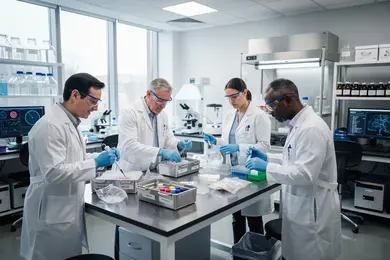
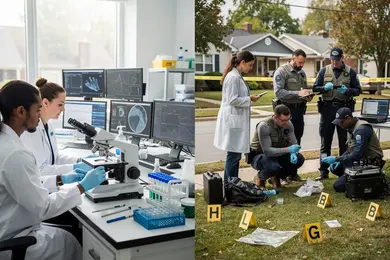
Quantitative lab skills in forensic science remain fundamentally tied to direct, hands-on experience that online forensic science degree programs for lab training often fail to provide adequately. While virtual formats can deliver theoretical knowledge, they struggle to replicate the tactile proficiency needed in forensic chemistry, toxicology, and DNA analysis, where precise instrument handling like gas chromatography-mass spectrometry calibration is central.
This gap places online-only candidates at a disadvantage compared to campus-trained technicians who benefit from structured lab rotations and real-time mentorship with industry-standard technology.
Employers explicitly prioritize forensic science professionals with validated, supervised lab experience, particularly in regions where licensing entails demonstrated accuracy and procedural rigor. The median annual wage of $67,440 for forensic science technicians reflects industry preference for candidates with tangible lab competencies tied closely to campus vs online forensic science quantitative training distinctions.
Without mandatory residencies or internships bridging theoretical study to practical application, graduates of purely online programs risk restricted employability and salary advancement.
Students evaluating online options should seek hybrid programs linked to local crime labs or forensic service providers offering supervised laboratory hours to mitigate the practical deficits inherent in remote learning. Programs lacking these partnerships often leave students underprepared for accredited forensic roles demanding stringent data accuracy and technical skill.
Forensic science aspirants must prioritize real-world training integration over convenience. Comparing learning environments is critical when assessing outcomes within a competitive job market increasingly valuing quantifiable lab proficiency. Exploring affordable pathways in related disciplines may also support strategic pivots: see this data science degrees ranking for cost-conscious alternatives expanding analytical toolsets broadly applicable in forensic contexts.
Which accreditation and quality standards should online forensic science degrees meet?
Accreditation is the decisive factor separating viable online forensic science degrees from those that fall short of workforce expectations. Regional accreditation by U.S. Department of Education-recognized bodies ensures institutional legitimacy and access to federal aid, but for forensic programs focused on quantitative lab roles, programmatic accreditation-specifically from the Forensic Science Education Programs Accreditation Commission (FEPAC)-signifies adherence to discipline-specific quality assurance criteria for online forensic science programs.
Employers in crime labs and regulatory settings consistently prioritize candidates from FEPAC-accredited programs, reflecting the premium placed on rigorous training in instrumentation, data analysis, and quality control protocols. Consider the University of Florida's online M.S. in Forensic Science, which requires 32 credits with 14 electives emphasizing laboratory coursework rather than just theory.
This curriculum design better equips students for proficiency exams and hands-on challenges frequently encountered in forensic labs. Without direct access to applied lab experience-whether via virtual simulations, remote instrumentation, or formal partnerships for on-site practice-graduates risk being uncompetitive for roles demanding demonstrated technical competence.
Prospective students frequently overlook how different accreditation frameworks directly influence employability and certification eligibility. As a practical comparison, testing programs without FEPAC-aligned rigor often lack measurable laboratory training, limiting real-world readiness.
For professionals exploring educational pivots, understanding these nuanced quality assurance criteria for online forensic science programs is essential. Additionally, those evaluating similar options might benefit from examining alternatives such as an accelerated computer science degree, which offers distinct pathways in related analytical fields.
What types of online forensic science degrees are best for quantitative laboratory roles?
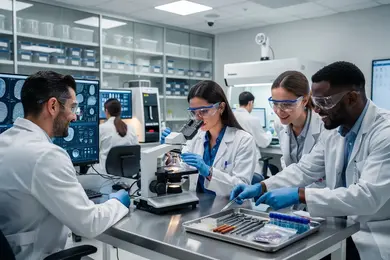
Online forensic science degrees for laboratory analysis demand more than theoretical knowledge; they require deliberate integration of advanced quantitative skills and practical lab management. Programs emphasizing forensic biochemistry, instrumental analysis, and toxicology better align with real laboratory workflows where evidence processing hinges on proficiency with instruments like GC-MS and LC-MS. Employers increasingly expect candidates for forensic chemist or technician roles to demonstrate experiential capabilities, not just academic credentials.
Choosing one of the best forensic science programs for quantitative lab careers means balancing curriculum depth with accessible hands-on training options. Candidates lacking prior lab experience should prioritize degrees offering local internships or lab residencies to avoid job-readiness gaps inherent to purely remote study. Programs integrating forensic data analysis software and statistical tools reflect the evolving job market where courtroom-ready, data-driven reports are the norm.
Cost structures also affect the decision; for instance, Stevenson University's online M.S. in Forensic Science charges $719 per credit with no hidden fees, making budgeting straightforward for working professionals. Transparent pricing contrasts with many programs burdened by ancillary costs that can extend the overall investment.
Those evaluating these degrees must also consider foundational requirements such as chemistry and statistics, often extending program duration but enhancing employability in forensic labs increasingly reliant on quantitative protocols. Prospective students seeking economical options might refer to the cheapest MLIS degree online listings for comparison, even if forensic science demands distinct specialized skills.
What core courses and lab experiences do online forensic science programs typically include?
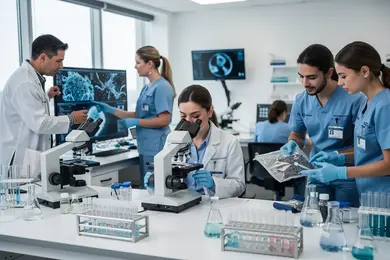
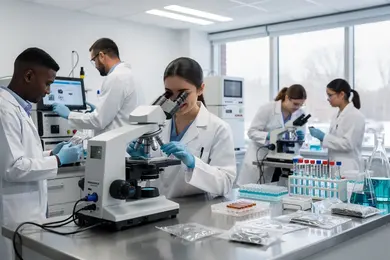
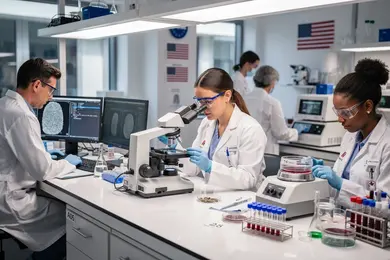
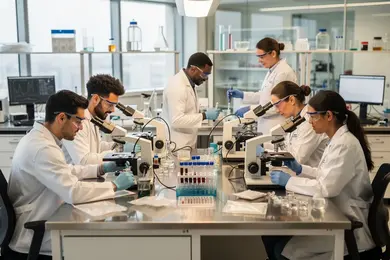
Online forensic science programs often face a crucial balancing act between theoretical coursework and authentic lab experience, which is essential for credibility in the field. Core courses such as crime scene investigation, forensic chemistry, molecular biology, toxicology, and forensic DNA analysis provide foundational knowledge, but practical proficiency in techniques like chromatography, microscopy, and electrophoresis is what employers prioritize for quantitative lab roles.
Remote delivery of lab components presents significant challenges. Programs adapt through virtual simulations, mailed lab kits, or hybrid arrangements that require students to access physical forensic-standard equipment locally. This necessity can restrict options for candidates based on geographic location and financial resources, adding hidden costs or logistical barriers.
For instance, the Arizona State University forensic science degree mandates 120 credit hours to reflect the extensive preparation needed for specialized areas such as forensic toxicology and DNA sequencing. This volume signals both the program's demands and the employer expectation of validated lab experience to ensure reliable evidence handling and data accuracy.
Prospective students should carefully assess how each program delivers its lab requirements and factor in potential extended timelines or added expenses for in-person components. Decisions informed by these operational realities better position individuals to meet workforce standards and technical skill requisites without unwelcome surprises.
What admission requirements and prerequisites do online forensic science programs expect?
Forensic science online programs demand more than general interest; they require applicants to hold a relevant bachelor's degree-often biology, chemistry, forensic science, or a related STEM field-and meet minimum GPA standards typically ranging from 3.0 to 3.3. Admission hinges on completing rigorous prerequisites such as general and organic chemistry with labs, biology, and statistics, which align with employer priorities for candidates proficient in data analysis and laboratory instrumentation.
Employers expect graduates to arrive ready to manage complex technical tasks, so programs compress intense lab work into accelerated formats to maintain depth without sacrificing time, as seen in structures like ASU's 7.5-week course modules. Applicants must also demonstrate quantitative skills, often via GRE scores or prior coursework, underscoring the practical demands of forensic careers where data accuracy and methodical lab work are non-negotiable.
Key factors for prospective students include:
- Meeting prerequisite science and math coursework before enrollment
- Building quantitative proficiency to meet employer technical standards
- Anticipating background checks that can delay or bar admission
- Considering program pacing and intensity relative to personal responsibilities
Workforce realities impose additional hurdles: a criminal background check or security clearance may be necessary, reflecting the sensitivity of forensic environments. Deferred admission is rare, as programs seek immediate technical readiness.
Students balancing full-time jobs with these demanding schedules face the risk of protracted time-to-degree if prerequisites are incomplete, making upfront preparation a strategic necessity in career transitions.
How long do online forensic science degrees take, and what do they cost?
Choosing an online forensic science degree involves balancing time investment, cost, and realistic career outcomes. Bachelor's programs generally require about four years full-time, while associate degrees can be completed in roughly two years, offering faster entry into technician roles but typically limiting advancement potential. Master's degrees add one to two years beyond a bachelor's and notably improve eligibility for higher-paying quantitative lab positions that some employers specifically demand for team leadership or specialized analysis roles.
Key considerations include:
- Program length: Extended durations can delay workforce entry but may open advanced job opportunities.
- Cost range: Associate degrees tend to cost $6,000-$15,000, bachelor's $20,000-$60,000, and master's $15,000-$40,000, exclusive of additional expenses like software and remote lab equipment.
- Mandatory projects: Capstone or lab practicums offered remotely require careful scheduling and can extend completion time.
From a workforce perspective, forensic science technicians report a median wage near $67,440, with the top 10% exceeding $110,590, reflecting a steep earnings curve that favors advanced qualifications. For example, a working professional aiming to move into a quantitative specialist role must factor in the need for a master's degree and the associated commitment, balancing employer requirements with personal and financial constraints.
Such tradeoffs underscore the value of assessing programs not only by duration and tuition but also by alignment with specific career trajectories and employer credential expectations within forensic science analysis teams.
What forensic science and laboratory careers can you pursue with an online degree?
A degree in forensic science obtained online must be evaluated through its capacity to provide hands-on skills critical for laboratory and crime scene work, a challenge given the remote format. Employers in public and private sectors emphasize technical proficiency with instrumentation and dependable quantitative data interpretation, making programs with embedded lab residencies or local partnerships far more viable for employability. Candidates lacking in-person lab experience often face significant barriers, despite strong theoretical knowledge.
Cost considerations weigh heavily in decision-making: on-campus master's programs in forensic science often exceed $57,000, while accredited online public universities typically reduce expenses by up to 40%, offering a meaningful return for working professionals seeking advancement in forensic labs. However, cost savings must be balanced against potential skill gaps that can delay credentialing or hiring.
Real-world job requirements increasingly demand the ability to analyze complex quantitative data efficiently, especially in sectors like drug testing and environmental forensics where remote data processing is common. Prospective students should critically assess the rigor of virtual labs, curriculum emphasis on bioinformatics, and availability of local internships to avoid postgraduation credentialing delays.
Deciding on an online forensic science degree involves weighing these tradeoffs to align program features with workforce realities, ensuring technical readiness and practical experience outweigh convenience and cost.
What are the salary expectations and job outlook for forensic science lab professionals?
Salary potential for forensic science lab professionals varies distinctly by setting and experience, creating a critical decision point for candidates evaluating educational investments. Entry roles in state or local crime labs often start near $50,000, whereas federal agencies and specialized labs can offer $90,000 or more, reflecting the premium on advanced certifications and practical lab skills.
This variance highlights that aspiring professionals must balance location preferences against workload pressures and compensation expectations, with urban labs generally paying more but demanding higher caseloads. The projected 14% job growth through 2032 points toward sustained demand, particularly in DNA analysis and digital forensics, yet employers consistently prioritize hands-on experience and recognized accreditation.
For students weighing programs with net costs ranging from approximately $10,700 to $27,000, ROI is tied not only to tuition expense but also the extent of practical training and industry connections that influence employability.
- Median forensic science technician salary: About $62,000 (BLS, 2024)
- Job growth: 14% from 2022 to 2032 (BLS)
- Salary range varies $50,000 to $90,000+ depending on location and experience
- Educational costs can range from $10,742 to $27,150, influencing ROI (UniversityHQ, 2026)
- Hands-on lab experience and recognized accreditation strongly impact employability
Operational proficiency with computerized instrumentation, quality assurance, and forensic report writing distinguishes candidates in this competitive field. Moreover, federal lab positions often require graduate-level education and advanced certification, reflecting stricter selection criteria.
How can you evaluate and choose a reputable online forensic science program?
Accreditation verification is the most reliable way to gauge an online forensic science program's legitimacy, with recognized bodies like the Forensic Science Education Programs Accreditation Commission (FEPAC) serving as gatekeepers to employer-valued credentials. Candidates targeting forensic lab positions, especially at federal or state levels, must confirm the program includes validated practical training-often unavailable in fully remote formats without hybrid or local partnerships-since theoretical knowledge alone rarely suffices for evidentiary handling or lab technique proficiency.
Employment outcomes provide critical insight into program effectiveness. The median wage for forensic science professionals is approximately $67,440, with limited industry growth, making tuition transparency and demonstrated certification exam pass rates vital metrics for evaluating return on investment. Programs embedded in regional law enforcement or forensic consulting networks typically offer better career navigation opportunities through alumni connections and targeted support.
Curricula should reflect current industry standards, incorporating DNA analysis, digital forensics, and crime scene methodologies alongside supervised internships or lab components. Prospective students working full time must weigh the demands of hands-on requirements against course flexibility, as practical assessments frequently extend beyond virtual class hours.
Career services tailored explicitly to forensic science aid in managing licensure and professional certifications, areas often overlooked yet essential for workforce entry. Without such support, graduates risk stalled transitions despite academic qualifications, underscoring the need to prioritize realistic skills acquisition and practical exposure within program selection.
Other Things You Should Know About Forensic Science
Online forensic science programs vary significantly in how they integrate hands-on lab training. Programs with strong partnerships that offer local lab placements or simulated labs tend to produce graduates who meet employer expectations for quantitative analysis skills. Students must prioritize programs with verified, structured practical components rather than purely theoretical coursework, as employers expect proficiency in actual lab techniques, not just data interpretation.
Practical chemistry experience is a critical factor for quantitative forensic lab roles. Online degrees that lack comprehensive chemistry labs limit graduates' readiness for tasks like toxicology or drug analysis. Prospective students should select programs that either include in-person lab residencies or provide access to advanced virtual labs with real-world sample analysis exercises to ensure marketable skill development.
In 2027, top online forensic science programs for quantitative lab careers include offerings from Arizona State University, University of Florida, and Penn State World Campus. These programs are recognized for their comprehensive curriculum, experienced faculty, and strong emphasis on laboratory skills essential for quantitative analysis in forensic science.
Look for institutional accreditation from a U.S. Department of Education-recognized regional accreditor, plus program-level approval where available. Forensic science degrees should also include lab-intensive chemistry, statistics, and instrumentation coursework, and employers often prefer programs with documented quality standards and validated transcripts.
References
- How To Become a Forensic Scientist: Requirements & Steps https://www.forensicscolleges.com/blog/htb/how-to-become-forensic-scientist
- Educational Standards (EQS) - The Chartered Society of Forensic Sciences https://www.csofs.org/quality-standards/educational-standards/
- Forensic Scientist Salary: State-by-State Median Guide https://www.allcriminaljusticeschools.com/forensics/salary/
- 2025 Most Popular Online Forensic Science Degrees https://www.onlineu.com/degrees/forensic-science
- B.S. in Forensic Science | Rivier University https://www.rivier.edu/academics/all-programs/b-s-forensic-science/
- Alabama Department of Forensic Sciences https://adfs.alabama.gov/about/accreditation
- Forensic | Standards Council of Canada https://scc-ccn.ca/accreditation-scheme/forensic
- Compare Forensic Scientist Schools & Training Programs https://www.criminaljusticeprograms.com/specialty/forensic-science-degrees/
- Online Forensic Science Degree https://www.aiuniv.edu/degrees/criminal-justice/bachelors-forensic-science
- Blogs https://aifset.com/blogs/career-opportunity-after-enterance-exam.html