2027 Online Forensic Science Degrees for Students Who Want Field-and-Lab Hybrid Paths

Co-Founder and Chief Data Scientist
Forensic science students juggling full-time jobs or family obligations often find rigid, on-campus schedules incompatible with hands-on, hybrid training models essential for field and lab competency. The growing enrollment of adult learners, which the National Center for Education Statistics reports as over 40% of undergraduates in recent years, underscores the demand for flexible, experiential programs that integrate remote learning with in-person practicums.
This shift challenges traditional forensic science degrees to balance accessibility with rigorous skill development essential for employment readiness in law enforcement and private sectors. This article examines online forensic science degree options emphasizing hybrid pathways, helping students navigate program structures aligned with workforce demands and personal constraints.
Key Things You Should Know
- Hybrid forensic science degrees combine online theory with mandatory in-person labs, extending completion times by 20-30% versus fully on-campus models, impacting opportunity costs for working students, per 2024 National Center for Education Statistics data.
- Employers prioritize graduates with verified hands-on lab proficiencies; 73% of forensic employers in a 2024 Bureau of Labor Statistics workforce survey rate hybrid credentials as less immediately job-ready than traditional degrees.
- Program costs vary sharply as field-lab hybrid formats incur added expenses for supervised practicum components, causing average tuition premiums of 15-25%, affecting candidate access from lower-income groups, according to 2024 College Board findings.
What is an online forensic science degree and how does it blend field and lab work?
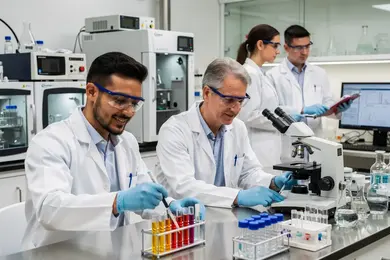
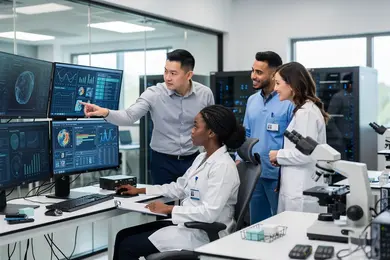
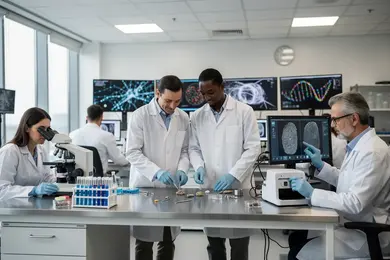
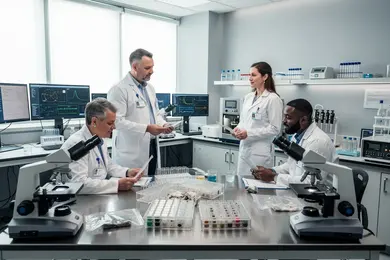
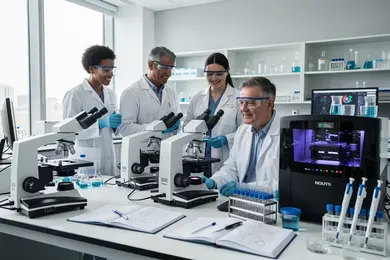
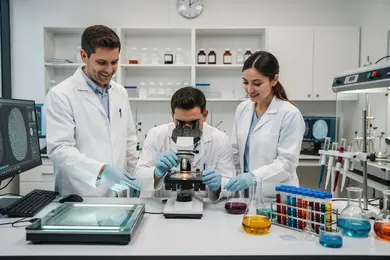
Forensic science roles demand immediate practical competence that many purely online programs fail to deliver, making hybrid forensic science education blending practical fieldwork and laboratory training a necessary compromise. Programs that combine remote coursework with verified hands-on experiences in local crime labs or police departments provide realistic skill development unavailable through simulations alone.
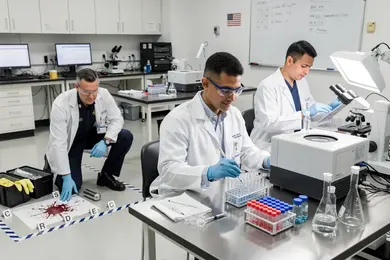
This blended approach addresses specific employer expectations: graduates must confidently operate analytical instruments and collect evidence according to strict protocols without prolonged on-the-job training. For example, a student might complete evidence analysis theory online, then apply those methods during scheduled hours at a crime scene or forensic lab internship, ensuring both conceptual understanding and procedural proficiency.
Outcome-wise, the U.S. Bureau of Labor Statistics forecasts a 14% growth in forensic science technician jobs over the decade, translating to roughly 2,700 annual openings. However, students should scrutinize how online forensic science degree programs with field and lab components verify hands-on competencies and arrange in-person requirements before committing. Insufficient real-world practicum risks limited employability in the increasingly competitive job market.
Given these tradeoffs, prospective students might also explore related pathways such as an online master's degree in forensic psychology depending on their career focus and flexibility needs.
How do online forensic science programs compare with campus-based options for hands-on training?
Online forensic science hands-on training opportunities are constrained by the inherent limitations of virtual environments, which cannot fully replicate the nuanced, tactile skills demanded by crime scene investigators or medical scientists specializing in forensic toxicology. For example, true competency in evidence collection or laboratory instrumentation calibration requires physical interaction that online simulations lack. This creates a critical tradeoff for students choosing hybrid forensic science degree programs and traditional campus-based training, as the latter integrates supervised labs and fieldwork, fostering direct skill acquisition valued by employers.
Employers commonly prioritize candidates with verified, face-to-face experience due to the practical nature of forensic roles. The U.S. Bureau of Labor Statistics projects 12.8% job growth for crime scene investigators and 8.7% for medical scientists, along with median salaries of $72,060 and $103,410 respectively, highlighting the market's demand for professionals adept in both analytical and investigative tasks.
Students pursuing online forensic science programs should verify that structured partnerships with local law enforcement or accredited laboratories exist to fulfill mandatory internships or practicums. Without these, graduates often face a skills gap that directly impacts employability, requiring significant independent effort to secure practical placements.
Those evaluating educational pathways must weigh practical training limitations against flexibility. For context on earning potential in related roles, consider research on how much do autopsy techs make, which reflects the broader forensic science workforce landscape.
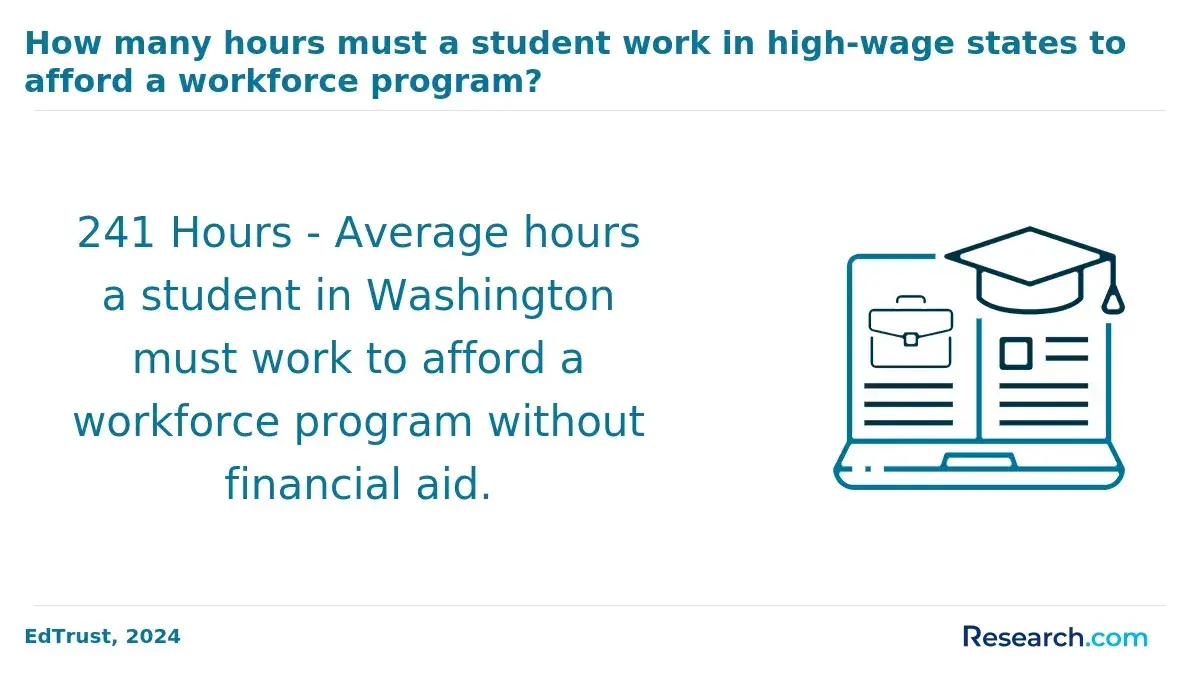
What types of forensic science degrees and hybrid program formats can you earn online?
Choosing an online forensic science degree program with hybrid field and lab training involves navigating a critical tradeoff between flexibility and essential hands-on skill development. Employers in forensic labs and law enforcement expect graduates to convincingly demonstrate applied competencies beyond theoretical knowledge, a standard that fully remote degrees struggle to meet without incorporating in-person experience.
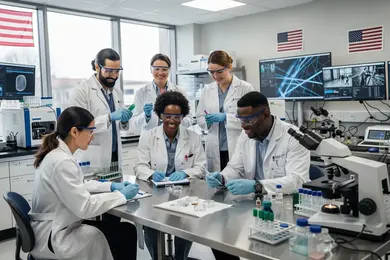
Accredited forensic science degrees combining virtual and hands-on learning typically deploy hybrid formats where students complete core coursework online while fulfilling practical obligations through scheduled on-campus residencies, partnerships with local certified labs, or supervised internships. These arrangements respect geographic constraints but demand early planning for travel and scheduling to comply with accreditation and employer requirements.
Common program structures includeFully online classes combined with intensive, short-term lab residencies to minimize disruptionCollaborations with nearby labs providing local supervised practical assignmentsCapstone projects or internships involving on-site case simulations to ensure proficiency and professional networkingAttempting to bypass hands-on components often limits career trajectories to entry-level technician roles, as forensic science occupations increasingly mandate documented laboratory and courtroom readiness skills. Students should weigh the logistical and financial commitments of hybrid training against the employability benefits offered by credible, competency-validated credentials.
For individuals evaluating science-related degrees with practical applications, comparing requirements, outcomes, and delivery models-including online exercise physiology degree programs-can clarify which pathway aligns realistically with professional goals and life circumstances. More detailed program analyses can be found at online exercise physiology degree.
How can you verify accreditation and program quality for online forensic science schools?
Employers in forensic science increasingly demand graduates from programs with verified accreditations that impact practical readiness and industry credibility. To verify online forensic science program accreditation in the United States, prioritize regional accreditation from recognized bodies such as the Higher Learning Commission or Middle States Commission on Higher Education. Equally important is discipline-specific accreditation or endorsement from entities like the American Academy of Forensic Sciences or FEPAC, which aligns curriculum rigor and supervised lab exposure with employer standards.
Quality standards for accredited forensic science degree programs extend beyond theoretical content to include in-person or hybrid practicums. Absence of hands-on lab work diminishes candidates' job market competitiveness, especially in specialized roles like forensic toxicology, where familiarity with lab protocols is essential. These practical components differentiate programs that prepare graduates for immediate workforce demands versus those focusing solely on academic theory.
The financial dimension notably shapes return on investment. Some accredited online master's charge under $600 per credit, while public universities may vary dramatically-$327.32 per credit in-state compared to $1,234.15 for out-of-state-making residency a critical factor when assessing debt relative to earning potential. Prospective students should analyze tuition structures meticulously, factoring in both accreditation and cost-effectiveness relative to career goals.
For those weighing options, recommended steps include:
- Consulting the U.S. Department of Education's Database of Accredited Postsecondary Institutions and Programs for official recognition.
- Checking professional forensic science certification boards to verify program endorsements.
- Reviewing curriculum and practicum requirements to confirm alignment with employer expectations.
- Assessing tuition and residency status impact on debt-to-earnings projections.
Working professionals reconsidering educational pathways might also explore related fields, such as a library degree, which can offer alternative career advancement opportunities.
What courses, labs, and field experiences are included in typical online forensic science curricula?
Online forensic science programs must balance theoretical instruction with practical skill development, a challenge that shapes graduate readiness. Core coursework addresses forensic biology, chemistry, toxicology, crime scene analysis, digital forensics, and evidence law, providing foundational concepts. Yet, the real test lies in translating this knowledge to lab and field environments, which are often adapted via virtual labs or limited in-person sessions to fit online formats.
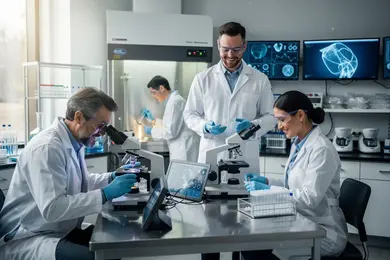
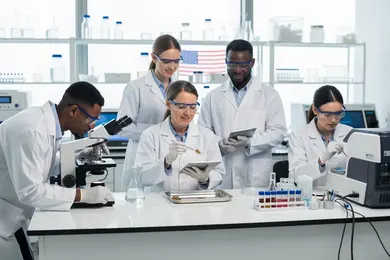
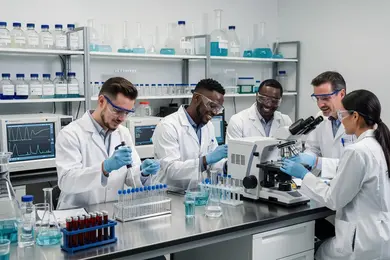
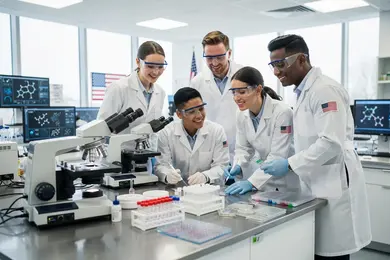
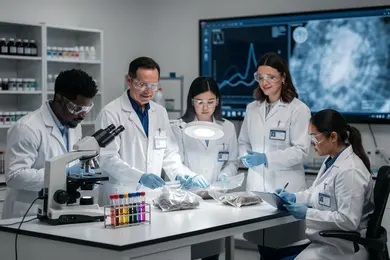
The lab work focuses on precise chemical and biological methods such as DNA analysis, chromatography, and microscopy. These skills are essential for roles like chemists or biological technicians where accuracy and reproducibility are non-negotiable. In contrast, field experiences emphasize procedure-driven evidence collection, crime scene documentation, and situational adaptability, which are central to effective crime scene investigations.
Programs that integrate practicum or internships in agencies or labs offer critical exposure to operational realities, highlighting a key tradeoff: students must carefully assess whether a program's hybrid structure sufficiently prepares them for hands-on demands. Outcome data reveal meaningful divergences in employment outlooks-with crime scene investigators seeing higher projected job growth (12.8%) but lower median salaries ($72,060) compared to chemists (4.9% growth, $91,240 median salary) or biological technicians (3.5% growth, $57,510 median salary). This underscores how career focus shapes the return on educational investment.
- Lab precision skills align with technical scientific roles requiring meticulous methods
- Field adaptability and procedural rigor are critical for investigative positions demanding on-the-spot decision-making
- Program exposure to real-world settings enhances employer alignment and employability
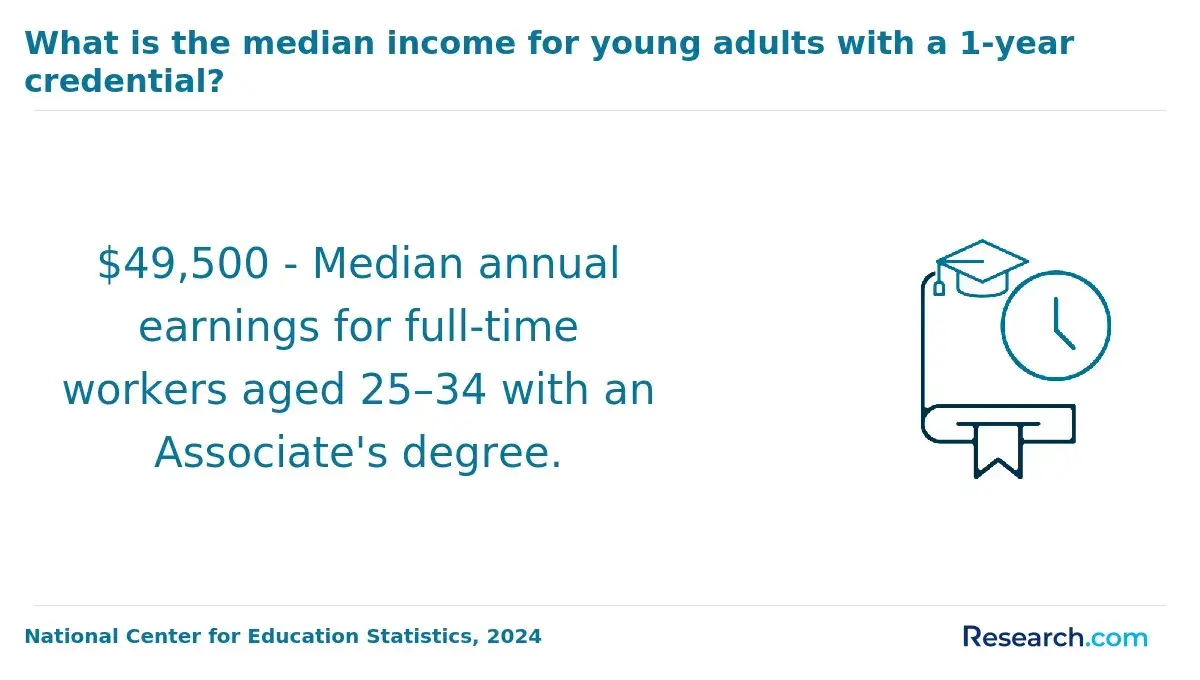
What admission requirements and technical skills do online forensic science programs expect?
Online forensic science programs demand more than a bachelor's degree in biology, chemistry, criminal justice, or computer science combined with a 3.0 GPA. Many accept substantial industry experience in place of formal degrees, especially for working professionals, reflecting a practical acknowledgment of skills over credentials. Candidates must have foundational science and forensic coursework completed before enrollment, alongside strong quantitative competencies and familiarity with lab protocols aligned with forensic workflows.
Technical expectations cover evidence collection, chain of custody, and lab safety, but the current market increasingly values digital forensic skills like cybersecurity and data recovery. For instance, a student specializing in a hybrid track involving physical evidence and digital crime scene investigation gains an advantage, as employers prioritize multifunctional expertise applicable across varied forensic scenarios.
Financially, those with computer forensics and digital investigation skills outperform peers; median earnings hit $89,716 (OnlineU), indicative of the premium placed on digital forensic capabilities in both law enforcement and private sectors.
Prospective students must weigh the difficulty of balancing online coursework with hands-on experience, often requiring access to local labs or virtual simulations. Graduates must be operational on standard forensic tools immediately, meaning practical readiness-including use of instrumentation and software-is non-negotiable for employment and progression.
How long do online forensic science degrees take and what do they cost to complete?
Choosing an online forensic science degree demands weighing completion time against practical workforce preparation, especially given widespread employer preference for hands-on experience alongside credentials. Associate degrees generally take about two years, bachelor's programs around three to four, and master's degrees add approximately 1.5 to two years post-bachelor's. Hybrid formats extending online coursework with fieldwork and lab training increase duration but may be necessary for roles requiring credible applied skills.
Cost variations reflect institutional type, residency, and program design. Public in-state bachelor's tuition typically ranges from $20,000 to $35,000 total, while private institutions charge between $40,000 and $70,000. Graduate paths cost $15,000 to $45,000, often higher for digital forensics tracks due to specialized technology fees. Credit pricing between $300 and $800 per unit adds variability, with hybrid students potentially facing additional expenses for lab kits or regional internships not always compensated by financial aid.
Professionals pivoting careers must assess the tradeoff between accelerated programs or credit transfers and the premium that employer hiring managers place on accredited programs combined with verifiable practical training. Enrollment trends indicate a growth in digital forensics and cyber investigation specialties, signaling a market demand aligned with cybersecurity, fraud prevention, and investigative skills.
Employers in evidence handling and cybersecurity sectors increasingly favor candidates who supplement online coursework with real-world application, making program format and duration critical factors in educational strategy.
What forensic science careers best fit graduates seeking field-and-lab hybrid roles?
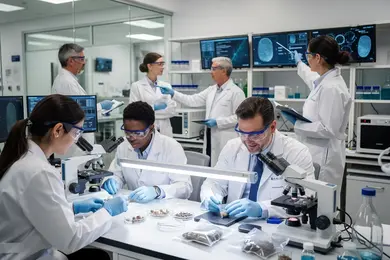
Hybrid roles combining field collection with laboratory analysis demand a unique balance of skills and often yield divergent career outcomes depending on specialization. Forensic professionals focusing on toxicology or biological sciences routinely split their duties between on-site evidence gathering and controlled lab work, requiring mastery of both investigative rigor and technical protocols.
Consider a forensic biologist employed at a regional crime lab: morning hours might be devoted to collecting DNA or tissue samples at crime scenes, while afternoons involve DNA sequencing or processing in the lab. This dual responsibility inevitably requires strong organizational abilities, adherence to chain-of-custody standards, and familiarity with both law enforcement and scientific procedures.
Salary data illustrates the tradeoffs involved. Clinical trial and health sciences managers average median wages above $167,000 with steady job growth, reflecting premium compensation for specialized hybrid roles. In contrast, biological scientists and chemists, often viewed as generalists, report median salaries between $91,000 and $99,000 with slower growth. Aspiring hybrid forensic professionals must weigh potential wage gains against additional certifications or graduate-level education needed to secure such positions.
Geographic location further constrains opportunities: metropolitan regions with forensic crime labs or research hospitals concentrate hybrid jobs, while rural or remote areas force candidates to choose between predominantly field or lab work. Moreover, ongoing training, shift schedules, and on-call demands shape candidate suitability.
- Balancing certifications with work environment preference is crucial for employability.
- Strong hands-on experience across both field and lab settings is a hiring prerequisite.
- Real-world constraints like geography and shift patterns influence career trajectory.
What are salary ranges and job outlook for forensic science professionals in the United States?
Salary ranges for forensic science professionals in the U.S. typically span from $54,000 to $93,000 annually, but this broad range masks significant variation driven by specialization, location, and credentialing. For instance, digital forensics analysts and forensic pathologists generally command salaries at the higher end due to growing demand for cyber investigation and medical expertise within law enforcement and private sectors.
Entry-level positions usually start between $54,000 and $60,000, although metropolitan forensic labs often offer premiums reflecting more complex caseloads and better funding. Candidates holding advanced degrees or certifications can reduce time-to-employment substantially-especially through transfer-friendly programs that cut traditional master's tuition by up to 40%, as reported by the University of Maryland Global Campus. This financial and temporal efficiency is crucial for professionals transitioning from fields like criminal justice or biology.
Certification delays and regional differences in regulatory requirements introduce friction that can slow initial job placement and affect salary negotiation leverage. Employers increasingly value hybrid skill sets combining field investigations and lab proficiency, particularly in toxicology and crime scene analysis. Staying current with digital forensic technologies is essential as agencies integrate cyber capabilities, making this niche a source of upward salary mobility.
- Forensic science technician roles anticipate a 14% job growth rate from 2024 to 2034, outpacing many other occupations
- Salary variability hinges on geographic region, certifications, and specialization
- Advanced degrees correlate with faster placement and higher earnings but require navigating transfer and certification challenges
Are certifications, licensing, or background checks required for forensic science careers?
Forensic science careers demand strict adherence to certification, licensing, and background verification protocols, with compliance often determining employability and long-term career viability. Positions within government-run or federally accredited crime labs typically require comprehensive criminal background checks, fingerprinting, and ongoing security screenings to safeguard evidence integrity and meet legal standards. For example, a forensic analyst with undisclosed prior offenses may face disqualification despite academic credentials.
Licensing mandates differ by state and specialization. Medical examiners and forensic pathologists require professional medical licenses, while forensic technicians usually rely on certifications from recognized entities such as the American Board of Criminalistics or the International Association for Identification. These certifications convey validated practical expertise, influencing hiring decisions and salary prospects more than degree completion alone.
Online forensic science degree programs increasingly align curriculum with certification exam preparation and regulatory prerequisites but cannot replace mandatory state or federal background checks and licensing requirements. Prospective students must evaluate whether their chosen programs address these elements, as failure to meet credentialing standards compromises job placement opportunities.
Key considerations for evaluating forensic science pathways include:
- Confirming precise licensing and certification requirements relevant to the intended forensic discipline and jurisdiction.
- Selecting programs with integrated training for recognized forensic certification exams.
- Preparing for mandatory criminal background and fingerprint checks as preconditions for employment.
- Recognizing specialized roles may require periodic credential renewals and compliance monitoring to retain eligibility.
Other Things You Should Know About Forensic Science
Look for regional institutional accreditation and, when available, programmatic review by the Forensic Science Education Programs Accreditation Commission. Regional accreditation supports credit transfer and graduate admission. FEPAC review signals that core laboratory training meets field standards, including evidence handling, quality assurance, and chain-of-custody practice.
Online forensic science degrees vary widely in how they incorporate fieldwork. Programs that provide structured local internships or supervised field exercises give students a distinct advantage over those relying solely on virtual simulations. Prioritize programs with clear, mandatory field placements because crime scene investigation requires situational judgment and procedural rigor that cannot be mastered through theory alone.
In 2027, online forensic science degrees increasingly incorporate virtual labs and simulations to teach analytical skills. Many programs partner with local facilities for fieldwork. This blend allows students to apply theoretical knowledge in real-world settings, effectively preparing them for hybrid roles.
Employers generally value the reputation of the institution and evidence of practical experience over just the delivery format of the degree. An online forensic science degree supplemented by verifiable internships, certifications, and demonstrated skills is competitive. However, candidates from programs lacking rigorous lab and field components face skepticism. When selecting a degree, prioritize programs that ensure robust hands-on training and employer networking opportunities.
References
- Educational Requirements for Forensic Science: From Courses to Certification https://www.scuhs.edu/mshgg-article/educational-requirements-for-forensic-science-from-courses-to-certification/
- Careers in Forensic Science https://www.aafs.org/careers-forensic-science
- Top Online Forensic Science Degree Programs https://www.forensicscolleges.com/online
- Online Forensic Science Degree https://www.aiuniv.edu/degrees/criminal-justice/bachelors-forensic-science
- Careers in forensic science https://www.justice-ni.gov.uk/articles/careers-forensic-science
- Forensic Science Majors https://www.hamline.edu/academics/undergraduate/forensic-science
- Top Online Forensic Science Degrees: Best Programs for 2024 https://www.onlinecolleges.me/criminal-justice-degrees/bachelors/forensic-science/
- How to become a forensic science technician | edX https://www.edx.org/become/how-to-become-a-forensic-science-technician
- Forensic | Standards Council of Canada https://scc-ccn.ca/accreditation-scheme/forensic