2027 Online Forensic Science Degrees for Students Who Want Leadership Paths in Forensic Labs

Co-Founder and Chief Data Scientist
Forensic science professionals eyeing leadership roles within forensic labs often confront a core dilemma: how to advance credentials without interrupting demanding work schedules or relocating. With over 40% of adult learners enrolling in online programs according to the National Center for Education Statistics data from 2024, flexibility has become a decisive factor. This shift reflects broader structural changes in workforce development, where asynchronous coursework and remote study enable mid-career specialists to pursue advanced degrees while maintaining professional momentum. However, not all programs equally prepare candidates for supervisory positions, requiring careful program selection. This article examines online forensic science degrees designed to equip students for leadership trajectories and offers practical guidance for navigating these choices effectively.
Key Things You Should Know
- Online forensic science leadership tracks show 12% higher salary growth over five years but require 20-30% more self-directed lab experience to meet employer expectations, per the Bureau of Labor Statistics 2024 data.
- Agencies prioritize candidates with certifications combined with leadership-focused degrees, increasing hiring competition by 25%, indicating standalone academic credentials often fall short for supervisory roles.
- Extended online degree timelines average 6-8 months longer due to asynchronous lab modules, raising opportunity costs by 15%, a critical factor for mid-career professionals balancing advancement versus income disruption.
What are online forensic science degrees for lab leadership careers?
Online forensic science degrees for leadership roles in forensic labs must balance technical rigor with managerial competence to effectively prepare candidates for supervisory positions. Graduates are expected to navigate the dual demands of evidence interpretation and operational management, including enforcing protocols, overseeing accreditation compliance, and managing multidisciplinary teams. For example, directing a state crime lab requires not only ensuring forensic accuracy but also allocating resources strategically and maintaining personnel certification standards.
These programs integrate forensic methodologies such as case analysis, forensic chemistry, DNA technology, and digital forensics with leadership training tailored to real-world laboratory contexts. However, prospective students should carefully evaluate programs based on their emphasis-some prioritize technical specialization while others lean into administrative oversight.
For working professionals, online forensic science degrees for leadership roles in forensic labs offer flexibility but often include proctored remote exams or occasional on-campus requirements to verify hands-on competencies. This hybrid format presents a tradeoff between convenience and maintaining rigorous skill validation.
Employment growth for forensic science technicians is projected at 11% through 2031, exceeding average occupational growth and highlighting rising demand for leaders adept in evolving technologies and quality standards. Practical workforce considerations also include compensation ranges, with resources like the FBI profiler salary data providing relevant benchmarks for leadership positions. Prospective students should weigh these factors when selecting forensic science education paths for forensic lab management careers to optimize their long-term trajectory.
Which accreditation matters for forensic science programs?
Regional or national accreditation alone insufficiently qualifies forensic science programs for preparing students targeting lab leadership. The Forensic Science Education Programs Accreditation Commission (FEPAC) endorsement is essential, reflecting strict discipline-specific standards upheld by employers, especially government agencies and major crime labs. Graduates from non-FEPAC programs often face practical challenges integrating into labs that require compliance with ISO 17025 or chain-of-custody protocols embedded in accredited curricula. This gap can delay onboarding, limit advancement to supervisory roles, and reduce eligibility for specialized forensic certifications.
Forensic science lab leadership certification standards hinge heavily on FEPAC accreditation, which also enhances access to vetted internships critical for hands-on proficiency. Bachelor's and master's degrees lacking this accreditation tend to be undervalued during hiring, particularly in competitive urban or state-run labs. Students should note that regional accreditation remains a baseline for credit transferability and federal aid, but it does not replace the functional importance of FEPAC for forensic lab careers.
Financially, the median wage for forensic science technicians reached $67,080, rising nearly 5% since 2021, emphasizing employer preference for vetted skills and accredited education pathways. Prospective students evaluating forensic programs must balance these factors with market demand realities and specialized certification prerequisites.
Those interested in broader STEM-related career trajectories might also explore high-paying jobs with environmental science degree for comparative outcomes and labor market insights.
How do online and campus forensic science programs compare?
Online forensic science degrees versus campus programs reveal critical distinctions in skill acquisition and employability. Online programs offer flexibility for working professionals, accelerating theoretical knowledge without geographic constraints, but often lack the tactile lab experience essential for handling sophisticated instruments like chromatography or DNA sequencers. This tradeoff impacts candidates aiming for supervisory roles where demonstrated in-person command of equipment and leadership under case pressures are decisive.
Campus-based programs still dominate for pathways into federal or specialized agencies, leveraging research collaborations and security clearance pipelines unavailable remotely. Although online degrees increasingly incorporate virtual simulations and curated internships, employer preference often gravitates toward graduates with direct supervisor mentorship gained on-site. These nuances matter when evaluating differences between online and traditional forensic science education.
Arizona State University Online reported 52,896 online learners in 2026, reflecting the normalization of online STEM education and expanding peer networks for students who otherwise face rural or shift-work barriers. Yet, campus programs remain the preferred route for immersive interpersonal training and real-time decision-making experience critical to forensic leadership.
Students considering a strategic shift in forensic science should also review specialized resources such as the best online exercise science degree to understand the evolving landscape of online learning models and practical outcomes.
What courses are in a forensic science leadership curriculum?
Effective forensic science leadership training programs focus on navigating complex operational and legal challenges within forensic laboratories. Management courses emphasize forensic laboratory administration, including budgeting, quality assurance protocols essential for maintaining ISO 17025 accreditation, and human resource oversight. These are critical skills since compliance lapses can lead to costly litigation and damage lab credibility.
Students in forensic science management courses in online degrees confront practical scenarios such as balancing technical validation, staff training, and financial constraints during the implementation of new analysis platforms. For instance, a lab director overseeing a DNA analysis upgrade must integrate strategic planning with resource allocation to minimize operational disruption.
Curricula routinely cover forensic ethics, chain-of-custody regulations, and expert witness testimony preparation, reflecting real-world responsibilities that lab leaders face in court. Data management and forensic informatics also receive emphasis, preparing leaders to handle digital evidence and generate secure investigative reports amid rising technology integration.
As distance learning expands-highlighted by 27 global online forensic science degrees in 2025-programs increasingly incorporate remote team coordination and virtual evidence reviews. This evolution addresses the practical realities of managing geographically dispersed staff and multi-agency collaboration.
For professionals weighing wider educational options, a library sciences degree may also offer relevant perspectives on information management that complement forensic leadership skills.
What admissions requirements do online forensic science programs require?
Online forensic science program admissions reflect the field's demand for candidates who blend scientific acumen with professional maturity. Bachelor's entry generally requires at least a high school diploma or GED, while master's programs expect a completed undergraduate degree, often in relevant sciences or criminal justice. Admissions committees seek more than minimum credentials; a GPA above 3.0 and coursework in biology, chemistry, or statistics are common benchmarks-critical for preparing students to lead forensic labs.
Work experience in criminal justice or forensic settings gives applicants a tangible advantage, particularly where programs emphasize applied leadership and lab management. For instance, hiring managers often prioritize candidates who demonstrate supervisory experience alongside technical skills, since lab supervisors must coordinate personnel and navigate scientific protocols simultaneously. This generates a tradeoff: those without hands-on lab practice may find entry and advancement more difficult unless programs provide robust internships or mentorships.
Standardized tests such as the GRE remain optional or phased out, shifting focus to a holistic review of academic readiness and professional history. Financially, tuition varies widely-ranging from approximately $8,000 to $30,000 yearly-requiring prospective students to balance program reputation and cost against timeline and career outcomes.
How long does an online forensic science degree take?
Selecting an online forensic science degree requires balancing duration with career stage and professional goals. Associate programs usually span two years, emphasizing foundational lab skills suitable for entry-level technician jobs. Bachelor's degrees typically demand about four years but may accelerate to three with transfer credits-a practical option for those with prior credits or intense course loads. Working professionals aiming for leadership roles face tradeoffs as part-time study often extends bachelor's completion.
Master's programs add roughly 1.5 to 2 years focused on advanced specializations like forensic toxicology or DNA analysis. These often include thesis or capstone projects, and mandatory internships can pose scheduling challenges since practical experiences usually must be arranged locally, impacting overall timeline. Students juggling full-time jobs should anticipate longer completion periods if practical components coincide with employment.
Program pacing directly affects employability pathways:
- Accelerated tracks demand 15 to 20 weekly study hours but reduce time-to-degree, best for those with prior forensic or science experience.
- Part-time routes may stretch up to six years, offering feasibility for working professionals targeting mid-level leadership without leaving their jobs.
As identified by ForensicScienceOnline.org, over 80 online and hybrid forensic science programs provide varying specialization and pacing options. Understanding these dimensions is essential when aligning study timelines with workforce expectations and practical career transitions.
How much do online forensic science degrees cost?
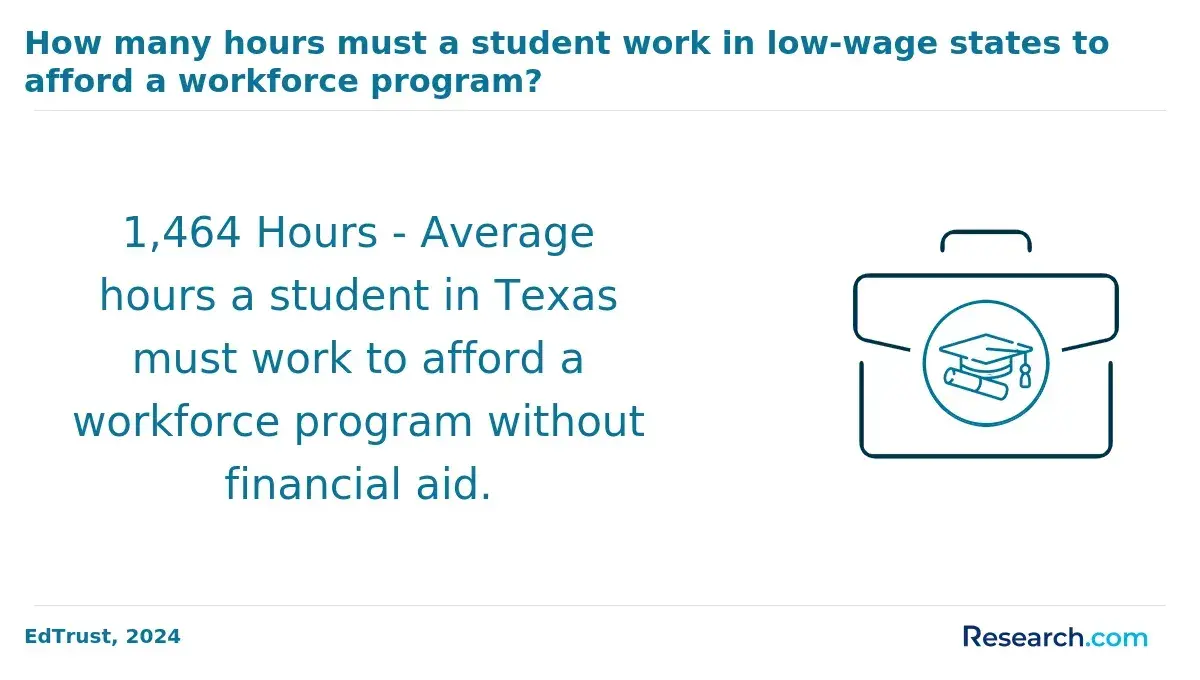
Deciding on an online forensic science master's degree requires careful weighing of tuition costs against long-term career impact, especially given the specialized leadership roles sought by employers. Public universities typically charge $400 to $700 per credit, totaling $18,000 to $28,000 for a 40-credit program, while private institutions can exceed $40,000 due to $1,000-$1,500 per credit fees. Additional expenses of $500 to $2,000 for technology or lab materials can inflate budgets further.
Employers filling leadership positions in crime labs or medical examiner offices increasingly demand graduates from accredited programs offering robust coursework in laboratory management and quality assurance. Simply opting for the cheapest option may delay advancement if the curriculum lacks these critical skills. For example, a student saving $10,000 upfront on tuition might face several years of slower progression without leadership training embedded in the program.
Part-time paths reduce immediate tuition burden but can extend graduation timelines, postponing opportunities for promotion. Moreover, thesis or capstone projects often increase indirect costs such as lost wages during extended study periods. Therefore, working professionals pivoting into forensic lab management should prioritize hands-on supervisory training over nominal price savings.
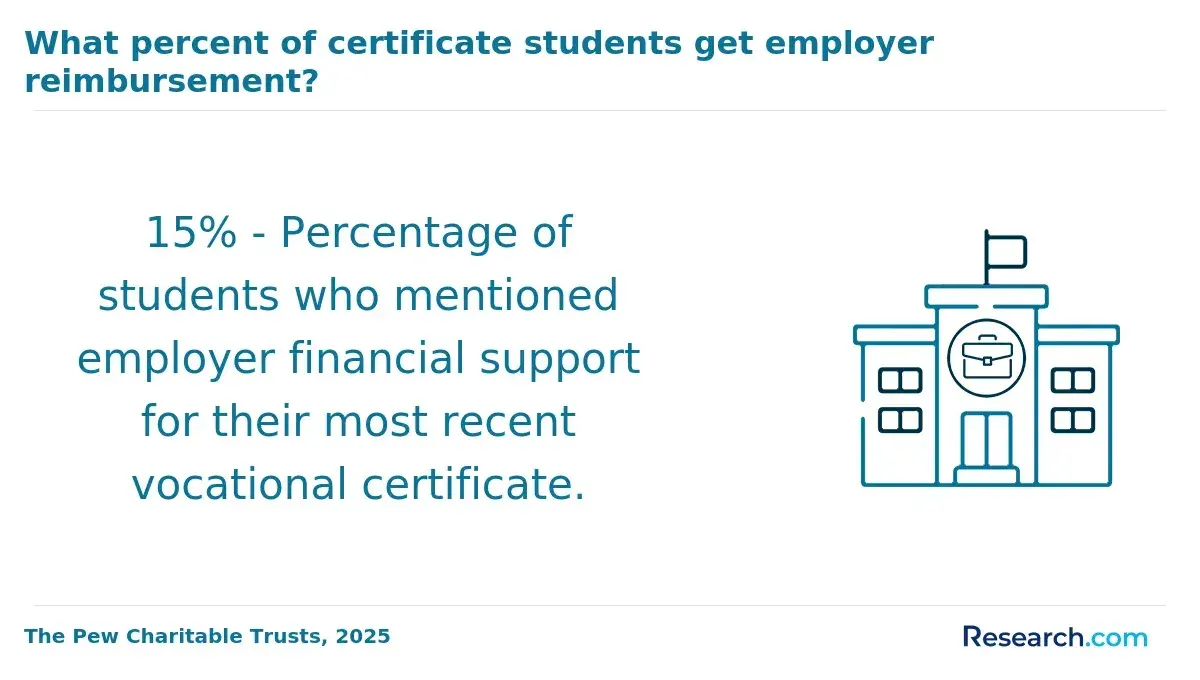
Financial aid and employer tuition assistance can mitigate costs but verifying alignment with employer expectations and curriculum rigor is essential to maximize return on investment.
What forensic lab jobs can lead to management roles?
Forensic lab management roles demand a balance of technical expertise and leadership acumen, often requiring professionals to expand beyond their core forensic skills into quality assurance, workflow coordination, and team supervision. For example, a DNA analyst advancing into management typically assumes responsibility for oversight of case accuracy and team productivity, a shift that entails mastering regulatory compliance and personnel management. This transition frequently necessitates supplemental training focused on accreditation standards, such as those from the American Society of Crime Laboratory Directors.
Practical challenges for emerging managers include enforcing rigorous quality controls while navigating budget limitations and diverse expert teams. Candidates blending forensic science foundations with targeted credentials in management or regulatory frameworks generally adapt better to these demands. Experience in conflict resolution and staff evaluation-skills not commonly developed in entry-level forensic roles-is critical as caseloads grow and technologies evolve.
The digital forensics sector illustrates a distinct trajectory where IT proficiency complements forensic expertise, enabling specialists to lead cyber investigation units. Most major universities with computer science departments now offer digital forensics concentrations or certificates, acknowledging this hybrid skill set as a key managerial qualification. Transitioning into these roles involves deliberate decisions about additional education and skill acquisition that directly impact employability and leadership readiness.
What salaries do forensic science leaders earn?
Forensic science leadership roles demand a blend of technical expertise and administrative acumen, with salaries directly influenced by experience, education, and jurisdiction size. A forensic lab manager overseeing a large urban operation with 50+ staff often earns $100,000 or more annually, whereas smaller regional labs typically offer between $70,000 and $85,000. Such compensation variance underscores a critical decision point for professionals weighing large agency prestige versus potentially less competitive pay in smaller markets.
Transitioning from technical analyst to supervisory positions involves mastering budgeting, regulatory compliance, and personnel management. This shift frequently requires additional credentials, such as public administration or quality assurance certifications, which correlate with salary premiums. Employers increasingly seek candidates with master's degrees or equivalent leadership training to fill leadership roles, recognizing that advanced education enhances operational oversight capacity.
The geographic context further complicates salary expectations. Forensic lab directors in the Northeast or West Coast benefit from a 15% to 25% salary premium compared to counterparts in the Midwest or South, influenced by regional cost of living and budget priorities. Prospective students and professionals must evaluate these regional differentials alongside lifestyle and relocation factors when mapping career trajectories.
Despite substantial growth in campus-based forensic science degrees (255) over distance-learning options (27), the rising demand centers on hybrid skill sets combining technical credentials with leadership expertise. Employers reward effective leadership with significant pay increases but balance this against the practical capacity to manage complex forensic operations, emphasizing real-world competence over credentials alone.
What certifications help advance forensic science careers?
Certification in forensic science, such as those from the American Board of Criminalistics (ABC) or the International Association for Identification (IAI), remains the primary currency for demonstrating technical proficiency. Employers rely heavily on these credentials as reliable evidence of candidates' practical skills and adherence to professional standards. However, holding a certification alone typically limits advancement to specialized analyst roles.
Forensic professionals aiming for supervisory or managerial positions must supplement technical certification with formal education and training in leadership, quality assurance, and ethics. Programs like the Professional Science Master's (PSM) that integrate laboratory techniques with management coursework meet this demand by preparing candidates to handle operational complexity and ethical challenges within forensic labs.
Consider a forensic analyst certified by ABC who lacks management training-this individual often faces advancement barriers compared to peers who invest in leadership-focused credentials. Employers expect forensic lab managers to balance compliance, integrity, and efficiency, a combination not covered by technical certification alone.
Key considerations when choosing advanced certification or education paths include:
- Validation of both technical and managerial competencies
- Alignment with specific supervisory requirements in forensic settings
- Accessibility and flexibility for working professionals seeking career pivots
ASU's online forensic science PSM program exemplifies scalable, accessible options for professionals aiming to bridge this gap between technical mastery and leadership readiness.
Other Things You Should Know About Forensic Science
Courses in quality assurance, statistics, laboratory management, and forensic policy are the most useful. Many leadership-focused master’s programs require about 30 to 36 credits, with training in ISO/IEC 17025 standards, evidence handling, and supervisory decision-making for crime labs.
Employers in forensic labs prioritize program rigor, accreditation, and hands-on lab experience over the mode of delivery. An online degree with documented laboratory practicum or partnerships with accredited labs can meet these expectations. Avoid programs that lack practical training components or do not clearly outline opportunities for applied experience, as this can limit job prospects and leadership track advancement.
Specializing in a specific area of forensic science in 2027 offers depth and expertise, making graduates attractive for niche roles in labs, while a broad leadership degree prepares students for managerial positions overseeing various forensic departments. Choosing between the two hinges on career goals and interest in direct scientific analysis versus administrative responsibilities.
Online forensic science leadership degrees often compress leadership theory, forensic methods, and management skills into an accelerated format. This can result in significant weekly workloads that compete with professional responsibilities. Choose programs with a balanced course load and phase-based learning that allow integration of new skills into current work, rather than overwhelming simultaneous assignments that reduce practical skill retention.
References
- 2025 Most Popular Online Forensic Science Degrees https://www.onlineu.com/degrees/forensic-science
- How to become a forensic science technician | edX https://www.edx.org/become/how-to-become-a-forensic-science-technician
- Best Computer Forensics Certifications in 2025 https://acecomputers.com/computer-forensics-certifications-2/
- Forensic Science Education Programs Accreditation Commission https://www.aafs.org/FEPAC
- Careers in forensic science https://www.justice-ni.gov.uk/articles/careers-forensic-science
- Educational Requirements for Forensic Science: From Courses to Certification https://www.scuhs.edu/mshgg-article/educational-requirements-for-forensic-science-from-courses-to-certification/
- Forensic Scientist Salary: State-by-State Median Guide https://www.allcriminaljusticeschools.com/forensics/salary/
- Accredited Programs in Forensic Science https://www.collegexpress.com/lists/list/accredited-programs-in-forensic-science/1620/
- High School Summer Forensic CSI Program https://www.nslcleaders.org/youth-leadership-programs/forensic-science/
- Forensic Scientist https://www.ncchomelearning.co.uk/career-courses/forensic-science/