2027 Best Online Bachelor's in Forensic Science for First-Time Lab Professionals

Co-Founder and Chief Data Scientist
Landing an entry-level laboratory position in forensic science demands not only theoretical knowledge but also hands-on experience and timely credentialing. Yet, many aspiring professionals balance jobs, family, or geographic constraints that make traditional campus attendance unrealistic. The National Center for Education Statistics reports a 24% rise in online bachelor's enrollment among adult learners in STEM fields since 2022, signaling a shift toward flexible education models.
This trend matters because it directly influences how candidates can acquire essential technical skills without sacrificing current commitments or delaying workforce entry. This article evaluates online forensic science bachelor's programs tailored for first-time lab professionals to guide strategic program selection amid these practical challenges.
Key Things You Should Know
- Graduates from accredited forensic science bachelor's programs face a 12% salary premium nationally, but must weigh costs as median tuition rose 8% since 2023, impacting ROI timing for entry-level lab professionals.
- Employers prioritize hands-on crime lab experience over GPA, with 68% of U.S. forensic labs requiring internships or practica, pressuring students toward programs with embedded partnerships for job placement advantage,
- Rapid technological shifts in DNA analysis and digital forensics create credential obsolescence risks; students delaying enrollment till after 2026 may require continuous upskilling, increasing long-term certification and training expenses.
What is an online bachelor's in forensic science?
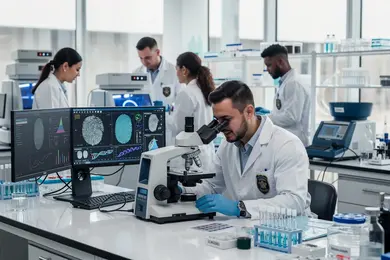
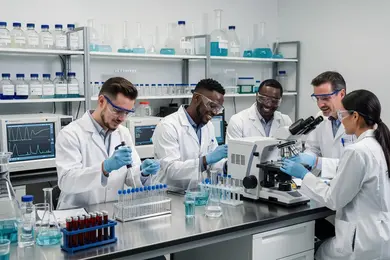
Programs offering an online bachelor's in forensic science degree programs must balance remote accessibility with the practical demands of laboratory training and accreditation compliance. Unlike fully on-campus options, these degrees often require virtual labs or occasional in-person intensives, critical for first-time lab professionals to master evidence handling, chemical analysis, and cybercrime investigation. The disparity in focus between forensic chemistry and digital forensics creates distinct learning pathways: forensic chemists need hybrid access to physical lab work, while digital investigators benefit from advanced software simulations accessible online.
Evidence integrity, forensic software proficiency, and legal standards form the core competencies employers expect. Students should prioritize programs with strong industry recognition and verified postgraduation earnings. For instance, OnlineU's 2026 ranking highlights Champlain College's online BS in Computer Forensics & Digital Investigations graduates earning a median $89,716 annually after three years, which underscores employer demand for digital forensic skills within forensic science.
Real-world application varies widely:
- Crime labs and law enforcement agencies require rigorous hands-on training for chemical and biological analysis.
- Cybersecurity firms focus on digital evidence acquisition and analysis through online platforms.
Such distinctions significantly affect completion timelines and job placement potential. Prospective students should assess their career goals in relation to these tradeoffs, ensuring the chosen online forensic science bachelor's for lab professionals fits both practical skill development and workforce expectations. Additional insights can be found by exploring forensic science careers.
How is online forensic science accreditation verified?
Accreditation verification for online forensic science programs directly influences employment eligibility and professional credibility in the field. Candidates seeking roles in forensic laboratories must ensure their degrees come from regionally accredited institutions, a baseline requirement frequently enforced by licensing boards and employers. Beyond institutional accreditation, specialized reviews such as those from the Forensic Science Education Programs Accreditation Commission (FEPAC) offer critical scrutiny of program content and lab experience, which can be decisive for entry-level forensic technician positions.
How to verify forensic science degree accreditation in the United States involves practical steps: cross-checking claims on an institution's official site against the U.S. Department of Education's accredited program database prevents enrollment in non-accredited or diploma mill offerings that compromise career openings. Accredited programs must also provide clear methods for fulfilling hands-on training requirements, especially when labs are conducted online or through local partnerships, as this affects eligibility for certain state certifications and practical readiness.
Given that forensic science technician jobs are projected to grow by 13% from 2022 to 2032 with roughly 2,600 openings annually, the difference between accredited and non-accredited credentials is significant in securing competition-sensitive positions. Prospective students should prioritize programs that demonstrate transparent accreditation and practical lab solutions.
For students weighing educational pathways, comparing forensic science accreditation criteria alongside employment trends can also inform decisions in related fields. For instance, examining requirements for degrees like an environmental science degree reveals overlapping accreditation patterns and workforce considerations.
What admissions requirements do online forensic science programs need?
Admission to an online forensic science program demands more than just a high school diploma; applicants must often prove competence in foundational sciences such as biology, chemistry, physics, and algebra to meet the rigorous technical requirements encountered in the field. These entry requirements for forensic science bachelor's degrees are designed to minimize attrition and ensure graduates can effectively manage complex analytical tasks. For instance, students without prerequisite science credits risk falling behind in lab-intensive courses, which can delay timely graduation and weaken job readiness.
Supporting documents like transcripts, standardized test scores, personal statements, and letters of recommendation are typical, with some programs waiving certain requirements based on prior college work or relevant experience. Background checks are frequently mandatory due to the sensitive nature of forensic work, especially when clinical internships or placements in crime labs are essential components of the curriculum.
Practical program considerations include technical capabilities such as reliable internet and compatible hardware, which are critical for engaging with virtual labs and simulations that mimic real-world forensic environments. Strong articulation agreements that facilitate internships in state or federal crime labs significantly enhance employability by providing hands-on experience.
Given the U.S. Bureau of Labor Statistics reports a median annual wage of $64,940 for entry-level forensic science technicians, rigor in admission standards aligns closely with workforce expectations. Prospective students considering an educational pivot should also explore complementary fields; for example, reviewing the best online registered dietitian programs can offer insights into alternate STEM pathways with different market dynamics.
What courses are included in a forensic science bachelor's?
Forensic science bachelor's courses in the US are best evaluated through their alignment with employer-driven skills and practical laboratory experience rather than a fixed curriculum format. Core classes commonly cover crime scene investigation, forensic biology, chemistry, and toxicology-critical areas that build foundational expertise in evidence analysis and chain-of-custody protocols valued in legal contexts. Many programs incorporate criminal law and ethics to clarify the professional and legal standards students must navigate post-graduation.
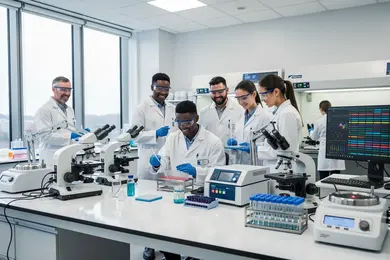
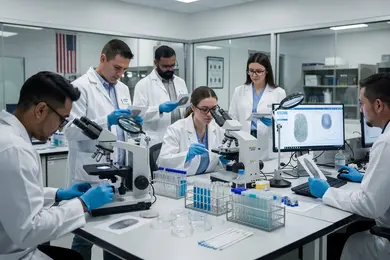
Key subjects in online forensic science degree programs often add flexibility but risk diluting hands-on training, particularly in microscopy, DNA analysis, and trace evidence identification. Given forensic roles demand not only theory but also precision with specialized equipment, students should prioritize programs with practicums or internships that simulate real casework scenarios. This practical exposure strongly influences employability and workplace readiness.
Tuition averaging around $14,688 annually reflects a tradeoff: less expensive options may lack rigorous laboratory access or sufficient practicum opportunities, limiting immediate career mobility in forensic laboratories. Students transitioning from other disciplines must also consider prerequisite anatomy, chemistry, and microbiology courses to avoid delays and steep learning curves.
Advancing through these programs demands competency in statistics and data interpretation, as quantitative analysis underpins forensic conclusions. For those weighing cost against specialized offerings, verifying course accreditation and alignment with certifications such as the American Board of Criminalistics is essential. Prospective students may also explore further specialization or related fields, for example by reviewing affordable pathways like a library degree, which offers a complementary skill set and career alternative.
How do online and campus forensic science programs compare?
Hands-on training is a decisive factor differentiating campus forensic science programs from online ones, directly affecting employability in forensic labs. While campus students benefit from immediate access to sophisticated lab equipment, direct supervision, and immersive practical sessions, online learners must secure local internships or rely on virtual simulations, which often fall short of employer expectations for verified in-person lab hours.
This difference is significant because many forensic employers prioritize documented, real-world lab experience during hiring. A lab technician pursuing career pivot should consider whether they can gain practical exposure locally to meet these criteria, especially when opting for an online program.
Return on investment compares favorably for both formats, with forensic science bachelor's degree holders earning approximately 75% more than those with only a high school diploma, according to Georgetown University's Center on Education and the Workforce. Nonetheless, campus programs often lead to faster job placement due to alumni networks and employer ties.
Working professionals gravitate toward online programs for their flexibility but must navigate the challenges of self-motivated internship placement and certification requirements that may mandate documented practical hours, which purely online coursework alone cannot provide.
Key considerations:
- Campus programs: direct lab access, stronger employer networks, limited work flexibility.
- Online programs: flexible scheduling, reliance on self-driven local internship hunting, potential gaps in verified lab experience.
How long does an online forensic science degree take?
Choosing the timeline for completing an online forensic science degree profoundly shapes career trajectories and skill acquisition. Full-time enrollment typically requires four years, while balancing employment with part-time study can extend completion to five or six years. Accelerated tracks, though appealing for faster workforce entry, often demand heavy course loads that may conflict with concurrent lab work or professional obligations.
For working professionals, such as a lab technician transitioning careers, selecting a flexible schedule that accommodates variable work hours and occasional on-site commitments often takes priority over speed. Conversely, recent high school graduates targeting rapid employment in crime labs benefit from programs emphasizing hands-on lab skills and internships, even if these extend program length modestly.
Employers prioritize practical competence gained through internships or partnerships with crime laboratories alongside degree completion. Key considerations affecting duration include transfer credit policies, prerequisite fulfillment, and term structures-some programs offer year-round pacing to reduce time, while others adhere to traditional semesters.
Relevant data points for evaluating the field include:
- Biological technicians, a related occupation, are projected to grow by 3.5% in employment.
- The median salary for biological technicians stands at $57,510, indicating steady demand.
Strategically, decisions about program length must balance timely graduation with thorough mastery of technical forensic science skills essential for frontline roles.
What does an online forensic science bachelor's cost?
Choosing an online forensic science bachelor's degree requires balancing tuition costs against realistic job market outcomes and individual circumstances. Public universities typically charge between $300 and $500 per credit hour for in-state students, translating to roughly $18,000 to $30,000 for a 60-credit program. Private or out-of-state tuition can exceed $600 per credit, pushing total tuition beyond $36,000. Beyond these numbers, students must anticipate additional fees for technology access, lab kits, and materials, which may add $1,000 to $3,000.
For career changers entering forensic science labs for the first time, managing upfront tuition costs is critical. Employer tuition reimbursement or federal aid often becomes necessary, as reduced work hours can cut income. Entry-level forensic positions start around $50,000 annually, rising to approximately $80,000 for analysts with specialized skills, making ROI dependent on local job demand and certification alignment.
Online formats eliminate relocation and commuting expenses but require strong self-discipline and careful verification that the degree meets state certification or employer credentialing standards. Strategic budgeting should include:
- Estimating total out-of-pocket expenses beyond tuition
- Assessing employer support options and financial aid eligibility
- Confirming state and industry credential alignment before enrollment
This pragmatic approach helps ensure investment in education correlates with timely, sustainable forensic science employment.
What jobs can you get with a forensic science degree?
Forensic science graduates face a complex hiring landscape shaped by employer demands for specialized skills and practical experience. Entry-level roles-such as crime scene investigators, forensic lab technicians, and DNA analysts-require hands-on proficiency with evidence collection, chemical and biological analysis, and strict chain-of-custody protocols. This operational rigor means candidates lacking internships or certification often encounter extended onboarding periods. VocationalTrainingHQ notes that online forensic science degrees increasingly bundle specializations like criminal justice, biology, and chemistry to meet diverse sector needs, enhancing graduate versatility but also requiring students to strategically select tracks aligned with local labor market dynamics.
Consider a DNA analyst working in a state crime lab, focusing intensively on genetic material for legal cases, versus an environmental forensic chemist tasked with pollution source tracing. These roles illustrate the stark contrast in daily responsibilities and necessary expertise, demanding careful program choice based on intended career trajectory and evolving government workforce forecasts.
Hiring agencies prioritize candidates who can reduce training time through relevant specialization and demonstrate compliance with regulatory standards. Public health organizations, legal consultancies, and insurance firms also absorb graduates, but each sector demands a tailored skill set emphasizing toxicology, chemical profiling, or evidence interpretation.
- Advanced certifications or internships significantly influence employability
- Multi-disciplinary degree options respond to labor market fragmentation
- Contextual role expectations require targeted academic focus
What salary can forensic science graduates expect?
Entry-level salaries for forensic science graduates in 2026 typically fall between $55,000 and $70,000, with variations driven by employer type, location, and subspecialty. Graduates entering local or state crime labs usually start near the lower end of this range, whereas federal agencies and niche roles such as forensic toxicology or digital forensics may offer starting pay above $75,000 for candidates with relevant certifications and technical expertise.
Practical experience, especially internships in crime labs, frequently distinguishes candidates and can push starting salaries above median wages reported by the Bureau of Labor Statistics, which are near $64,000 for forensic science technicians. Conversely, lacking hands-on exposure often limits early earning potential and slows wage growth. Urban forensic labs tend to budget higher salaries compared to rural counterparts due to greater demand and larger funding.
Employer preferences heavily favor candidates with degrees from regionally accredited programs recognized by agencies such as NECHE and NWCCU. These accreditations often correlate to stronger program quality and influence both hiring and salary tier decisions. Candidates without such credentials face reduced job options and lower compensation offers.
Advancement beyond entry level generally demands advanced education, certifications, or supervisory experience. Professionals moving into analyst or leadership roles often need a master's degree and can expect salaries surpassing $85,000 within five years, reflecting the technical complexity and responsibility of these positions.
What certifications help forensic science graduates enter the field?
Certification in forensic science functions as both a practical filter and a strategic asset for graduates navigating competitive state and federal lab environments. The American Board of Criminalistics (ABC) Certified Criminalistics Technician (CCT) credential, for instance, is often a baseline requirement for lab technician positions, signaling verified expertise in core areas like serology and toxicology that employers rely on to minimize onboarding durations and mitigate training costs.
Beyond lab roles, the International Association for Identification's Certified Crime Scene Investigator (CCSI) designation broadens a candidate's scope to include fieldwork, demanding familiarity with evidence collection protocols and situational analysis. However, pursuing such certifications entails balancing significant costs-exam fees can exceed $1,000-and time commitments for continuing education, a tradeoff often underestimated by new entrants.
Employers in government and forensic agencies consistently favor candidates who demonstrate certified competencies, reflecting labor market realities where documented proficiency trumps general academic credentials alone. Graduates aiming to pivot toward related scientific spheres-such as environmental science or biomedical research-can leverage forensic science certifications aligned with biological or toxicological disciplines, tapping into fields with steady employment growth and median salaries near $99,000.
- Certification preparation demands deliberate planning to integrate laboratory experience with educational milestones;
- Field-relevant credentials can unlock roles beyond the laboratory, increasing adaptability;
- Ongoing education requirements contribute to sustained professional validation but require time and financial investment.
Practitioners weighing certification choices must prioritize alignment with targeted roles and realistic capacity to manage professional and financial strain. This nuanced approach enhances employability while mitigating the risks of overextending resources in pursuit of broadly defined credentials.
Other Things You Should Know About Forensic Science
Yes, hands-on lab experience is vital for developing practical skills that employers expect in forensic science roles. While online programs can cover theory effectively, many require in-person internships or on-campus lab sessions to provide this applied training. Students should prioritize programs that integrate supervised, real-world lab work to ensure preparedness for technical tasks and evidence handling in the field.
Online forensic science degrees often demand greater self-discipline because students manage their study time with less direct supervision. The workload itself aligns closely with traditional programs, particularly for lab-intensive and research components. Prospective students should evaluate their ability to balance online deadlines with practical assignments, as underestimating this can delay graduation or weaken skill acquisition.
A strong program should include virtual lab simulations, at-home lab kits, and an in-person laboratory or practicum requirement of at least one semester. Look for courses in crime scene processing, forensic chemistry, microscopy, and evidence handling, with assessment methods aligned to professional lab standards.
Specialization tracks-such as crime scene investigation or forensic toxicology-can enhance job readiness by aligning skills with specific employer needs. However, students must weigh this against the flexibility of a more general forensic science degree, which may open broader opportunities. Those certain about their career focus should prioritize specialized curricula, while undecided students benefit more from diverse foundational training.
References
- Top Forensic Science Career Guide | Forensic Science Online https://www.forensicscienceonline.org/top-careers/
- Online Forensic Science Degree https://www.aiuniv.edu/degrees/criminal-justice/bachelors-forensic-science
- Forensic Science Education Programs Accreditation Commission https://www.aafs.org/FEPAC
- Top Online Forensic Science Degree Programs https://www.forensicscolleges.com/online
- Forensic | Standards Council of Canada https://scc-ccn.ca/accreditation-scheme/forensic
- 15 Best Bachelor's In Forensic Science Degrees https://www.criminaljusticedegreeschools.com/rankings/best-bachelors-forensic-science/
- Forensic Scientist Salary: State-by-State Median Guide https://www.allcriminaljusticeschools.com/forensics/salary/
- Forensic science providers: validation (accessible) https://www.gov.uk/government/publications/forensic-science-providers-validation/forensic-science-providers-validation-accessible
- Forensic Science Course Salary: What Can You Earn? https://purchase.andlight.dk/andlight-news/forensic-science-course-salary-what-can-you-earn-1767648256
- Bachelor of Forensic Science | Program Offerings | DLSU https://www.dlsud.edu.ph/programs/ccje/forensic.htm