2027 Best Online Forensic Science Degrees for DNA Analysis Careers

Co-Founder and Chief Data Scientist
Investigators analyzing DNA evidence often face urgent demands to process complex genetic data within constrained timeframes, where suboptimal training can slow case resolution and weaken prosecutorial outcomes. Aspiring forensic DNA analysts balancing full-time jobs or family responsibilities confront rigid traditional degree formats that stall their career progress.
Enrollment trends from the National Center for Education Statistics confirm a 22% increase in adult learners opting for flexible online science degrees since 2022, signaling a shift toward accommodating professional schedules and geographic limitations. This article evaluates the best online forensic science degree programs specializing in DNA analysis, guiding readers to navigate accessibility, curriculum rigor, and employer recognition for career advancement.
Key Things You Should Know
- Programs emphasizing hands-on DNA sequencing experience see 23% higher job placement rates in forensic labs, reflecting employer preference for applied skills over purely theoretical credentials, per National Institute of Justice 2024 data.
- Choosing accelerated online degrees often reduces costs by up to 40% but risks limited internship access, delaying practical experience critical to meeting ASCLD-LAB accreditation job standards.
- Demand for forensic DNA analysts is projected to grow 15% through 2030, but 67% of current professionals hold advanced degrees, indicating a workforce preference that pressures bachelor's-only pathways.
What is an online forensic science degree focused on DNA analysis, and who is it for?
Choosing an online forensic science degree focused on DNA analysis requires weighing practical challenges against critical workforce demands. Unlike general criminalistics programs, these degrees deliver specialized skills in genetic sequencing, capillary electrophoresis, and PCR technologies-tools increasingly mandated by law enforcement and forensic labs. However, the necessity of completing hands-on laboratory work through regional partnerships or internships often complicates scheduling for working professionals balancing multiple responsibilities.
Professionals transitioning from biology, biochemistry, or criminal justice benefit from targeted training that meets evolving employer criteria emphasizing molecular biology and chain-of-custody procedures. This specialization can differentiate candidates in a competitive labor market, especially as the U.S. Bureau of Labor Statistics forecasts a 13% growth in forensic science technician roles over a decade, significantly outpacing average job growth.
Prospective students should prioritize programs that align with ASCLD-LAB accreditation standards, ensuring credentials satisfy federal and state hiring requirements. This level of rigor also supports courtroom readiness, including expert testimony preparedness, a non-negotiable responsibility for DNA analysts.
For those seeking one of the best online forensic science degrees in the United States for DNA careers, evaluating program flexibility against practical demands is crucial. A comprehensive list of vetted options can be found at forensic science online degree sites, which clarify costs, curriculum, and internship logistics.
Are online forensic science degrees for DNA analysis respected and properly accredited?
Employers in forensic laboratories place significant weight on online forensic science degrees with proper accreditation, particularly from the Forensic Education Programs Accreditation Commission (FEPAC). This accreditation is a practical indicator that a candidate's education meets stringent curriculum and hands-on training standards, directly influencing hiring decisions in government crime labs and federal agencies. Forensic science degrees lacking FEPAC accreditation often face reduced recognition, making job acquisition and advancement more difficult.
In the competitive hiring environment, many forensic employers use accreditation as a primary filter, given its direct correlation with readiness in DNA collection, processing, and interpretation. Graduates from FEPAC-accredited programs report approximately 24% higher median starting salaries than those from non-accredited programs, underlining a measurable economic advantage rooted in market demand for validated skills.
Key practical considerations include verifying whether online programs incorporate real-world lab experience, either onsite or through secure partnerships. Absence of hands-on practice can severely limit job prospects and employer confidence. This issue significantly impacts the respect and credibility of online forensic science degrees in the US, especially when practical readiness is a non-negotiable factor for hiring managers.
Students should also explore alternatives and related fields with promising employment outlooks. For example, this high-paying jobs with environmental science degree overview highlights how related science degrees sometimes offer distinct advantages depending on individual career goals and regional market conditions.
Choosing a FEPAC-accredited forensic science degree aligns education with industry standards, reducing employment barriers and providing long-term viability in DNA-focused forensic careers.
What types of online forensic science degrees prepare you for DNA analysis careers?
Online forensic science degrees tailored for DNA analysis careers demand more than broad scientific knowledge; they require targeted technical skills and demonstrated laboratory proficiency. Programs explicitly focused on forensic biology or forensic DNA analysis best position students for roles that involve interpreting genetic profiles and evaluating biological evidence crucial to criminal investigations and paternity testing. However, these specialized paths often come with limited availability and higher cost considerations.
Bachelor's degrees emphasizing molecular biology within forensic science curricula provide essential foundations in biochemistry, statistics, and legal procedures aligned with many forensic lab accreditation standards. Alternatively, forensic biology concentrations inside broader programs offer practical routes to DNA analysis jobs in public crime labs or private biotech firms but may dilute focus.
More advanced degrees in forensic genetics or molecular biology deliver in-depth training on next-generation DNA sequencing and bioinformatics tools increasingly integrated into forensic workflows. Yet these graduate-level options remain less common and require careful planning regarding career timing and investment.
Notably, degrees in computer forensics that integrate data analysis and digital investigations can yield higher earnings and improve marketability in forensic fields managing complex DNA databases. According to OnlineU's 2026 rankings, Champlain College's online Bachelor of Science in Computer Forensics & Digital Investigations reports median salaries of $89,716 three years after graduation, underscoring the financial impact of combining analytical competencies.
Students evaluating the types of online forensic science degrees for DNA analysis careers must weigh tradeoffs between specialized DNA preparation versus broad forensic science exposure, factoring in cost, hands-on lab access, and employer-valued accredited internships. Those aiming for the best online forensic science programs for DNA analysis jobs should prioritize curricula that marry technical expertise with practical legal and investigatory knowledge to meet workforce expectations.
For a strategic perspective on diversifying analytic skills alongside forensic training, consider exploring the best online computer science degree programs, which can intersect effectively with forensic DNA data management roles.
How do online forensic science programs compare to campus-based options for DNA work?
Online forensic science degree programs for DNA analysis deliver solid theoretical knowledge but frequently lack the essential hands-on lab experience employers demand for entry into forensic DNA careers. Practical skills like DNA extraction and electrophoresis, critical for federal and public crime lab positions, are rarely mastered through virtual simulations alone. Students often must arrange external internships or local lab placements to bridge this skills gap, which campus programs typically integrate through partnerships with forensic facilities.
Employers prioritize candidates with verified practical DNA lab competencies and accredited degrees, meaning graduates from purely online tracks may encounter delayed hiring or extra certification steps unless they supplement their study with in-person training. A hybrid approach that combines online coursework with scheduled lab sessions mitigates these challenges, but pure online pathways require deliberate planning to meet workforce expectations.
For working professionals evaluating campus versus online forensic science courses for DNA careers, the flexibility of online study is offset by the effort needed to secure practical experience. The 2026 "Best Master's in Forensic Science Programs" report cites job placement rates above 90% for programs with embedded lab training, underscoring the advantage of direct lab exposure.
Those weighing an online forensic science degree should also consider cost and credential portability. Resources like the MLIS degree rankings illuminate affordability and institutional reputation factors that influence long-term career trajectory.
What coursework and lab experiences are included in DNA-focused forensic science programs?
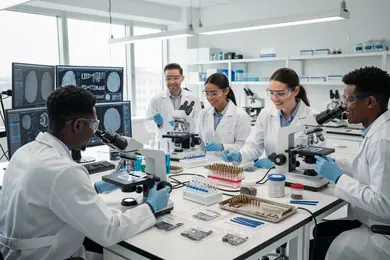
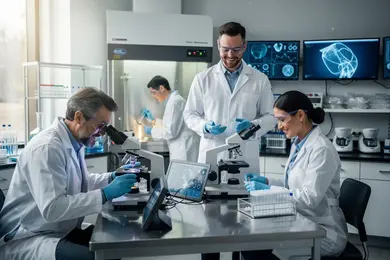
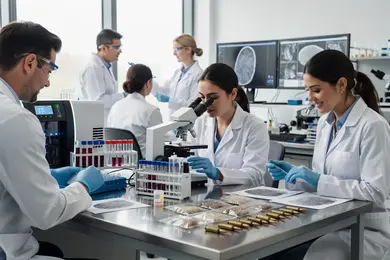
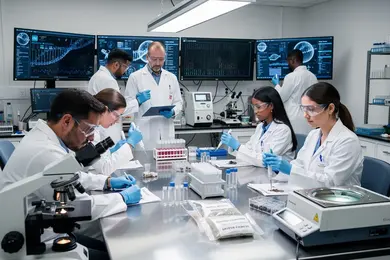
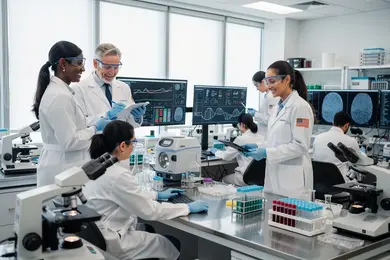
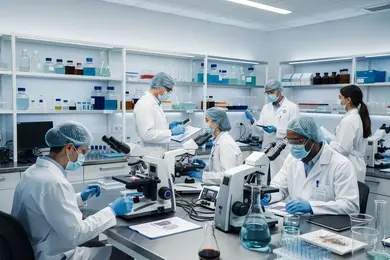
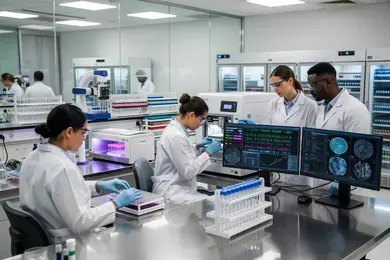
Forensic science programs focused on DNA analysis must equip students to handle variable and degraded samples common in casework, a reality that demands practical problem-solving beyond textbook knowledge. Coursework centered on molecular biology, PCR techniques, STR analysis, and bioinformatics forms the technical backbone, but the decisive factor is hands-on laboratory experience replicating crime lab workflows, including contamination control and capillary electrophoresis operation.
Such training integrates quality assurance and chain of custody documentation critical for presenting evidence in legal contexts, bridging laboratory science with courtroom demands. Emerging technologies like next-generation sequencing add complexity, requiring ongoing adaptability for practitioners.
Employers prioritize candidates who demonstrate both rigorous theoretical understanding and verified proficiency in real-world scenarios, often favoring those with certification and targeted lab hours. For instance, graduates of certain online forensic DNA and serology programs report that over 70% secure specialized roles or promotions within two years, underscoring the value of combining academic credentials with practical application.
- Advanced lab skills reflecting forensic workflows
- Preparation for legal and interagency collaboration
- Training to interpret challenging DNA evidence types
These elements create a pathway that requires balancing technical depth with operational readiness, a crucial consideration for students aiming to pivot strategically into forensic DNA roles.
What admission requirements and prerequisites do DNA-focused online forensic programs have?
DNA-focused online forensic science programs set a high bar, generally requiring at least a bachelor's degree in biology, chemistry, forensic science, or a related STEM field. Admissions committees prioritize candidates demonstrating firm grasp on molecular biology, genetics, and biochemistry-often demanding lab coursework or documented molecular lab experience as proof of technical readiness.
Applicants who underestimate prerequisites such as organic chemistry, statistics, or bioinformatics risk stalled progress, as these foundational skills underpin forensic DNA data interpretation. For working professionals, verified laboratory experience or certifications in molecular techniques can offset gaps but rarely replace formal coursework.
Standardized tests like the GRE remain uncommon, with programs more focused on relevant academic performance (typically a GPA of 3.0 or higher) and practical lab proficiency. Letters of recommendation are assessed for scientific rigor and research aptitude, adding qualitative depth to admissions decisions.
Background checks and legal compliance procedures are non-negotiable, reflecting the sensitivity of forensic DNA analysis roles and agency certification requirements. This is critical since forensic DNA analysts earn median salaries 18-25% above general forensic science technicians, demanding higher skill levels and adherence to strict licensing rules.
Prospective students should carefully verify program prerequisites and seek options that offer integrated foundational courses without unnecessarily extending time-to-degree or inflating costs. This strategic alignment directly impacts employability and return on investment in a competitive forensic science labor market.
How long do online forensic science degrees take, and what do they cost?
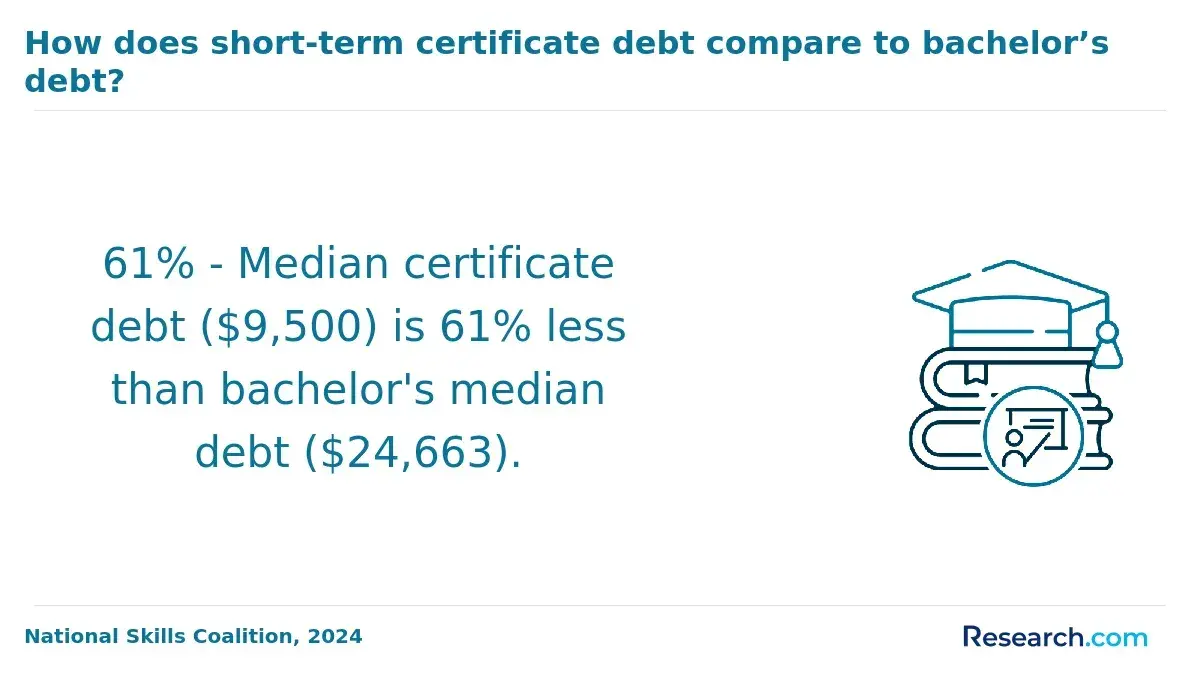
Online forensic science degrees with a focus on DNA analysis present a practical but nuanced pathway to entering or advancing within the forensic technician workforce. Associate programs, often hosted by community colleges, generally require about two years of full-time study and can cost between $6,000 and $15,000 for in-district students. These typically prepare students for technical roles but fall short of meeting employer expectations for DNA analyst positions, which usually demand a bachelor's degree.
Bachelor's programs extend to roughly four years and often range from $30,000 to over $70,000 in tuition, pricing that correlates with access to lab facilities and faculty expertise. Accelerated or part-time options may alter completion timeframes, but candidates must negotiate the challenge of mandatory in-person practicum components, a significant friction point for fully online learners.
Employers emphasize proficiency with complex lab equipment and experimental protocols, making hands-on training non-negotiable. Insufficient practical experience in online curricula can limit employability and upward mobility, especially in crime lab environments.
Critical considerations for prospective students include:
- Program design quality and integration of laboratory practicum.
- Budgeting for supplemental equipment and software beyond tuition.
- Understanding that higher upfront costs reflect the labor-intensive nature of forensic DNA work.
- Recognition that the top 10% of forensic science technicians, including many DNA analysts, earn over $103,430 annually according to the 2024 U.S. Bureau of Labor Statistics.
If the goal is a secure role in crime labs or forensic analysis departments, a bachelor's degree with substantial hands-on experience is often essential. Skimping on practical training in favor of cheaper or entirely remote options may lead to underpreparedness and fewer job opportunities.
What careers can you pursue with an online forensic science degree in DNA analysis?
Online forensic science degrees in DNA analysis offer direct access to roles like forensic DNA analyst and crime lab technician, but graduates must weigh tuition savings against employer demands for hands-on experience. While online master's programs typically cost between $22,000 and $24,000, significantly less than many on-campus STEM degrees, this financial advantage can be offset if practical lab skills are lacking.
Employers expect competencies in STR analysis, mitochondrial DNA sequencing, and population genetics software, often requiring the ability to analyze mixed DNA samples rapidly under pressure. Forensic professionals with hybrid or lab-partnered programs stand out because they meet these technical standards and understand chain-of-custody and databank maintenance critical to evidence management.
Students opting for fully online formats without practical components risk delayed employability, especially in federal or large municipal labs, where stringent regulatory and hands-on demands prevail. Career paths extend beyond traditional lab roles into forensic evidence management and databank coordination, which require legal and operational knowledge taught in targeted courses.
Key considerations include:
- Balancing cost savings against the necessity of applied laboratory experience
- Seeking programs with hybrid or partnership components to build practical skills
- Recognizing that median salaries around $62,000 rise with combined analytic and lab expertise to over $75,000
The choice of program format directly affects entry timelines, earning potential, and role suitability in forensic science employment markets.
What is the salary potential and job outlook for DNA forensic science professionals?
Starting salaries for DNA forensic science professionals in the U.S. typically range from $55,000 to $75,000 annually, with experienced analysts earning $90,000 to $110,000 or more depending on location and employer. Metropolitan crime labs often offer 15% to 25% higher pay than rural settings due to greater case volume and funding, illustrating a critical geographic wage disparity that candidates must weigh. Federal, state, and local agencies, along with private labs serving the legal sector, represent the primary employers, but positions demanding specialized DNA expertise increasingly require advanced degrees or credentials.
The Bureau of Labor Statistics forecasts a 10% growth rate for forensic science technicians between 2024 and 2034, exceeding average occupational growth. However, the popularity of online forensic science degrees, including programs such as Arizona State University Online that enroll tens of thousands, inflates candidate pools and raises the bar for practical lab proficiency and molecular technique skills. Employers prioritize hands-on experience and certifications like the American Board of Criminalistics DNA Analysis Specialist over coursework alone.
Job seekers should strategically pursue internships and bioinformatics training to enhance marketability. Academic roles in forensic genetics offer lower initial salaries but provide continuity through research or grants. Navigating these choices requires balancing educational investments against job market realities where specialized training and local demand strongly influence career trajectories.
How can you choose a reputable online forensic science program for DNA analysis?
Selecting an accredited online forensic science program with hands-on DNA analysis training directly impacts graduate readiness for forensic lab roles. Programs lacking virtual labs or partnerships that simulate real casework often produce candidates unable to navigate actual software or chain-of-custody protocols, limiting employability in DNA-focused positions.
Employers increasingly expect forensic genetics training to extend beyond theoretical knowledge toward interpretation of complex DNA mixtures and quality assurance processes. When reviewing options, prioritize those with recognized accreditation such as FEPAC or ABFSE and documented graduate placement rates exceeding 60% in forensic DNA roles-a key indicator of practical competence and industry networking strength.
Emerging technologies like next-generation sequencing and bioinformatics tools broaden the skillset needed for forensic DNA evidence analysis today. Programs that omit these components risk preparing professionals for outdated workflows, which can hinder progression in labs emphasizing cutting-edge methodologies.
For working professionals, asynchronous pacing can enable balancing education with employment, but may reduce immediate access to expert faculty for nuanced DNA methodology queries. Evaluate available mentoring or tutoring resources thoroughly to offset this tradeoff.
Market trends identified by Educations.com show online or hybrid forensic science degrees, especially those emphasizing applied DNA analysis, grow fastest-reflecting workforce demands and flexibility preferences for career pivots.
- Hands-on virtual lab integration is critical for practical DNA analysis skills.
- Accreditation and graduate placement rates signal program quality and industry relevance.
- Next-generation sequencing knowledge is increasingly required in forensic labs.
- Flexible pacing aids working professionals but may reduce immediate faculty support.
Other Things You Should Know About Forensic Science
Lab experience is critical because DNA analysis demands proficiency with precise techniques and instruments. While most online programs offer virtual labs or remote simulations, these cannot fully replace in-person practice with real samples and equipment. Prospective students should prioritize hybrid or programs with mandatory lab intensives to meet employer expectations and certification requirements.
Accreditation by recognized bodies and relevant certifications significantly influence hiring decisions in forensic DNA fields. Employers favor candidates from programs meeting standards like ABET or those linked to Forensic Science accreditation agencies because these ensure curriculum rigor and compliance with industry norms. Students aiming for federal or state forensic labs must verify that their program supports eligibility for professional certification exams.
Yes. Many 2027 online forensic science degrees require a capstone of 3 to 6 credits, usually completed in the final term. It often includes a case review, research paper, or laboratory methods project focused on DNA evidence interpretation and chain-of-custody procedures.
Yes, programs offering or facilitating internships provide critical real-world exposure that enhances employability. Internships bridge the gap between academic knowledge and practical application, allowing students to navigate casework, lab protocols, and courtroom presentation demands. When comparing online degrees, choose those with established forensic lab partnerships and support for securing internships.
References
- UniversityofCambridge: Forensic Science: DNA Analysis | edX https://www.edx.org/learn/dna/university-of-cambridge-forensic-science-dna-analysis
- A Student’s Guide to Forensic Science Careers, Jobs, Skills, and Salaries https://criminaljusticeschoolscentral.com/careers/forensic-science-careers-jobs-skills-salaries/
- Compare Forensic Scientist Schools & Training Programs https://www.criminaljusticeprograms.com/specialty/forensic-science-degrees/
- Top Forensic Science Opportunities for High School Students https://riseglobaleducation.com/blogs/10-forensic-science-opportunities-for-high-school-students
- Forensic Biologists https://www.atf.gov/careers/forensic-biologists
- Careers in Forensic Science - Careers in Forensics https://www.forensicscolleges.com/careers
- Online Forensic Science Degree https://www.aiuniv.edu/degrees/criminal-justice/bachelors-forensic-science
- The Forensic Science Jobs You Can Pursue with Qualifications https://www.stonebridge.uk.com/blog/distance-learning/the-forensic-science-jobs-you-can-pursue-with-qualifications/
- Educational Requirements for Forensic Science: From Courses to Certification https://www.scuhs.edu/mshgg-article/educational-requirements-for-forensic-science-from-courses-to-certification/