2027 Online Forensic Science Degrees That Help Build Analytical Reasoning Skills

Co-Founder and Chief Data Scientist
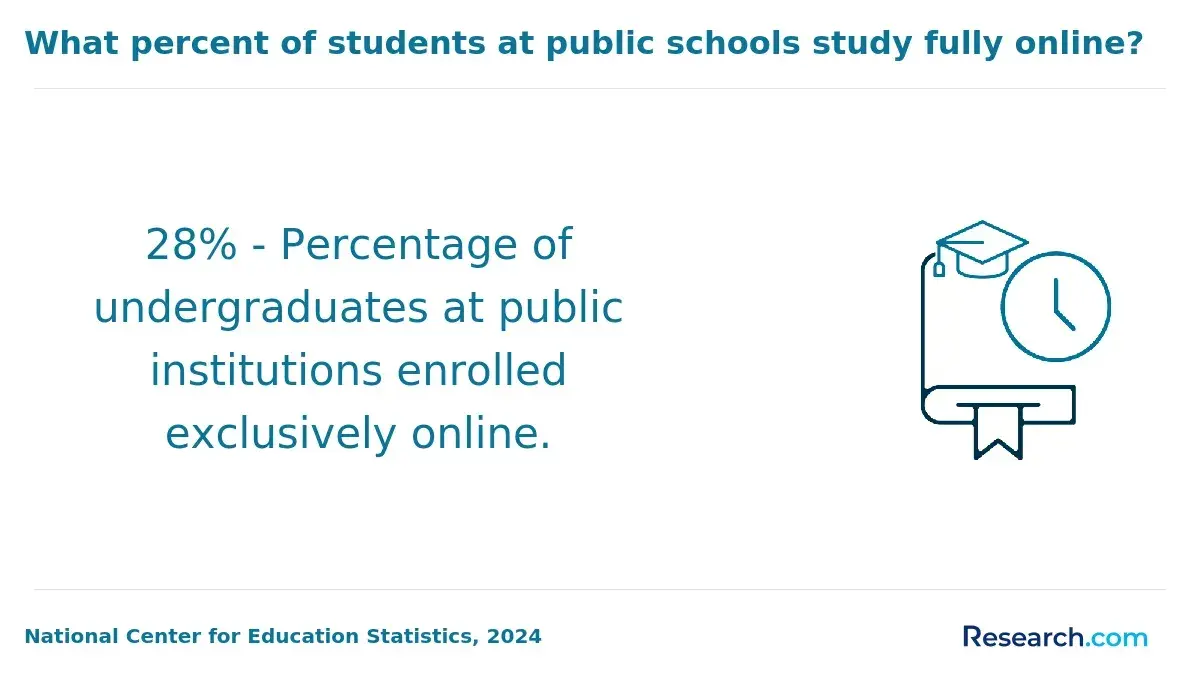
Forensic science professionals often confront cases demanding instant, precise analytical reasoning to interpret complex evidence under tight deadlines. Misjudgments in data evaluation can undermine investigations and jeopardize convictions, raising the stakes on a practitioner's critical thinking capabilities. The National Center for Education Statistics reports that over 50% of graduate enrollees in science fields now prefer online programs, indicating a significant shift toward flexible learning tailored for working adults.
This evolution reflects not only accessibility challenges but also the profession's demand for adaptable, continuously updated skill sets. This article identifies online forensic science degrees that cultivate analytical reasoning, equipping candidates to meet field-specific cognitive demands efficiently and strategically.
Key Things You Should Know
- Only 45% of online forensic science graduates secure direct laboratory roles within two years, per the National Institute of Justice, highlighting a tradeoff between accelerated credentialing and limited hands-on experience.
- Employers increasingly mandate specialized certifications beyond degrees, with 62% of crime labs requiring practical forensics training, making degree choice critical for workforce alignment.
- Median debt for online programs tops $28,000 according to the Department of Education, impacting return on investment timelines amid a static median forensic analyst salary near $61,000.
What are online forensic science degrees?
The practical advantage of online forensic science degree programs lies in their ability to cultivate critical analytical and technical skills essential for evidence handling across diverse investigative contexts. Unlike broader criminal justice tracks, these degrees emphasize specialized expertise such as molecular analysis for tracing public health outbreaks, which can diverge significantly from forensic pathology in violent crime work.
Graduates must navigate a labor market projecting 13% growth for forensic science technicians through 2032, driven by increased reliance on scientific methods in both criminal and civil investigations. However, prospective students should weigh tradeoffs inherent in online education, including limited hands-on lab exposure and challenges securing internships, which are vital for tactile skill development and employer readiness.
Decision-makers considering the best forensic science degrees online must prioritize programs offering validated practical components-either virtual simulations or local lab partnerships-to meet federal or state hiring standards that demand accredited credentials. This consideration is crucial for candidates aiming at positions requiring strict qualification verifications.
Key practical factors when selecting an online forensic science degree program include:
- Integration of biology, chemistry, and data interpretation with real-world applications
- Flexibility aligned with work/life commitments
- Program accreditation tied to employment eligibility
- Access to experiential learning opportunities that mirror actual forensic environments
For students exploring specialized paths, the master's in forensic psychology online offers a distinct but complementary avenue within the broader forensic discipline.
Are online forensic science degrees accredited?
Employers in law enforcement and federal agencies explicitly require degrees from accredited institutions; lacking this accreditation can disqualify candidates from essential forensic technician roles in state crime labs. Accreditation denotes that online forensic science degree programs meet stringent academic and industry standards, aligning coursework with real-world competencies like case analysis and lab techniques.
This validation, typically confirmed by agencies such as the Higher Learning Commission (HLC) or regional bodies recognized by the U.S. Department of Education and CHEA, directly impacts clearance eligibility and state licensing adherence. Students opting for non-accredited programs risk delayed workforce entry and diminished transferability of credits, often encountering barriers to federally mandated certifications critical for career progression.
Accredited online forensic science programs also preserve access to federal financial aid and open pathways to advanced degrees or specialized certifications that require verified undergraduate preparation. The U.S. Bureau of Labor Statistics notes a median wage of $64,940 for forensic science technicians, with the top tenth earning over $105,540, reflecting heightened value placed on accredited education in securing competitive, well-compensated positions.
Prospective students should rigorously verify program accreditation early to avoid costly setbacks and ensure alignment with workforce demands. Those considering parallel technical fields might explore options like an online master data science program, which offers complementary analytical skills increasingly relevant to forensic investigations.
Do online forensic science degrees require lab work?
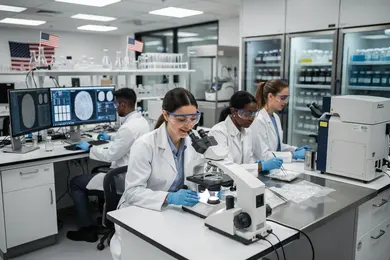
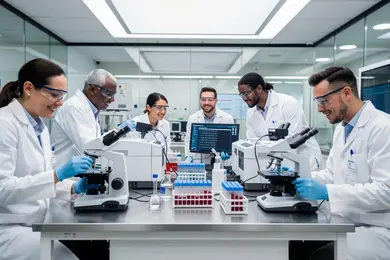
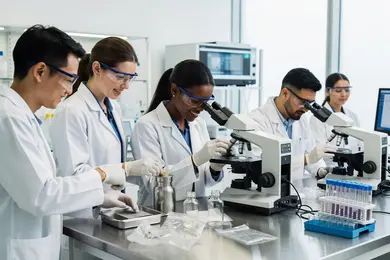
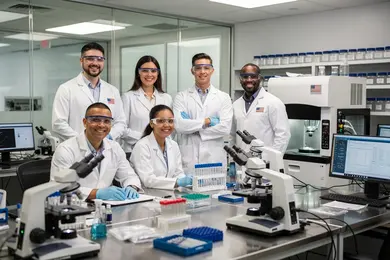
Online forensic science degrees often claim to offer flexibility but face inherent limitations due to the mandatory nature of hands-on lab work. Purely online programs typically replace physical lab sessions with virtual simulations, which can mimic crime scene reconstruction and evidence analysis but fall short of delivering authentic experience with biological samples and forensic instruments.
This gap impacts certifications and job readiness, as many employers and state laboratories specifically require documented practical exposure under regulated conditions. Requirements for practical lab experience in online forensic science programs commonly involve additional commitments such as local internships or in-person residencies to meet accreditation standards.
For example, a forensic toxicologist seeking employment in a state crime lab must demonstrate skills that cannot be acquired solely through digital environments, including chain-of-custody adherence and sample handling techniques. Hybrid programs address this by combining online coursework with scheduled on-site intensives, usually condensed into short but rigorous lab sessions.
Without integrating physical lab components, graduates risk diminished competitiveness compared to peers from traditional programs with comprehensive hands-on training. Students must carefully evaluate how a program balances theory with practical application to ensure workforce readiness.
Prospective learners and working professionals seeking a strategic career pivot should also consider cost implications, which, while unrelated to forensic science programs directly, can be illuminated by examining costs in similar disciplines such as animal science degrees online.
What forensic science courses build analytical reasoning?
Forensic science degree courses that develop critical analytical skills must balance technical depth with real-world applicability, particularly in how students interpret and contextualize evidence. Programs emphasizing forensic chemistry, biology, and digital forensics each demand distinct reasoning abilities-ranging from chemical pattern recognition and DNA profiling to navigating complex cyber environments.
Forensic biology, for example, requires probabilistic reasoning to link biological traces conclusively, a task that directly influences case outcomes. Online programs for enhancing analytical reasoning in forensic science studies often integrate laboratory work with case simulations to meet employer expectations for practical competence and courtroom communication skills. This component ensures that students are prepared not only to analyze data but also to articulate findings clearly under scrutiny.
Digital and cyber forensics stand out for their growth potential, given the projected 32% increase in demand for information security analysts through 2032, with a median pay exceeding $120,000. However, the technical complexity of recovering and interpreting electronic evidence requires rigorous training in investigative methodologies and ethical frameworks essential for credible testimony and evidence handling.
Courses focusing on forensic statistics and crime scene reconstruction provide quantitative tools such as ballistic trajectory analysis. These tools demonstrate how analytical precision directly shapes prosecutorial strategy, illustrating the importance of choosing programs that offer both theory and applied simulation.
Students weighing these options may also consider related fields to broaden their foundational skill sets. For tailored degree pathways, exploring an online exercise science degree can complement forensic science studies, especially in biomechanics and physical evidence analysis.
What admission requirements do online forensic science programs have?
Admission standards for online forensic science programs extend beyond basic qualifications, routinely demanding demonstrated proficiency in foundational sciences or criminal justice to match the field's technical expectations. While a high school diploma or equivalent is a baseline, competitive applicants often present prior college coursework in biology, chemistry, or STEM areas.
Programs sometimes accept relevant work experience instead of formal prerequisites, especially for mid-career professionals seeking specialization. Applicants focused on niches like forensic accounting face additional scrutiny, needing quantitative skills or finance credentials. For example, forensic accountants in Pennsylvania with CPA certification earn an average salary of $84,606, underscoring how credential alignment affects labor market outcomes.
Admissions typically require payment of fees, submission of transcripts, letters of recommendation, and statements evidencing critical thinking and analytical capabilities-skills essential for handling complex, sensitive evidence. Background checks are a standard part of the vetting process due to the ethical responsibilities inherent in forensic work. Additionally, technical access to remote labs or simulation software during enrollment is a practical necessity for skill acquisition.
Key admission components:
- Foundational STEM or criminal justice coursework
- Supplemental letters highlighting analytical reasoning
- Background checks for ethical compliance
- Technical readiness for digital laboratories
Applicants should weigh these entry requirements against labor market benchmarks like the $78,000 median wage for accountants and auditors stated by the U.S. Bureau of Labor Statistics, ensuring alignment between preparation effort and economic opportunity.
How long does an online forensic science degree take?
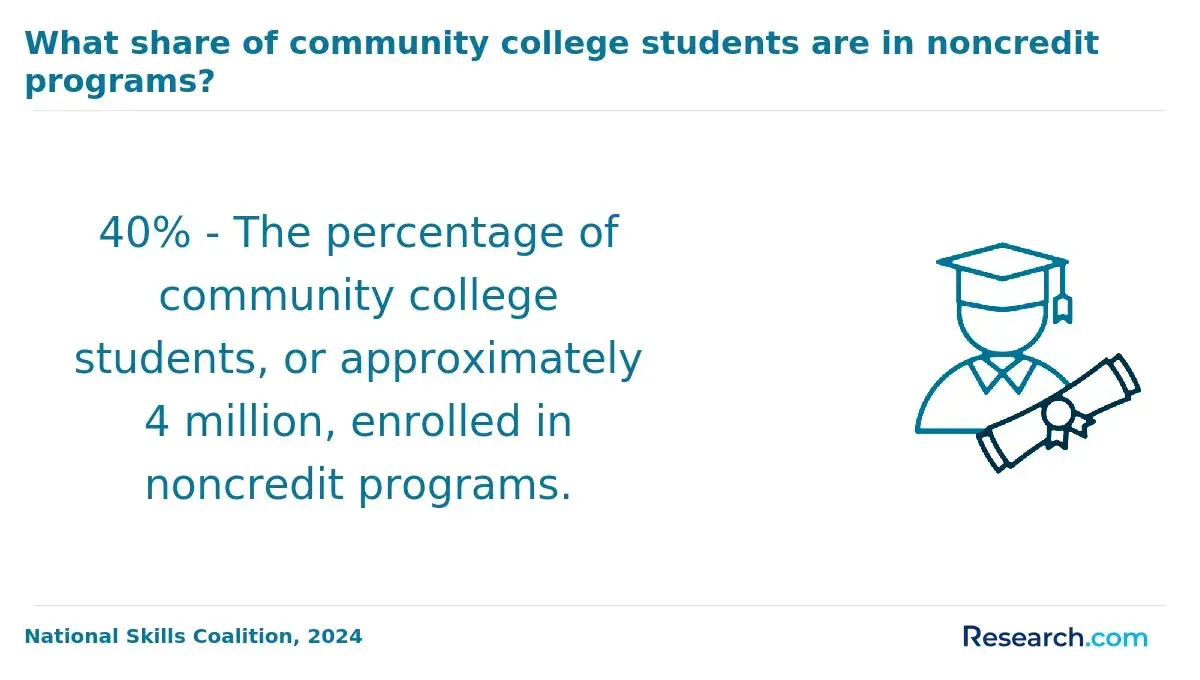
Completion time for online forensic science degrees significantly impacts workforce readiness and financial outcomes, demanding a careful balance between speed and sustainability. Most master's programs require about 36 credits, typically completed in two years full-time or up to three years part-time, often aligning with professional obligations in law enforcement or legal fields.
Accelerated or year-round offerings can reduce time to degree, but may increase workload and upfront costs. Conversely, traditional pacing alleviates immediate pressures but extends the period before a graduate can pursue advanced roles such as forensic analyst or criminalist. Programs with asynchronous delivery and credit-for-experience options favor mid-career professionals seeking rapid skill acquisition without sacrificing income.
Critical considerations include:
- Employer expectations for timely skill application often favor candidates graduating within two years for roles in crime labs and investigative units.
- Practical components like virtual labs or internships may extend duration, especially if on-site participation is mandatory.
- Faster completion correlates with reduced debt and quicker entry into forensic science positions with median salaries ranging $60,000-$90,000 nationally.
Ultimately, strategic decisions about program pacing influence financial ROI and career trajectory, requiring students to weigh accelerated study against workload capacity and long-term employability. This analysis aligns with recent tuition models, such as Grand Canyon University's 36-credit path costing approximately $17,640 before fees of $490 per credit, illustrating concrete trade-offs in educational investment.
How much do online forensic science degrees cost?
Cost variation in online forensic science degree programs is a significant consideration tied directly to practical outcomes and workforce entry. Bachelor's programs range broadly from $10,000 to over $40,000, heavily influenced by institutional type and residency status. Associate degrees offer a lower-cost entry between $8,000 and $20,000, but often with limited lab resources or applied case study depth.
Master's degrees, priced from $20,000 to $50,000 or more, may provide advanced, accelerated options around $25,000 to $40,000 intended for those with prior related experience. However, these programs often require a relevant bachelor's background, emphasizing that educational investments must be aligned with existing skills and clear career pivots.
Additional expenses such as proprietary lab software, virtual simulations, and exam proctoring fees can significantly increase the net cost and are inconsistently bundled, affecting access to key practical training essential for forensic analytical proficiency.
Examining employer expectations, US forensic scientists average roughly $62,325 annually, while chemists command higher salaries at $74,913, underscoring the necessity for programs to cultivate both technical rigor and professional networking to improve job prospects in competitive forensic or chemical analysis sectors.
Financial aid, employer tuition reimbursement, and part-time study options mitigate expenses but introduce extended timelines requiring disciplined financial and time management strategies. Candidates must balance these variables carefully to avoid debt strains without sacrificing critical experiential learning.
- Price range for bachelor's: $10,000-$40,000+
- Associate degree costs: $8,000-$20,000
- Master's programs: $20,000-$50,000+
- Supplemental fees: software, labs, proctoring
- Average forensic scientist salary: $62,325
- Chemist salary average: $74,913
What jobs can you get with a forensic science degree?
Forensic science degrees position graduates for niche technical roles such as forensic science technician, crime lab analyst, or evidence specialist, where analytical precision directly influences legal outcomes. Despite a projected average of 2,300 annual job openings for forensic science technicians through 2032, competition remains intense, especially without practical experience.
Positions in digital forensics, toxicology, or DNA analysis demand not only academic knowledge but also specialized software skills and strict adherence to chain-of-custody protocols. Employers in public and private sectors frequently require candidates to complement degrees with internships or hands-on training, making program selection critical for gaining relevant expertise.
Additional certifications or continuing education mandated by state and federal agencies further complicate career advancement and job eligibility. Candidates should carefully assess if online forensic science programs integrate such credentials or provide established lab partnerships.
Regional disparities in forensic department funding affect hiring frequency and salary ranges, shifting job market dynamics. In private forensic firms, screening emphasizes demonstrated problem-solving and report-writing abilities, underscoring the value of practical, context-driven skills over purely academic credentials.
- Technical roles include forensic science technician and crime lab analyst with specific analytical demands.
- Applied experience via internships strongly influences employability.
- Certification pathways are often prerequisites for advancement.
- Regional funding disparities impact job availability and compensation.
What salary can forensic science graduates expect?
Entry-level salaries for forensic science graduates in the U.S. generally range from $50,000 to $65,000, with federal agency roles like the FBI typically offering higher starting pay than local law enforcement or private labs. Experience accelerates earning potential: forensic analysts in toxicology or crime lab settings can reach $70,000 to $85,000 within five years. Specialization is key, as advanced skills in DNA analysis or computer modeling command significant pay premiums compared to generalist positions focused on basic evidence collection.
Forensic chemists working in pharmaceutical or environmental sectors may exceed $90,000 annually but often require additional certifications that gatekeep these niches. Geographic location and the sector strongly influence compensation - metropolitan areas with specialized agencies tend to pay more but also present greater competition. Combining forensic science expertise with cross-disciplinary skills like cybersecurity can push salaries beyond $100,000, reflecting market demand for diverse technical competencies.
Online forensic science degrees expand access, with 26 programs worldwide in 2025, but candidates must critically evaluate accreditation and hands-on lab quality as these impact employability and wage outcomes. Employers prioritize analytical reasoning and practical lab experience, so graduates lacking forensic internships frequently face initial wage penalties despite degree completion.
- Targeted internships and certifications in crime scene investigation improve hiring prospects and salary trajectories.
- Sector differences create a strategic tradeoff between job stability in public institutions and potentially higher pay in private or specialized roles.
How do you choose a reputable online forensic science program?
Selecting an online forensic science program requires rigorous evaluation of accreditation and curriculum that align with employer needs and real-world applications. Regional or national accreditation by bodies such as the Higher Learning Commission or ABET is essential to ensure academic standards meet requirements for professional certifications or licensure.
Programs must also integrate up-to-date investigative technologies and analytical reasoning skills to prepare students for complex roles in areas like forensic accounting or cybercrime. Employer partnerships and documented job placement rates provide a practical gauge of program relevance. For instance, candidates targeting financial forensics should prioritize programs offering case-based learning and simulations with authentic data.
Flexibility in course scheduling is a significant factor for working professionals balancing education and employment. Additionally, the expertise of faculty with active forensic practice backgrounds ensures curricula evolve with current forensic methodologies.
Critical too is the technological infrastructure supporting interactive labs and virtual evidence analysis, vital for hands-on skill development. Transfer policies recognizing prior related credits can streamline time and cost, enabling a focused transition into specialized sectors.
- Accreditation validating academic rigor and eligibility for certification
- Curriculum incorporating current investigative tools and analytic training
- Programs with measurable industry partnerships and job placement
- Flexible online delivery suited for employed students
- Faculty expertise linked to active forensic roles
- Technological platforms supporting practical skill simulations
- Transfer credit policies minimizing redundancy for returning professionals
Other Things You Should Know About Forensic Science
Look for programs with forensic or natural-science labs that follow ISO/IEC 17025 standards and regional accreditation from bodies such as CHEA-recognized agencies. Many programs also require a 120-credit bachelor’s curriculum, with validated virtual lab modules plus an in-person practicum or residency for evidence-handling skills.
Online forensic science degrees require consistent, disciplined self-study combined with time-intensive assignments, including data interpretation and case study analyses. The workload mimics traditional programs but with added responsibility for managing deadlines without direct in-person support. Working professionals must evaluate whether their schedules can accommodate the rigorous, often asynchronous demands of these programs without sacrificing quality or outcomes.
Employer recognition depends less on the delivery mode and more on program accreditation and curriculum rigor. A well-accredited online degree with strong faculty involvement and relevant practical components can hold equivalent weight to traditional degrees. Prospective students should verify that their chosen program maintains robust industry connections and offers opportunities for real-world application to ensure employer acceptance.
References
- Forensic Science & CSI Schools By State - Degrees & Certification https://www.forensicscolleges.com/usa
- Forensic Science Course Salary: What Can You Earn? https://purchase.andlight.dk/andlight-news/forensic-science-course-salary-what-can-you-earn-1767648256
- B.S. in Forensic Science | Rivier University https://www.rivier.edu/academics/all-programs/b-s-forensic-science/
- Forensic Investigation and Analysis - Atlantic Technological University https://www.atu.ie/courses/bachelor-of-science-honours-forensic-investigation-and-analysis
- Forensic and Analytical Science Course with BSc (Hons) Degree | RGU University – Aberdeen, Scotland, UK | Courses | RGU https://www.rgu.ac.uk/study/courses/bsc-hons-forensic-and-analytical-science
- Professional services https://www.strath.ac.uk/studywithus/subjects/forensicscience/
- Forensic Scientist Salary: State-by-State Median Guide https://www.allcriminaljusticeschools.com/forensics/salary/
- Online Forensic Science Degree https://www.aiuniv.edu/degrees/criminal-justice/bachelors-forensic-science
- Study Forensic and Analytical Science at Flinders University - Flinders University https://www.flinders.edu.au/study/courses/bachelor-science-forensic-analytical-science