2027 Online Forensic Science Degrees With Forensic Chemistry Concentrations

Co-Founder and Chief Data Scientist
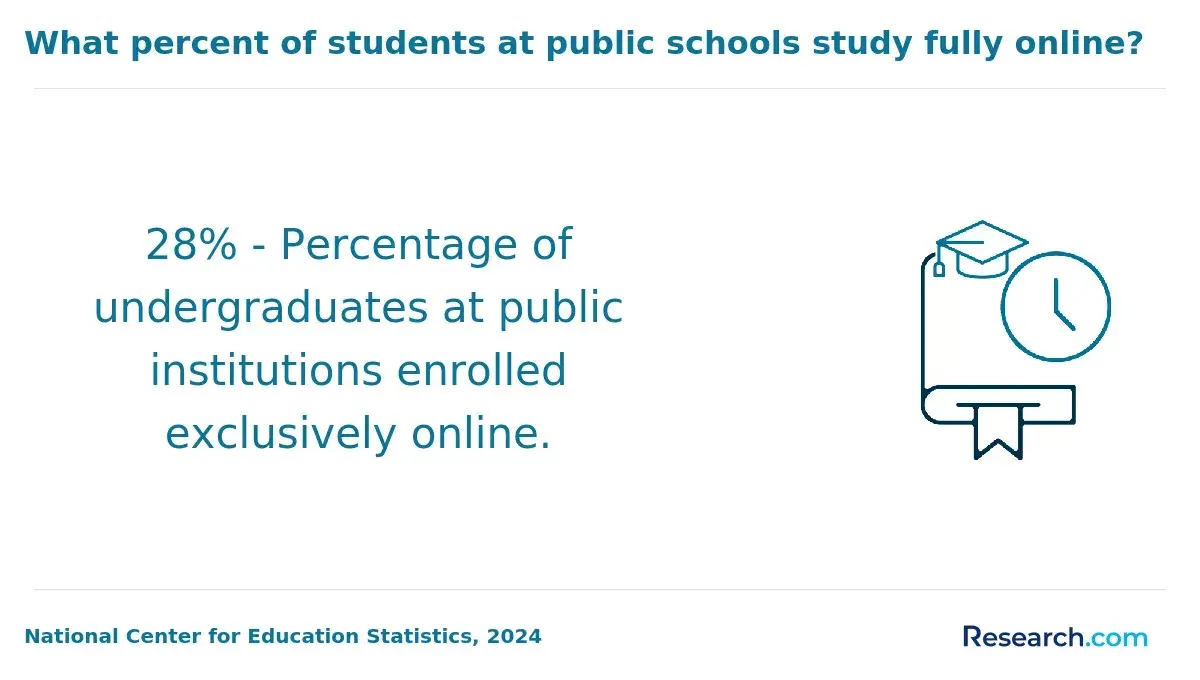
Forensic science professionals specializing in forensic chemistry increasingly face the challenge of balancing demanding schedules with the necessity to acquire advanced, specialized knowledge. Traditional on-campus programs often conflict with work commitments, leading many to seek flexible learning options. Recent data from the National Center for Education Statistics reveals that over 40% of graduate students enroll part-time or in online programs, signaling a shift toward accessibility without sacrificing rigor.
This trend matters because it reshapes how practitioners can upskill efficiently amid evolving industry standards and employer expectations. This article examines online forensic science degrees with forensic chemistry concentrations to guide strategic, accessible educational decisions that align with career goals.
Key Things You Should Know
- Online forensic science degrees with forensic chemistry concentrations average 15-20% lower tuition than on-campus, but fewer lab-intensive courses delay hands-on skill mastery critical for immediate crime lab employment per 2024 Bureau of Labor Statistics (BLS) data.
- Employers report 32% preference for candidates with formal laboratory experience over exclusively online credentials; graduates often supplement degrees with internships or certifications to meet forensic chemistry proficiency demands, impacting time-to-hire and initial salary offers.
- Program availability shrinks sharply outside major research universities, limiting geographic access to advanced forensic chemistry tracks; this constricts workforce diversification despite rising demand projected at 8% growth by 2032 from BLS projections.
What is an online forensic science degree with a forensic chemistry concentration?
Targeting forensic chemistry roles within the broader forensic science field demands more than theoretical knowledge; it requires verified competence in chemical analysis techniques aligned with forensic protocols. An online forensic science degree with a forensic chemistry concentration in the United States can deliver essential coursework in organic chemistry, toxicology, and drug identification, but its real-world value hinges on access to accredited laboratory experiences. Without hands-on training facilitated through partnerships with local labs or virtual simulations, graduates risk underqualification despite strong academic credentials.
Graduates must weigh program offerings carefully, particularly how they integrate practical lab components that meet standards from bodies like the American Chemical Society or Forensic Science Education Programs Accreditation Commission. Employers in forensic laboratories emphasize skill mastery validated through authentic lab work over theoretical learning alone.
Workforce demand is growing, with the U.S. Bureau of Labor Statistics projecting a 13% increase in forensic science technician roles from 2022 to 2032. This growth is driven by increased reliance on chemical evidence in criminal investigations and regulatory compliance across public health and environmental sectors. Professionals pivoting from chemistry or biological sciences find these programs suitable for transitioning into forensic roles, provided the balance between flexibility and hands-on training is maintained.
For those seeking the best online forensic science programs focusing on forensic chemistry, program selection should prioritize curriculum depth and verifiable practical exposure. More detailed evaluations of affordability and program design are available via this online forensic science degree resource.
How do online and campus forensic science programs compare?
Choosing between an online forensic science degree vs campus programs involves weighing crucial tradeoffs tied to practical skill acquisition and employability. Employers hiring for approximately 12,000 annual openings expect graduates to demonstrate hands-on proficiency with analytical instruments-a standard difficult to meet without in-person labs. Campus programs excel in providing immediate access to specialized equipment, direct mentorship, and peer collaboration, all of which better prepare students for rigorous technical assessments and field scenarios.
Conversely, online forensic science degree programs with forensic chemistry concentrations offer scheduling flexibility conducive to working professionals or remote learners. However, they often require supplementary local internships or intensive summer residencies to compensate for limited lab access, potentially prolonging completion times. Individuals targeting government forensic labs or federal agencies should prioritize hybrid or campus options with verified internship pipelines, since these roles demand strict adherence to chain-of-custody and quality control protocols. Private sector opportunities may be more accessible to online graduates who supplement their studies with regional lab experience.
Students navigating differences between online and on-campus forensic science education must adopt strategic approaches: online students need to proactively secure local practical experiences, while campus students should leverage networking events to enhance job placement. The field's technical rigor necessitates aligning education choices with employer expectations to optimize workforce readiness. For professionals interested in adjacent fields, reviewing options for an online masters in data science may also present valuable cross-disciplinary opportunities.
Which accreditation should an online forensic science program have?
Regional institutional accreditation recognized by the U.S. Department of Education or the Council for Higher Education Accreditation (CHEA) is essential for online forensic science programs with a forensic chemistry concentration. This baseline accreditation ensures graduates meet industry standards, qualify for federal financial aid, and can pursue relevant professional certifications. Specialized accreditation from the Forensic Science Education Programs Accreditation Commission (FEPAC) adds a layer of programmatic validation but remains uncommon in online offerings, especially within the niche of forensic chemistry. For students targeting federal or state forensic laboratories, graduating from a regionally accredited program-and preferably one with FEPAC recognition-is a practical necessity. Employers in these sectors often use accreditation as a hard filter, directly impacting eligibility for technician roles and funding opportunities.
By contrast, those aiming to enter private sector forensic roles may find regional accreditation sufficient but should be aware this can slow credential verification and career progression. The tradeoff here includes balancing program accessibility with the potential cost in competitive positioning.
Prospective students must verify both institutional and programmatic accreditation early to avoid pursuing online forensic science program accreditation standards that limit real-world employability. Understanding these nuances is critical when evaluating the best accredited forensic science degrees online. Considerations like curricular depth, hands-on exposure, and certification alignment matter beyond the diploma.
Additionally, for individuals exploring related pathways such as an online dietitian degree, accreditation scrutiny remains similarly decisive, reflecting broader trends in aligning education quality with workforce expectations.
What courses are included in forensic chemistry concentration programs?
Mastering a forensic chemistry degree course curriculum demands balancing theoretical knowledge with intense practical application, a tradeoff that shapes career readiness in forensic and crime lab settings. Core coursework in chromatographic methods, spectroscopy, toxicology, and chemical residue analysis equips students to identify and quantify chemical evidence accurately. Specialized instruction, such as forensic drug chemistry and arson investigation, simulates real-world laboratory challenges, highlighting the necessity of rigorous adherence to protocols like chain of custody and quality assurance.
The weight of this curriculum often translates to a significant time investment. For example, Texas Tech University's Master of Forensic Science requires 45 credit hours, typically completed over 18 to 24 months full-time. This reflects the extensive lab hours students must commit to, mirroring the pace and precision expected by forensic employers. Students considering online forensic chemistry classes and topics should evaluate how these virtual formats replicate hands-on experience, a crucial element for employment in public crime labs or private forensic services.
Understanding regulatory compliance and evolving instrumentation is essential for workforce integration and long-term adaptability. Graduates must also develop strong data interpretation and report-writing skills tailored to legal contexts. Prospective students should assess programs for comprehensive curricula that address these workforce realities without underestimating the workload or technical rigor involved.
For those weighing alternative educational pathways, such as the masters in library science online program, forensic chemistry's demands stand apart due to its intensive laboratory focus, specialized science training, and professional certification expectations.
What admissions requirements do these programs usually require?
Applicants to online forensic science degree programs with forensic chemistry concentrations face practical barriers beyond academic prerequisites. Programs typically require a high school diploma, but successful candidates often present associate degrees or STEM coursework paired with verified competency in chemistry, biology, and math, reflecting the analytical demands of the field. Employers prioritize graduates who can navigate strict procedural controls in chemical analyses, so hands-on lab experience or targeted coursework in analytical chemistry significantly strengthens candidacy.
Standardized testing is less uniformly required but occasionally used to gauge broad academic readiness, particularly for those entering directly from high school. Admissions committees highly value personal statements and recommendations that provide evidence of technical aptitude and problem-solving reliability. Candidates must also demonstrate the self-discipline necessary for asynchronous online coursework, as insufficient time management undermines success in these programs.
Some competitive programs impose background checks and require employment eligibility documentation, given forensic chemistry's frequent ties to law enforcement and sensitive data. Tuition costs range widely, for example, from $373 per credit hour in-state to $934 per credit hour out-of-state, which applicants should weigh against realistic funding options and market demand for forensic chemistry specialists.
- Minimum academic qualifications usually include STEM coursework or an associate degree plus strong core science transcripts.
- Practical lab experience or analytical chemistry classes improve employability.
- Self-management skills are critical due to the demands of asynchronous delivery.
- Background checks reflect sector security concerns.
- Tuition variability significantly impacts total educational investment.
How long does an online forensic science degree take to finish?
A forensic science degree with a forensic chemistry concentration varies widely in completion time due to prior credits, enrollment status, and program structure. Traditional full-time students without transfer credits generally spend around four years, while professionals returning for a second degree or those holding relevant associate degrees may accelerate to two or three years by leveraging recognized coursework.
Part-time study, common for working forensic technicians aiming to broaden chemistry expertise for advancement, typically extends beyond four years because of flexible, asynchronous formats. This tradeoff allows maintaining employment but delays market entry and income increase.
Program demands also shape duration. Forensic chemistry emphasizes rigorous lab work and content mastery, often fulfilled through virtual simulations or local lab partnerships. Some curricula require brief on-site residencies, adding complexity to scheduling and overall length.
Employers mandate a bachelor's degree for most forensic scientist roles, aligning with a national average salary near $62,325 annually. Accelerated pathways fast-track employment but risk burnout and surface-level absorption, while paced progression fosters deeper understanding and work-life balance.
- Full-time, no-transfer students: 4 years
- Returning professionals or with associate degrees: 2-3 years
- Part-time students balancing employment: 4+ years
Choosing a timeline requires weighing workforce reentry speed against comprehension depth and personal obligations, with a strong emphasis on practical skill acquisition for career viability.
How much do online forensic science degrees cost?
Total tuition for online forensic science degrees with a forensic chemistry concentration varies widely, typically between $15,000 and over $50,000. This spread results from differences in institutional type, residency status, and credit requirements. Public universities tend to charge $300 to $600 per credit for in-state students, whereas private and out-of-state rates may exceed $1,000 per credit. Such disparities directly impact students' long-term debt and should be measured against program rigor and graduate employability in forensic chemistry roles.
Employers in federal and state crime labs prioritize candidates with hands-on, applied chemistry skills supported by strong laboratory experience. Programs offering integrated lab access-essential for mastering instrumentation like chromatography and spectroscopy-justify higher costs, while lower-priced options that rely mainly on simulations may fall short of these employer expectations.
- Mandatory chemistry coursework commonly includes 29 units covering organic, inorganic, instrumental, and physical chemistry, ensuring competency in complex protocols.
- Financial aid, employer tuition reimbursement, and military benefits may offset tuition but require proactive planning to prevent accumulating debt.
- Part-time enrollment can stretch expenses over time, balancing income with education but potentially delaying entry into forensic chemistry roles.
Students must weigh upfront expenses against a program's capacity to deliver applicable forensic chemistry expertise that aligns with workforce demands, considering both immediate costs and ultimate job competitiveness.
What jobs can you get with a forensic chemistry degree?
Forensic chemistry positions demand rigorous analytical abilities and deep familiarity with instrumental techniques such as gas and liquid chromatography. These roles often situate graduates in crime laboratories analyzing physical evidence including drugs and toxins, but also extend to environmental and pharmaceutical sectors where detecting trace compounds is critical. Prospective professionals must weigh the often limited local job availability against opportunities in government agencies like the DEA or FBI, where specialized forensic and chemical testing expertise is mandatory.
Salary ranges typically fall between $55,000 and $85,000 annually, with substantial variance tied to location, employer type, and certification status. Employers heavily favor candidates holding advanced qualifications or certifications such as those from the American Chemical Society (ACS), which serve both as proof of specialized knowledge and a method to boost competitiveness. Yet, progression often requires balancing additional education with practical field experience, especially to align with evolving legal and regulatory standards established by authorities like the National Institute of Standards and Technology (NIST).
Workforce realities emphasize continuous professional development to maintain proficiency with new analytical technologies and strict evidence-handling protocols. Graduates should consider remote or online ACS-certified programs as pragmatic paths to enhance credentials, particularly when local roles are scarce. This hybrid approach of targeted coursework plus applied experience reflects current expectations in forensic science employment and law enforcement agencies.
- Crime labs, environmental agencies, pharmaceutical quality control are key employment sectors
- ACS certification notably improves career trajectory amid competitive hiring
- Federal agencies require both chemical expertise and procedural forensic knowledge
- Ongoing education essential for compliance with NIST and state/federal legal mandates
What salary can forensic chemistry graduates expect?
Starting salaries for forensic chemistry graduates typically range from $55,000 to $65,000 annually, but these figures can shift substantially depending on the employer type and location. Federal agencies usually offer more competitive pay and benefits compared to many state or local labs, where budget constraints frequently suppress entry-level wages.
Practitioners with specialized skills, such as toxicology or drug analysis expertise, often command premium salaries due to the technical rigor and compliance demands of these positions. Geographic considerations further complicate compensation decisions: urban crime labs generally provide higher pay but coincide with increased living costs, while rural or remote agencies may offer lower base pay yet faster career progression opportunities due to staffing shortages.
Job growth projections for forensic science technicians estimate a 13% increase over a decade, translating into stronger demand and better advancement prospects. However, advancing beyond technician roles requires deliberate acquisition of hands-on experience and specialized analytical competencies. Candidates pursuing graduate education combined with targeted internships or government lab exposure are better positioned to secure supervisory or specialist roles with salaries exceeding $90,000.
- Entry-level forensic chemistry salaries: $55,000-$65,000
- Experienced analysts earn: $75,000-$95,000 depending on sector and location
- Projected job growth for forensic science technicians: 13% (2022-2032)
- Federal agencies generally offer higher pay than state/local counterparts
Do forensic science graduates need certification or licensing?
Certification remains a decisive factor shaping employment opportunities for forensic science graduates, especially within forensic chemistry. Unlike professions requiring mandatory state licensure, forensic scientists typically navigate a landscape of voluntary but widely recognized certifications-such as those from the American Board of Criminalistics (ABC) or the International Association for Identification (IAI). These credentials often demand documented casework, proficiency exams, and ongoing education, creating meaningful barriers that can delay workforce entry by several years.
Federal and state lab hiring practices illustrate this dynamic: candidates with forensic board certifications combined with National Institute of Standards and Technology (NIST)-accredited lab experience receive clear preference. Without certification, applicants usually must offset their lack of formal credentials with extensive practical experience, impeding swift career progression. In contrast, roles in private forensic consulting or research tend to place less emphasis on certification but still regard it as valuable for contract competitiveness.
Specific to forensic chemistry, the rarity of specialized degree tracks means graduates often enhance their profiles through supplemental chemistry certifications or quality assurance training to meet court and lab scrutiny demands. Considering the multi-year commitment and $1,000-$2,000 fees for certification, candidates must weigh these investments against improved job placement prospects and the ethical accountability these credentials enforce.
- Certification requires 2-5 years post-degree preparation and documented casework.
- Federal labs prioritize board certification plus NIST-accredited experience.
- Certification strengthens forensic chemistry hires due to specialized analytical standards.
- Private sector roles are more flexible but favor certified professionals for contracting.
Other Things You Should Know About Forensic Science
Most programs are designed with flexibility but still demand rigorous study and lab work that can exceed 15-20 hours weekly, especially in upper-division courses. Professionals should evaluate if their employer supports schedule adjustments or offer resources to manage workload. Programs with asynchronous lectures combined with scheduled lab sessions are better suited for working students who need to carefully allocate time.
A forensic chemistry focus improves specialization for roles involving substance identification and chemical analysis, which are in steady demand. However, some employers prefer broader forensic science degrees with interdisciplinary skills. Students aiming for federal or specialized forensic labs should prioritize concentrations aligned with agency requirements to maximize job prospects.
Most programs require at least one year of general chemistry with labs, one semester of organic chemistry, college algebra, and basic biology. Some also expect physics or biochemistry before upper-level forensic chemistry courses. Applicants usually need a minimum 2.5 to 3.0 GPA in prior science coursework.
References
- Forensic Chemist Career Outlook, Salary & Degree Programs https://www.forensicscolleges.com/careers/forensic-chemist
- What can I do with a degree in Chemistry or Forensic Science? https://www.waynesburg.edu/news/what-can-i-do-degree-chemistry-or-forensic-science
- Online Forensic Science Degree https://www.aiuniv.edu/degrees/criminal-justice/bachelors-forensic-science
- European Forensic Institute Bachelor's and Masters programmes https://eufor.eu/programmes/
- Forensic Chemistry Major https://www.towson.edu/fcsm/departments/chemistry/undergrad/forensic/
- Medical School Requirements in 2025: The Definitive Guide — Shemmassian Academic Consulting https://www.shemmassianconsulting.com/blog/medical-school-requirements
- TJB | FSC | Licensing https://www.txcourts.gov/fsc/licensing/
- Forensic Chemist Salary (July 2026) | SLAS https://careers.slas.org/salary/forensic-chemist
- Forensic Science Education Programs Accreditation Commission https://www.aafs.org/FEPAC
- Compare Forensic Scientist Schools & Training Programs https://www.criminaljusticeprograms.com/specialty/forensic-science-degrees/