2027 Online Forensic Science Degrees With Forensic Biology Concentrations

Co-Founder and Chief Data Scientist
Facing urgent demands to interpret complex biological evidence, forensic professionals often struggle to balance advancing their expertise with full-time work and personal commitments. The National Center for Education Statistics reports a 15% surge in adult learners enrolling in online STEM programs since 2024, highlighting a shift toward flexible education models that accommodate irregular schedules without sacrificing rigor.
This trend reflects a broader labor market need for forensic biologists who can upgrade skills remotely while maintaining employment. This article examines online forensic science degrees with forensic biology concentrations, guiding prospective students through program structures, admissions criteria, and career implications to inform strategic educational decisions.
Key Things You Should Know
- Online forensic science degrees with forensic biology concentrations average 25% lower total costs but require extended study periods due to limited lab access, impacting time-to-employment compared to hybrid programs, per 2024 NCES data.
- Employers demand demonstrated hands-on experience; purely online graduates face a 15% disadvantage in forensic lab technician hires unless supplemented with accredited field internships, as reported by the 2024 American Academy of Forensic Sciences workforce survey.
- Shifts toward DNA phenotyping and molecular forensics demand updated curricula; programs lagging in advanced biotech training reduce graduate marketability amid rapid forensic biology method evolution, per 2024 NIJ technology adoption metrics.
What is an online forensic science degree with a forensic biology concentration?
An online forensic science degree with a forensic biology concentration demands a careful assessment of hands-on requirements versus remote flexibility. While molecular biology, DNA analysis, serology, and microbiology form the technical core, students must navigate limited access to physical labs and secure practical internships to develop necessary biological evidence processing skills.
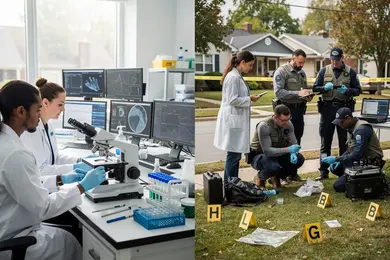
This tradeoff critically affects readiness for roles in metropolitan crime labs, where technicians must handle DNA samples, maintain chain-of-custody integrity, and operate forensic databases under strict protocols. Employment outlook justifies this focus: forensic science technician jobs are expected to grow by 13% through 2032, outpacing the general labor market's 4%.
However, that growth hinges on verifying program accreditation and experiential learning availability, as employer preferences often favor certifications evidencing lab competency and investigative collaboration. Those unable to complete regionally arranged externships may face barriers to entering forensic biology-focused roles.
Programs integrating comprehensive biology-focused labs with core forensic coursework better align with workforce demands, but students should also consider mentorship opportunities and legal-scientific framework training embedded in the curriculum. Pursuing forensic science programs with a forensic biology focus requires evaluating whether an online model provides sufficient skill-building for investigative contexts and advancing within forensic laboratories.
For detailed cost comparisons and program offerings, prospective students may reference forensic psychology graduate programs online as a resource for parallel insights into affordable online forensic pathways.
How do online and campus-based forensic biology programs compare in quality and outcomes?
Online forensic biology degree program quality comparison reveals that while academic content is often comparable between online and campus options, the difference lies in hands-on experience and professional networking, both critical for employability. Campus programs offer direct access to specialized labs and mentorship, which accelerates competency in essential skills like DNA sequencing and evidence analysis.
This has tangible consequences: graduates from campus programs typically enter forensic roles with less on-the-job training time. Conversely, online programs supplement practical gaps with virtual simulations and remote lab kits but rarely replicate the tactile depth required in crime labs or medical examiner offices. This tradeoff particularly affects early-career readiness in physically demanding roles.
Yet, online learning provides flexibility and cost efficiency; for example, Stevenson University prices its online master's in forensic science at $719 per credit with $0 fees, allowing for straightforward ROI assessment. Employers are increasingly accepting accredited online degrees, especially when candidates also have documented laboratory experience and internships. Campus graduates usually benefit from stronger networks and onsite internships.
Choosing between pathways depends on professional circumstances, geographic limits, and timing. Working students may find online degrees integrate better with existing commitments, while those targeting comprehensive immersion and robust career positioning should consider campus programs. Those evaluating a forensic biology career, including roles like autopsy tech, should weigh these factors carefully to align education with job market realities.
Which accrediting bodies and program approvals should these forensic biology degrees have?
Employers in forensic biology, especially within public crime labs and federal agencies, prioritizing candidates from accredited programs illustrates the operational disparities between degree offerings. A forensic biology degree lacking accreditation by the Forensic Science Education Programs Accreditation Commission (FEPAC) often limits access to these roles, underscoring the weight of such credentials in real-world hiring.
Regional accreditation through agencies like the Higher Learning Commission or WASC remains critical not only to confirm institutional quality but also to ensure transferability of credits for future certifications or advanced studies. State medical examiner or forensic board approvals can offer local validation, but these are inconsistent and should be verified against targeted employer demands-for example, toxicology labs tied to state health departments.
The balance between core forensic principles and specialized forensic biology coursework is pivotal; the University of Florida's online M.S. in Forensic Science requiring 18 core credits plus 14 electives exemplifies how program structure supports mastery valued in forensic labs. Graduates from programs lacking recognized accreditation and approvals may face obstacles in certification eligibility, such as through the American Board of Criminalistics, restricting career trajectory.
Working professionals must seek forensic biology degree programs in the US that combine FEPAC accreditation with substantive core and elective credits, aligning with employer expectations in DNA analysis and evidence interpretation. Prospective students should compare program outcomes, institutional approvals, and curriculum depth rather than defaulting to convenience or cost.
For individuals considering adjacent health or science pathways, exploring a nutritionist degree online may present alternative options with clearer workforce pathways.
What courses and lab experiences are typically included in a forensic biology curriculum?
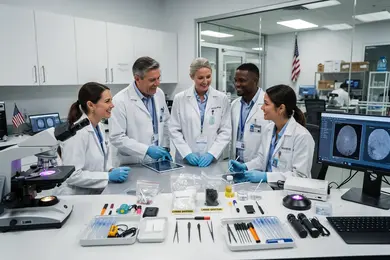
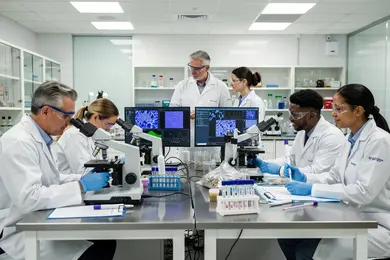
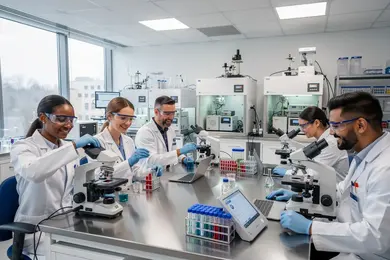
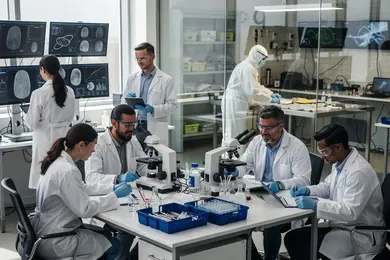
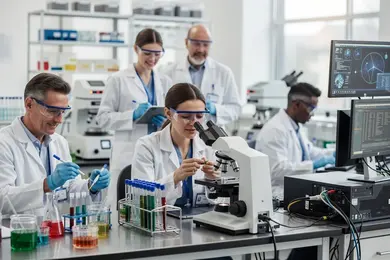
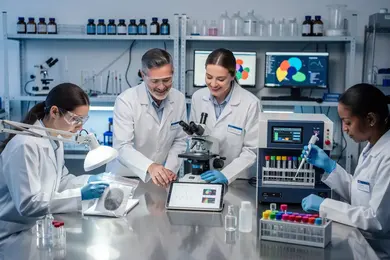
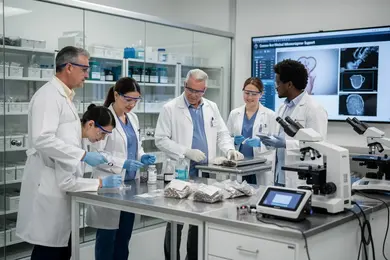
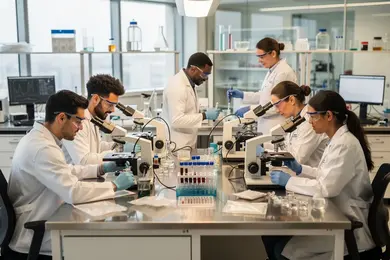
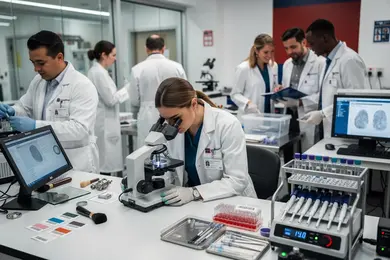
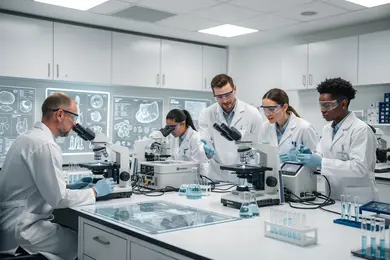
Proficiency in forensic biology hinges on extensive practical training, not just coursework. This makes understanding forensic biology degree course requirements critical for students aiming to meet employer expectations. Core studies cover DNA analysis, forensic serology, microbial forensics, and evidence protocols, but the emphasis is on mastering lab techniques such as PCR, gel electrophoresis, and microscopy under strict chain-of-custody standards.
Forensic biology lab techniques and practical training must simulate real crime scene conditions, preparing students for challenges like accurate evidence processing and courtroom accountability. Advanced curricula often incorporate biostatistics and legal procedures to sharpen analytical skills and testimony readiness. However, many programs struggle with limited lab access or outdated equipment, which can restrict technical competency development.
Students face tradeoffs between affordable entry points-such as associate degrees or certificate pathways-and the need for advanced DNA sequencing skills demanded in federal and state laboratories. For example, the $8,415 average cost for the GMC Online forensic laboratory technology program exemplifies accessible training that may still require later supplementation.
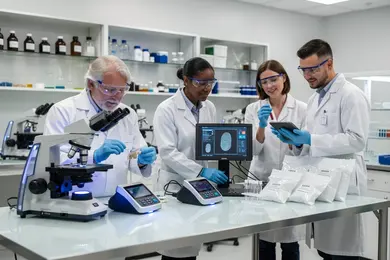
Employers prefer candidates who demonstrate verified lab skills alongside theoretical knowledge, as precise technique and documentation integrity directly impact case outcomes and legal defensibility. Those lacking substantial practical experience risk narrow hiring chances in forensic biology roles. Prospective students should evaluate programs against these realities and consider complementary options, including programs like a library science degree for interdisciplinary skill expansion.
What admission requirements and prior academic background do these programs expect?
Applicants pursuing online forensic science degrees with forensic biology concentrations must meet foundational science prerequisites, often requiring demonstrated competency in biology and chemistry before advancing to specialized coursework. This baseline ensures students can engage with complex scientific material, a necessity reflecting employer demand for precision and analytical rigor in forensic biology roles.
Transfer students or professionals seeking reentry typically need around 30 prior credit hours, including core general education and introductory sciences, to integrate efficiently into programs built on a 120-credit-hour framework like Arizona State University's online degree. This standardization aids in academic planning but also signals the commitment needed to balance coursework with external responsibilities.
Applicants from related fields such as criminal justice or lab work may bypass some entry obstacles if they hold relevant certifications or prior coursework, facilitating faster progression. Conversely, career changers lacking a science background should expect remedial expectations before entering advanced topics, which can extend time-to-completion and financial investment. Programs often require official transcripts and test scores, verifying academic readiness.
Importantly, employment outcomes hinge on more than coursework alone. Robust lab experience-sometimes challenging to obtain fully online-is critical. Students must consider the tradeoff between program flexibility and acquiring hands-on skills, as insufficient practical exposure can limit immediate employability in active forensic biology roles.
How long do online forensic biology degrees take, and what schedules are available?
Forensic biology degree timelines sharply influence workforce entry and earning potential, with master's programs typically spanning 1.5 to 3 years and bachelor's degrees around four years, contingent on full- or part-time enrollment. Accelerated tracks-commonly structured in 8- or 12-week blocks-require intensive commitment, limiting time for employment, whereas part-time paths extend duration but allow ongoing income.
Programs generally blend online coursework with hands-on lab requirements. Since practical skills are non-negotiable in roles such as crime lab analysis and evidence handling, many curricula incorporate short on-campus residencies or partnerships with local laboratories to ensure competency acquisition. This hybrid design reflects employer demand for candidates who combine technical proficiency with timely degree completion.
The financial burden is significant; master's-level tuition frequently exceeds $57,000. Prospective students should evaluate how compressed schedules might strain finances and limit job prospects during study, versus prolonged enrollment's potential delay in accessing higher-paying forensic biology positions, affecting career development phases.
Employers prioritize applicants demonstrating both applied skill sets and a record of completing degree requirements efficiently, especially in governmental and private sector forensic environments. Students must strategically align program flexibility and duration with their current work demands and career trajectories to optimize return on this critical educational investment.
What are typical tuition costs, fees, and financial aid options for these online programs?
Investing $15,000 to $40,000 in an online forensic science degree with a forensic biology focus is a significant financial decision that requires scrutiny beyond sticker price. Tuition excludes essential fees-often $500 to $2,000-for technology access, lab materials, and graduation processing, all critical given the virtual or physical lab requirements intrinsic to science programs.
For example, a working professional leveraging employer tuition reimbursement must confirm the investment translates to measurable salary gains or career shifts aligned with forensic certification or licensing. The median forensic science technician salary hovers near $64,000, making a $20,000 tuition a considerable risk without clear advancement outcomes.
Financial aid is viable but complex: undergraduates secure Pell Grants and federally subsidized loans, while graduate students face immediate interest accrual on Direct Unsubsidized and Grad PLUS Loans. Merit scholarships exist but are narrowly awarded, underscoring the need to prepare for out-of-pocket costs.
When evaluating programs, candidates should prioritize those that support extended study stages, potentially involving unpaid internships, and offer alignment with state licensure standards. Total cost of attendance versus realistic salary expectations must guide decisions-balancing educational depth in forensic biology and technical field skill mastery with manageable debt.
What forensic biology careers can graduates pursue, and in which work settings?
Success in forensic biology demands more than a bachelor's degree; employers favor candidates who couple foundational academic knowledge with hands-on experience in DNA analysis, serology, and molecular biology. Common entry-level roles-such as crime lab analysts, DNA specialists, and crime scene investigators-typically require practical skills in handling biological evidence within public crime labs or medical examiner offices.
Graduates should expect intense competition and be ready to supplement their degree with internships or certifications like those from the American Board of Criminalistics. In private forensic consulting, communication skills become equally critical as collaboration with legal teams and insurers is routine. By contrast, forensic roles in medical examiner settings impose additional expectations in human anatomy and pathology, often beyond what a bachelor's alone provides.
Practical realities include:
- Employment growth linked to evolving DNA technologies and database expansion
- Preference for candidates demonstrating active casework involvement over purely theoretical backgrounds
- Interdisciplinary applications such as bioterrorism response and epidemiological analysis requiring broader training beyond basic forensic biology
The University of North Texas forensic science biology B.S. aligns with the industry baseline, requiring 120 credit hours typically completed over four years, but aspirants must strategically acquire laboratory proficiency and real-world case experience to navigate hiring demands effectively.
What salary ranges and job outlooks exist for forensic biologists and related roles?
Salary trajectories for forensic biologists hinge heavily on the specificity and depth of their scientific training and laboratory experience. Entry to mid-level positions typically pay between $55,000 and $85,000 annually, but those lacking focused hands-on lab skills often encounter stagnation around $60,000-$65,000.
Employers consistently prioritize candidates with precise bachelor's degrees in biology or molecular biology over broader forensic science degrees, given the critical need for proficiency with specialized equipment such as PCR machines and spectrometry. This distinction accelerates onboarding in DNA analysis and related high-demand roles. Job growth for forensic science technicians, including forensic biologists, is projected at 14% through 2032-significantly outpacing many sectors.
However, those without integrated laboratory internships or certificate programs typically face slower advancement and reduced initial earning potential. The practical consequence is clear: students must weigh curricula that emphasize laboratory immersion versus those providing more generalized knowledge. For career pivoters, postbaccalaureate lab certification or technician experience serves as a crucial bridge to surmount early salary bottlenecks.
How can students evaluate and choose a reputable online forensic biology program?
For prospective forensic biology graduate students, program accreditation by the Forensic Science Education Programs Accreditation Commission (FEPAC) or recognized regional accreditors is a non-negotiable benchmark. Employers, especially federal agencies and crime labs, prioritize candidates trained specifically in forensic biology rather than generic forensic science curricula.
This distinction matters because technical competencies in DNA analysis, serology, and molecular methods are prerequisites for many roles, and programs lacking substantial laboratory components often fail to prepare students for these demands. Evaluating graduate outcomes yields critical insight: a forensic biology master's program with, for example, a 70% placement rate in relevant jobs within six months outpaces less transparent programs and signals alignment with employer expectations.
Students balancing full-time work may consider part-time or asynchronous formats, but must weigh potential compromises in hands-on lab access that are vital for credentialing and operational readiness. Cost assessments should include often-overlooked expenses such as specialized software, reagents, and potential travel mandated by lab work outside the student's locale.
For those targeting federal or state lab positions, verifying that the program fulfills hiring standards or equivalency requirements is essential given clearance and credential mandates which directly affect career trajectory.
- Prioritize programs with explicit forensic biology lab training and robust outcome reporting
- Consider the geographic and financial impact of mandatory in-person lab components
- Check alignment with employer credentialing and security clearance prerequisites
Other Things You Should Know About Forensic Science
Online programs often face limitations in delivering hands-on forensic biology training essential for field and lab work. Students should confirm whether the program includes partnerships or arrangements for in-person lab practica or internships, as purely virtual labs do not fully replicate real specimen handling or crime scene procedures. Prioritizing programs that integrate mandatory in-person components or local lab access increases readiness for practical employer expectations in forensic casework.
Employers typically evaluate degrees based on accreditation, rigor, and evidence of practical experience rather than delivery mode alone. Graduates from online forensic biology programs lacking tangible lab or internship experience face challenges competing against candidates with traditional on-campus lab exposure. When considering an online degree, prioritize programs with established employer connections and experiential requirements to improve job prospects.
Certification, such as from the American Board of Criminalistics, is not universally mandatory but is often favored or required by forensic laboratories, especially in competitive job markets. Graduates should weigh the cost and time investment of certification programs against their career goals. Earning certification strengthens credibility and can be essential for advancement in forensic biology roles focused on evidence analysis and courtroom testimony.
Most programs require an in-person lab component, often 2 to 4 credits, completed through an approved campus visit or local partner lab. Students usually must finish biology, chemistry, and forensic lab work before capstone coursework, and schools verify each placement under faculty supervision.
References
- Bachelor's in Forensic Science https://www.ccis.edu/degrees/forensic-science-bachelor
- Online Degree Programs from GMC Online https://online.gmc.edu/programs/forensic-laboratory-technology/
- European Forensic Institute Bachelor's and Masters programmes https://eufor.eu/programmes/
- Forensic Science Concentration (Biology) - Fort Valley State University https://www.fvsu.edu/academics/forensic-science
- How To Become a Forensic Scientist: Requirements & Steps https://www.forensicscolleges.com/blog/htb/how-to-become-forensic-scientist
- Costs of Online and Campus Colleges | University of Phoenix https://www.phoenix.edu/blog/comparing-the-costs-of-online-and-campus-colleges.html
- Forensic biologists: Salary, career path, job outlook, education and more - RaiseMe https://www.raise.me/careers/life-physical-and-social-science/forensic-science-technicians/forensic-biologists/
- Forensic Science Majors https://www.hamline.edu/academics/undergraduate/forensic-science
- Faculty of Graduate and Postdoctoral Studies | University of Manitoba - Graduate studies admission requirements https://umanitoba.ca/graduate-studies/admissions/requirements
- Careers in forensic science https://www.justice-ni.gov.uk/articles/careers-forensic-science