2027 Online Forensic Science Degrees for Students Who Want Ballistics Examiner Roles

Co-Founder and Chief Data Scientist
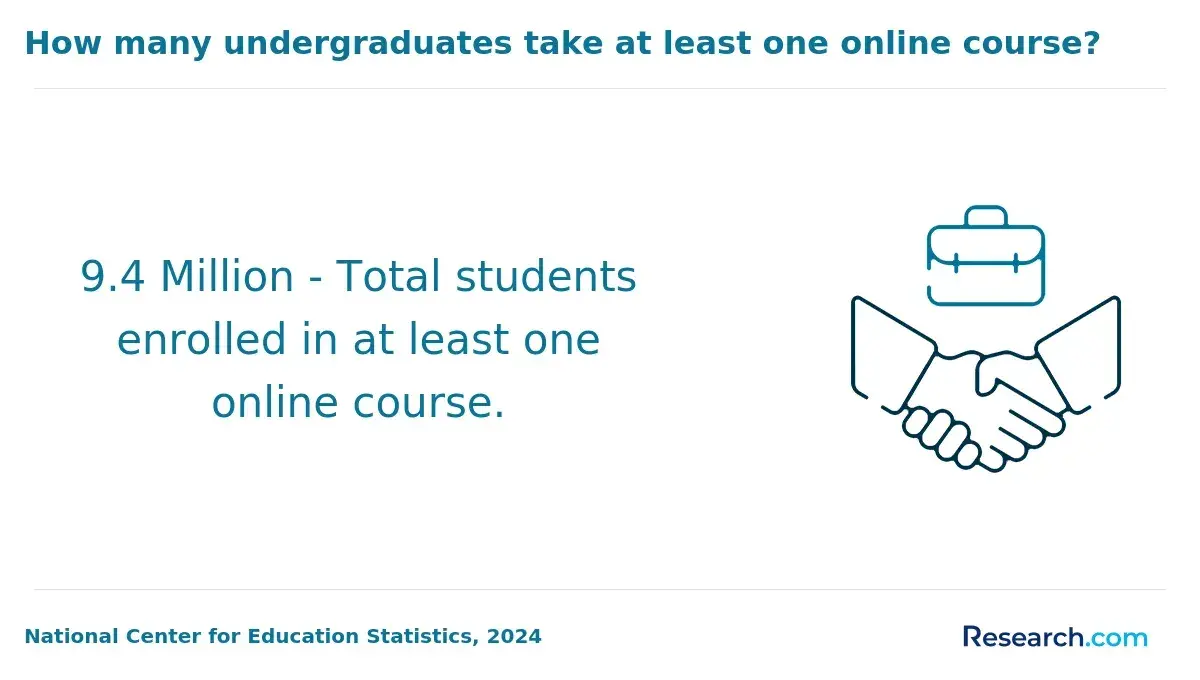
When working professionals seek to become ballistics examiners, rigid traditional degree programs clash with the demands of their schedules and locations. The 14% annual growth in online forensic science degree enrollment, reported by the National Center for Education Statistics, signals a shift toward flexible learning models critical for candidates balancing jobs, families, and career transitions. However, not every online program aligns with the technical rigor and hands-on experience essential to this specialized role, complicating enrollment strategy. This article examines accredited online forensic science degrees tailored for aspiring ballistics examiners, focusing on program structure, accessibility, and workforce relevance to inform strategic educational choices.
Key Things You Should Know
- Online forensic science degrees tend to offer limited hands-on ballistics training, forcing students to supplement with costly in-person internships; this tradeoff delays job readiness by an average of 6 months per Bureau of Labor Statistics workforce analyses.
- Employers in major metropolitan forensic labs prioritize candidates with accredited ballistic-specific certifications alongside degrees, reflecting 2024 ASCLD workforce surveys showing a 38% hiring preference for hybrid credential profiles.
- Tuition for online programs targeting ballistics roles can vary 3x, with institutions lacking specialized modules inflating total cost of entry by $12,000 compared to programs integrating ballistic simulation labs, according to 2024 NCES postsecondary cost data.
What are online forensic science degrees for ballistics examiner careers?
Online forensic science degrees for ballistics examiner jobs offer technical knowledge but rarely replicate the depth of hands-on experience essential for accurate firearm and ammunition analysis. While these programs can effectively deliver theoretical concepts such as trajectory analysis and tool mark examination through distance learning platforms, many require students to arrange local internships or fieldwork to meet employer expectations and certification standards.
Ballistics examiner careers with online forensic science programs face a significant tradeoff: accessibility and flexible scheduling versus limited practical training. Employers consistently prefer candidates who demonstrate proficiency with advanced forensic software and have completed tangible, supervised case work. These realities mean that relying solely on an online curriculum without regional partnerships or in-person practicums can hinder job readiness in a demanding field.
Employment projections from the U.S. Bureau of Labor Statistics signal a 13% growth for forensic science technicians, including ballistics examiners, between 2024 and 2034. This rise reflects both increasing forensic case complexity and the expanding use of ballistic evidence in criminal investigations.
For those planning this educational pathway, balancing online coursework with local experiential components is crucial. Students should be prepared for additional commitments that may involve travel or coordination with forensic labs. This approach aligns with how professionals achieve necessary certifications or internships. For context on forensic-related careers and compensation expectations, consider the link on forensic profiler salary.
Which accreditation matters for online forensic science programs?
Accreditation directly determines whether an online forensic science degree holds practical value for ballistics examiner positions. Many employers in law enforcement or forensic labs exclude candidates whose degrees come from programs lacking recognition by bodies like the U.S. Department of Education or CHEA. In particular, specialized accreditation by the Forensic Science Education Programs Accreditation Commission (FEPAC) ensures curricula address critical competencies in scientific methods and firearms analysis, a prerequisite for employment in many jurisdictions.
Programs aligned with respected regional accreditors such as the Higher Learning Commission or Middle States Commission also signal quality, confirming adequate faculty expertise, laboratory resources, and applied learning components. These factors affect eligibility for state licensing or professional certification, which nearly always require degrees from accredited institutions.
Considering the online forensic science program accreditation standards, students face distinct tradeoffs: non-accredited degrees may cost less or offer more flexibility but risk disqualification from federal forensic roles and limit salary progression. According to the 2024 Bureau of Labor Statistics, salaries for forensic science technicians rise from $41,930 entry-level to above $108,350 at expert levels, contingent on credentials and experience earned through credible education.
Practical implications include verifying program accreditation and understanding state-specific licensing. Prospective ballistics examiners should note that employers prioritize candidates with accredited degrees to manage risks related to evidence handling and legal admissibility. For individuals particularly interested in broader forensic roles, resources such as the autopsy tech pathway offer complementary career information relevant to forensic science trajectories.
What education do ballistics examiners need in the U.S.?
Ballistics examiner education requirements in the U.S. center on rigorous scientific foundations combined with specialized forensic training. Typically, a bachelor's degree in forensic science, criminal justice, chemistry, or a closely related natural science is required, with explicit employer preference for candidates having coursework in firearms examination, toolmark analysis, and evidence handling. One tradeoff prospective students face is balancing longer, more comprehensive programs offering internships and hands-on exposure against shorter degrees with fewer applied components-though the former significantly improves job placement, especially in government or private forensic labs.
Many undergraduate degrees for ballistics examiners in America emphasize technical skills uncommon in traditional science tracks, such as microscopy and comparative analysis software. These are critical for proficiency but often require supplementary training for students from non-forensic backgrounds. For example, military veterans with weapons expertise must still complete formal forensic instruction to meet civilian lab standards, illustrating workforce entry nuances where practical knowledge of evidence protocols and courtroom testimony is paramount.
Demand for forensic science technicians, including ballistics experts, is projected to grow by 12.8% through 2034. This growth highlights the necessity of credible academic credentials combined with specialized skills to meet evolving forensic challenges. Candidates exploring interdisciplinary options might also consider areas such as nutrition science, where a nutritionist degree represents a different strategic pathway, underscoring the importance of aligning educational choices with targeted career trajectories.
How do online and campus forensic science programs compare?
The practical difference between online forensic science degree vs campus program benefits in ballistics training is significant: online routes provide flexibility but rarely equip students with the critical hands-on skills forensic employers demand. Ballistics examiners need direct laboratory experience with specialized firearm tools and ballistic materials-elements most campus programs integrate through structured lab sessions and mentorship.
Programs that are fully online may use virtual simulations and remote labs to partially mimic these experiences, offering a solution for students balancing work or geographically dispersed situations. Yet without in-person internships or local lab partnerships, these programs fall short of developing essential competencies needed for evidence processing and courtroom testimony.
Employers pay a median annual salary of $67,440 to ballistics specialists, with top earners exceeding $110,710, reflecting the premium on applied expertise. Students and working professionals planning career pivots need to consider the real-world tradeoff: convenience versus skill acquisition. Prioritizing hybrid or campus programs minimizes reliance on post-degree internships and strengthens job competitiveness.
For those evaluating educational options, an online sports science degree offers a useful parallel in how program delivery shapes hands-on skill development and hiring outcomes. Those comparing differences between in-person and online forensic science education should weigh access against the rigorous practical demands of ballistics roles.
What courses should a ballistics-focused forensic science degree include?
Forensic science programs focused on ballistics must bridge theoretical understanding with operational proficiency in evidence analysis and courtroom application. Students typically engage in firearms identification, where microscopic examination of bullets and cartridge cases directly supports linking evidence to suspects-critical in homicide investigations or disputed shootings.
Courses emphasizing gunshot residue and wound ballistics equip students to interpret projectile behavior within crime scenes, an area often requiring collaboration with forensic pathologists. However, mastering these technical skills without developing a grounding in material science, forensic microscopy, and criminalistics risks producing graduates unable to fully contextualize evidence within broader investigative frameworks.
Key practical training includes using comparison microscopes and trajectory simulation software, along with forensic photography to document firearms evidence-a standard employer expectation that distinguishes candidates during hiring. Understanding firearm-related laws and evidence admissibility is non-negotiable, as procedural errors can derail cases.
Online options with embedded internships or virtual practicums linked to criminal justice agencies can significantly enhance readiness for fieldwork. Considering entry-level forensic ballistics salaries, which generally range from $41,930 to $52,000, selecting programs offering rapid skill acquisition and direct casework simulation improves competitiveness for limited forensic examiner roles and supports career growth toward median mid-career earnings near $60,000.
What admission requirements do forensic science programs usually have?
Admission into forensic science programs focused on ballistics examiners demands more than basic credentials; candidates must demonstrate a solid grasp of natural sciences and mathematics. High school completion plus foundational coursework in biology, chemistry, physics, and calculus are minimum requirements. Strict transcript evaluations emphasize consistent performance in these areas. Where some institutions waive standardized tests, many applicants still benefit from strong scores as part of a competitive profile. Crucially, candidates need verifiable lab skills due to the technical precision required in ballistics analysis.
Postgraduate training extends well beyond the degree, with firearms and toolmark examiners typically undergoing 2-3 years of specialized preparation sanctioned by AFTE standards before independent case handling. This extended training period highlights the importance of selecting programs offering rigorous scientific instruction and real-world lab exposure rather than relying on credentials alone.
Employers prioritize candidates who combine technical knowledge with critical thinking, demonstrated through recommendation letters and clear articulation of forensic ethics. Background checks are a frequent requirement, especially for programs with law enforcement affiliations, impacting eligibility and timing.
Prospective students should weigh whether a program provides comprehensive science curricula and practical lab experiences-areas where deficits often result in costly on-the-job training and delayed career progression. The balance between academic preparation and workforce readiness directly affects employability and efficiency in ballistics roles.
How long does an online forensic science degree take?
Completing an online forensic science degree for ballistics examiner roles involves tradeoffs between duration, practical experience, and employer expectations. While associate degrees take about two years and prepare for technician-level work, employers increasingly prefer candidates with bachelor's credentials, which typically require around four years. This timeframe can extend if students pursue part-time schedules or accelerated paths with prior credit. The need for hands-on labs or internships complicates purely remote completion and often adds months to the overall timeline.
Labor market projections indicate a 13% growth for forensic science technicians through 2034, intensifying competition for positions requiring both academic credentials and applied skills. Hiring managers value bachelor's degrees coupled with documented practical experience, pushing students to prioritize programs that integrate synchronous sessions or local lab partnerships despite scheduling challenges.
Working professionals should scrutinize programs for factors that affect total time-to-credential, including:
- Credit recognition from past education or military experience
- The alignment of course schedules with required skill acquisition and field practicum
- Post-degree licensing or certification demands that influence readiness
These elements directly affect employability timing and salary trajectory, as employers seek not just academic completion but proven competence. The duration and structure of online degrees must be evaluated alongside real-world training opportunities to ensure timely qualification for ballistics roles within a dynamic labor market.
How much do online forensic science degrees cost?
Tuition for online forensic science degrees ranges widely, from about $15,000 to $50,000, reflecting factors like program level, institutional reputation, and course design. Public universities typically charge $300 to $600 per credit for in-state students, whereas private or out-of-state rates often top $1,000 per credit. Programs with intensive lab components or forensic technology training command higher fees due to virtual simulation software and equipment access.
Beyond tuition, candidates targeting specialized roles, such as ballistics examiners, must consider additional costs: proprietary forensic software licenses, specialized study materials, and mandatory in-person practicums or internship travel. These expenses can add several thousand dollars, especially if access to partner forensic labs is required.
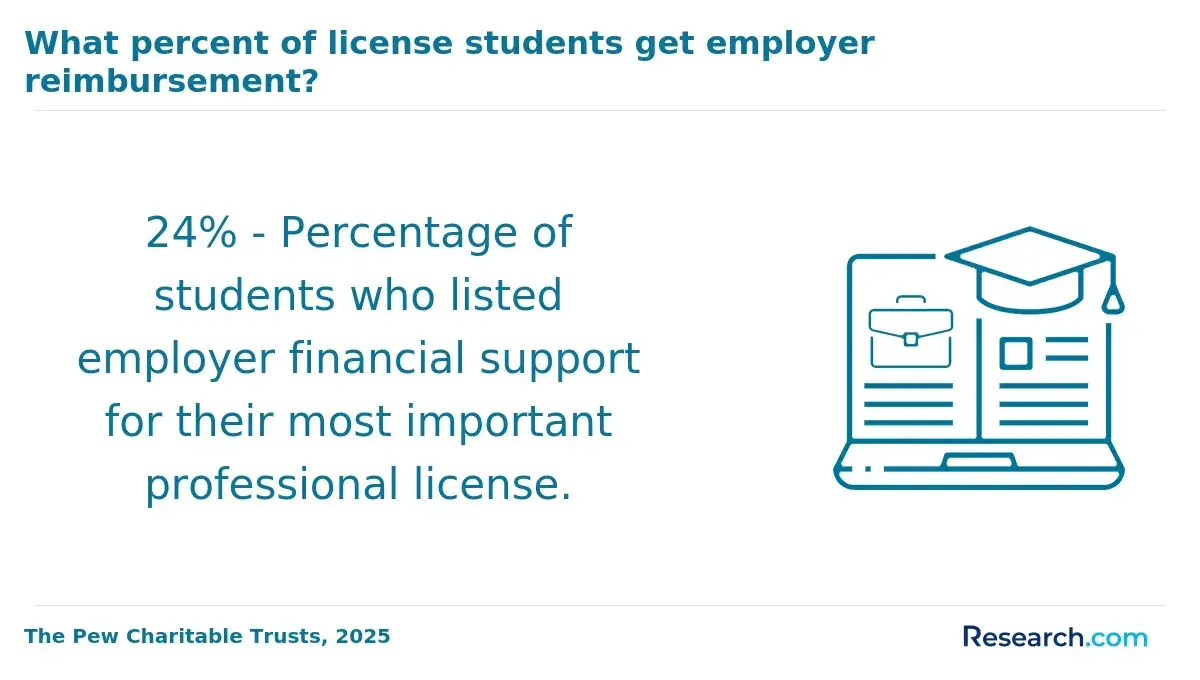
Funding sources remain inconsistent. Federal aid and scholarships are available but limited for fully online degrees. Employer tuition assistance can offset costs, particularly for existing public sector employees. Notably, with a Bureau of Labor Statistics-projected 13% employment growth for forensic science technicians through 2034, some funding opportunities are expanding to match workforce demand.
Prospective students should critically assess cost against tangible outcomes-selecting a lower-cost program that lacks practical forensic ballistics training risks underpreparing for competitive job markets. In contrast, a moderately higher investment in programs with industry partnerships often translates into stronger placements and accelerated career progression.
What jobs can a forensic science degree lead to besides ballistics?
Graduates with a forensic science degree face distinct tradeoffs between specialization depth and employability across varied sectors such as forensic biology, toxicology, and digital forensics. For example, pursuing DNA profiling roles demands rigorous lab accreditation and molecular technique mastery, fitting candidates seeking analytical precision within crime labs handling sensitive violent crime evidence.
Alternatively, forensic toxicology involves interpreting chemical data from bodily fluids in medical or regulatory settings, requiring continuous updates on detection technologies and compliance frameworks. This pathway suits those adaptable to evolving legal and scientific standards.
Digital forensics positions have notably expanded due to cybercrime trends, combining IT competencies with forensic protocols. Professionals here must engage in ongoing technical certification to address data breaches and cyberattacks effectively.
Employers in all forensic subfields prioritize certified credentials coupled with relevant experience. Certified ballistics experts, for instance, approaching the 90th percentile salary bracket ($110,710 annually), demonstrate how focused credentialing tangibly impacts earnings and career longevity. This dynamic illustrates a broader practical point: selection of a forensic sub-specialty should consider employer expectations for up-to-date expertise and laboratory or technical proficiency.
Key considerations include:
- Alignment of chosen specialization with hands-on experience opportunities
- Commitment to ongoing certification and continuing education requirements
- Market demand fluctuations within forensic disciplines influencing job stability and salary ceilings
What salary and job outlook apply to ballistics examiner careers?
Ballistics examiners face a nuanced employment landscape where median salaries hover near $64,000 annually, with federal roles often exceeding $90,000 due to specialized duties and clearance requirements. This wage variability reflects differences across agency levels and budget constraints commonly found in smaller jurisdictions, which can limit both pay and advancement opportunities.
Projected job growth for forensic science technicians, including ballistics specialists, sits at 13% from 2024 to 2034, outpacing general occupational increases. However, candidates without proficiency in integrated digital tools like the National Integrated Ballistic Information Network (NIBIN) risk falling behind as departments increasingly automate and enhance throughput.
Practical workforce implications emphasize that developing skills in digital imaging, 3D modeling, and database cross-referencing is not optional but essential for retention and promotion. For example, a candidate strong in traditional ballistic comparison but unfamiliar with modern forensic software might face limited job security or slower career progression.
Those aspiring to transition into or advance within ballistics should weigh the intensity of federal hiring processes against the relative stability and higher pay they offer. Concurrently, online forensic science programs aligned with current technological standards provide a flexible avenue for skill upgrades, though students should assess curriculum relevance to evolving employer demands.
- Salary range from $63,000 to $90,000+ depending on role and agency
- 13% job growth driven by technology integration
- Employer preference for candidates skilled in digital forensic tools
- Federal positions require navigating multi-stage hiring including background checks
- Smaller agencies often have limited salary growth and openings
Other Things You Should Know About Forensic Science
Look for regional institutional accreditation and a forensic-science program reviewed by the Forensic Science Education Programs Accreditation Commission, or FEPAC. FEPAC accreditation is the clearest quality signal for crime-lab employers, and it helps verify that the curriculum covers laboratory science, evidence handling, and forensic methods needed for ballistics work.
Yes, online degrees without streamlined access to internships or mentorship often extend time to employment. Many ballistics examiners secure jobs by networking through internships or connections gained during campus-based programs. Students should weigh whether an online program's schedule flexibility compensates for potentially slower integration into the forensic community, especially if early career placement is a priority.
Employer recognition varies significantly. Some forensic laboratories remain skeptical of purely online degrees, especially without documented hands-on training or forensic lab exposure. Candidates who supplement online coursework with externships, certifications, or criminal justice experience tend to improve their hiring prospects. Prioritizing programs with clear vocational links or lab partnerships enhances outcomes.
References
- Online Forensic Science Degree https://www.aiuniv.edu/degrees/criminal-justice/bachelors-forensic-science
- Ballistics Expert Career Guide (Requirements, Duties & Salary) https://www.allcriminaljusticeschools.com/specialties/ballistics-expert/
- Forensic Science https://www.ualberta.ca/en/science/programs/bachelor-of-science/degrees-and-majors/programs-by-areas-of-interest/forensic-science.html
- Guide To Forensic Science Careers | LearnHowtoBecome.org https://www.learnhowtobecome.org/career-resource-center/forensic-science-careers/
- 2025 Most Popular Online Forensic Science Degrees https://www.onlineu.com/degrees/forensic-science
- Top Online Forensic Science Degree Programs https://www.forensicscolleges.com/online
- Forensic Scientist https://www.ncchomelearning.co.uk/career-courses/forensic-science/
- Forensic Science Education Programs Accreditation Commission https://www.aafs.org/FEPAC
- How to Get Admission in Forensic Science After 12th (Complete Guide) https://lifs.co.in/blog/forensic-science-admission-after-12th-guide.html
- Firearm and Toolmark Examiners https://www.atf.gov/careers/firearm-and-toolmark-examiners