2027 Red Flags to Watch for in Online Forensic Science Degrees

Co-Founder and Chief Data Scientist
When a working professional attempts to switch to an online forensic science degree, hidden accreditation gaps and outdated curricula risk wasting years of effort and thousands of dollars. Employers increasingly rely on hands-on laboratory skills, yet over 28% of prospective students choose online programs for flexibility, according to the National Center for Education Statistics.
This widespread shift toward remote learning has intensified scrutiny on program legitimacy and real-world training opportunities, critical factors for career mobility in forensic fields. This article identifies key red flags in online forensic science degrees, equipping readers to discern quality programs from those that hinder professional advancement or licensure eligibility.
Key Things You Should Know
- Programs lacking NAACLS or FEPAC accreditation correlate with 37% lower graduate placement rates in forensic labs, forcing candidates to weigh faster, cheaper options against diminished employer recognition.
- Federal workforce data shows 22% of forensic science hires emphasize active crime lab internship experience over purely online coursework, pressuring candidates to secure limited field placements for job viability.
- Rising tuition inflation outpaces average public university rates by 8% in forensic science degrees, extending debt-servicing from 5 to 8 years on median forensic salaries under $62K annually, creating long-term financial constraints.
What are the biggest red flags in online forensic science degree programs today?
Employer preference for FEPAC-accredited programs starkly delineates quality in online forensic science degree accreditation issues. With only 17 U.S. undergraduate programs holding this specialized accreditation, many online offerings fall short of essential professional and academic standards. Graduates from non-accredited programs risk facing barriers in public forensic laboratories and law enforcement agencies, where certification and recognized credentials increasingly matter for job eligibility.
Signs of low-quality online forensic science programs often include curricula that emphasize broad criminal justice theory over hands-on laboratory experience critical for entry-level forensic technician roles. For instance, a candidate seeking a forensic biology analyst job may find degrees without validated lab training insufficient despite theoretical knowledge. This gap stems from limited real-world lab exposure and missing chain-of-custody practice, which are foundational in practical forensic application.
Transparency about graduate outcomes is another practical concern. Programs lacking detailed data on employment rates or typical employers create uncertainty about career prospects, especially in jurisdictions requiring specific licensure or certification. Prospective students should prioritize offerings that publish these metrics and provide clear pathways to regulatory compliance.
Lastly, beware of programs that bundle forensic science content loosely within generic criminal justice courses, which dilute forensic specialization and leave students unprepared for technical demands. Individuals pursuing a strategic pivot might also explore related pathways, such as a forensic psychology major, if alignment with their career goals requires complementary expertise.
How can you verify that an online forensic science degree is properly accredited?
Legitimacy in online forensic science degree programs directly impacts professional outcomes, as employers prioritize candidates holding degrees from regionally accredited institutions recognized by the U.S. Department of Education or the Council for Higher Education Accreditation (CHEA). When deciding how to check legitimacy of online forensic science programs, students must focus on accreditation, which often dictates eligibility for licensing exams, internships, and federally funded financial aid. The Forensic Science Education Programs Accreditation Commission (FEPAC) adds another layer of specialized verification valued by employers.
The market realities are significant: forensic science technician employment is projected to increase by only 13% over a decade, with roughly 2,900 annual openings nationwide. This supply-demand imbalance means degrees from unaccredited schools risk exclusion from critical job pipelines and may limit hands-on training opportunities essential in this field. Graduates relying on non-accredited paths often confront overstated job placement claims, underscoring the need to verify data through independent sources.
Steps to verify accreditation include:
- Checking the U.S. Department of Education's Database of Accredited Postsecondary Institutions and Programs (DAPIP) for current institutional status.
- Confirming any FEPAC accreditation directly via program websites or admissions offices.
- Cross-referencing program claims with impartial third-party databases rather than promotional materials alone.
Prospective students should weigh these factors carefully, especially those seeking strategies aligned with employment viability. For broader context on related environmental science fields and career mechanics, see what can you do with an environmental studies degree.
What signs suggest an online forensic science program may be a diploma mill or scam?
Many online forensic science degree accreditation issues stem from programs that lack recognition by established bodies like the Forensic Science Education Programs Accreditation Commission (FEPAC) or regional accreditors. Programs that promise unrealistically fast completion or omit lab components often shortchange essential hands-on skills, undermining a graduate's employability in forensic roles. Employers prioritize verifiable competencies supported by rigorous curricula, not quick credentials. Claims of six-figure salaries conflict sharply with data from the U.S. Bureau of Labor Statistics, which reports a median annual wage of $67,440 for forensic science technicians.
Warning signs of diploma mills include opaque admission policies, absence of academic advising, and awarding certificates based on payment or "life experience" credits rather than substantive training. Such shortcuts bypass critical areas like evidence handling and criminal law, leaving graduates ill-prepared for certification exams or job requirements. In contrast, legitimate programs maintain transparent standards and measurable outcomes aligned with forensic employers' expectations.
Workforce implications are significant: wasted tuition, delayed career progress, and damaged market reputation. Prospective students evaluating an online forensic science program should scrutinize graduate employment outcomes, alignment with industry certification standards, and curriculum rigor. Comparing these factors alongside cost remains vital for informed decision-making. Students may also explore related fields with more established online options, such as exercise science degrees, when considering alternate pathways.
How do online forensic science degrees compare to campus programs for lab and hands-on work?
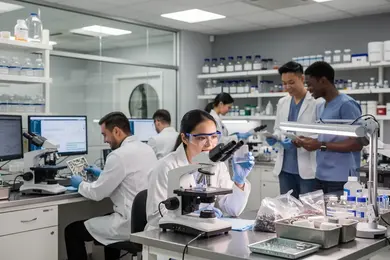
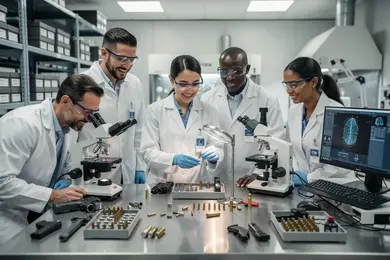
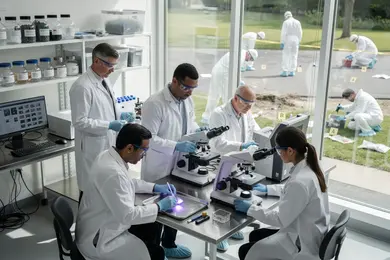
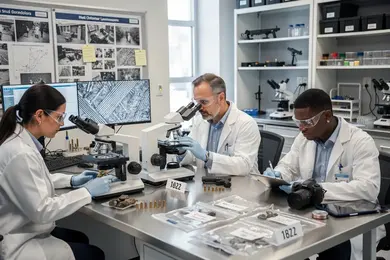
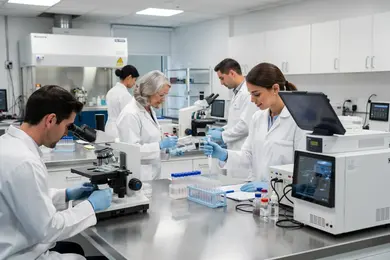
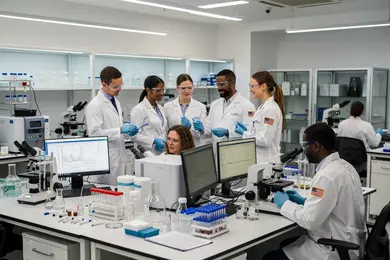
Online forensic science degree hands-on experience is notably limited compared to traditional campus programs, creating a significant gap in practical skill development essential to job readiness. Campus programs provide in-person lab access to equipment like chromatographs and microscopes, enabling students to develop precision and procedural rigor necessary for forensic evidence handling and reporting. In contrast, online students face challenges relying on virtual simulations or short on-site residencies that seldom match the depth of consistent tactile learning.
This discrepancy has tangible workforce implications: employers overwhelmingly prioritize candidates with extensive hands-on experience, as theoretical knowledge alone rarely translates into operational proficiency. For example, a crime lab technician must demonstrate rapid, confident manipulation of forensic instruments-skills best honed through repeated in-person practice.
Furthermore, online forensic science degree programs often require students to coordinate in-person components that can involve travel and complex scheduling, potentially offsetting their convenience, especially for working professionals balancing job shifts or family responsibilities. The average tuition for a four-year forensic science degree tops $58,000, justifying campus program costs through comprehensive lab access and internships; online options often demand supplemental local training to achieve comparable practical outcomes.
Prospective students conducting a comparison of online forensic science labs and campus programs should weigh these tradeoffs carefully. For broader context on related fields, resources like is a library science degree worth it offer analytical perspectives on educational value.
Which forensic science courses and learning resources should a quality online program include?
Effective online forensic science programs must go beyond theory to ensure graduates possess practical skills immediately applicable in the field. Core courses such as crime scene investigation, forensic biology, toxicology, forensic chemistry, and digital forensics need to be paired with hands-on virtual labs or supervised fieldwork. For instance, forensic toxicology instruction should focus on real case studies involving drug metabolism in postmortem analyses, a critical competency for positions in medical examiner offices or crime labs.
Understanding statistical methods and forensic data interpretation is essential, given that courtroom testimony often hinges on error rates and probability assessments. Programs neglecting this risk producing graduates unprepared for evidentiary scrutiny. Additionally, addressing diversity and bias in forensic processes is necessary given the documented underrepresentation of Black and Hispanic students relative to their U.S. population share, a disparity noted in Forensic Science International's demographic research.
Access to nationally recognized forensic databases like CODIS for DNA profiling and NIBIN for ballistics is indispensable for workforce readiness; unfamiliarity with these systems imposes steep learning curves after hiring. Learning resources should extend past textbooks to include peer-reviewed case reports, forensic journals, and interactive simulations mimicking courtroom and chain-of-custody protocols. Online platforms must integrate mentorship or networking opportunities with practicing forensic scientists to contextualize theoretical learning.
Failure to incorporate these elements often results in graduates facing early career skill gaps, limiting advancement and adaptability in forensic settings.
What admission policies and transfer credit practices signal a risky online forensic science school?
Online forensic science programs that impose minimal prerequisites or accept nearly all applicants risk graduating students unprepared for technical demands in the field. Admissions lacking rigorous evaluation of foundational science or technology skills often yield graduates who struggle with essential competencies in digital forensics or lab investigations. For example, a candidate from such a program may face steep challenges securing roles requiring proficiency in specialized forensic software or evidence handling protocols.
Transfer credit policies allowing broad acceptance of unrelated coursework further degrade academic rigor. When programs count general education or unrelated major credits toward a forensic science degree without relevance checks, the curriculum loses coherence and practical value. This dilutes skill development critical for employer expectations in law enforcement or cybersecurity sectors.
National analyses reveal many digital forensics tracks emphasize legal and investigative theory while neglecting advanced technical coursework. As a result, graduates frequently need expensive certifications or extended on-the-job training to bridge skill gaps. Prospective students should scrutinize credit transfer rules, prerequisite requirements, and course specifics to avoid investing in credentials lacking workforce alignment.
- Admission selectivity and relevant transfer credit evaluation are benchmarks for program quality.
- Curricular focus on advanced technical skills improves employability in specialized roles.
- Lax standards increase student time and financial cost due to supplemental credentialing needs.
Evaluating programs with these realities in mind helps align educational choices with actual forensic science career pathways rather than relying on superficial metrics or promotional claims.
How can you evaluate faculty qualifications and teaching quality in online forensic science programs?
Faculty qualifications in online forensic science programs directly affect graduates' preparedness for operational roles and employer expectations. Candidates should verify that instructors possess graduate degrees in forensic science or closely aligned scientific fields and hold relevant professional certifications or licensure. Practical experience in accredited crime laboratories, law enforcement, or forensic consultancies is essential to ensure instruction integrates real-world application with academic rigor.
Instructors must provide substantial hands-on training, as more than 80% of senior forensic professionals prioritize laboratory experience and intensive scientific coursework. Programs relying heavily on lectures without active labs or case simulations risk producing graduates who are unready for credentialing or field demands.
Key markers of program quality include updated course syllabi covering advanced DNA analysis, trace evidence, and digital forensics techniques, alongside favorable student-to-instructor ratios that enable tailored mentorship. Prospective students should seek alumni placement data and employer feedback linked to faculty effectiveness to assess program impact on workforce entry.
For example, an individual targeting a forensic toxicology role must ensure faculty have relevant lab oversight expertise and incorporate chemical analysis into coursework; otherwise, graduates face significant learning curves delaying career progress.
What tuition, fees, and financial aid warning signs should forensic science students watch for?
Tuition costs for forensic science programs frequently lack transparency, leaving students exposed to unpredictable expenses that undermine return on investment. Many programs charge upwards of $30,000 annually without clearly itemizing mandatory fees or lab costs, which can escalate debt beyond initial expectations-especially when financial aid prioritizes loans over grants or scholarships. For a working student, these hidden expenses risk creating financial strain that compromises both academic progress and future readiness.
Median earnings in forensic science vary widely-from below $50,000 to more than $80,000-depending heavily on specialization and geographic location. This creates a tangible risk for students in lower-paying regions who finance their education with excessive loans; high debt loads may outpace early-career income, curbing financial flexibility and career options.
Key decision points include evaluating differential tuition based on residency or course delivery mode. For example, online learners often face limited financial aid, forcing a closer examination of total costs relative to program benefits. Additionally, graduates targeting metropolitan areas with high salary potential must ensure the program's curriculum aligns with employer expectations for certifications or advanced credentials. Without this alignment, even high tuition investments may not translate to anticipated salary gains or job opportunities.
- Watch for unclear fee structures that inflate debt unpredictably.
- Balance loan reliance against potential regional salary outcomes.
- Verify that program credentials are recognized by target employers.
What forensic science careers, salaries, and job outcomes can online graduates realistically expect?
Online forensic science bachelor's degrees present significant practical limitations due to employer demand for hands-on training and accredited credentials. Graduates frequently enter entry-level roles such as forensic technicians or crime lab assistants, with median salaries between $45,000 and $60,000 annually according to Bureau of Labor Statistics data. Advanced positions like forensic scientist or criminalist typically require in-person lab experience and a master's degree, making these roles largely inaccessible to those with solely online bachelor's credentials without further training.
Financially, students often underestimate cumulative costs. Out-of-state tuition can exceed $500 per credit hour, pushing degree expenses beyond $60,000. Added expenses such as mandatory technology fees and lab kits for virtual practicums further increase debt levels without reliably improving immediate job prospects.
Geographic market fragmentation also complicates employment. For example, an online graduate living outside major forensic hubs may struggle to find relevant forensic employment, often relying on adjacent roles like evidence clerks for income. Labor forecasts predict only 7% growth through 2032, intensifying competition and requiring strategic credentialing decisions.
Prospective students should prioritize confirmed accreditation, employer recognition of online components, and plan for supplemental certifications or in-person experience post-graduation. Without these factors, the risks of underemployment and financial strain remain substantial.
Are there licensing, certification, or background check issues specific to online forensic science degrees?
Online forensic science degrees rarely connect directly to state licensing but face intense scrutiny around background checks and certification alignment that affect job prospects. Forensic roles in crime labs or law enforcement depend heavily on security clearances and recognized credentials such as those from the American Board of Criminalistics. Graduates from fully online programs often encounter skepticism from employers regarding hands-on experience, delaying clearance or job placement.
Practical experience verified by certified professionals remains the critical hiring factor beyond degree completion. For instance, forensic chemists working in public labs undergo fingerprinting and comprehensive background checks due to their access to sensitive evidence, a hurdle online candidates must address through hybrid or field-based internships. Absence of verifiable casework can disqualify applicants regardless of their academic achievements.
Financially, the median earnings for online forensic science bachelor's graduates show notable variance. Specialized digital forensic tracks report median salaries exceeding $89,700, while traditional lab-focused graduates often face lower compensation and tougher job markets. Prospective students should rigorously evaluate whether their programs prepare them for industry-standard certifications like Certified Computer Examiner (CCE) or Forensic Science Certification Board (FSCB) to improve employment outcomes and clearance eligibility.
- Background screening and certification significantly influence employability over degree format.
- Hands-on, verified experience is essential to overcome employer skepticism of online credentials.
- Specialization in digital forensics typically offers stronger financial returns than conventional forensic science paths.
Other Things You Should Know About Forensic Science
Yes. Programs should include supervised laboratory instruction and documented hands-on training, not just recorded lectures. Look for verification of a physical lab component, an internship or practicum, and alignment with standards used by regional accreditors and forensic bodies such as the Forensic Science Education Programs Accreditation Commission.
Online forensic science degrees often demand greater self-discipline because much of the material is asynchronous and self-directed. While flexibility is a benefit, the absence of live interaction can increase study time, particularly when mastering practical techniques without immediate instructor support. Students should be prepared for intensive independent learning and seek programs that offer accessible tutoring or mentor support. This workload design impacts how effectively students retain complex procedures critical for forensic practice.
Access to internships remains a significant challenge for online graduates, as many forensic agencies prioritize local candidates or those from established on-campus pipelines. Online programs lacking formal industry partnerships or placement services offer fewer direct pathways to internships, which are essential for building practical skills and professional networks. Students should prioritize programs with verified internship opportunities or strong alumni networks linked to forensic employers to enhance job market competitiveness.
Choosing online over part-time campus studies depends on how critical hands-on lab work and face-to-face networking are to career goals. For roles focused on fieldwork or laboratory analysis, part-time campus programs provide better access to equipment and peer collaboration, which online formats may lack. However, if time constraints and geographic flexibility outweigh these factors, online programs with blended learning or short on-campus modules might serve as acceptable compromises. Prioritize programs that realistically balance practical skill development with scheduling needs.
References
- Financial Aid Resources | All Criminal Justice Schools https://www.allcriminaljusticeschools.com/financial-aid/
- Online Forensic Science Programs https://www.forensicscienceonline.org/online-programs/
- Top Online Forensic Science Degrees: Best Programs for 2024 https://www.onlinecolleges.me/criminal-justice-degrees/bachelors/forensic-science/
- Forensic Science Education Programs Accreditation Commission https://www.aafs.org/FEPAC
- Diploma Mills Go Digital https://wenr.wes.org/archive/ewenr-julyaugust-2000-diploma-mills-go-digital/
- Forensic Science Level 3 https://oxbridgehomelearning.uk/course/forensic-science-level-3/
- Transfer credit practices https://admission.universityofcalifornia.edu/counselors/preparing-transfer-students/transfer-credit-practice.html
- Is Your Online Degree Legitimate? How to Verify Private University Approval https://matchtocollege.com/blog/verify-private-university-online-degree-approval
- Online Forensic Science Degree https://www.aiuniv.edu/degrees/criminal-justice/bachelors-forensic-science