2027 Forensic Science Roles Growing Fastest in Public Labs

Co-Founder and Chief Data Scientist
Laboratories face growing pressure to process increasingly complex forensic evidence with limited staff, leading to prolonged backlogs that directly delay criminal investigations and judicial outcomes. The Bureau of Justice Statistics reports a 15% rise in demand for forensic analysts over the past two years, driven by technological advances and expanded forensic databases. This surge strains public labs, which often struggle to recruit professionals with specialized skills adaptable to evolving DNA analysis, digital forensics, and toxicology. For prospective forensic science students and current technicians, understanding which roles are expanding fastest and the pathways to attain them can determine both employability and career longevity in a competitive environment.
This article examines the forensic science roles growing most rapidly in public laboratories and details how aspiring professionals can strategically align their education and training to meet immediate workforce needs.
Key Things You Should Know
- Public lab forensic science roles grew 12% from 2023 to 2026, driven by federal funding shifts, yet 40% of current vacancies require specialized master's degrees, creating costly education tradeoffs for career entrants.
- Federal and state agencies emphasize multidisciplinary skills, demanding candidates who combine forensic chemistry and data analytics, pressuring training programs to evolve or risk workforce irrelevance.
- Lengthening certification timelines, averaging 18 months per new hire per 2024 DOJ data, increase onboarding costs, prompting agencies to favor candidates with prior lab experience despite candidate scarcity.
Which forensic science roles are growing fastest in public crime laboratories?
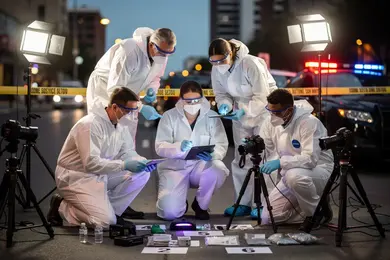
Growth in forensic science technician jobs in US public labs is concentrated in roles requiring both specialized expertise and adaptability. Employment in public crime laboratories is projected to rise 13% through 2034, driven by increasing forensic caseloads and more sophisticated analytical technologies. DNA analysts and digital forensic examiners represent the fastest growing forensic science roles in American crime laboratories, with each facing distinct operational challenges. DNA analysts must integrate molecular biology skills with bioinformatics to manage expanding biological evidence, while digital forensic examiners focus on cybercrime investigations, necessitating proficiency in data recovery and network intrusion detection.
Budget constraints in many public labs necessitate multi-skilled technicians who can flexibly support toxicology, trace evidence, and other forensic disciplines. Employers often prioritize candidates able to rotate through various case types, balancing specialization with broad foundational knowledge. This reality sharpens the tradeoff for prospective students: narrow technical training may limit employability in resource-strapped jurisdictions, whereas cross-specialization can improve job security but requires more extensive education.
For individuals planning a career pivot or advancement, emphasizing roles in DNA analysis or digital forensics optimizes hiring potential but demands continuous skill development. Those considering further education to build this expertise may explore options like an online masters degree in forensic psychology, which can complement forensic science roles through enhanced understanding of behavioral contexts.
What education and training do you need for high-demand public lab forensic careers?
Securing a role in high-demand public lab forensic positions in 2026 necessitates more than just degree completion; it requires strategic credentialing tailored to specific forensic disciplines. Forensic science education requirements for public laboratories increasingly prioritize candidates holding bachelor's degrees in forensic science, biology, chemistry, or computer science combined with demonstrable hands-on laboratory skills. For example, DNA analysis roles-the fastest-growing sector-demand proficiency in molecular biology techniques, typically gained through curricula that emphasize genetics and biochemistry alongside practical internships or cooperative education.
Digital forensic careers diverge, requiring specialized computer science or information security degrees complemented by certifications like the Certified Forensic Computer Examiner (CFCE) to establish baseline expertise. Given the fast-evolving digital evidence landscape, candidates without formal degrees face steep challenges adapting to technical advancements.
Employers emphasize graduate-level education for leadership roles and advanced DNA testing technologies such as next-generation sequencing. This trend reflects data-driven workforce forecasts showing DNA and digital forensic specialties as growth engines within forensic science careers. However, one must weigh the commitment to graduate study against logistical challenges, such as limited hands-on training opportunities in many science programs and the necessity of aligning credentials with FEPAC accreditation standards.
Prospective students should systematically review training programs for high-demand forensic careers in the United States to match real-world employer expectations. For those seeking broader context on scientific degree pathways, resources covering the environmental science degree landscape can offer comparative insights into labor market dynamics, accessible via environmental science degree.
How do salaries and advancement opportunities compare across public lab forensic positions?
Public lab forensic positions vary significantly in salary and career trajectories, with digital and multimedia forensics presenting the most lucrative and fastest advancing roles. Employment for information security analysts, who often perform digital forensic tasks, is expected to grow by 29% between 2024 and 2034, supported by a median annual salary of $124,910. In contrast, traditional forensic technician roles typically offer median pay between $45,000 and $65,000, reflecting lower technical specialization and slower advancement. This stark disparity is a critical consideration for prospective professionals evaluating forensic science public lab salary comparison data.
Advancement opportunities in forensic science positions within public labs hinge heavily on technical expertise and ongoing certification. Evidence technicians frequently encounter salary stagnation within five to seven years unless they pursue specialized niches such as DNA analysis or toxicology. On the other hand, digital forensic specialists see faster progression fueled by continuous innovation in cybersecurity and data analytics tools.
Prospective forensic professionals must balance the demand for frequent upskilling-including certifications in network security or multimedia recovery-with job mobility tradeoffs, as many digital forensic roles require active security clearances that can limit transfers but command premium pay. Those focused on traditional forensic roles face narrower advancement pathways unless they transition into forensic science program management or specialized scientific disciplines.
For students considering educational routes, note that program choice and credentials critically impact employability and earning potential. For example, pursuing an animal science bachelor degree online might support foundational skills but will need strategic specialization to align with forensic roles.
Overall, prioritizing digital and multimedia forensic pathways offers higher starting salaries and growth but requires sustained commitment to specialized skills and credentialing to maximize long-term career benefits.
What forensic science degrees and specializations best prepare you for public lab work?
Entry into toxicology and drug chemistry roles within public forensic labs hinges on a deep foundation in chemistry, biochemistry, or materials science rather than generic forensic science degrees for public laboratory careers. Employers demand proficiency in chemical analysis techniques like GC-MS and HPLC, which are rarely covered thoroughly outside specialized chemistry coursework. Candidates lacking this discipline-specific training often require extensive retraining, delaying onboarding and reducing competitiveness.
Programs that offer direct, hands-on lab experience with these instrumental methods alongside internships in accredited public labs produce graduates better aligned with real-world demands. The clear preference for candidates capable of managing strict chain-of-custody and quality assurance protocols reflects public lab operational realities.
For professionals transitioning fields, targeted post-baccalaureate certificates or master's programs focused on toxicology or analytical chemistry are effective for bridging knowledge gaps. These paths also accommodate the workforce trend favoring applicants with quantifiable lab skills under regulatory constraints.
Understanding the best forensic science specializations for public lab jobs requires considering tradeoffs between theory depth and applied proficiency. Choosing degrees striking this balance minimizes retraining and accelerates readiness for high-responsibility roles.
Employment growth for chemists and materials scientists in these forensic roles is projected at 5% over the decade, with median wages near $86,620, reflecting steady demand. For those evaluating options, including digital resources on allied fields such as masters in library science can broaden perspectives on complementary career pathways.
How do online forensic science programs compare with campus-based options for public lab careers?
Online forensic science programs often lack the essential hands-on lab experiences crucial for roles in public forensic laboratories, where practical skills are non-negotiable. Graduates of campus-based programs benefit from direct access to crime labs, specialized instrumentation, and supervised training necessary for evidence analysis and chain-of-custody adherence. For instance, candidates applying for state crime lab positions typically undergo rigorous technical evaluations that online-only graduates may not be fully prepared to pass without substantial in-person practice.
Leadership positions in forensic science, such as natural sciences managers, are projected to grow 4% from 2024 to 2034 with median annual salaries around $161,180 according to the U.S. Bureau of Labor Statistics via National University. These roles demand a robust educational foundation combined with management experience frequently acquired through campus networking and internships-elements often missing in purely online learning formats.
Prospective students should weigh these limitations carefully:
- Online programs provide theoretical knowledge but insufficient practical exposure.
- Campus programs offer standardized practical assessments and workforce-readiness validation.
- Hybrid options or locally arranged lab internships are critical for remote learners to build applicable skills.
Employers in forensic public labs prioritize verified hands-on experience, viewing campus-trained candidates as better prepared for complex forensic procedures under legal scrutiny. Without integrating in-person training, online graduates risk delayed employability and weaker positioning for supervisory or managerial advancement within the forensic science sector.
What accreditation and quality standards should forensic science programs meet for public lab employment?
Employment in public forensic science labs demands more than a degree; it requires graduation from programs accredited by the Forensic Education Programs Accreditation Commission (FEPAC). Federal and many state employers explicitly expect FEPAC accreditation as a baseline due to its rigorous standards covering curriculum, faculty expertise, and research quality. Candidates from non-accredited programs frequently encounter barriers in hiring processes that adhere to FBI Quality Assurance Standards (QAS), effectively narrowing their opportunities.
Real-world lab work hinges on validated competencies including evidence management, chain-of-custody protocols, and hands-on forensic techniques. Additionally, familiarity with ISO/IEC 17025 quality systems, a standard governing test validity and proficiency assessments, is a distinct advantage-especially in federal labs where compliance with these benchmarks is non-negotiable. For example, a forensic chemistry analyst versed in ISO procedures can accelerate integration within federal environments, reducing training time and enhancing operational efficiency.
Economic incentives reflect these demands. Data from the U.S. Bureau of Labor Statistics shows federal forensic science professionals earn a mean annual wage of $119,630, substantially higher than their counterparts in local and state agencies. This wage premium signals employer valuation of accredited expertise and standardized quality compliance.
Prospective students and career changers should weigh the tradeoff between program accessibility and market readiness. Prioritizing FEPAC-accredited education and mastering FBI QAS and ISO/IEC 17025 standards directly impacts employability, particularly in government labs with stringent hiring criteria.
What does the typical curriculum look like for a forensic science program focused on public labs?
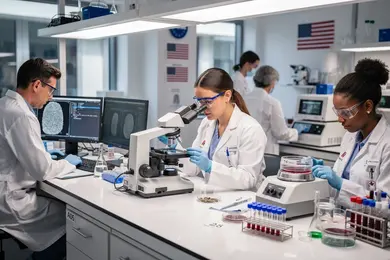
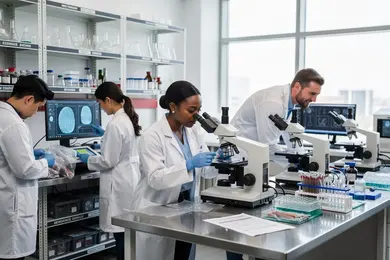
Programs focused on forensic science for public labs demand rigorous applied science skills combined with an understanding of legal and regulatory frameworks specific to government environments. Mastery of advanced biology, chemistry, criminalistics, and toxicology is just the baseline; students must also gain hands-on proficiency with instruments such as gas chromatography-mass spectrometry (GC-MS) and DNA sequencing platforms, essential for meeting the precision and chain-of-custody standards that agencies enforce.
Field practicums in high-volume public crime labs, especially in jurisdictions like California or New York-recognized for their technological investments and competitive forensic scientist salaries-offer critical exposure to operational constraints and workflow realities. These experiences highlight differences from private sector labs, including the necessity to adhere strictly to validation protocols and quality assurance mandated by government regulators.
Employers prioritize candidates who demonstrate not only scientific competence but also the ability to document procedures robustly for legal scrutiny. For instance, a forensic scientist specializing in DNA at a Massachusetts public crime lab must navigate molecular techniques alongside courtroom testimony readiness. This integrated curriculum equips graduates to meet the multifaceted demands of public sector forensic roles, balancing scientific rigor, legal standards, and interagency collaboration.
How long do forensic science programs take, and what do they cost at U.S. colleges?
The pathway to entering forensic science technician roles in public labs is fundamentally shaped by educational prerequisites and workforce realities. Bachelor's degrees in forensic science or related natural sciences are often the minimum standard due to the technical demands and lab proficiency required for such positions. Associates degrees or shorter certificate programs typically do not meet these requirements, particularly for jobs involving complex analyses.
Choosing a program length and cost involves clear tradeoffs:
- Associates programs take about two years and cost approximately $3,000-$6,000 annually at public community colleges for in-state students but are less likely to qualify candidates for technically advanced roles.
- Bachelor's programs span four years, with tuition ranging from $10,000-$25,000 per year at public institutions and often exceeding $25,000 at private colleges, reflecting deeper curricular and lab commitments essential for job readiness.
An individual pivoting from fields like criminal justice or biology must factor in the multi-year financial and time investment that a bachelor's degree entails to satisfy minimum employer expectations. In contrast, those targeting entry-level or support roles may consider shorter programs combined with internships, though job options and salary potential are more limited. Workforce projections anticipating 11,600 forensic science technician openings through 2032-mostly replacements due to retirements-further complicate decisions about education duration relative to employability and long-term career stability.
Strong laboratory experience correlates with better employment outcomes but also demands heavier upfront investments. Balancing these factors against practical job market dynamics is critical for anyone pursuing forensic science education aimed at public sector employment.
What certifications or licenses are relevant for working in public forensic laboratories?
Public forensic laboratories enforce stringent certification and licensure requirements that directly influence employment eligibility and career mobility. The Certified Forensic Science Technician (CFST) credential from the American Board of Criminalistics is widely required, serving as a baseline to verify practical skills in areas such as DNA and toxicology. However, state-specific licenses or registration are often mandatory, especially for specialized roles like latent print examiners or forensic pathologists, which impacts compliance with legal evidence handling and regulatory standards.
Employers often prioritize certifications accredited by the ANSI National Accreditation Board (ANAB) or compliant with ISO/IEC 17025 standards to meet federal quality assurance mandates. For instance, fingerprint examiners benefit from the International Association for Identification's Latent Print Certification, which can affect courtroom admissibility. Digital forensics roles demand certifications like Certified Computer Examiner (CCE) or GIAC Certified Forensic Analyst (GCFA), aligning with a reported 13% projected growth for forensic science technicians through 2034.
Practical hiring often requires candidates to combine a bachelor's degree in forensic science or related natural sciences with relevant certifications that match their specialization. Missing or outdated credentials can delay onboarding or block advancement, emphasizing the importance of strategic certification planning. Regional labs may value targeted credentials more than broad certifications required in larger urban facilities handling diverse evidence.
Job seekers should evaluate each public lab's accreditation and hiring standards in relation to certification cost and time. Aligning credentials with labor market demand and jurisdictional requirements ensures a more efficient educational investment and smoother entry into forensic roles.
How can prospective students evaluate and choose reputable forensic science schools for public lab careers?
Choosing a forensic science program requires close scrutiny of accreditation and direct alignment with public lab workforce demands. Focusing on programs accredited by the Forensic Science Education Programs Accreditation Commission (FEPAC) is critical, as this guarantees curriculum rigor that matches industry standards recognized by government forensic employers.
Employment in public forensic labs hinges on hands-on competencies in evidence handling, crime scene procedures, and advanced laboratory instrumentation. Programs without current practical training or documented internship access within public sector labs often leave candidates at a disadvantage, manifesting in slower hiring and lower starting salaries compared to peers with direct lab experience.
Consider location strategically: public forensic jobs cluster regionally within state and local agencies. Attending a school near established forensic centers correlates with up to 30% higher internship placements and stronger networking, critical factors for entering competitive pipelines. For example, metropolitan-adjacent programs offer clearer pathways into state crime labs than rural counterparts.
Graduate employment rates and median starting salaries near or above the $67,440 benchmark indicate program efficacy. When programs publicize active placement partnerships with state or federal labs, this signals alignment with labor market realities. Faculty with recent forensic or government lab credentials add practical insight valued by hiring managers, which complements accreditation and placement data to inform post-graduation prospects.
Other Things You Should Know About Forensic Science
The most valued credentials are the American Board of Criminalistics certification, ASCLD/LAB-related quality training, and discipline-specific credentials in DNA, toxicology, and latent prints. Public labs also look for documented proficiency testing, chain-of-custody training, and continuing education tied to ISO/IEC 17025 quality systems.
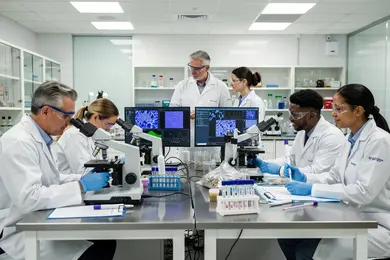
Practical experience in forensic labs is a major factor for hiring decisions, often outweighing academic credentials alone. Candidates who complete internships or cooperative education placements demonstrate familiarity with actual casework and lab procedures, reducing onboarding time. Prioritize educational paths that incorporate substantial hands-on training with accredited public labs to meet employer expectations and improve competitive positioning.
Choosing between niche specialization and general forensic knowledge depends on career goals and market demand. Specialists in areas like digital forensics or forensic toxicology may encounter faster growth but risk limited flexibility if demand shifts. Conversely, generalists with cross-disciplinary skills adapt better to evolving public lab needs and often qualify for supervisory roles. For stable long-term prospects, prioritize breadth early in your career and add specializations once foundational experience is secured.
In 2027, the fastest-growing forensic science roles in public labs include digital forensics analysts, DNA analysts, and toxicologists. These roles are expanding due to technological advancements, increased reliance on digital evidence, and the growing importance of genetic and chemical analysis in criminal investigations.
References
- Analyst Certification Information - Forensic Resources https://forensicresources.org/2019/analyst-certification-information/
- Bachelor of Science in Forensic Science https://www.ut.edu/academics/college-of-natural-and-health-sciences/chemistry-and-biochemistry/majors-and-minors/bachelor-of-science-in-forensic-science
- How to become a Forensic Scientist – Study Work Grow https://studyworkgrow.com/how-to-become-a-forensic-scientist/
- The Reality of Money Problems in the Forensic Field https://gapscience.com/money-problems-in-the-forensic-field/
- Careers in Forensic Sciences - ASCLS https://ascls.org/careers-in-forensic-sciences/
- Alabama Department of Forensic Sciences https://adfs.alabama.gov/about/accreditation
- Top Online Forensic Science Degree Programs https://www.forensicscolleges.com/online
- ASCLD - Job Postings https://www.ascld.org/job-postings/
- Forensic | Standards Council of Canada https://scc-ccn.ca/accreditation-scheme/forensic
- Careers in Forensic Science https://www.aafs.org/careers-forensic-science