2027 Online Forensic Science Degrees That Work Well With Employer Sponsorship

Co-Founder and Chief Data Scientist
Balancing full-time employment with advancing credentials presents a critical barrier for forensic science professionals seeking employer-sponsored education. With 63% of adult learners juggling work and family obligations, according to the National Center for Education Statistics 2024 report, traditional campus programs often prove inaccessible or inflexible. This gap limits timely career progression and reduces alignment between educational curricula and evolving forensic workforce demands.
Employers increasingly prefer candidates whose education complements on-the-job training without lengthy leave requirements, intensifying the need for programs that facilitate this synergy. This article examines online forensic science degrees optimized for employer sponsorship, providing actionable guidance for navigating program selection to maximize career advancement opportunities.
Key Things You Should Know
- Employer-sponsored forensic science degrees must reconcile accelerated timelines with rigorous lab requirements; 2024 FBI workforce data shows 38% delay career entry when programs lack integrated fieldwork, impacting earning potential.
- The DOJ reports 54% of forensic labs prioritize graduates with cross-disciplinary certifications alongside degrees, pressuring sponsored employees to pursue costly dual-track credentials beyond tuition coverage.
- Federal student aid restrictions often exclude employer-funded tuition, limiting access for full-time forensic science students and forcing tradeoffs between immediate income and long-term credentialing investment.
What is an online forensic science degree and how does it prepare you for the field?
An online forensic science degree program with employer sponsorship often hinges on the tangible relevance of its curriculum to immediate workplace demands. Forensic technicians require proficiency in areas such as evidence analysis, criminalistics, and laboratory protocols that directly impact operational accuracy in crime labs, law enforcement, or private consulting. For example, a current employee in a state crime lab might apply statistical analysis techniques learned through their online program to enhance toxicology reporting precision, demonstrating immediate value to their employer.
This degree pathway prepares students for forensic careers by integrating coursework in crime scene investigation, forensic biology, and digital forensics, meeting national certification standards and ensuring alignment with entry-level technician roles. However, the effectiveness of online learning depends on access to hands-on lab experiences and realistic virtual simulations, which remain challenging to replicate outside in-person settings.
Several practical barriers affect students, including limited local internships and the difficulty of coordinating online studies with shift-based work typical in forensic environments. Addressing these obstacles may require flexible practicum arrangements or employer-facilitated training to ensure competence in both theoretical knowledge and applied forensic methodologies.
Projected 13% employment growth for forensic science technicians indicates strong demand, but program accreditation and lab access must be scrutinized to avoid employability gaps despite degree completion. For those weighing educational pathways, understanding these dynamics is crucial for making strategic decisions grounded in job market realities rather than program marketing.
For more detailed workforce insights on this educational track, see the forensic science career data available.
Are online forensic science degrees as respected as campus programs by employers?
Online forensic science degrees employer perceptions emphasize that academic knowledge alone does not secure employment. Employer respect for online forensic science programs among employers hinges on verified hands-on experience, typically obtained through internships or lab practicums. Online students frequently face the challenge of limited access to these practical components, which are crucial for demonstrating capabilities in evidence processing, forensic technologies, and chain-of-custody protocols.
Working professionals sponsored by employers often alleviate this gap by pairing online coursework with local lab engagement or on-site residencies. Without such integration, even graduates with solid theoretical backgrounds may encounter hiring barriers, especially in government or private forensic labs where tangible skills outweigh credentials.
From a workforce standpoint, median wages for forensic science technicians reached $67,440 in May 2024, with the top 10% earning over $107,490. This wage differentiation strongly correlates with documented field experience alongside formal education.
Prospective students should weigh rigorously whether programs facilitate verified practical training aligned with employer expectations, as this directly impacts early-career competitiveness and long-term professional advancement. For those exploring interdisciplinary pathways related to forensic science, reviewing jobs for environmental science majors can provide insight into skills transferability across forensic and environmental sectors.
Employers prioritize candidates who can prove operational readiness rather than solely academic completion, making experiential components non-negotiable for online forensic science degrees to gain consistent market acceptance.
How does employer tuition sponsorship work with online forensic science degrees?
Employer tuition reimbursement for online forensic science degrees often hinges on a direct link between the employee's job responsibilities and the education pursued. For instance, a federal agency investing $30,000 expects the online forensic science degree to enhance skills directly relevant to federal investigations or laboratory protocols, aligning with higher federal wages averaging $119,630 annually versus significantly lower state and local government salaries. This dynamic creates a scenario where employees in well-funded agencies strategically leverage employer sponsorships to meet stringent qualification criteria, unlike many local or state employees facing smaller reimbursement caps of $5,000-$10,000 yearly and narrower vocational alignment.
Operationally, employer sponsorships demand verification of program accreditation and relevance upfront, alongside ongoing academic progress reports. This requirement often complicates balancing shift work with coursework, challenging working professionals. Key practical considerations include securing formal agreements detailing which expenses qualify-tuition, fees, materials-and understanding service obligations post-degree to avoid reimbursement disputes or repayment demands.
Since employer sponsorship policies vary widely, employees must navigate both fiscal constraints and workforce needs carefully. Those examining how employer sponsorship supports online forensic science education should prioritize degrees that correspond precisely to their operational roles and workforce development plans. For related vocational pivots, candidates might also consider degrees such as a nutritionist degree, weighing the value of alternative online pathways against forensic science's specialized demands.
What accreditation should you look for in an online forensic science program?
Securing regional or national accreditation from bodies recognized by the U.S. Department of Education or CHEA remains fundamental for any online forensic science program accreditation standards that align with employer requirements. Most crime labs today expect a master's degree in forensic science supported by such credentials, as undocumented or non-accredited programs risk limiting job eligibility and employer tuition reimbursement options.
Beyond general institutional accreditation, specialized validation from forensic-specific organizations like FEPAC often serves as a practical marker of industry-aligned curriculum, with direct impact on competitiveness for forensic science roles that demand rigorous lab, ethical, and methodological standards.
For employer-sponsored candidates, the choice of a program offering flexible pacing, applied virtual labs, and recognition of prior professional experience can accelerate workforce integration. Some federal forensic agencies insist on programs incorporating chain-of-custody training and advanced evidence interpretation, which also influences program selection criteria.
Attending a program lacking these accreditation layers may hinder advancement or promotion in structured forensic settings. Effective due diligence in accreditation ensures alignment with hiring managers' expectations and prevents costly mismatches in funding terms.
Prospective students evaluating accredited forensic science degrees recognized by employers should also weigh affordability across alternatives, for example by consulting curated resources such as masters in library science, which provide models of cost transparency in adjacent fields.
What are the typical admission requirements for online forensic science bachelor's and master's degrees?
Admission criteria for online forensic science degrees reflect the technical demands of this specialized field and its competitive labor market. Bachelor's programs typically require a high school diploma with demonstrated strength in biology, chemistry, and often math, alongside a minimum GPA around 2.5 to 3.0. Standardized test scores such as the SAT or ACT may still factor into some admissions, though many schools are removing these requirements by 2026, aligning with broader shifts in higher education policy.
Master's admissions expect a completed bachelor's degree, preferably in forensic science or a related STEM discipline, with minimum GPAs between 3.0 and 3.3. Beyond transcripts, programs emphasize practical lab experience, relevant work history, and applicant statements that concretely tie career objectives to forensic applications. Letters of recommendation typically spotlight analytical and research skills, which are critical for success in graduate-level forensic work.
Professionals sponsored by employers must balance workplace demands with academic schedules, often relying on program flexibility and hybrid formats to meet certification or experiential learning requirements. While these candidates benefit from employer backing, academic standards remain firm. Given that forensic pathologists can earn upwards of $300,000 annually (Salary.com data via UC Davis Forensic Science, October 2025), meeting stringent admission thresholds and gaining practical exposure are essential investments for those targeting top-tier roles.
How do online and campus forensic science programs differ in format, labs, and hands-on training?
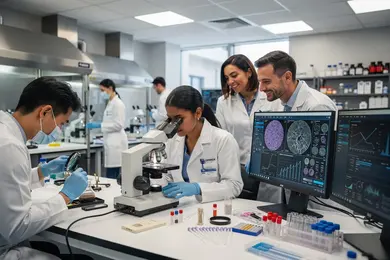
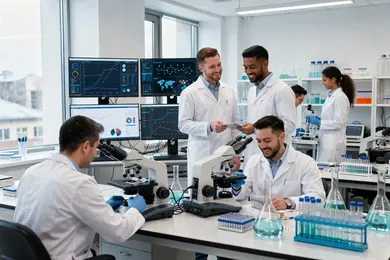
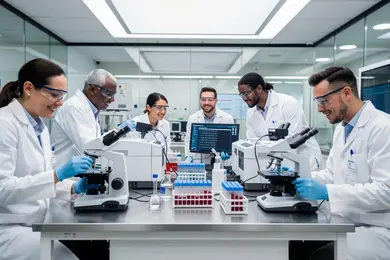
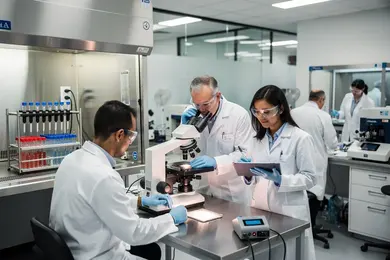
Hands-on lab experience is the defining factor separating campus-based forensic science programs from their online counterparts, directly shaping graduate readiness for technical roles in crime labs and law enforcement. Campus programs provide uninterrupted access to specialized instruments and physical evidence, enabling students to build competence through supervised, real-time practice-a prerequisite for proficiency in methods like chromatography and spectrometry used in forensic toxicology.
Online programs attempt to replicate practical exposure with virtual simulations and at-home kits, but these substitutes fall short of authentic lab interactions. Limited regional residencies or internships offered by some online courses are often constrained by geography and scheduling, reducing the depth of experiential learning. This gap matters because employers emphasize validated hands-on skills; without them, graduates face tougher competition and may struggle to progress beyond entry-level or support roles.
Prospective students pursuing employer-sponsored online degrees must rigorously verify that their curriculum mandates in-person lab work or credible internships. Otherwise, they risk delayed field entry and diminished job prospects. By contrast, campus education remains unmatched for cultivating the procedural expertise and courtroom-ready credentials demanded by the forensic science workforce.
- Campus programs offer immediate feedback under expert supervision, critical for mastering evidence processing.
- Online formats rely largely on virtual tools that cannot fully substitute genuine lab work.
- The UK's statistic-fewer than 1 in 7 graduates securing sector roles annually-illustrates the competitive disadvantage of insufficient hands-on training.
What core courses and specializations are usually offered in online forensic science degrees?
Forensic science degree programs must balance foundational breadth with targeted specialization to meet explicit workforce demands. Graduates aiming for roles such as laboratory technicians-who constitute 16% of forensic science employment according to Prospects-require demonstrated competence in practical evidence handling and laboratory instrumentation, not just theoretical coursework. This necessity elevates the value of programs that incorporate hands-on virtual labs or mandate local internships.
Core curricula typically include biology, chemistry, and criminal justice, alongside specialized courses like forensic toxicology and DNA analysis, with advanced options in fields like forensic entomology or digital forensics. However, beyond scientific training, alignment with employer expectations often means blending forensic science education with cross-disciplinary skills. For example, police officer or chemical scientist roles-also representing about 16% of graduate placements-demand familiarity with law enforcement protocols or advanced chemical analysis techniques.
Prospective students face a tradeoff: broad programs risk insufficient preparation for lab certifications, while overly narrow tracks may hinder adaptability within forensic sectors undergoing technological and procedural evolution. Employers more frequently sponsor candidates whose curricula explicitly match job functions, underscoring the strategic importance of evaluating specialization relevance against long-term career flexibility.
- Hands-on experience enhances employer confidence in practical capabilities.
- Cross-disciplinary knowledge broadens employment opportunities.
- Curricular alignment with target roles impacts sponsorship and hiring likelihood.
How long do online forensic science degrees take, and what do they cost with sponsorship?
Completing an online forensic science degree typically requires a four-year commitment, roughly 120 credit hours, aligning with traditional undergraduate standards. For working professionals, the financial impact is substantial, as annual tuition averages $14,688, totaling over $58,000 without employer support. Employer tuition sponsorship can ease this burden but often comes with stipulations, such as grade maintenance, employment tenure post-graduation, and reimbursement schedules that may be per semester, yearly, or upon degree completion.
Program length can also extend beyond the standard timeline due to part-time enrollment, practicum requirements, or certification preparations, all of which affect a student's income stream and career trajectory. For example, a forensic analyst employed in law enforcement might benefit from tuition reimbursement but faces lost earnings potential if degree completion stretches longer than planned.
Practical strategies to reduce time and cost include accelerated tracks and credit for prior experience, though these options necessitate employer coordination and thorough documentation. Additionally, students must budget for expenses beyond tuition, such as technology fees, textbooks, or background checks, which are frequently excluded from sponsorship coverage.
- Employer sponsorship policies vary widely and directly influence the total cost and completion time.
- Balancing work, study, and employer requirements is critical to avoid financial and professional setbacks.
- Understanding indirect costs and program flexibility impacts the real-world return on investment of an online forensic science degree.
What forensic science careers can you pursue with an online degree, and what are the salaries?
Choosing an online forensic science degree involves balancing the nature of targeted roles with educational format constraints and employer expectations. Positions requiring hands-on lab expertise-common in advanced forensic testing-typically demand access to physical labs or hybrid program options, as fully online curriculums rarely provide this. Conversely, roles focused on digital forensics or data analysis align well with fully remote study due to their reliance on software skills.
Salaries in this sector vary substantially, with crime scene investigators earning approximately $55,000 to $72,000 annually, while digital forensic analysts in law enforcement or private industry approach $90,000, as reported by the U.S. Bureau of Labor Statistics. These distinctions influence which program type suits a candidate's career goal.
Cost metrics for online bachelor's degrees in forensic science range from $290 to $510 per credit, totaling between $35,000 and $68,000. Employer tuition assistance can offset these costs significantly, so understanding an employer's reimbursement policies is a critical step before enrollment.
Working professionals seeking advancement within forensic units or law enforcement benefit from online flexibility and eligibility for credit by prior experience. However, they must verify relevant state licensure or certification requirements, since many forensic roles enforce credentialing beyond degree completion.
- Hands-on lab roles require hybrid or in-person training components.
- Digital forensics careers align with fully online degrees.
- Tuition can be substantially reduced with employer assistance.
- Licensure varies by state and can affect eligibility.
What certifications, licensing, and professional standards apply to forensic science graduates?
Certification and licensing are decisive factors shaping access and advancement in forensic science careers, with state regulations and job-specific credentials creating tangible barriers or gateways. This reality means prospective forensic scientists must strategically align their certifications with target roles, understanding that, for instance, forensic toxicologists often need board certification tied to medical or clinical licensure, which limits eligibility for those without such credentials.
Employer sponsorship plays a critical role beyond financial support; it facilitates compliance with professional standards like those from the Scientific Working Group and American Society of Crime Laboratory Directors (ASCLD) accreditation, which many government and federal employers require. Without these endorsements, applicants risk exclusion from competitive positions.
Consider a forensic chemistry graduate aiming for a federal lab role: possession of the American Board of Criminalistics (ABC) certification drastically improves employability by validating technical skill. Similarly, crime scene investigators benefit from International Association for Identification (IAI) credentials as a baseline for entering specialized investigative duties.
A Texas A&M report highlights that 100% of alumni in forensic investigative sciences secure employment or advanced study placement, but only about one-third work directly in forensic roles-indicating that certifications and licensing, especially when facilitated by employer support, strongly influence career trajectory and workforce integration.
- Balancing continuing education requirements with job tasks demands employer-provided time or resources for ongoing certification renewal.
- Hiring managers prioritize candidates maintaining current credentials as evidence of operational readiness and commitment to evolving forensic standards.
In practice, forensic science professionals benefit from proactively identifying certifications aligned with long-term ambitions and seeking employers who contribute to those pathways, mitigating risks of stagnation and maximizing eligibility for specialized forensic roles.
Other Things You Should Know About Forensic Science
Yes, employer-paid tuition can be tax-free up to $5,250 per year under IRS Section 127 if the company has a written educational assistance plan. Amounts above that limit may be taxable unless another IRS rule applies. Employers must document the benefit and the employee’s eligible coursework.
Balancing full-time work with an online forensic science program requires realistic assessment of both workload and employer expectations. Employer-sponsored students often face obligations to perform well in both areas simultaneously, which can lead to stress if course intensity and job demands overlap. Prioritize programs with flexible pacing and asynchronous coursework, as these allow professionals to maintain performance at work while progressing steadily through their degree.
Yes, employers often expect candidates to have practical, real-world experience beyond online coursework, such as internships, volunteer work, or part-time roles in forensics labs. Online degrees alone, especially if lacking substantial in-person training, may not satisfy these expectations. Prospective students should actively seek experiential opportunities during or after their program to strengthen their resumes and improve job prospects.
References
- How To Become a Forensic Scientist: Requirements & Steps https://www.forensicscolleges.com/blog/htb/how-to-become-forensic-scientist
- European Forensic Institute Bachelor's and Masters programmes https://eufor.eu/programmes/
- Forensic Science Majors https://www.hamline.edu/academics/undergraduate/forensic-science
- Associate in Forensic Science Degrees and Careers https://www.criminaljusticeprograms.com/specialty/associate-in-forensic-science/
- Forensic Science https://icieducation.com/courses/law-justice/forensics/
- Online Forensic Science Degree https://www.aiuniv.edu/degrees/criminal-justice/bachelors-forensic-science
- Forensic Science Degree Programs https://www.criminaljusticedegreeschools.com/degrees/forensic-science-degree/
- Forensic Science and Investigation Career Paths https://www.oxfordhomestudy.com/OHSC-Blog/forensic-science-and-investigation-career
- Online and Offline Forensic Science Courses for Students & Professionals https://iesr.in/forensic-science-courses-online-offline/