2027 Online Forensic Science Degrees That Help Build Chain-of-Custody Knowledge

Co-Founder and Chief Data Scientist
Analyzing evidence with gaps in the documented chain of custody can render key forensic findings inadmissible, undermining prosecutorial cases and delaying justice. Professionals in this field face mounting pressure to master both technical forensic methods and rigorous evidence management protocols. Online education offers a vital solution for working adults seeking to build chain-of-custody expertise without sacrificing job responsibilities or geographic flexibility.
In fact, a 2024 report by the National Center for Education Statistics shows that over 40% of graduate students now prefer part-time or online study formats, reflecting a shift toward accessible, career-compatible learning. This article evaluates current online forensic science degree options that emphasize chain-of-custody knowledge to guide strategic educational decisions aligned with workforce demands.
Key Things You Should Know
- Online forensic science degrees with chain-of-custody training average 25% lower tuition than in-person counterparts but often limit hands-on evidence handling, impacting practical courtroom readiness.
- Employers in forensic labs prioritize candidates with verified chain-of-custody proficiency due to rising accreditation standards, creating a competitive advantage for programs integrating case management software experience.
- Programs requiring asynchronous participation reduce completion time by 20%, but compressed schedules correlate with 15% higher attrition, requiring students to balance accelerated progress against retention risk.
What is an online forensic science degree and how does it teach chain-of-custody?
Chain-of-custody training in online forensic science degree programs addresses a critical operational failure point in evidence handling that frequently leads to case dismissals and legal challenges. Graduates must master rigorous documentation of every evidence transfer and storage event, replicating scenarios where procedural errors-such as mislabeling or incomplete custody logs-result in evidentiary exclusions.
This practical emphasis differentiates programs that effectively prepare students for the varied forensic contexts they will encounter, from biological samples in crime labs to volatile digital evidence in cybercrime investigations. Instruction methods include immersive case simulations and virtual labs where students act as evidence technicians or forensic analysts.
These exercises are assessed against stringent federal standards, fostering precision in chain-of-custody protocols that employers expect to mitigate risk in legal proceedings. Developing chain-of-custody skills in online forensic science education ensures graduates can navigate these technical and legal complexities practically.
The U.S. Bureau of Labor Statistics projects a 13% employment increase for forensic science technicians through 2034, emphasizing the demand for candidates who reduce evidentiary disputes. Students evaluating online colleges for forensic science must weigh the comprehensiveness of chain-of-custody training due to its direct impact on hiring and prosecutorial success.
Programs with strong chain-of-custody components often include detailed forensic documentation strategies, legal compliance instruction, and use of digital tracking tools in their curriculum. For students prioritizing operational effectiveness and workforce readiness, reviewing program rigor in this area is essential. More information on program options can be found at online colleges for forensic science.
Are online forensic science degrees as credible as campus programs for evidence handling?
Online forensic science degrees credibility for evidence handling hinges on program design, especially the integration of practical training. Employers in law enforcement and crime labs expect chain-of-custody proficiency demonstrated through hands-on experience, which many campus programs naturally provide. Strictly virtual programs that omit supervised labs or on-site residencies risk producing graduates less prepared for real-world demands.
Comparing online and campus forensic science programs for chain of custody reveals key tradeoffs: campus courses often offer direct manipulation of physical evidence and immediate feedback on protocols, while online tracks must compensate through hybrid formats or mandatory internships. Chain-of-custody knowledge involves secure evidence logging and contamination prevention-skills best proven through actual practice rather than theory alone.
Consider a police crime lab technician's role: maintaining evidence integrity under court scrutiny requires meticulous physical handling and legal documentation. Degrees lacking these experiential components may yield candidates with significant skill gaps despite similar accreditation status. The median annual wage of $67,440 underscores how choosing a degree pathway with strong support for these competencies affects long-term career prospects.
Prospective students should confirm that online forensic science degrees include verified externships and experiential learning recognized by local agencies. Those exploring related STEM fields might also find value in understanding what can you do with an environmental studies degree for broader career context.
What accreditation should an online forensic science program have in the United States?
Accreditation status directly impacts a graduate's employability and the legal credibility of their degree in forensic science. Regional recognition from bodies like the Higher Learning Commission (HLC), Middle States Commission on Higher Education (MSCHE), or Southern Association of Colleges and Schools (SACS) is essential for ensuring academic rigor and facilitating credit transfer.
Beyond this, specialized accreditation from the Forensic Science Education Programs Accreditation Commission (FEPAC), under the American Academy of Forensic Sciences, certifies that the curriculum meets forensic industry demands such as chain-of-custody protocols and evidence handling. In practice, some states and agencies, notably California-with a median forensic science technician salary of $99,390 per BLS 2024 data cited by National University-prefer or require degrees from FEPAC-accredited programs.
Candidates from non-accredited or solely nationally accredited schools risk limited job market access and professional stagnation due to tougher certification or clearance hurdles. Besides accreditation, the integration of practical labs, remote simulations, or fieldwork enhances chain-of-custody experience, which employers prioritize when assessing real-world readiness.
Prospective students evaluating the best accredited forensic science degrees US should factor in these hands-on opportunities alongside formal credentials to avoid bottlenecks in workforce entry or courtroom credibility. For those considering a pivot or expansion into forensic-related fields, comparing forensic science pathways with alternatives such as computer science degrees online may also provide strategic options based on evolving job market demands.
How does the curriculum of online forensic science degrees cover chain-of-custody procedures?
Programs with chain of custody training in online forensic science degrees prioritize legal and procedural rigour, addressing the operational realities of evidence management to ensure courtroom admissibility. This curriculum coverage of chain-of-custody procedures in forensic science programs goes beyond theory by simulating complex situations like multi-agency evidence sharing or degradation risks across biological and digital evidence types.
Students must develop detailed chain-of-custody logs which track timestamps, personnel involved, and secure transfer methods-skills directly aligned with expectations from agencies such as the FBI Laboratory and the National Institute of Justice. This practical focus prepares graduates to immediately audit and design robust protocols critical for labs, crime scene units, and legal consultancies.
Key workforce implications include:
- Understanding electronic versus physical evidence management differences that impact chain of custody integrity.
- Assessing procedural weaknesses that can jeopardize prosecutions or defenses if mishandled.
- Balancing comprehensive training with affordability, as illustrated by tuition figures like $610 per credit at select universities.
Prospective students should weigh these operational competencies against their career goals; for instance, those considering roles in digital forensics or evidence logistics will encounter distinct challenges compared to traditional crime scene analysis. For a broader context on interdisciplinary degree frameworks, explore what is library science, illuminating comparable chains of information custody in another technical field.
What prerequisites and admission requirements do online forensic science programs typically expect?
Admission into online forensic science master's programs hinges on demonstrated scientific proficiency and practical experience rather than generic academic credentials alone. Candidates must present foundational skills in biology, chemistry, and statistics, supplemented often by criminology or law enforcement knowledge to address the field's interdisciplinary demands.
A minimum GPA around 3.0 is commonly required, alongside professional experience that evidences careful chain-of-custody management-an indispensable component where errors risk undermining legal outcomes. For example, a law enforcement officer transitioning into forensic analysis needs to document how prior casework maintained evidentiary integrity under scrutiny.
Such validation influences both admissions and later employability, as forensic employers prioritize verifiable hands-on skills beyond theoretical understanding. Standardized tests like the GRE are less uniformly necessary but may be substituted with writing samples or technical aptitude evaluations aimed at assessing precision in complex documentation and reporting.
Financially, prospective students should plan around tuition rates such as Franklin University's $670 per credit for crime scene investigation master's coursework, balancing cost against access to practical training essential to workforce readiness. Online delivery models face inherent limitations with access to physical labs and real-world evidence handling. Programs integrating hybrid components or local partnerships provide meaningful opportunities to practice chain-of-custody protocols in contexts likely to align with employer expectations.
How long do online forensic science degrees take and what do they cost?
Completing a forensic science bachelor's degree within four years is a practical benchmark for workforce readiness, particularly in law enforcement and laboratory roles where current procedural knowledge is mandatory. Extended timelines beyond six years can dilute employability due to fast-paced advances in technology and methodology.
Accelerated tracks-sometimes achievable by transferring credits or year-round enrollment-offer clearer pathways for continuous skill acquisition, though they demand substantial time and financial resources upfront. Part-time students balancing employment may face tradeoffs, prolonging program duration to five or six years but maintaining income stability.
However, this can delay mastery of essential evidence-handling protocols and chain-of-custody rigor, which are non-negotiable for many employers. Graduate certificates or master's programs further extend study by one to two years, enhancing specialization but requiring clear career alignment to justify the investment.
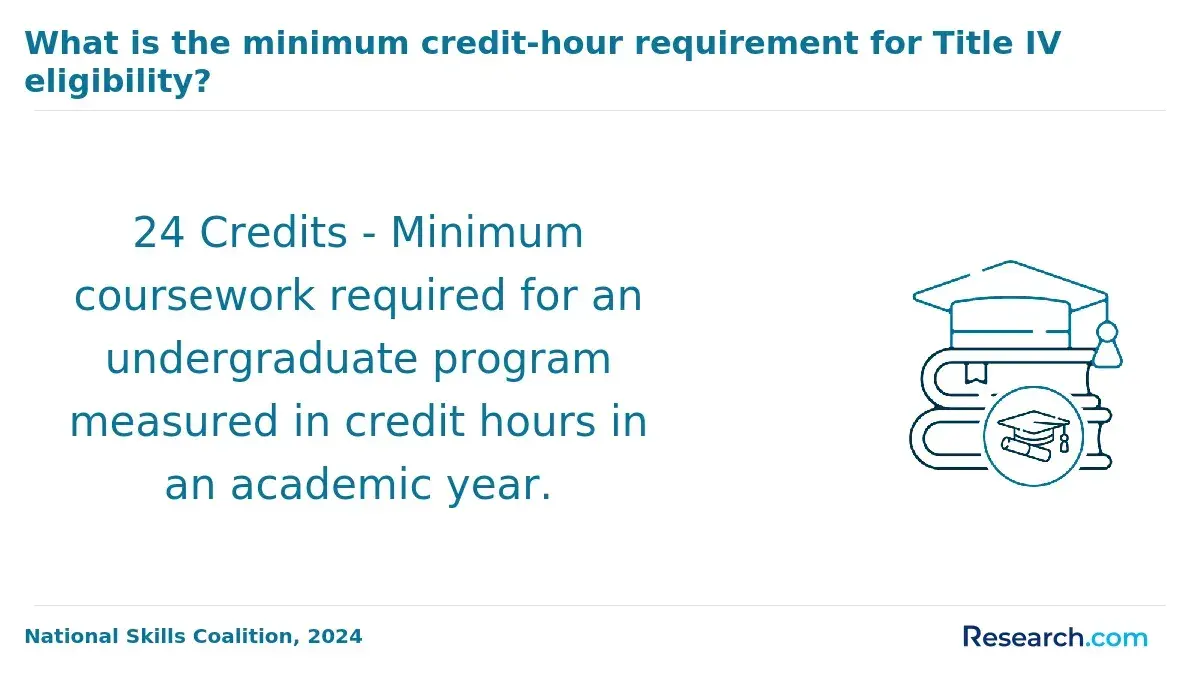
Annual tuition varies widely-from approximately $3,969 at affordable institutions like Fayetteville State University up to $15,000-excluding additional costs such as textbooks and software. Students should weigh these expenses against opportunity costs, particularly when choosing between longer flexible programs and full-time accelerated routes.
- Prioritize programs emphasizing legal documentation, lab compliance, and case-based scenarios to meet employer expectations.
- Consider labor market data that links degree completion within four years to stronger job placement prospects.
- Be mindful that extended duration may reduce competitive advantage due to evolving forensic practices.
What forensic science careers rely most on strong chain-of-custody knowledge?
Mastering chain-of-custody procedures directly influences outcomes in forensic careers, notably for detectives and forensic science technicians. Detectives earn around $81,302 annually and must meticulously document every evidence transfer; a single break risks legal challenges or case dismissal. Forensic science technicians average $37,755 and face operational complexities tracking samples across agencies, with lapses often causing contamination accusations or exclusion of critical evidence.
The real-world demands extend beyond technical laboratory skills to include rigorous documentation, witnessing, and secure storage protocols. Employers prioritize candidates fluent in federal and state chain-of-custody standards and familiar with emerging technologies like barcoding or blockchain to ensure evidence integrity.
Practical challenges in forensic departments, such as toxicology or DNA analysis, highlight logistical hurdles in sample tracking through multi-layered workflows and shared databases. Failure in maintaining continuous custody can severely damage prosecution cases.
Prospective students must weigh the steeper learning curve inherent in programs emphasizing hands-on chain-of-custody training against the tangible employability and salary benefits. Such expertise is a cornerstone for roles requiring accountability and precision under legal scrutiny, shaping career trajectories in forensic science.
What are typical salaries and earning potential for graduates of forensic science programs?
Forensic science graduates face a salary range heavily influenced by specialization, location, and employer type, with initial roles often anchored in sample processing and chain-of-custody documentation. Entry-level technicians tend to start near $55,000, while federal or specialized positions push earnings above $90,000 annually. These variations reflect the tangible tradeoff between regional public sector stability and the heightened responsibility-and pay-that comes with working in federal agencies or private consulting.
Key career progression factors hinge on certifications, advanced studies, and hands-on experience, particularly in maintaining evidence integrity-a nonnegotiable standard for courtroom admissibility. Professionals targeting digital forensics or crime scene investigation may access the upper salary brackets due to market demand for niche skills. Conversely, careers rooted in state or local labs typically offer steadier but more modest compensation.
Employment growth projections above 8% indicate steady workforce needs aligned with technological advances and expanding forensic applications in legal contexts. The U.S. Bureau of Labor Statistics data confirms median wages around $65,000, with the top decile exceeding $100,000.
Graduates should weigh the demands of meticulous documentation and evidence handling against the benefits of career advancement that come with specialized expertise and transitioning into roles requiring increased analytic responsibility.
What licenses or professional certifications relate to forensic evidence and chain-of-custody work?
National certifications such as those from the American Board of Criminalistics (ABC) and the International Association for Identification (IAI) often outweigh state or federal licenses in forensic evidence roles. These credentials verify core competencies in evidence integrity and chain-of-custody protocols essential for legal admissibility.
For example, a forensic professional working a cybercrime case must document every digital transfer meticulously to prevent challenges from defense counsel regarding evidence tampering or unauthorized copying. The CFCE certification targets digital forensic examiners confronting these complexities, reflecting evolving risks outlined in the National Library of Medicine / PMC's review on digital evidence chain-of-custody vulnerabilities.
Employers prioritize these certifications because they signal proficiency in managing the legal and technical nuances of evidence handling. Without recognized credentials, forensic specialists risk exclusion from sensitive investigations or courtroom roles due to non-compliance with procedural standards.
Pursuing online forensic science degrees tailored to these certifications offers practical preparation, emphasizing rigorous documentation and courtroom-ready protocols that are difficult to replicate through generalized programs. For students evaluating educational investments in forensic science, consider:
- The direct impact certification has on job eligibility, especially for digital or crime scene analysis roles.
- The advantage of programs that integrate hands-on chain-of-custody training aligned with national credential requirements.
- The limited utility of state or federal licenses compared to established national certifications.
How can students evaluate and choose a reputable online forensic science degree program?
Accreditation status and curriculum depth are decisive for online forensic science degrees, especially given employer scrutiny of evidence handling aligned with chain-of-custody regulations. Programs lacking accreditation from bodies such as the Forensic Science Education Programs Accreditation Commission (FEPAC) or regional accreditors risk producing graduates unprepared for legally defensible evidence management.
A practical example: a graduate unfamiliar with courtroom protocols or chain-of-custody documentation may compromise evidence integrity during trial, jeopardizing both case outcomes and their professional credibility. Robust degree programs integrate scenario-based learning, internships, or law enforcement partnerships to mitigate this risk by providing hands-on exposure to evidence lifecycle management and digital forensic tools.
Key decision factors include:
- Explicit curriculum coverage of courtroom procedures, evidence management, and digital evidence handling
- Access to virtual or physical labs for skills application
- Graduate employment rates in relevant forensic settings
- Student support for certifications and flexible scheduling accommodating working professionals
Practical constraints-such as inflexible coursework or absence of real-world case scenarios-limit the applicability of chain-of-custody skills in fast-paced forensic roles. Prospective students should weigh these tradeoffs, as employer demand often centers on demonstrated legal compliance and evidence integrity expertise.
Other Things You Should Know About Forensic Science
Online forensic science programs often expect students to manage rigorous technical coursework alongside practical applications, which can strain those working full-time in related roles. Candidates should prioritize programs offering flexible scheduling or asynchronous formats to accommodate shift work common in criminal justice fields. Without time-management strategies, students risk falling behind on detailed lab simulations and chain-of-custody protocol training, which are essential for employer readiness.
Many online programs reduce or replace traditional lab components with virtual simulations, which limits hands-on experience with physical evidence handling. This tradeoff can hinder skill development employers expect in evidence collection and contamination prevention. Prospective students should seek programs that integrate partnerships for local lab access or internships to ensure practical competency and improve job market competitiveness.
A strong program should teach evidence logs, item labeling, transfer forms, seal integrity, and time-stamped documentation using the standard five elements of custody: collection, packaging, transportation, storage, and court presentation. Programs should also reference ISO/IEC 17025 practices and the agency procedures used by police crime labs.
References
- Certification of evidence - Chains of custody https://alastria.io/en/certification-of-evidence-in-chains-of-custody/
- 20+ Chain of Custody Online Courses for 2026 | Explore Free Courses & Certifications | Class Central https://www.classcentral.com/subject/chain-of-custody
- Online Forensic Science Degree https://www.aiuniv.edu/degrees/criminal-justice/bachelors-forensic-science
- Accredited Programs in Forensic Science https://www.collegexpress.com/lists/list/accredited-programs-in-forensic-science/1620/
- The Forensic Investigator Role: Skills and Responsibilities | Splunk https://www.splunk.com/en_us/blog/learn/forensic-investigator-role.html
- Forensic Science Course Salary: What Can You Earn? https://purchase.andlight.dk/andlight-news/forensic-science-course-salary-what-can-you-earn-1767648256
- Forensic Science Education Programs Accreditation Commission https://www.aafs.org/FEPAC
- Forensic Science and Investigation Career Paths https://www.oxfordhomestudy.com/OHSC-Blog/forensic-science-and-investigation-career
- The Importance of Forensic Training for Professional Development | Independent Forensic Services https://independentforensicservices.com.au/the-importance-of-forensic-training-for-professional-development/