2027 Best Online Forensic Science Degrees for Graduate School Preparation

Co-Founder and Chief Data Scientist
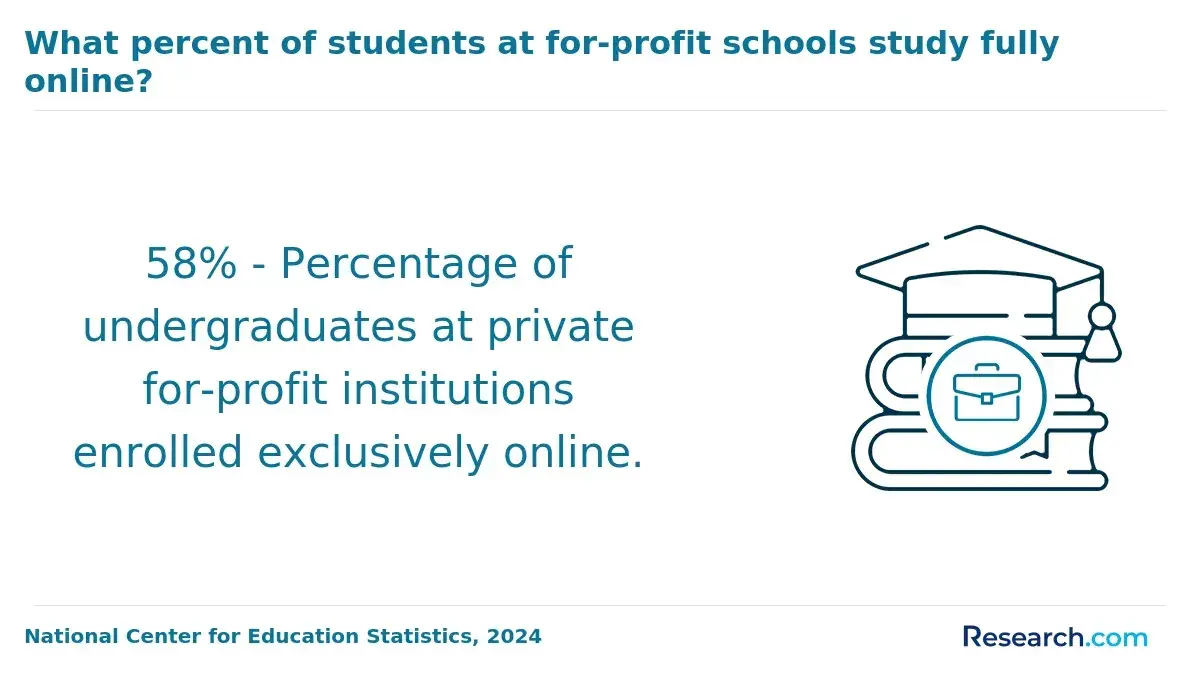
A forensic science professional seeking graduate credentials often faces an inflexible academic calendar that clashes with demanding shift work and unpredictable case loads. Nearly 45% of graduate students now choose online formats according to the National Center for Education Statistics, reflecting growing demand for schedules adaptable to full-time employment. This shift indicates a structural change in how practitioners pursue advanced training without sacrificing current roles or delaying career advancement. However, the rigor and practical component of forensic programs remain pivotal considerations when selecting a path that balances accessibility with accredited academic standards.
This article evaluates the best online forensic science degrees for graduate school preparation, focusing on programs that optimize both flexibility and professional relevance to help students make informed enrollment decisions.
Key Things You Should Know
- Programs emphasizing laboratory and digital forensics balance theory and hands-on skills but often require costly in-person residencies, limiting access while enhancing employer trust, with 62% of agencies preferring candidates with practical lab experience, per NIJ 2024 data.
- Employers increasingly demand graduates with interdisciplinary competencies, such as data analytics combined with forensic knowledge; the BLS notes a 14% growth in roles requiring both skill sets, pressuring curricula to integrate diverse training.
- The average online forensic science master's completion time extends by 25% over traditional formats, inflating tuition and delaying entry into a workforce projecting 9% growth by 2029, complicating cost-benefit timing for career pivots.
What is an online forensic science degree and how does it prepare students for graduate school?
Online forensic science degree benefits for graduate school hinge on the program's ability to deliver both foundational theory and applied technical skills in a remote format. While these degrees cover essential areas such as biology, chemistry, criminal law, toxicology, and forensic DNA analysis, the absence of consistent hands-on lab experiences can limit readiness for research-intensive graduate programs. This makes supplemental in-person internships or cooperative education critical for meeting the practical competencies that graduate admissions often require.
Enrollment data, such as Arizona State University Online's 52,896 students in forensic science programs, underscores the increased accessibility of these degrees. However, high enrollment does not equate to program rigor or graduate success rates, and prospective students must scrutinize faculty expertise and curriculum integration to ensure alignment with advanced degree expectations.
Effective online forensic science programs incorporate quantitative methods, instrumentation, and data analysis to develop robust methodological skills. For working professionals pivoting fields, flexibility is an advantage but networking limitations mean candidates should actively pursue external opportunities to enhance employability.
Those evaluating how online forensic science programs prepare students for advanced degrees should also consider workforce realities: the interdisciplinary nature of the field demands more than isolated knowledge, requiring coordinated training that merges academic learning with real-world investigative experience. For a clearer view of career trajectories, exploring careers in forensics can inform strategic planning.
How do online forensic science programs compare to campus-based options in quality and outcomes?
The quality of an online forensic science degree compared to campus-based programs hinges largely on practical skills and career outcomes rather than theoretical content, which tends to be comparable. Employers prioritize hands-on experience with lab equipment, evidence handling, and crime scene techniques-areas where online programs struggle to replicate the necessary level of immersion. Graduates from campus programs often enter the workforce with internships and direct lab access, aligning with the hiring expectations in forensic analyst roles.
Working professionals pursuing an online forensic science degree to upgrade credentials benefit from flexible schedules but face significant challenges securing local opportunities for practical training, which are essential to match employer readiness. The limited availability of specialty tracks like toxicology or digital forensics in online formats further constrains focused advancement options.
Career outcomes for online vs campus-based forensic science programs diverge primarily on early employability and direct employer pipelines. Campus students frequently realize higher early-career placement rates, partly due to built-in internships and mentorships. Online learners must compensate by independently seeking real-world experience to address this gap.
Prospective students should weigh these tradeoffs carefully, incorporating their professional context and goals. For those interested in interdisciplinary or data-focused advancement, consulting ranks of data science degrees might offer complementary skills and pathways.
Which types of accreditation should online forensic science degrees have for grad school readiness?
Regional accreditation recognized by the U.S. Department of Education is indispensable for online forensic science degree accreditation standards because it guarantees baseline academic quality and credit transferability-essentials for graduate school admission and eligibility for federal aid. Alongside this, programmatic accreditation from entities like the Forensic Science Education Programs Accreditation Commission (FEPAC) carries considerable weight in employer and graduate program evaluation due to its focus on curriculum integrity and technical skill coverage specific to forensic disciplines.
Without these dual accreditations, graduates risk facing hurdles such as non-transferable coursework and skill gaps, which impede entry into specialized roles-particularly in areas like forensic toxicology or DNA analysis. Law enforcement agencies, for instance, tend to prefer candidates from FEPAC-accredited programs as a proxy for adherence to industry standards, directly affecting employability and eligibility for advanced forensic science graduate programs.
Program scale also signals educational rigor; degrees requiring around 120 credit hours, such as ASU Online's forensic science bachelor's, better prepare students for the demands of graduate research and fieldwork compared to smaller or less comprehensive programs. Prospective students must therefore scrutinize both regional accreditation for forensic science graduate programs and programmatic credentials before committing.
For professionals considering educational pivots or enhancements, assessing these accreditation factors is critical to align outcomes with workforce expectations and long-term career viability. Those seeking accelerated study alternatives might explore options like an accelerated computer science degree, which intersects with forensic data analysis trends.
What admission requirements do online forensic science programs typically have for prospective students?
Admissions for online forensic science graduate programs hinge not just on academic credentials but on clear alignment with workforce demands and security considerations. Candidates typically must hold a bachelor's degree from an accredited institution-most commonly in forensic science, biology, chemistry, or related STEM fields-with prerequisite coursework in subjects like general and organic chemistry, biology, and statistics. However, some programs allow relevant professional experience or certifications as alternatives, which benefits mid-career professionals pivoting fields. This flexibility, though, varies widely and can impact eligibility for internships or positions requiring federal clearance.
Standardized tests such as the GRE have become optional in many cases, but remain necessary for competitive research-intensive programs. Letters of recommendation-preferably from forensic professionals or faculty familiar with analytical rigor-and a personal statement articulating targeted career goals remain critical components. These elements bridge academic qualifications with expectations from criminal justice agencies and private labs that prioritize ethical accountability and practical skills.
Applicants must also weigh financial and logistical realities, such as residency status that significantly affects tuition rates. For instance, UniversityHQ reports an in-state undergraduate tuition benchmark of $5,656 for online forensic science bachelor's programs in 2026, underscoring the cost implications when advancing through graduate pathways. Balancing affordability against program rigor directly influences employability in this demanding sector.
Security background checks are non-negotiable, reflecting occupational requirements for collaboration with law enforcement and access to sensitive information. These screenings can extend admission timelines and affect the ability to participate in programs with federally regulated internships. Prospective students should evaluate these practical hurdles alongside academic prerequisites when considering online forensic science graduate admission requirements.
For those exploring related graduate degrees with fiscal attention, the MLIS degree rankings provide insight into cost-effective educational routes in adjacent fields.
What core courses and specializations are offered in online forensic science degree curricula?
Selecting an online forensic science degree requires weighing specialization benefits against workforce demands and certification complexities. Core coursework establishes essential skills in crime scene protocols, evidence evaluation, and forensic biology, but differentiation hinges on niche expertise like digital forensics or forensic psychology. Digital forensics, for example, demands constant technical adaptation and offers stronger earning potential; Champlain College's program reports a median salary of $89,716, reflecting robust industry need for cybercrime and digital evidence proficiency.
Students aiming for lab-centric roles must focus on hands-on methodologies and stringent chain-of-custody procedures, while those pursuing digital paths face the challenge of rapidly evolving IT threats requiring ongoing skill refreshment. Employers increasingly prioritize candidates who demonstrate immediate operational readiness to manage complex forensic challenges.
Program design also matters: curricula that incorporate case-based learning, interdisciplinary approaches, and partnerships with law enforcement significantly enhance graduate preparedness. Practical internships stand out as pivotal for bridging theoretical knowledge and real-world application, boosting employability in an environment where forensic standards and technologies evolve swiftly.
- Core subjects cover crime scene investigation, forensic biology, toxicology, criminal law, and evidence analysis.
- Digital forensics specializations emphasize cybersecurity, malware analysis, and legal intricacies of digital evidence.
- Certification complexities vary by specialization, influencing job placement and salary trajectories.
How long do online forensic science degrees take to complete, and what do they cost?
Efficient completion of an online forensic science degree critically influences employability in criminal justice and public safety sectors, where practical lab skills and applied knowledge are non-negotiable. Programs typically range from 18 months to 3 years, depending on part-time or full-time status and credit transfers. Accelerated master's options condense timelines to 18-24 months but demand rigorous time management, often challenging professionals balancing work commitments.
Cost considerations extend beyond tuition, which spans approximately $20,000 to $60,000, covering variations by residency and institution type. Public universities can be significantly more affordable for in-state students, while additional fees-for lab kits, exam proctoring, and software-often inflate total expenses. Prospective students must assess these to avoid unplanned financial burdens.
The Bureau of Labor Statistics projects an 11% growth in forensic science technician employment from 2021 to 2031, more than double average occupational growth. However, delayed graduation risks stalled career momentum and entry into the expanding job market. A forensic analyst specializing in digital forensics within state law enforcement illustrates this tradeoff: selecting a program with flexible pacing yet defined completion targets sustains employer confidence and enables timely certification preparation.
- Accelerated programs offer speed but require intensive scheduling.
- Traditional part-time tracks extend duration but fit working professionals.
- Hidden fees can increase total cost substantially beyond tuition.
- Delayed program completion may hinder market entry despite demand growth.
What forensic science careers can graduates pursue, and how does a degree support advancement?
Forensic science graduates typically start in technician roles earning around $37,755 annually, according to Indeed 2024 data, but advancement demands targeted certifications or graduate specialization. Practical training in laboratory methods, evidence handling, and courtroom testimony covers baseline employer expectations, yet many state or federal agencies require additional credentials like those from the American Board of Criminalistics for supervisory or highly specialized analytic roles.
A DNA analyst working in law enforcement or private labs illustrates the shift from routine evidence processing to impactful trial support, where interpreting biological data can influence legal outcomes. This specialization underscores the importance of aligning degree focus with career objectives.
Ongoing professional development is critical given continual changes in forensic technologies and legal standards. Programs offering internships or research partnerships in applied settings mitigate the risk of stumbling during the academic-to-professional transition, a documented factor in wrongful conviction cases.
Competency in digital forensic software or crime scene reconstruction increasingly shapes employability, especially amid rising cybercrime investigations. Balancing degree specialization with certification, practical skills, and real-world experience remains essential to maintaining relevance and mobility in this demanding field.
- Forensic science degree programs with strong internship placement improve job-readiness.
- Advanced degrees often unlock higher-level forensic roles with greater investigative impact.
- Certification requirements vary by jurisdiction, necessitating strategic credential planning.
What are the salary expectations and earning potential for forensic science graduates?
Salary expectations for forensic science graduates depend heavily on specialization, location, and employer type, making uniform projections unreliable for many candidates. For instance, entry-level roles in crime lab analysis or law enforcement typically start between $50,000 and $60,000, illustrating the more accessible but modest end of the pay scale. Contrast this with forensic computer analysts, who average $103,800 mid-career, driven by the growing demand for cybercrime expertise and digital evidence skills.
The 10% projected job growth over the next decade for forensic computer analysts signals a robust market for these specialized skills, yet students must weigh upfront investments in continuing education and certifications against slower salary growth in nonspecialized roles. Geographic disparities also matter: urban and federal positions often pay more than rural or state-level labs, though they come with heightened hiring barriers like background checks and security clearances that can delay entry.
Key decision factors for prospective students include the realistic timeline for credentialing and experience accumulation versus salary progression. Pursuing advanced training in areas like digital forensics or toxicology can yield significant returns but requires navigating logistical hurdles and ongoing education costs. Candidates should critically assess programs on their capacity to align with evolving forensic technologies to bolster employability in this competitive and niche field.
What is the job outlook for forensic science professionals and related criminal justice roles?
Job growth for forensic science technicians is projected at 14% from 2022 to 2032, driven by rising demand for crime scene analysis, DNA interpretation, and digital forensics. However, accessing higher-paying roles often requires advanced degrees or certifications tailored to evolving technologies like biometric software and cybercrime investigation tools. Candidates without these skills may find entry opportunities scarce and career advancement slower.
Medical examiners exemplify the premium on graduate-level education, with a median salary of $236,000 reported in 2023 by BestColleges. Yet, pursuing a master's degree entails trade-offs: time and cost investments versus faster certification pathways that focus on niche competencies such as digital forensic analysis. Graduates must critically assess whether extensive academic credentials match their targeted roles, as some positions prioritize hands-on proficiency over degrees.
Federal or state employment prospects add complexity through mandatory background checks and security clearances, extending hiring timelines and necessitating early preparation during study. Long-term career sustainability often means shifting from frontline lab roles to management, consulting, or academia to counter fluctuating workloads and public agency budget restrictions.
- Technical adaptability to next-generation DNA sequencing and cybersecurity tools is increasingly non-negotiable
- Strategic educational planning influences both immediate employability and multi-stage career progression
- Understanding government hiring protocols and clearance requirements is essential for those targeting public sector forensic roles
How can students evaluate and choose a reputable online forensic science program?
Employers in forensic science expect candidates to demonstrate both rigorous academic preparation and applicable skills, which means accreditation and curriculum depth are non-negotiable criteria when selecting an online program. Regional accreditation paired with program-specific recognition, such as from FEPAC, assures alignment with industry standards and practical competencies that matter in public and private labs alike.
Budgeting for graduate forensic science education extends beyond advertised tuition. For example, Stevenson University charges $719 per credit with $0 fees, a transparent baseline for prospective students to factor into total program costs that often include technology and exam fees. Underestimating these can limit financial flexibility, particularly for working professionals balancing ongoing income with education.
Career outcomes hinge on tangible links to the forensic sector-employment statistics, alumni success, and active partnerships with forensic labs or law enforcement agencies provide critical signals of real-world transferability. Programs engaged with recognized forensic organizations typically facilitate internship and mentorship opportunities that reinforce hands-on experience and improve job placement odds.
Licensing and certification requirements tied to state jurisdictions often dictate whether online forensic science curricula fit a student's targeted work location. This is especially pertinent when federal or regional crime laboratories impose in-state training prerequisites.
Program formats involve trade-offs:
- Accelerated tracks shorten time to workforce entry but may compromise in-depth skill refinement.
- Part-time options accommodate professionals but could delay career momentum.
- The quality and scope of online lab simulations and research projects should be scrutinized to gauge how effectively programs replicate practical forensic tasks.
Other Things You Should Know About Forensic Science
Online programs can cover theoretical frameworks and lab techniques, but they vary widely in how they provide hands-on experience. Students should prioritize programs that incorporate virtual labs, simulation software, or partnerships with local facilities to meet practical training requirements. Without sufficient applied learning, graduates may face challenges adapting to graduate research environments that demand strong technical competencies.
Many forensic science master’s programs do not require the GRE in 2027, but some still ask for official scores. When required, schools often set minimum Verbal and Quantitative scores or review the full application holistically, along with a 3.0 GPA, science coursework, and letters of recommendation.
Online forensic science degrees can prepare students for successful entry into graduate school by offering rigorous coursework that mirrors traditional programs. These programs often emphasize critical skills such as analytical thinking, problem-solving, and research methodologies, which are crucial for graduate-level forensic research. Many online degrees also provide opportunities for networking and professional development through virtual labs and workshops.
Specializations such as forensic toxicology, digital forensics, or crime scene investigation influence career opportunities and should align with the candidate's target role. Students should select programs offering strong research mentorship and relevant practica tied to their chosen specialization. Investing in a focused track can improve employability in niche fields rather than pursuing general forensic science coursework.
References
- Forensic Science https://www.ualberta.ca/en/science/programs/bachelor-of-science/degrees-and-majors/programs-by-areas-of-interest/forensic-science.html
- European Forensic Institute Bachelor's and Masters programmes https://eufor.eu/programmes/
- 13 Reasons To Become A Forensic Scientist https://www.openstudycollege.com/blog/3-reasons-become-forensic-scientist
- Forensic Science Majors https://www.hamline.edu/academics/undergraduate/forensic-science
- Forensic Science https://icieducation.com/courses/law-justice/forensics/
- Top Online Forensic Science Degree Programs https://www.forensicscolleges.com/online
- Criminal Justice Careers in Forensic Science and Investigations https://www.shawnee.edu/blog/criminal-justice-careers-in-forensic-science-and-investigations
- Online Forensic Science Degree https://www.aiuniv.edu/degrees/criminal-justice/bachelors-forensic-science
- Best Forensic Science Master's Degrees Online https://www.onlinemastersdegrees.org/best-programs/criminal-justice/forensic-science/
- Forensic Science https://www.alasu.edu/academics/programs-majors/programs/MS-ForensicScience.php