2027 Online Forensic Science Degrees for Students Who Want Stable Forensic Careers

Co-Founder and Chief Data Scientist
Many aspiring forensic science professionals face a critical barrier: balancing rigorous program prerequisites with demanding work schedules or geographic limitations. Traditional on-campus programs often lack the scheduling flexibility necessary for adult learners or career changers, leading to delayed entry or stagnation within a competitive job market. According to the National Center for Education Statistics, enrollment in fully online undergraduate programs grew by over 20% in the past two years, signaling a shift driven by students seeking adaptable pathways that align with complex life circumstances. This trend notably impacts forensic science candidates aiming to enter a field where timely skill acquisition and certification can determine career stability.
This article examines online forensic science degree options designed to accommodate working students and nontraditional applicants, offering a practical framework to navigate program accessibility, quality, and alignment with evolving employer expectations.
Key Things You Should Know
- Despite projected 8% job growth from 2022-2032 in forensic science, National Institute of Justice reports 35% of available roles require advanced degrees, creating a credential inflation that imposes higher tuition and lengthened study tradeoffs.
- Employers in criminal justice sectors increasingly prioritize hands-on lab experience and interdisciplinary backgrounds, favoring candidates who integrate biology, chemistry, and data analytics over purely theoretical forensic science degrees, per 2024 Bureau of Labor Statistics hiring data.
- Programs lacking regional accreditation or updated equipment disproportionately affect graduate employability in state forensic labs, where 70% of job postings cite facility familiarity as mandatory, impacting students' strategic enrollment choices in 2026 offerings.
What is an online forensic science degree and how does it prepare you for forensic careers?
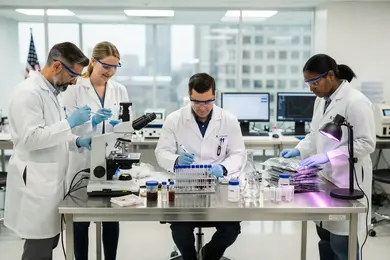
Choosing online forensic science degree programs in the United States requires weighing the balance between academic preparation and practical skill development. These programs combine core subjects like biology, chemistry, and criminal justice with remote lab practicums and virtual simulations to mimic investigative workflows. For instance, a student targeting a forensic technician position in a medical examiner's office must remotely master chain-of-custody procedures and lab instrumentation while completing local internships-a challenge that some programs address through regional partnerships.
Employment for forensic science technicians is expected to grow 13% from 2024 to 2034, creating roughly 2,900 annual openings. This market demand prioritizes applicants with technical proficiency, adaptability to new forensic technologies, and practical experience. Online degrees increasingly include training in digital evidence and biometric analysis to meet evolving employer requirements. Nevertheless, the availability and quality of field placement support significantly affect graduate employability, making experiential opportunities a critical factor in program selection.
Prospective students considering the cheapest online forensic science degree options should carefully assess whether cost savings come at the expense of hands-on training or local internship facilitation. Strong programs integrate applied coursework with real-world case studies and remote lab practice, equipping graduates for roles such as crime scene investigators, forensic technicians, and lab analysts.
For a comprehensive overview of cost-effective pathways, see cheapest online forensic science degree.
Are online forensic science programs as credible and accredited as campus-based degrees?
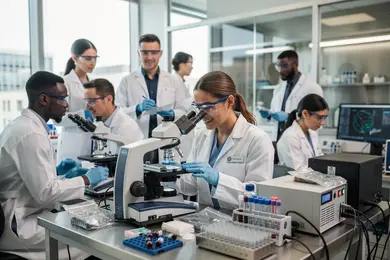
Accreditation is a decisive factor shaping the credibility of online forensic science programs and their acceptance in the job market. Employers frequently require candidates to hold degrees from programs accredited by agencies recognized by the U.S. Department of Education or CHEA. The practical gap in online formats remains significant because forensic science roles demand hands-on proficiency in DNA analysis, toxicology, and fingerprint identification. Without embedded, in-person lab components or established partnerships with local laboratories, graduates often face skill deficits that hinder immediate employability.
For example, forensic technicians earning a median wage of $67,440, with top earners exceeding $107,490, show how market access depends heavily on verifiable practical skills alongside accredited credentials. Choosing an online forensic science degree without this hybrid structure or credible accreditation risks delaying employment or limiting upward mobility. Candidates must evaluate programs for their capacity to deliver rigorous lab experience and alignment with professional credentialing requirements.
Prospective students considering an online forensic science degree accreditation should also account for how programs support integration into the workforce, including career services that connect them with relevant lab environments. This practical alignment differentiates programs that truly prepare students from those that merely deliver theoretical knowledge.
Those interested in how to become an autopsy technician will find relevant pathways often embedded within comprehensive forensic science training coupled with applied experience, details of which can be explored here.
What types of online forensic science degrees are available and which level do you need?
Entry into forensic science careers fundamentally hinges on degree level, with bachelor's, master's, and certificate options serving distinct functions. Employers typically mandate a bachelor's degree for frontline forensic scientist positions in public crime labs, requiring foundational expertise covering biology, chemistry, and criminal justice to competently handle lab theory, evidence analysis, and courtroom testimony. For example, an online forensic science degree program at the bachelor's level equips students with these core skills suitable for entry roles.
Progressing beyond entry requires a master's degree, especially for specialized forensic toxicology, DNA analysis, or supervisory roles. These advanced programs integrate rigorous statistical methods and research collaborations with forensic agencies, allowing working professionals to build investigative and quantitative skills remotely without halting their careers.
Shorter certificate programs target those pursuing tactical skill upgrades or niche fields like digital forensics but rarely fulfill official credentialing for core forensic casework jobs. These certificates support tactical pivots rather than a wholesale career foundation.
Key workforce data show practical earnings reflect education level: the Bureau of Labor Statistics and Zippia report an average 2025 salary of $71,351 for forensic scientists, increasing 2.4% annually. Candidates lacking relevant degrees confront substantial entry barriers in an increasingly credential-driven labor market emphasizing applied competence over nominal credentials.
Balancing these forensic science degree levels explained with current market realities is critical. Students must carefully evaluate program rigor, employer expectations, and specialization needs alongside career goals. Those seeking detailed cost insights for comparable online programs may consider reviewing animal science degrees online as a practical comparator for pricing structure and tuition trends.
What do you study in an online forensic science program and what courses are typical?
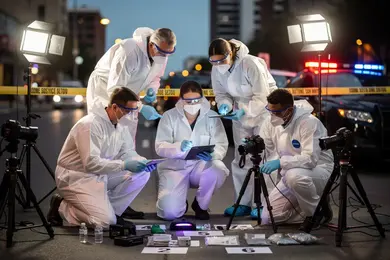
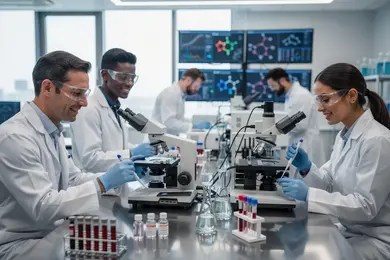
Online forensic science degree curriculum prioritizes a blend of foundational sciences and applied methodologies tailored for crime labs and legal environments, responding to employer demands for versatile analysts. Practical skills across forensic biology, chemistry, DNA analysis, and crime scene investigation form the backbone of competencies essential to effectively document and preserve evidence, which many programs struggle to provide fully in an online setting. Students specializing in forensic toxicology, for example, must emphasize chemistry-intensive courses, whereas those targeting crime scene roles benefit from focused training in evidence collection and preservation protocols.
Typical courses in forensic science programs include forensic biology (serology and DNA), forensic chemistry (drug analysis and toxicology), crime scene processing protocols, forensic pathology basics, and forensic statistics. These courses not only build technical proficiency but also develop critical report-writing skills necessary for courtroom and laboratory clarity. The workforce outlook confirms a 14% job growth for forensic science technicians from 2023 to 2033, significantly outpacing broader science technician and general occupational growth rates, emphasizing aptitude in handling increasingly complex evidence.
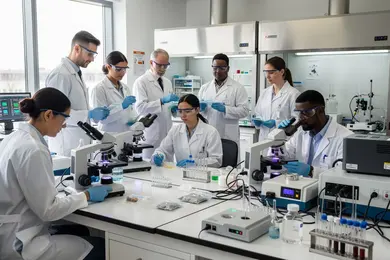
However, one practical challenge remains: replicating hands-on lab experience remotely. Many programs require partnerships with local laboratories or supervised internships to meet certification standards, presenting logistical obstacles for some students. Balancing rigorous coursework with real-world training demands strategic planning to fulfill employer expectations for applied knowledge and technical skill mastery.
For prospective students weighing educational options, understanding these operational tradeoffs is crucial. This is particularly true when evaluating how an online forensic science degree curriculum aligns with your career goals and the realities of evolving forensic practices. For those considering adjacent fields, exploring a degree in library science may offer alternative pathways with distinct professional outcomes.
How long do online forensic science degrees take and what do they cost?
Completing an online forensic science degree requires careful consideration of time commitments and practical skill acquisition. Bachelor's programs generally span four years, consistent with typical undergraduate timelines, but accelerated tracks demand intense workloads that may not suit working professionals balancing jobs and other obligations. Graduate degrees usually last two years full time, yet part-time options can significantly prolong completion, affecting career timelines and earning potential.
Financially, annual tuition averages around $15,000 for online undergraduate forensic science or crime scene programs, making them competitively affordable within STEM fields. However, candidates must factor in additional costs for textbooks, specialized software, and essential lab kits, which are often excluded from base tuition yet vital for hands-on competencies. Employers prioritize demonstrated lab proficiency and analytical skills, frequently obtained through required residencies or partnerships with local labs, introducing travel and scheduling challenges that online students must manage.
Choosing between online and in-person formats involves tradeoffs: on-campus programs may present higher direct costs and living expenses but can expedite degree completion and facilitate richer networking, potentially leading to faster job placement and salary growth. Forensic professionals facing time-sensitive certification or security clearance requirements need to weigh these factors carefully as degree length impacts career trajectory.
- Working professionals should evaluate opportunity costs of extended part-time study against income loss.
- Hands-on experience requirements can limit fully remote completion and incur additional expenses.
- Program affordability varies widely once ancillary fees and resources are considered.
What are the admission requirements for online forensic science programs?
Admission into online forensic science programs hinges on meeting foundational academic criteria that reflect the technical rigor of the field. A high school diploma or equivalent is universally required, but competitive programs expect prerequisites in biology, chemistry, or criminal justice and often enforce minimum GPAs of 2.5 to 3.0. These standards connect directly to workforce readiness, as forensic roles demand both scientific knowledge and analytical precision.
Some programs continue to require SAT or ACT scores, primarily to gauge quantitative aptitude, though this is becoming less common. For professionals shifting careers, relevant law enforcement or laboratory experience can sometimes substitute formal academic prerequisites, offering a practical pathway that balances credentials with applied skills.
Letters of recommendation and personal statements function as key assessment tools, providing insight into candidates' technical capability and motivation to specialize in high-demand areas like digital forensics or crime scene investigation. The fast growth projected in forensic employment - nearly 13% annually through 2028 according to MarketsandMarkets data cited by Forensic Magazine - makes these tracks especially strategic but also more demanding in terms of IT knowledge and background compliance.
Applicants must also prepare for background checks, which can limit entry if past legal issues exist. Program selection should weigh discipline focus and admission barriers carefully, as digital forensic roles typically prioritize IT foundations over traditional crime scene expertise, impacting long-term employability and career trajectory.
What stable forensic science careers can you pursue with an online degree?
An online degree in forensic science offers access to specialized roles like forensic analyst, crime lab technician, and digital forensics investigator, each demanding targeted skills such as evidence analysis and cybercrime investigation. However, federal employers increasingly require security clearances and hands-on experience that online programs alone may not provide, often necessitating in-person internships or lab work to meet eligibility criteria.
Salary differences across government sectors illustrate the workforce dynamics within forensic science. Federal positions average $119,630 annually, reflecting the complexity and scrutiny these roles entail, while state and local government roles are closer to $69,540 and $73,860, respectively. This wage gap signals the premium on certifications, background checks, and specialized competencies typical at the federal level.
Career stability is tied to leveraging foundational online learning alongside practical training. Candidates must carefully weigh the availability of supplemental, clinical, or field-based experiences, particularly if targeting federal roles or emerging niches like biometric analysis and forensic chemistry. The path often requires balancing the convenience of online education with networking and internship opportunities critical to positioning in a competitive labor market.
- Online programs address core competencies but may lack required fieldwork components for some certifications
- Federal forensic positions demand more rigorous vetting and hands-on skills than many online curricula offer
- Specializing in cyber-forensics or biometric analysis can improve employability in higher-paying markets
How much do forensic science professionals earn and what affects their salary?
Salary progression in forensic science is tightly linked to credential level, with master's degrees becoming essential for meaningful wage growth and access to specialized roles. Entry-level forensic technicians typically earn near $55,000 in local or state labs, but federal positions and niche areas-such as forensic pathology or digital forensics-frequently exceed $100,000 annually. This disparity reflects a hiring landscape where graduate education significantly expands both opportunity and earning potential.
Employers increasingly require advanced degrees not just as a preference but as a baseline, especially in federally funded agencies and private forensic service providers. This credential escalation creates distinct tradeoffs: pursuing a master's involves time and financial investment yet opens doors to supervisory and forensic specialist roles that can surpass $90,000 per year. Without it, salary ceilings are common and career mobility is limited.
Location and certification also influence compensation. Forensic scientists working in metropolitan hubs like Washington, D.C. or California can expect 15-30% higher pay than peers in lower-cost or rural areas. Furthermore, certifications from recognized bodies such as the American Board of Criminalistics enhance candidates' leverage in salary negotiations.
Working professionals weighing a master's degree should consider these factors alongside personal circumstances. The degree's prominence in the workforce means those aiming for advanced roles must balance upfront costs against long-term stability and elevated earning power, as fewer employers accept candidates without graduate-level training.
What is the job outlook for forensic science careers and demand for specialists?
Forensic science technician positions in the U.S. are shaped predominantly by workforce turnover rather than expansion. The U.S. Bureau of Labor Statistics projects approximately 2,700-2,900 annual openings over the next decade, mostly triggered by retirements and lateral moves. This implies a replacement-driven market where technical proficiency and practical lab experience are essential to secure opportunities.
Employers, particularly in state and local government forensic labs, demand candidates who demonstrate both hands-on skills with laboratory techniques and adaptability to budget constraints and evolving digital evidence methodologies. Graduates relying solely on entry-level analysis skills without additional certifications or STEM-related competencies often face limited upward mobility.
Strategic career positioning involves integrating cross-disciplinary expertise such as data analytics or cybersecurity forensic specialization. Forensic science programs emphasizing internships and applied practicum experiences near metropolitan forensic hubs better align with employer expectations, as remote study does not offset the need for in-person training.
- The roughly 2,700-2,900 positions annually mainly replace retiring personnel rather than creating net new roles
- Employers prioritize candidates with practical, cost-effective workflow skills suited to constrained budgets
- Entry-level graduates without certifications or STEM proficiencies may encounter stagnation without further specialization
- Proximity to forensic infrastructure and access to on-site internships significantly improve employment prospects
Understanding these dynamics helps students and professionals decide on forensic science pathways with realistic expectations about job competition, the critical value of experiential learning, and the strategic advantage of diversified skill sets.
How can you choose a reputable, accredited online forensic science program in the U.S.?
Accreditation significantly impacts forensic science degree value, as employers prioritize graduates from programs recognized by bodies like the Forensic Science Education Programs Accreditation Commission (FEPAC) or regional accreditors such as the Higher Learning Commission. Non-accredited programs often lack critical laboratory and hands-on components-a deficit that limits job prospects in forensic labs or law enforcement. Practical experience, whether through hybrid formats, internships, or simulation labs, is essential given the hands-on nature of forensic work.
Graduate outcomes provide a useful gauge of program efficacy. Programs integrating digital and multimedia forensic skills better prepare students for roles tied to cybersecurity and information security analysis, sectors projected by the U.S. Bureau of Labor Statistics to grow 29% from 2024 to 2034 with median salaries around $124,910. Those ignoring evolving digital evidence techniques risk leaving graduates underprepared for this swiftly changing domain.
State authorization and licensing requirements impose logistical constraints; some online degrees don't fully support local certifications necessary for forensic employment. Core curriculum should encompass biology, chemistry, criminal justice, data analysis, and advanced digital forensics to ensure broad readiness.
Aligning faculty expertise with targeted forensic niches-whether crime scene investigation or cybersecurity-is critical. Real-world employer feedback and alumni employment data serve as vital measures of skill relevance and hiring likelihood. Without this due diligence, students face costly misalignment between education and forensic career realities.
Other Things You Should Know About Forensic Science
Online degrees vary widely in how well they prepare students for workforce demands. Programs emphasizing applied learning, internships, or industry certifications produce graduates with stronger practical abilities and higher job placement rates. Students should evaluate whether the program's structure includes explicit pathways to field experience and employer networks, which are critical for overcoming the virtual format's limitations and ensuring they meet employer expectations for technical proficiency.
Online forensic science degrees often require superior self-discipline and time management because of asynchronous coursework and complex material. The workload typically includes extensive reading, data analysis, and report writing alongside labs or simulation exercises, demanding consistent, focused effort. Students who underestimate these demands risk falling behind, so choosing a program with defined pacing, clear milestones, and robust student support is advisable to maintain progress and mastery.
Many online forensic science bachelor’s programs require 120 total credit hours and include a practicum, lab component, or internship of 120 to 240 hours. For jobs involving evidence handling, employers often expect supervised field exposure plus a background check before placement in a crime lab or related agency.
References
- Careers in Forensic Science https://www.aafs.org/careers-forensic-science
- Forensic Scientist Salary: State-by-State Median Guide https://www.allcriminaljusticeschools.com/forensics/salary/
- The Forensic Science Jobs You Can Pursue with Qualifications https://www.stonebridge.uk.com/blog/distance-learning/the-forensic-science-jobs-you-can-pursue-with-qualifications/
- How Much Does A Forensic Scientist Make? A Salary Overview https://www.salemu.edu/blog/how-much-does-forensic-scientist-make/
- Careers in Forensic Science - Careers in Forensics https://www.forensicscolleges.com/careers
- List of Bachelors in Forensic Science Programs - Campus & Online https://yescollege.com/degrees/bachelors-in-forensic-science/
- Guide To Forensic Science Careers | LearnHowtoBecome.org https://www.learnhowtobecome.org/career-resource-center/forensic-science-careers/
- Online Forensic Science Degrees | OnlineColleges.net https://www.onlinecolleges.net/degrees/forensic-science/
- Online Forensic Science Degree https://www.aiuniv.edu/degrees/criminal-justice/bachelors-forensic-science