2027 Best Online Bachelor's in Forensic Science for Graduate Study Preparation

Co-Founder and Chief Data Scientist
Forensic science professionals frequently confront the dilemma of advancing their education without interrupting demanding work schedules or relocations tied to casework and lab responsibilities. Nearly 60% of adult learners in higher education now pursue online degree options, according to the National Center for Education Statistics, a shift that signals growing reliance on flexible, remote programs.
This trend matters deeply for forensic science students aiming to enter graduate study; rigid on-campus requirements no longer align with the workforce's unpredictable hours or geographic constraints. This article evaluates top online bachelor's programs tailored to rigorous graduate preparation, helping readers pinpoint programs that balance academic depth, accessibility, and career mobility effectively.
Key Things You Should Know
- Employment data from the U.S. Bureau of Labor Statistics shows forensic science technician positions grew just 3% from 2022 to 2032, necessitating programs that emphasize advanced laboratory skills to improve candidate differentiation.
- The average cost of accredited online bachelor's degrees in forensic science exceeds $32,000, demanding strategic consideration of return on investment especially given that many forensic roles require graduate degrees for advanced assignments.
- Employer preference increasingly prioritizes candidates with hands-on experience and formal graduate study preparation, creating a tension for undergraduates to balance immediate workforce entry against longer-term competitive advantage.
What makes an online bachelor's in forensic science a strong pathway to graduate study?
Choosing an online bachelor's in forensic science for graduate school preparation often hinges on whether the program balances technical rigor with applied skills relevant to evolving labor demands. This educational path integrates biology, chemistry, and criminal justice with emerging areas like digital investigations and computer forensics, creating a foundation attractive to employers and graduate programs alike.
Many working professionals find that the online format mitigates logistical challenges, enabling continued employment while accessing specialized curriculum remotely. However, prospective students must recognize the necessity of supplementing virtual coursework with in-person internships or practicums to acquire the hands-on experience critical for advanced research and workplace readiness.
Programs emphasizing simulated labs and advanced data interpretation reinforce key competencies, yet the responsibility for bridging practical exposure often falls on the student's ability to secure relevant external placements. The median early-career salary of $89,716 reported by Arizona State University Online's computer forensics degree underscores alignment with market needs but also signals a competitive field where applied experience distinguishes candidates.
Successful progression requires understanding forensic technologies, statistical analysis, and complex legal frameworks, which collectively prepare students to manage emerging digital crime challenges and ethical research standards. Evaluating program accreditation and professional network access is essential to maximize these benefits.
For those assessing career trajectories, reviewing data on the forensic science career landscape provides critical context for weighing the benefits of an online forensic science degree for advanced studies and making an informed commitment.
How do online and campus-based bachelor's programs in forensic science compare academically?
Choosing between online and campus-based bachelor's programs in forensic science requires weighing practical skill acquisition against scheduling and location flexibility. While online forensic science bachelor's academic comparison shows core curricula are similar-covering crime scene investigation, forensic biology, and analytical chemistry-online formats rely heavily on virtual labs. This limits direct faculty-guided hands-on training, such as DNA sequencing and toxicology analysis, which campus programs integrate extensively with access to specialized equipment.
Campus versus online forensic science degree rigor matters for graduate study prospects and initial employment. Approximately 57% of forensic science technicians hold bachelor's degrees, but nearly 15% pursue master's or higher, reflecting how undergraduate program quality impacts further education. Campus students often benefit from embedded research projects and internships that strengthen applications, whereas online students must arrange local practical opportunities independently.
For working professionals, an online program offers theory-focused coursework compatible with full-time jobs but demands strategic planning for hands-on experience. Recent graduates attending campus programs encounter relocation and scheduling tradeoffs but gain structured lab exposure. Employers generally prefer candidates with verified lab experience, and graduate admissions may scrutinize online students' documented practical work more rigorously.
The pragmatics of workforce entry also involve understanding related roles and compensation. Those exploring forensic pathways should consider factors impacting autopsy tech salary, with detailed information available at autopsy tech salary.
Which online bachelor's in forensic science meet essential accreditation and quality standards?
Accreditation remains the defining factor in assessing online bachelor's programs in forensic science that meet industry expectations and quality criteria for online forensic science bachelor's programs. Regional accreditation from bodies like the Higher Learning Commission or FEPAC-aligned coursework ensures curricular rigor and functional relevance, particularly important for a field reliant on scientific precision and legal standards. Choosing a program without such standards often limits graduates' acceptance into graduate school or restricts their pathways to professional certification and state licensure.
Consider a working professional shifting from a general science background into forensic science: enrolling in a program lacking accreditation or FEPAC adherence risks creating substantial hurdles when applying to graduate programs or securing employment. Conversely, programs meeting recognized accreditation standards provide graduates a smoother transition and enhance employer recognition. Practical immersion, such as labs that conform to American Academy of Forensic Sciences protocols, also strengthens readiness for both workplace demands and advanced study.
Given the projected 12.8% employment growth for crime scene investigators through 2026, prioritizing program quality safeguards against diminished career prospects. The alignment of curriculum with real-world forensic science workflows and employer expectations is critical for both novice entrants and those seeking a strategic pivot.
For those comparing costs and career outcomes across disciplines, exploring resources on online animal science degree salary can provide useful benchmarks for understanding market-driven returns on investment in science-related bachelor's degrees.
What admission requirements and prior preparation are expected for online forensic science majors?
Admission criteria for online forensic science programs impose clear prerequisites that align with both academic rigor and practical workforce demands. Candidates must present foundational coursework in biology, chemistry, and math-typically two years of high school-level science and algebra-to ensure readiness for advanced lab techniques and forensic analysis tools. Meeting a GPA threshold near 2.5 to 3.0 is common, serving as a checkpoint for processing complex criminalistics concepts and evidence management.
Standardized tests are often optional but remain in use at some institutions to verify quantitative reasoning skills. Applicants with backgrounds in criminal justice, criminology, or digital technologies possess distinct advantages because forensic science majors require competence in crime scene protocols, chain of custody, and basic programming for digital forensics. For example, a student who has worked in a law enforcement support role may transition more smoothly than one without relevant experience.
Logistical obstacles are significant, as online forensic science majors must secure access to local labs or internships for hands-on practice-an essential element unavailable in virtual classrooms alone. This requirement impacts timelines and certification eligibility, emphasizing the need for careful planning before enrollment.
Employers increasingly value graduates who complement their degrees with certifications or volunteer forensic lab work. Such direct experience enhances employability and mirrors earnings data showing that top online forensic and digital investigation bachelor's degree holders can command median salaries near $90,000 within a few years of graduation. Prospective students weighing educational options might also consider parallel pathways like an online degree in exercise science as a strategic alternative depending on their career goals.
What core courses and lab experiences are included in online forensic science curricula?
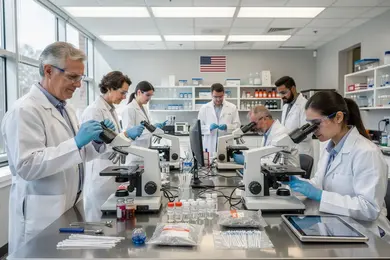
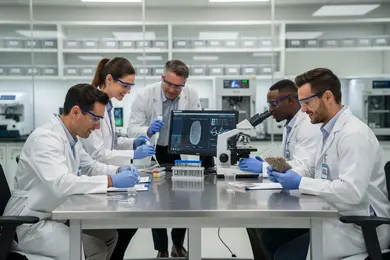
Online forensic science programs face significant challenges replicating the depth of hands-on laboratory training essential for employment readiness. While foundational courses cover forensic biology, chemistry, and crime scene investigation to establish core technical knowledge, practical competencies hinge on effective lab experience. Employers in crime labs and law enforcement demand verified skills in areas like blood spatter analysis, fingerprint development, and DNA extraction, often acquired through supervised, in-person methods that many online tracks struggle to replicate fully.
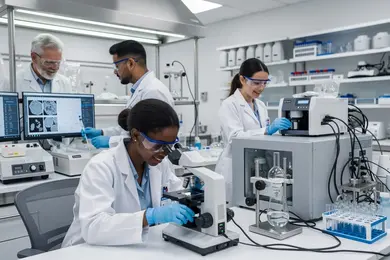
Programs commonly compensate with virtual labs, detailed procedural videos, and remote assignments focusing on instruments such as gas chromatography-mass spectrometry and forensic microscopy. However, these alternatives introduce tradeoffs: students gain convenience and cost efficiency, with average tuition roughly $14,688 annually, yet risk weaker preparedness for roles requiring immediate technical certification or extensive evidence handling under stringent chain-of-custody protocols.
Prospective students should critically assess how an online forensic science curriculum integrates live supervision or hybrid models to ensure authentic skill mastery. The absence of robust lab access may prolong time to proficiency, impacting employability where precise analytical accuracy and error mitigation directly affect case outcomes. Given the forensic field's operational rigor, programs falling below comparable tuition levels might lack necessary resources to deliver comprehensive applied training.
Key practical considerations include:
- Verification of hands-on or live-supervised lab components
- Alignment with recognized technical certifications relevant to employer expectations
- Balance between convenient delivery and proven skill acquisition
How long do online forensic science bachelor's programs take and what do they cost?
Completion timelines and specialization choices in online forensic science bachelor's programs significantly influence their practical value. While a standard full-time track spans four years, accelerated options can reduce this to three years through intensive coursework and credit transfers. Conversely, part-time enrollment frequently extends study to six years or beyond, a crucial factor for working professionals balancing education with employment.
Tuition costs vary widely: in-state public students might pay $6,000 to $15,000 annually, whereas out-of-state or private institutions charge $20,000 to $40,000 per year, translating to total expenses from about $24,000 up to $160,000. These disparities affect strategic decisions, particularly for those with budget constraints or funding timelines.
Graduates entering the workforce benefit from specialized tracks-such as criminal justice, biology, or chemistry-since employers prefer candidates with targeted expertise tailored to roles in law enforcement labs or medical examiner offices. However, such specialization often demands additional lab credits or internships, extending program length and increasing costs.
For example, a professional pivoting mid-career toward forensic toxicology might accept a longer duration and higher cost to gain relevant industry skills, thereby enhancing job prospects and salary potential. This tradeoff underscores the importance of aligning academic choices with long-term employment outcomes.
- Program length ranges from three to six years depending on enrollment status and specialization.
- Costs vary by residency and institution type, spanning $24,000 to $160,000 total.
- Specializations improve workforce alignment but may increase duration and expenses.
VocationalTrainingHQ's data highlights these trends, emphasizing that specialized curricula influence both graduate preparedness and financial commitments.
What forensic science career paths and job roles can this bachelor's support?
A bachelor's degree in forensic science positions graduates for technically demanding roles such as forensic laboratory analyst, crime scene investigator, or forensic toxicologist, each requiring precise mastery of laboratory techniques and legal protocols. For example, a forensic lab analyst in a state crime lab must navigate sample analysis under strict chain-of-custody standards while maintaining technical accuracy. The degree also opens routes into law enforcement agencies as forensic technicians or evidence custodians, though entry-level candidates benefit significantly from internships or related field experience to meet employer expectations.
Professionals pursuing this degree while working face the complex challenge of reconciling intensive science coursework with irregular shifts common in the criminal justice sector. Those targeting cybersecurity or digital forensics roles should recognize that supplemental IT certifications are practically mandatory for competitive employment.
Financially, standardized tuition models like Columbia Southern University's 2025 rate of $278 per credit hour, with reductions for active-duty military, lower economic barriers, but students must weigh this against limited scheduling flexibility and the demanding curriculum. Ultimately, the degree's value is maximized when paired with experiential learning and a strategic approach to specialized certifications aligned with target roles.
What salary ranges and earning potential are typical for forensic science graduates?
Starting salaries for bachelor's degree holders in forensic science generally range from $45,000 to $60,000 annually, with median earnings near $58,000 as reported by the U.S. Bureau of Labor Statistics. Entry-level roles in laboratory analysis or crime scene investigation fall within this spectrum but expect a notable increase with experience and specialization. For instance, forensic toxicologists and DNA analysts with 5 to 10 years of expertise often see salaries rise to between $75,000 and $90,000. Federal employment, such as positions at the FBI or DEA, typically offers starting salaries near $55,000 but can exceed $100,000 after promotions and tenure.
Salary progression varies significantly based on geographic location, employer type, and job function. State and local crime labs usually have tighter budgets, leading to lower pay and slower career advancement compared to federal agencies or private forensic consulting firms. This necessitates weighing immediate salary needs against long-term growth and benefits.
Professionals concentrating on specialized areas like digital forensics or forensic accounting may command premium early-career salaries over $85,000 due to market demand, particularly in private industry and law enforcement. Moreover, acquiring applied skills-such as forensic software proficiency, court testimony experience, or management capabilities-substantially improves employability and salary potential.
While online forensic science programs report high student satisfaction rates, prospective students should critically evaluate whether their curriculum offers the practical, interdisciplinary skills that employers consistently prioritize in competitive hiring environments.
What certifications or professional standards matter for forensic scientists in the U.S.?
Certification is a decisive factor in advancing within the U.S. forensic science workforce, directly influencing employability and job scope. Agencies such as federal crime labs explicitly prioritize candidates holding certifications from the American Board of Criminalistics (ABC) or the American Academy of Forensic Sciences (AAFS), particularly when adhering to the FBI's Quality Assurance Standards (QAS). Without such credentials, forensic professionals are often confined to entry-level roles with limited investigative or courtroom responsibilities.
State-specific licensure requirements add another layer of complexity, especially for specialists in controlled substance analysis or firearm/toolmark examination, making targeted certification alignment critical. Employers consistently seek candidates demonstrating both technical competence and adherence to standardized protocols.
The pathway through education requires careful consideration beyond degree completion timelines. Although online forensic science degrees can parallel on-campus programs in duration, students must confirm that their curriculum thoroughly prepares them for certification exams. Failure to do so frequently leads to additional courses, redundant training, or exam retakes-delays that impact career entry and upward mobility.
Maintaining certification demands ongoing professional development units (PDUs), ensuring practitioners stay current with evolving forensic methods and legal standards. Lapses in certification renewal can disrupt professional credibility and employment continuity. Prospective students and professionals should weigh these requirements and practical tradeoffs, prioritizing programs integrating supervised experience and certification-ready curriculums aligned with jurisdictional standards.
How should students evaluate and choose a reputable online forensic science program?
Forensic science programs must be evaluated through a lens of practical outcomes rather than institutional prestige alone. Accreditation by bodies like the Forensic Science Education Programs Accreditation Commission (FEPAC) signals that curriculum and faculty qualifications meet industry standards vital for credentialing and employer requirements. However, accreditation alone does not guarantee program value; prospective students need to scrutinize faculty expertise for current methodologies and research productivity that directly influence the relevance of training.
Program design that integrates virtual labs, case analyses, and internships with forensic agencies or law enforcement strongly correlates with graduates' hands-on competence, impacting job readiness and earning potential. For example, graduates moving into clinical trial management roles report median salaries of $167,220 with steady growth at 3.7%, illustrating tangible returns of specialized advanced forensic knowledge as per ASU Online's 2026 career data.
Career changers should consider program flexibility and support services-technical assistance, advising, and career placement-that reduce risks of delays and attrition. Comparing tuition costs against projected salary outcomes is necessary for assessing return on investment, especially for mid-career professionals balancing financial constraints.
Because forensic certification and employment often demand state-specific licensing, students must verify curriculum currency regarding evolving forensic technologies, data privacy rules, and geographic compliance. Employers value candidates proficient in forensic tools, statistical software, and legal protocols, making these factors critical in educational choices.
Other Things You Should Know About Forensic Science
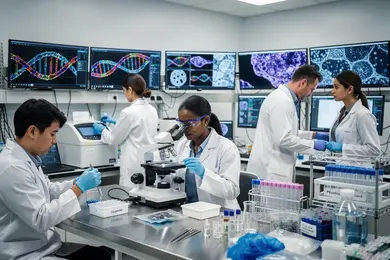
Hands-on lab work is essential for developing practical skills critical to advanced forensic science study and employment. Online programs lacking adequate laboratory components can limit your ability to perform technical analyses expected at the graduate level. When choosing a program, prioritize those that offer in-person lab intensives, virtual simulations with strong assessment protocols, or partnerships with local labs to ensure you meet these practical requirements.
Online forensic science degrees often demand more self-discipline due to asynchronous lectures, lab scheduling, and extensive reading. Balancing coursework with lab assignments and research tasks requires advanced time management skills. Students should realistically assess their capacity to commit consistent weekly hours, especially if juggling work or family, to avoid falling behind in programs that move at a fast academic pace.
Many forensic science master’s programs still use the GRE, and competitive applicants often score 300 or higher combined, with stronger quantitative results preferred for laboratory and research tracks. Some programs waive the test in 2027, but applicants should verify each department’s policy before applying.
References
- How Much Does A Forensic Scientist Make? A Salary Overview https://www.salemu.edu/blog/how-much-does-forensic-scientist-make/
- Top Online Forensic Science Degree Programs https://www.forensicscolleges.com/online
- 15 Best Bachelor's In Forensic Science Degrees https://www.criminaljusticedegreeschools.com/rankings/best-bachelors-forensic-science/
- Bachelor's in Forensic Science https://www.ccis.edu/degrees/forensic-science-bachelor
- Careers in Forensic Science https://www.aafs.org/careers-forensic-science
- European Forensic Institute Bachelor's and Masters programmes https://eufor.eu/programmes/
- Forensic Science Course Salary: What Can You Earn? https://purchase.andlight.dk/andlight-news/forensic-science-course-salary-what-can-you-earn-1767648256
- Criminal Justice Careers in Forensic Science and Investigations https://www.shawnee.edu/blog/criminal-justice-careers-in-forensic-science-and-investigations
- Forensic Science Degree https://www.baypath.edu/academics/undergraduate-programs/forensic-science/