2027 Online Forensic Science Degrees That Maximize Community College Credits

Co-Founder and Chief Data Scientist
Working professionals aiming to enter forensic science often confront a costly and time-intensive credentialing process that lacks flexibility for prior community college credits. This bottleneck disproportionately affects those balancing workplace demands with education, particularly as the U.S. Department of Education reports a 12% surge in adult online learners since 2024, signaling a growing preference but also heightened competition for streamlined pathways.
Such pressure demands programs that honor transferable credits while maintaining rigorous accreditation standards employers require. This article evaluates online forensic science degree programs designed to maximize community college credits, helping prospective students navigate credit articulation and expedite their qualifications efficiently without sacrificing quality.
Key Things You Should Know
- Only 52% of online forensic science degree programs maximize community college credit transfers, leading to up to 30% longer completion times and elevated costs, according to a 2024 National Center for Education Statistics analysis.
- Employers prioritize hands-on lab experience often absent in fully online paths, causing candidates relying heavily on transferred credits to face a 15% lower interview-to-hire conversion rate based on Society of Forensic Sciences workforce surveys.
- Programs compressing core forensic coursework to fit credit limits improve affordability but risk superficial skill development, increasing reliance on costly postdegree certifications to meet workplace competency benchmarks reported by Bureau of Labor Statistics.
How do online forensic science degrees maximize transfer credits from community colleges?
Maximizing transfer credits from community colleges is a critical factor for students pursuing online forensic science degree programs that maximize transfer credits from community colleges in the United States. Programs that align general education and foundational science courses with community college curricula can deliver upward of 60 applied credits, accelerating degree completion and reducing financial burden.
A significant challenge lies in lab science credits; robust online programs address this with virtual labs, hybrid agreements, or competency exams, ensuring hands-on experience, such as completed organic chemistry labs, translates into full credit rather than redundant coursework. The industry's growth, with forensic science technician roles projected to increase 13% through 2034, intensifies pressure on programs to refine transfer eligibility.
Yet most limit transfers to credits earned within five years, and prerequisites like calculus or statistics require detailed syllabus alignment, posing hurdles for potential transfers. Students should take pragmatic steps to navigate these policies effectively:
- Obtain official course outlines from community colleges to verify alignment with bachelor's degree requirements
- Request early credit evaluations to identify non-transferable courses and plan additional study accordingly
- Confirm if prior lab skills or certifications can substitute for in-person labs, a frequent barrier to credit acceptance
These considerations carry significant workforce implications, as accelerated credentialing can impact hiring decisions for government and private forensic science technician roles. Evaluating programs with the best transfer credit policies for online forensic science degrees in community college partnerships can guide students toward more efficient and cost-effective pathways. For a detailed overview of such programs, explore options for a forensic science bachelor degree online.
What types of online forensic science degrees can you earn after community college?
Bachelor's degrees in forensic science available after community college play a pivotal role for students seeking to optimize cost and time without sacrificing specialization depth. Programs often accept up to 60 transfer credits, making degrees from institutions like Tidewater Community College, where an associate degree costs $11,306 in-state-an accessible foundation. This transfer pathway is critical in the landscape of the best online forensic science programs accepting community college credits.
Specializations such as forensic biology, chemistry, digital forensics, and forensic psychology address employer demands that prioritize both domain expertise and technical proficiency. For example, crime lab analyst roles frequently require a forensic biology focus, while digital forensics aligns with cybersecurity positions in law enforcement. Candidates with a forensic technology or criminal justice concentration may face limited access to lab-based roles, often necessitating additional education.
Planning transfers strategically with advisors familiar with forensic science curricula reduces wasted credits and supports smoother progression. Working professionals aiming for a career pivot must balance the flexibility of online learning against the essential hands-on lab experience, which can sometimes be fulfilled through university partnerships or local internships. Virtual labs and simulation software are increasingly bridging this gap, enhancing remote skill acquisition.
For those examining advanced education, combine this forensic science pathway with options including an online master's in data science to expand analytical capabilities highly valued in forensic investigations.
How do online and campus-based forensic science programs compare for flexibility and quality?
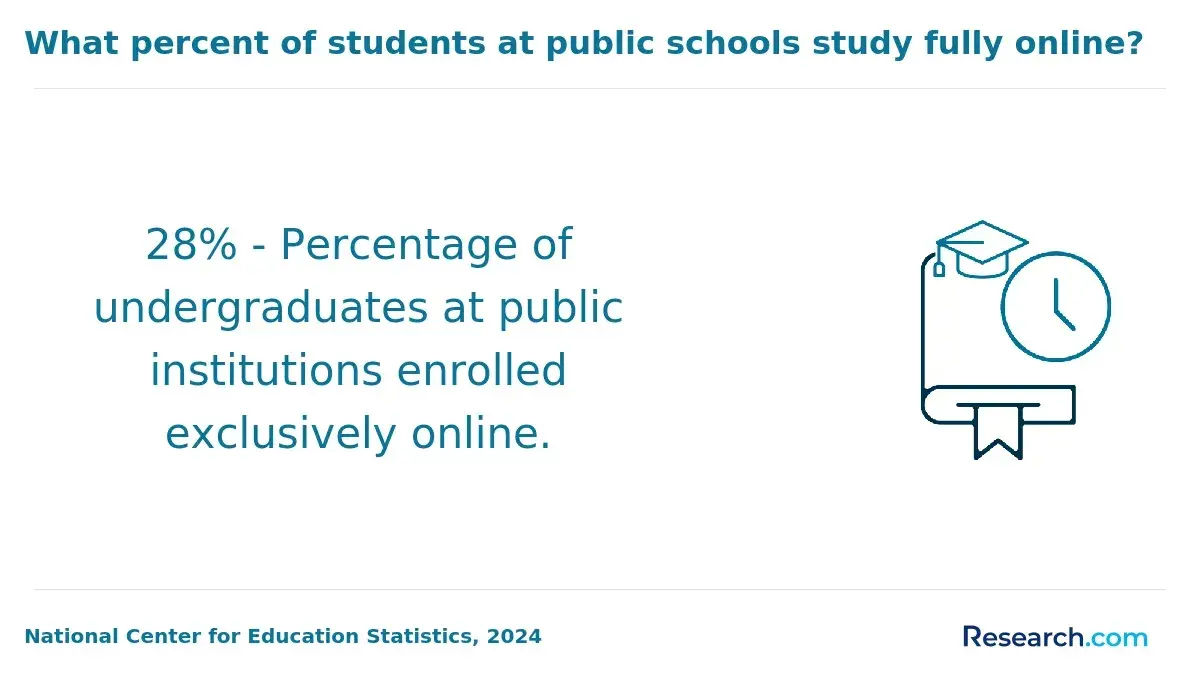
Choosing between campus and online options for a forensic science degree involves balancing the need for hands-on technical skill against scheduling flexibility. Online forensic science degree flexibility is advantageous for working professionals managing employment or family demands, allowing asynchronous coursework. However, online programs frequently rely on virtual labs that cannot replicate the variability or complexity of physical samples.
Campus-based programs compensate with concentrated lab sessions, direct access to specialized equipment, and face-to-face instructor engagement. These elements are critical when building practical competencies valued by criminal justice labs or federal agencies. Yet, rigid attendance requirements and commuting can extend time to degree completion for students balancing multiple responsibilities.
Hybrid models offer a practical middle ground by combining online theory with scheduled in-person labs, maximizing credit transfers from community colleges while preserving critical experiential learning. Professionals should verify that online credits meet accreditation standards recognized by employers and that any campus components include internships or cooperative experiences linked directly to job functions.
Forensic science technician roles with relevant associate degrees report median wages near $67,440, reflecting employer emphasis on both knowledge and validated technical skill. Programs with seamless articulation agreements support timely workforce entry. Those evaluating educational pathways should also consider broader options; for example, pursuing an accelerated bachelor's degree computer science online might complement forensic science expertise and open alternative career trajectories.
What accreditation should online forensic science programs have to be recognized by employers?
Employers in forensic science require degrees from programs accredited by recognized regional bodies, such as the Higher Learning Commission (HLC) or the Southern Association of Colleges and Schools Commission on Colleges (SACSCOC), to ensure academic rigor and workforce readiness. Graduates from unaccredited programs face barriers, including ineligibility for federal forensic roles and rejection in labs that require accredited credentials.
Specialized accreditation like FEPAC is uncommon but can enhance a program's credibility; however, regional accreditation remains the essential standard for employer recognition. Students transferring community college credits must confirm regional accreditation to secure credit applicability toward bachelor's degrees. This is critical given the rising baseline requirement for forensic science jobs-a bachelor's degree-even for experienced workers.
Failure to verify accreditation can nullify transferability, delaying degree completion and entry into the field. Typical online forensic science program costs range from $35,000 to $68,000, with per-credit prices between $290 and $510. Given this investment, accreditation assures not only employer acceptance but also eligibility for professional certifications that influence career trajectory and job stability.
The real-world impact of accreditation extends to stringent credential evaluations by forensic employers, particularly for positions involving evidence analysis or court testimony. Working professionals evaluating options should also consider closely related fields and pathways; for example, those weighing program choices might review the online library science master's as a complementary or alternative graduate option aligned with investigative and analytical career goals.
What admission requirements do online forensic science programs have for transfer students?
Transfer students pursuing online forensic science programs face a nuanced admissions landscape that heavily prioritizes prior coursework alignment and standardized proof of STEM competency. A minimum cumulative GPA of 2.5 is typical, but more critical is how completed credits correspond to prerequisite courses in biology, chemistry, and statistics, foundations essential for advanced forensic modules.
Candidates with 12-24 semester credits focused on science and math can often bypass introductory requirements, yet lacking specific organic chemistry or molecular biology courses often trigger additional coursework mandates. Admissions offices routinely require detailed course-by-course evaluations, including syllabi, particularly for credits from community colleges, which can delay enrollment and impact credit transfer efficiency.
This reevaluation creates a real-world friction point: acceptance may be conditional, necessitating extra classes or exams that extend time and cost. Standardized test scores remain an important admission element when STEM prerequisites are incomplete, although substantial prior college work can exempt applicants.
Relevant professional lab experience or certifications may bolster an application but rarely substitute formal academic requirements, aligning with employer demands for technical proficiency in forensic toxicology and DNA analysis, fields with notable job growth as noted by Forensics Colleges. These transfer conditions reflect broader workforce expectations, where employers seek candidates with robust technical foundations to meet expanding forensic science responsibilities, minimizing extended time to degree.
What core courses and specializations are offered in online forensic science degrees?
Employers in forensic science expect graduates from online programs to demonstrate technical expertise rooted in core disciplines such as criminalistics, forensic chemistry, and biology. This foundation enables accurate crime scene analysis and legal support, but hands-on laboratory experience remains a frequent gap due to limited in-person components in online formats. Prospective students must weigh this limitation against program accessibility and seek options offering local lab partnerships or simulated experiences.
Specialized tracks align directly with market needs and affect employability. For example, a digital forensics focus addresses cybercrime investigations crucial for law enforcement agencies, while forensic chemistry supports drug analysis in state toxicology labs. Choosing a specialization should consider local job market demands and potential career paths, as workforce needs vary significantly across regions.
Transfer-friendly associate degrees, like the one at Prince George's Community College requiring 60 credits, can minimize redundant coursework and shorten time to a bachelor's degree. However, inconsistencies in credit acceptance present hurdles. Students must actively verify how core and elective credits transfer to intended four-year programs to avoid delays or additional costs. This transfer complexity often impacts working professionals juggling education and employment.
To enhance job readiness, students should plan for applied learning beyond coursework, securing internships or practicums post-graduation. Without such experience, graduates risk falling short of forensic labs' expectations where both theoretical knowledge and practical proficiency are essential.
How long do online forensic science degrees take and what do they cost?
Choosing an online forensic science degree involves balancing time, cost, and workforce alignment to avoid extending education without clear career returns. Students entering with substantial community college credits can halve the usual four-year timeline, completing bachelor's degrees in roughly two years. This acceleration not only reduces tuition expenses-which range broadly from $15,000 to $40,000 depending on credit transfer efficiency-but also hastens entry into forensic roles that commonly require a bachelor's and field experience.
Part-time enrollment, often necessary for working professionals, tends to double program duration. Such extended timelines may delay critical job market entry where average forensic scientist salaries hover around $62,325 nationally, with detective roles higher at $81,302. Therefore, minimizing time to degree by maximizing credit transfers can materially improve earning potential and career trajectory.
Students should scrutinize program design-fully online versus hybrid-as some forensic science components, including labs or proctored exams, may mandate occasional in-person participation, driving up incidental costs and logistical challenges. Budgeting must also include materials and potential certification fees, which are essential but often overlooked expenses.
- Verify articulation agreements between community colleges and forensic science programs to optimize credit transfer.
- Evaluate whether part-time study fits your professional schedule without compromising degree momentum.
- Consider total net cost against realistic salary outcomes rather than list price alone.
This practical approach helps in making a more informed strategic investment in forensic science education, tailored to individual circumstances and market realities.
What forensic science careers are available with an online bachelor's degree?
An online bachelor's degree in forensic science positions graduates to meet the demands of roles requiring technical precision and analytical rigor, such as crime scene investigators, DNA analysts, and forensic laboratory technicians. Employers expect candidates to demonstrate applied skills beyond theoretical knowledge, particularly in instrumentation like gas chromatographs and spectrometers, critical for credible evidence analysis.
Programs with comprehensive STEM foundations, including organic chemistry, biology, calculus, and quantitative analysis, as seen in Bronx Community College's Science for Forensics A.S., better prepare students for these practical challenges. Graduates often face a gap between academic study and hands-on casework, which can slow initial workforce entry unless supplemented by internships or field practicums tailored to their geographic location.
Advancement into supervisory or specialized forensic roles frequently requires graduate education or certifications, reflecting the increasing complexity of technical and legal responsibilities. Working professionals considering a pivot must evaluate industry credential trends carefully to maintain competitive viability.
- Proficiency in both laboratory instrumentation and quantitative data interpretation is essential for evidentiary accuracy.
- Experiential learning components often dictate employability post-graduation and should be planned early.
- Additional certifications enhance prospects for roles in digital forensics or toxicology beyond entry-level technician positions.
These realities underscore that an online forensic science degree is a substantive but insufficient credential on its own; success hinges on integrating experiential learning and ongoing certification aligned with employer expectations.
What salary ranges and job outlook can forensic science graduates expect?
Salary expectations for forensic science graduates vary significantly by employer type and location, with entry-level positions at local agencies generally offering $45,000 to $60,000 annually. Federal employers such as the FBI or DEA compensate closer to the $60,000 mark initially, with median salaries reaching around $75,000 within five years based on U.S. Bureau of Labor Statistics data. This gap reflects differing resource availability, advancement speed, and required specialization.
The projected 13% job growth for forensic science technicians from 2024 to 2034 outpaces average occupational increases, driven by rising workloads in crime labs and increasing reliance on forensic technology. Colleges that tailor their curricula to practical skills like evidence processing can reduce onboarding times and meet agency demands more effectively.
Students choosing between local and federal job markets must consider tradeoffs:
- Local agencies often provide faster hiring and hands-on experience but lower salaries and slower career advancement.
- Federal roles require deeper specialization, longer vetting, and certification processes but offer higher pay and enhanced benefits.
Continuous technical training in areas such as DNA analysis or digital forensics proves essential for salary progression. Programs aligned with workforce needs, including evidence processing tasks at community colleges, give graduates an operational edge valued by employers.
How can students verify licensing, certifications, and state requirements in forensic science?
Licensing and certification processes fundamentally influence forensic science educational decisions, often more than the degree itself. Jurisdictional variations require prospective students to confirm state-specific credential requirements directly from licensing boards and certifying agencies, such as the American Board of Criminalistics or relevant state forensic commissions.
Failure to align coursework with these standards risks losing credit applicability and delaying workforce entry, particularly for transfer students leveraging community college credits. Forensic science roles like crime lab analysts typically mandate post-degree accreditation recognized within the intended employment state, making early verification essential. This prevents costly course repetition and misaligned program choices.
For context, programs such as Arizona State University's 120-credit online forensic science degree provide benchmarks for total curriculum investment, helping students evaluate whether accelerated credit paths maintain eligibility for licensure without compromising necessary science and lab components.
Practical verification steps include:
- Checking state departments of health or public safety websites for credentialing criteria.
- Consulting certification bodies to confirm recognized degree programs and required coursework.
- Reviewing employer job postings for mandated certifications linked to educational prerequisites.
Additionally, students should obtain articulation agreements from community colleges to verify that transferred credits meet official licensing requirements. Overlooking this can result in lost credits and prolonged educational timelines, undermining employability in a credential-sensitive forensic science labor market.
Other Things You Should Know About Forensic Science
Employers typically prioritize program accreditation and relevant hands-on experience over whether a forensic science degree was earned online or on campus. Many online programs partner with laboratories or require internships to provide practical exposure, which is often more important for employability. Students should verify that the online program includes sufficient lab components and fieldwork opportunities, as programs lacking these may not meet employer expectations for technical readiness.
Online forensic science degrees can cover the core knowledge needed for certifications, but practical skill development often requires additional in-person training or lab work beyond coursework. Students aiming for certifications like the American Board of Criminalistics specialty must ensure their program offers or supports access to supervised lab experiences. Choosing a program that integrates certification prep into its curriculum and facilitates hands-on practice is critical for passing these professional exams and meeting credential requirements.
Choose a program accredited by a U.S. Department of Education-recognized regional accreditor; that is the main condition most colleges use for transfer review. Forensic science programs should also follow the American Academy of Forensic Sciences’ recommended science-heavy curriculum, including chemistry, biology, and laboratory coursework.
References
- Forensic Science ǀ Sandhills Community College https://www.sandhills.edu/programs/law/forensic-science.html
- Forensic Sciences Transfer pathway at Cowley College https://cowley.edu/programs-and-degrees/science-computer-technology-engineering-and-math/forensic-sciences-transfer.html
- What Sets Us Apart | Cedar Crest College https://www.cedarcrest.edu/program/forensic-science/master/what-sets-us-apart/
- Best Forensic Science Master's Degrees Online https://www.onlinemastersdegrees.org/best-programs/criminal-justice/forensic-science/
- Forensic Science | Glendale Community College https://www.gccaz.edu/degrees-certificates/behavioral-science-and-human-services/forensic-science-3183-aas
- Associate Degrees in Forensic Science - Online & On-Campus https://www.forensicscolleges.com/programs/forensic-science/associate
- Associate in Forensic Science Degrees and Careers https://www.criminaljusticeprograms.com/specialty/associate-in-forensic-science/
- Forensic Scientist Salary: State-by-State Median Guide https://www.allcriminaljusticeschools.com/forensics/salary/
- Forensic Science Education Programs Accreditation Commission https://www.aafs.org/FEPAC