2027 How to Choose an Online Forensic Science Degree for Forensic Chemistry Careers

Co-Founder and Chief Data Scientist
Deciding on an online forensic science degree tailored for forensic chemistry careers demands rigorous scrutiny of program credibility, lab simulation quality, and alignment with evolving employer expectations. Professionals face a high-stakes balancing act: acquiring specialized chemical analysis skills while navigating the inconsistent practical training typical of remote programs.
According to the National Center for Education Statistics, over 40% of adult learners now prioritize flexible online education options that integrate hands-on applicability, signaling increased demand for programs that merge accessibility with authentic skill development crucial for forensic laboratories. This article examines key criteria for selecting online forensic science degrees, focusing on how program design impacts career readiness and advancement prospects in forensic chemistry roles.
Key Things You Should Know
- Specialized online forensic science degrees in forensic chemistry often omit hands-on laboratory components critical for accreditation, forcing graduates to seek expensive externships impacting both timeline and financial return on investment.
- Employers increasingly demand demonstrated proficiency in advanced analytical instrumentation and validated accreditation; programs lacking updated equipment training can hinder candidate competitiveness, slowing workforce entry despite degree completion.
- Programs aligned with the 2024 National Institute of Justice workforce roadmap reveal a 15% faster job placement rate, emphasizing strategic program selection's role in mitigating stagnant earning potential due to credential oversupply.
What is an online forensic science degree with a focus on forensic chemistry?
Choosing an online forensic science degree program with a concentration in forensic chemistry involves navigating specific tradeoffs tied to hands-on training and lab access. While these programs combine essential chemistry disciplines-organic, inorganic, toxicology, and instrumental analysis-with applied forensic methods, students must critically assess how virtual or local internship labs are facilitated to ensure employability.
Absence of in-person chemical analysis experience can restrict qualification for many forensic technician positions where practical proficiency with instrumentation is non-negotiable. The balance between rigorous science course loads and legal or investigative studies often dictates pacing, especially in distance learning forensic chemistry degrees for forensic science careers where scheduling flexibility is crucial for working professionals.
Degree candidates should anticipate extended program durations if fieldwork or lab sessions require on-site attendance, which influences career pivot timelines. From an employment outlook, the U.S. Bureau of Labor Statistics forecasts a 13% growth for forensic science technicians through 2034, faster than average. This growth corresponds primarily to roles demanding accredited coursework combined with internship experience and certification readiness.
Employers value programs that integrate both theoretical depth and practical application, which is sometimes challenging in fully online settings. Prospective students exploring specialized legal and chemical expertise may also find value in online forensic psychology master's offerings, expanding interdisciplinary competencies relevant in forensic contexts.
How do online forensic science programs prepare students for forensic chemistry careers?
Online forensic science degree programs for forensic chemistry must do more than deliver theoretical knowledge; they require practical alignment with laboratory standards and evidence handling protocols. Graduates face a competitive market reflected in the U.S. Bureau of Labor Statistics projection of 2,500 new forensic science technician jobs by 2033.
Employers prioritize candidates with proven skills in techniques like chromatography, spectroscopy, and mass spectrometry-core methods central to forensic chemistry career preparation through online forensic science courses. To bridge the gap between virtual instruction and real-world requirements, effective programs integrate supervised fieldwork or local lab partnerships, addressing the critical need for chain-of-custody familiarity and quality control.
For instance, a candidate pursuing a role in a municipal crime lab needs training focused on crime scene processing, while those targeting pharmaceutical forensics require expertise in drug compound analysis and compliance with regulatory frameworks. Furthermore, incorporating legal modules is essential since forensic chemists frequently serve as expert witnesses or prepare evidentiary reports.
Graduates must understand judicial standards to ensure their scientific outputs are admissible and convincing in court. Students weighing their options should consider how the program's structure balances virtual simulations with hands-on experience and legal knowledge. A carefully chosen program situates students for workforce entry by equipping them to meet evolving demands rather than just completing coursework.
For practical context on how scientific degrees translate to career pathways, learn more about what can you do with an environmental studies degree.
What education level and degree pathway do you need for forensic chemistry roles?
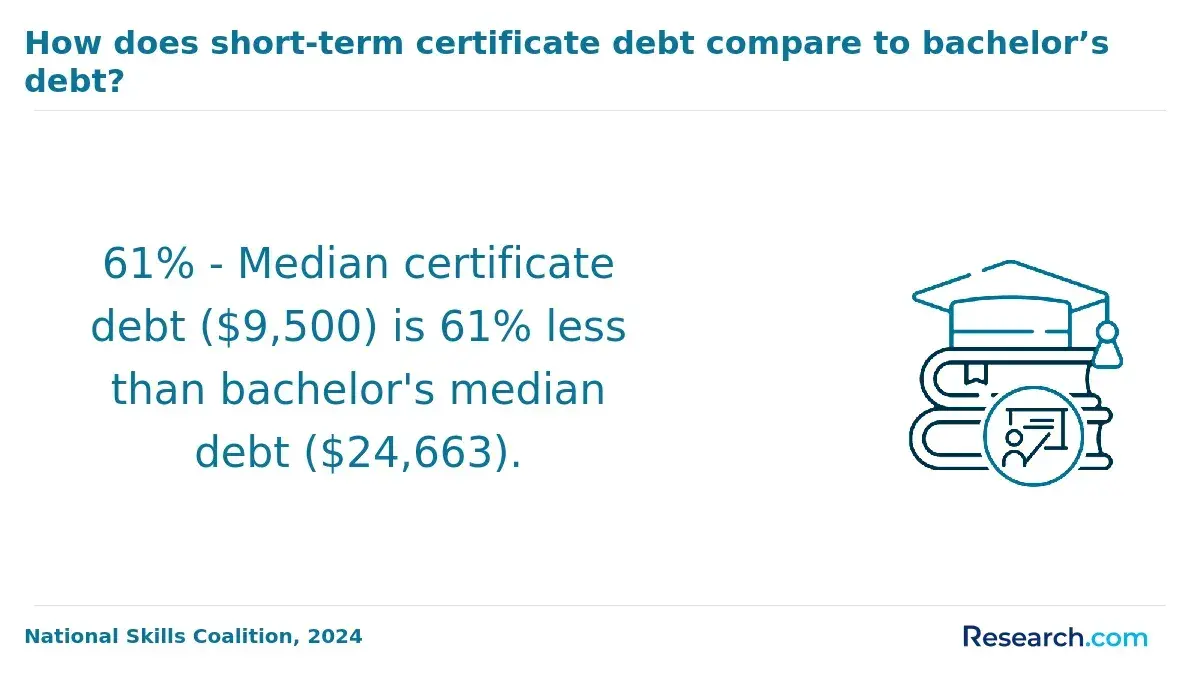
A bachelor's degree in chemistry or forensic science with a chemistry emphasis is the baseline credential for forensic chemistry careers in the US, primarily enabling entry-level roles with substantial analytical training. Associate degrees typically restrict candidates to technician positions, limiting both responsibility and earning potential. Advancing to a master's degree sharpens specialized skills required for government or private labs that demand supervisory experience or sophisticated instrumental techniques.
Master's programs often expect prior lab exposure and a strong undergraduate record, adding time and financial investment. For instance, a forensic toxicology unit might prioritize candidates with a master's and coursework in organic analysis, whereas a local crime lab may rely on bachelor's graduates well-versed in GC-MS and spectroscopy. Ph.D. qualifications generally exceed the requirements for routine forensic chemistry jobs but are valuable for roles in forensic research or academia.
Starting salaries for forensic chemists average $73,573-higher than forensic science technicians-indicating the wage boost linked to robust degree pathways. When assessing online forensic science education pathways for chemistry careers, students should evaluate programs on access to instrumentation, the intensity of practical lab work, and alignment with their target sector. Employer preferences center on validated documentation processes to preserve evidence admissibility.
For those seeking flexible formats, programs such as the online exercise physiology degree options demonstrate how accredited, industry-connected degrees in science fields can blend accessibility with practical training.
How can you verify accreditation and quality for an online forensic science program?
Choosing an online forensic science degree requires rigorous scrutiny of both regional and specialized accreditation, primarily from FEPAC, to ensure alignment with forensic chemistry employers' expectations for hands-on labs and evidence analysis according to American Academy of Forensic Sciences protocols. Employers, especially in government and public crime labs, frequently decline graduates from programs lacking synchronous lab components, severely limiting job prospects.
When evaluating quality standards of online forensic science programs, direct communication with program administrators is critical to confirm access to labs, internship partnerships, and actual post-graduate placement metrics. Students should supplement this by verifying institutional accreditation on trusted sources like the Department of Education's College Navigator to avoid degrees that do not meet state certification or advanced credential requirements.
Given a 13% projected field growth rate from 2024 to 2034, more than twice that of chemists and materials scientists, selecting an accredited program directly impacts eligibility for competitive forensic roles bound by legal and budgetary constraints. Prospective students must weigh the trade-offs between program convenience and the practical necessity of rigorous accreditation in pursuit of sustained employability in forensic chemistry.
For those considering a career pivot, consulting outcome data from programs offering related degrees, such as an online degree in exercise science, can be informative for comparing education models emphasizing lab experience and workforce alignment.
What are the key differences between online and campus-based forensic science degrees?
Choosing between online and campus-based forensic science degrees hinges largely on access to hands-on lab experience and direct professional networking. Campus programs offer immediate engagement with advanced forensic chemistry labs, critical to mastering techniques like chemical analysis and instrumentation calibration. Employers, especially within competitive government agencies, consistently favor candidates with proven practical skills acquired through in-person training.
Online degrees frequently depend on virtual simulations or require students to independently find local internships, which may delay hands-on exposure essential for employer recognition. Networking further distinguishes these pathways: campus students benefit from face-to-face interaction with faculty and forensic professionals through workshops and research opportunities, often resulting in more streamlined job referrals.
Online learners must actively pursue mentorship and professional networks via virtual platforms and regional forensic organizations. Practical workforce outcomes underline these differences. For example, Sweden's forensic chemistry sector saw an 11% salary increase over two years, reflecting rising demand for candidates who combine theoretical knowledge with in-person lab proficiency.
Students balancing remote work or geographic constraints might prefer online degrees for flexibility but should proactively supplement training with weekend labs or internships to remain competitive. This real-world tradeoff means forensic science aspirants must weigh the immediate accessibility and immersive resources of campus programs against the scheduling flexibility and independent initiative required by online formats.
What core courses and lab experiences are included in forensic chemistry-focused programs?
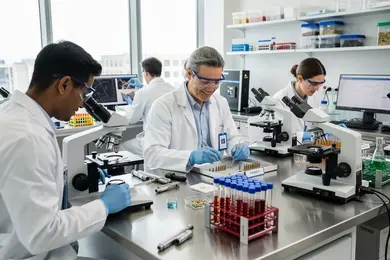
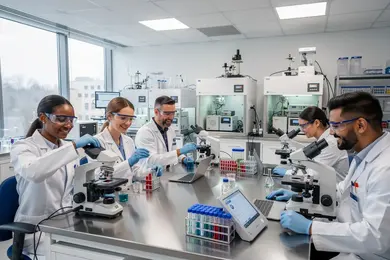
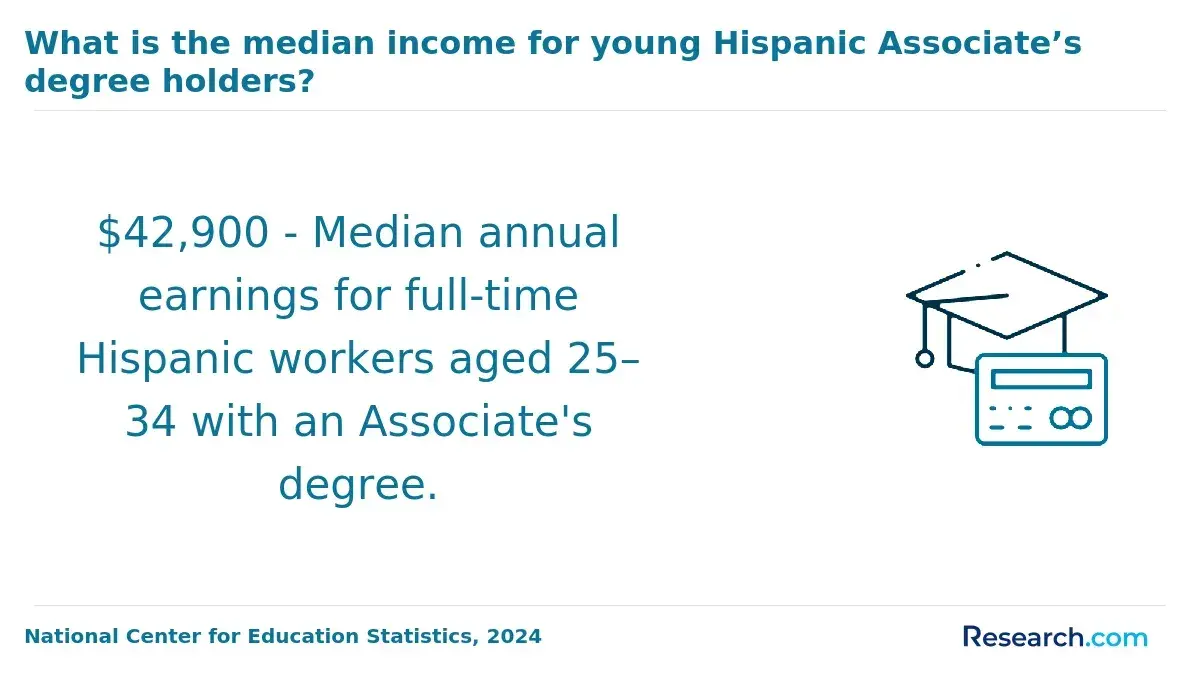
Forensic chemistry education demands rigorous, hands-on lab training to meet employer standards and practical workplace realities. Analytical techniques such as gas chromatography-mass spectrometry (GC-MS) are not academic luxuries but essential competencies, particularly for roles in drug enforcement or fire investigation units. Many programs require 300 to 500 contact hours in lab courses that replicate authentic forensic casework, emphasizing skills that cannot be developed through online simulations alone.
Students aiming for fully remote degrees must confirm the availability of hybrid or local lab components to gain meaningful instrumental analysis experience. Employers typically expect forensic chemists to combine strong theoretical foundations with accredited lab certifications or internships and must comply with forensic accreditation standards like ISO/IEC 17025.
Without alignment to recognized bodies such as the American Chemical Society or the Forensic Science Education Programs Accreditation Commission, graduates face significant employability challenges in government and private sectors. Supplemental coursework in digital forensics or crime scene investigation often helps contextualize chemical analyses within evidence handling and courtroom testimony frameworks.
Given a median annual salary of approximately $83,000 based on labor market data, investing in programs with practice-intensive lab experiences directly correlates with workforce readiness and compensation potential. Shortcuts in hands-on training risk producing graduates unprepared for the technical demands of forensic chemistry roles.
What admission requirements and prior coursework are needed for online forensic science degrees?
Admission to online forensic science degrees demands a robust foundation in natural sciences and math, with many programs requiring prior coursework in biology, chemistry, physics, and calculus. This is more than academic formality; forensic chemistry roles expect technical proficiency that cannot be bypassed, and candidates without this background typically face prerequisite coursework that delays entry.
Key admissions expectations often include:
- Introductory courses in general, organic, and biochemistry
- Practical lab experience or documented chemical analysis skills
- Minimum GPA thresholds commonly between 3.0 and 3.5
- Standardized test scores such as the GRE for master's-level applicants
UC Davis notes that a master's degree is becoming the standard for employment in most crime laboratories, privileging candidates who combine advanced technical knowledge with analytical skills. For those pivoting careers without a science background, bridging programs or post-baccalaureate certificates offer necessary preparation but extend both time and financial investment.
The online format's lack of in-person labs complicates skill acquisition, often necessitating supplemental internships or partnerships with local agencies to develop hands-on competency critical for lab roles. Candidates should carefully assess programs based on how they address these practical gaps.
Admissions requirements reflect a labor market that enforces rigorous scientific and analytical competencies. Students aiming to enter forensic chemistry without meeting these baselines risk limited employability, highlighting the importance of realistic self-evaluation and program selection aligned with workforce gatekeeping realities.
How long do online forensic science programs take, and what do they cost?
Forensic chemistry programs structured with practical training and accredited credentials better align with employer expectations but require balancing time and cost commitments. Associate degrees typically span about 2 years, while bachelor's degrees demand closer to 4 years of full-time study. Accelerated or part-time models exist but may increase overall expenses or delay entry into the workforce, challenging students who must weigh short-term affordability against long-term marketability.
Certificate programs lasting 6 to 12 months offer rapid skill acquisition but lack the comprehensive breadth and lab experience crucial for forensic chemist roles, potentially limiting employment opportunities in a competitive market. For example, a student choosing a quick certificate over a bachelor's degree might secure entry-level work but face barriers advancing without integrated internships or practical coursework.
Cost differentials reflect program scope and institutional type. Public universities typically charge $6,000 to $15,000 annually for in-state students, making a four-year bachelor's $24,000 to $60,000 plus ancillary fees. Private institutions can cost significantly more. Such investments often include experiential components essential to employers and justify the higher tuition through improved job prospects.
Canada's labor projections show a balanced supply-demand outlook for forensic chemists over the next decade, suggesting that credentials emphasizing skill depth and practical exposure will serve as key differentiators. Working professionals should critically assess hybrid or part-time options to maintain hands-on training without excessive delay or financial strain.
What forensic chemistry job titles, work settings, and advancement opportunities can graduates expect?
Graduates specializing in forensic chemistry within an online forensic science degree frequently encounter roles in crime labs managed by law enforcement agencies, but the practical distinction between public and private sector labs is significant. State labs typically involve higher caseload volumes with narrower specialization, while private firms blend forensic chemistry responsibilities with regulatory compliance and product safety testing.
These environments demand technical proficiency in analytical methods like chromatography and spectroscopy as well as adaptability to varying operational workflows. Advancement tends to rely heavily on acquiring certifications such as those from the American Board of Criminalistics and developing expertise in focused areas like drug analysis or trace evidence.
Leadership roles require not only technical mastery but also communication and quality assurance capabilities to navigate legal and managerial interfaces effectively. Consider a forensic chemist advancing in a metropolitan state lab: climbing from a technical analyst to supervisory roles correlates with incremental salary gains, with the top 10% earning above $107,490 according to U.S. Bureau of Labor Statistics data.
However, this potential for income growth often demands continued education or specialized credentials, factors that should be weighed against tuition costs and debt. Selecting programs that prioritize practical lab experience and recognized certifications can substantially influence employability and long-term career trajectory.
What is the salary outlook, job demand, and certification landscape for forensic chemists?
Salary outcomes for forensic chemists vary sharply by employer and location, with federal jobs offering the most substantial financial upside. For example, federal forensic science positions paid a mean annual wage of $119,630, compared to $73,860 in local government and $69,540 at the state level. This discrepancy reflects a typical career trajectory where deepening expertise and certifications can unlock higher-paying federal or specialized agency roles.
The labor market for forensic chemists is stable but largely confined to government or private laboratories reliant on chemical analysis within investigative workflows. Job growth depends on forensic science budgets, case backlogs, and advances in analytical technology. Candidates with experience in instrumentation, compound identification, and quality assurance are most competitive, especially in jurisdictions with staffing shortages.
Certification by the American Board of Criminalistics (ABC) in Chemical Analysis is often expected by federal employers and many private labs, serving as a benchmark of technical proficiency. Although not universally mandatory, such credentialing significantly improves employability and access to advanced roles. Prospective forensic chemists must weigh the cost and time of certification against their target sectors, as local and state positions often place less emphasis on formal credentials.
Practical laboratory training and internships during degree programs critically influence job placement and salary potential. Without this experience or certification, individuals may remain confined to entry-level pay scales typical in state and local sectors. Candidates prioritizing hands-on skill development and recognized certifications better position themselves for sustained professional advancement within forensic chemistry.
Other Things You Should Know About Forensic Science
A strong program should require general chemistry, organic chemistry, analytical chemistry, and at least one semester of physics or biology. Look for laboratory components totaling 6 to 12 credit hours, because forensic chemistry employers expect hands-on training in instrumental analysis, not only lecture-based coursework.
For career clarity and specialization, choose a program that balances advanced chemistry courses with forensic application training. Graduates with purely chemistry-heavy degrees may lack forensic context that employers require. Conversely, overly broad forensic science programs can dilute critical chemistry skills. Prioritize programs integrating rigorous chemistry content specifically tailored to forensic challenges.
Reputation matters because forensic labs often scrutinize candidates' educational backgrounds for rigor and relevance. Degrees from well-known, established programs with a forensic chemistry specialization have stronger market value. Avoid lesser-known programs without evidence of graduate employment outcomes, as this can hinder interviews and professional credibility.
References
- How To Become a Forensic Scientist: Requirements & Steps https://www.forensicscolleges.com/blog/htb/how-to-become-forensic-scientist
- Online Forensic Science Degree https://www.aiuniv.edu/degrees/criminal-justice/bachelors-forensic-science
- Forensic Science Careers UK Requirements: Complete Guide to Professional Entry and Advancement https://pathologylabtraining.co.uk/biomedical-sciences/forensic-science-careers-uk-requirements
- Forensic Science Majors https://www.hamline.edu/academics/undergraduate/forensic-science
- Forensic Chemistry - Chestnut Hill College https://www.chc.edu/academics/programs/forensic-chemistry/
- Forensic Chemistry https://www.keele.ac.uk/study/undergraduate/undergraduatecourses/forensicchemistry/
- Tips for Students Pursuing Careers in Forensic Science https://forensicstats.org/blog/tips-for-students-pursuing-careers-in-forensic-science
- Bachelor's in Forensic Science https://www.ccis.edu/degrees/forensic-science-bachelor
- Compare Forensic Scientist Schools & Training Programs https://www.criminaljusticeprograms.com/specialty/forensic-science-degrees/