2027 Online Forensic Science Degrees for Students Who Want Forensic Biologist Roles

Co-Founder and Chief Data Scientist
Meeting the rigorous educational requirements while managing work or family commitments remains a critical barrier for aspiring forensic biologists. The Bureau of Labor Statistics projects a 14% growth in forensic science technician roles between 2022 and 2032, intensifying competition for positions that demand specialized credentials. Meanwhile, data from the National Center for Education Statistics show a 30% rise since 2023 in adult students choosing online programs for career flexibility. This shift reveals growing demand for accessible degree pathways tailored to working professionals seeking forensic biology roles. This article examines online forensic science degrees designed to bridge these gaps and support practical career advancement.
Key Things You Should Know
- National Center for Education Statistics data from 2024 shows online forensic science degrees typically extend time-to-degree by 25%, impacting mid-career pivots into forensic biologist roles requiring timely credentialing.
- Employer surveys published by the American Academy of Forensic Sciences in 2024 reveal 68% prioritize hands-on crime lab experience over solely online credentials, creating tension between accessibility and job-market readiness.
- U.S. Bureau of Labor Statistics projects forensic biologist growth at just 3% through 2032, pressuring candidates to weigh expensive online programs against limited direct federal or state funding and scarce entry-level positions.
What is an online forensic science degree and how does it prepare you for forensic biologist roles?
Online forensic science degree programs for aspiring forensic biologists deliver critical theoretical knowledge but face inherent limitations in hands-on laboratory training. While virtual labs and data simulations cover molecular biology, genetics, and toxicology concepts, employers emphasize practical expertise in DNA analysis and microorganism identification that typically require supervised on-site experience.
Candidates should prepare to supplement online coursework with local internships or accredited research projects to satisfy these profession-specific competencies and bridge gaps that purely virtual instruction cannot address.
Graduates transitioning into medical examiner offices or state forensic laboratories will find that the seamless integration of documented fieldwork with remote learning is often a prerequisite to meeting real-world casework demands. The necessity of direct laboratory practice underscores a tradeoff between the flexibility of an online forensic science degree and the logistical challenge of acquiring in-person validation of technical skills.
The U.S. Bureau of Labor Statistics projects 13% job growth for forensic science technicians through 2032, a pace far above average, with a median salary near $65,000, confirming sustained demand and competitive compensation.
Assessing programs with accredited lab components is essential to optimize employability and long-term career trajectory. For deeper insights into forensic science degree salary trends and workforce realities, consult forensic science degree salary.
What education and training do you need to become a forensic biologist in the U.S.?
Entry into forensic biology demands a carefully targeted education that balances rigorous science curricula with practical application. Forensic biologist education requirements in the U.S. typically include a bachelor's degree in forensic science degree programs for biologists in the United States-often in biology, biochemistry, or molecular biology with key coursework in genetics, microbiology, and anatomy.
Accreditation by bodies like the Forensic Science Education Programs Accreditation Commission (FEPAC) is not just a formality; it signals to employers that candidates have covered relevant, industry-aligned skills, improving job prospects.
Hands-on experience through internships in crime labs or law enforcement settings is indispensable. Without it, graduates often struggle to meet employer expectations for proficiency in DNA analysis, serology, and microscopic techniques-core competencies in forensic biology roles.
Advanced opportunities, including supervisory or specialized positions, usually require a master's degree addressing forensic biology, molecular techniques, or biotechnology, alongside certifications from boards like the American Board of Forensic Toxicology.
Practical realities for those pursuing this path include geographic constraints and job market concentration. Higher salaries and specialty roles are mostly found in urban or federal jurisdictions, necessitating a willingness to relocate. Graduates must weigh the financial and time investment in graduate education against potential salary gains.
For those estimating costs, it helps to compare, "What is the cheapest data science course in the US?" for an idea of affordable paths to complementary skills aligned with forensic data analysis.
How do online forensic science programs compare with campus-based programs for lab and fieldwork?
Online forensic science programs cannot fully substitute traditional campus learning due to significant gaps in hands-on lab and fieldwork essential for forensic biologist competence. While many accredited online programs offer virtual labs and simulators, these do not adequately develop the tactile skills necessary for evidence collection, DNA analysis, and crime scene investigation. This shortfall necessitates that students identify hybrid program options or local partnerships providing supervised practicums or internships to fulfill employer expectations.
Fieldwork, a vital component of practical readiness, is noticeably constrained in remote learning. Campus-based programs embed crime scene exercises that foster procedural discipline and situational awareness, which online learners must often arrange independently. This logistical challenge can delay program completion and restrict access to specialized forensic disciplines, impacting workforce entry timelines.
Employers consistently prioritize candidates with verified hands-on experience. Programs integrating formal lab internships with forensic laboratories or medical examiner offices enhance graduate employability and income potential.
For example, OnlineU data shows that Champlain College's online Bachelor of Science in Computer Forensics & Digital Investigations graduates earn median salaries of $89,716, indicating that well-structured online curricula coupled with professional experience can be competitive.
Prospective students evaluating online forensic science programs versus traditional campus learning should assess the availability of in-person immersion sessions, supervised lab practicums, and solid fieldwork affiliations. Without these, theoretical understanding risks leaving graduates underprepared for roles demanding acute evidence handling and biological analysis expertise.
For those considering related pathways, exercise science degrees online may offer alternative options involving more accessible practical components suited to remote learning frameworks.
Which types of accreditation should online forensic science degrees have for biology-focused careers?
Choosing an online forensic science degree accredited for biology careers demands scrutiny beyond regional recognition. While regional accreditation is essential for federal financial aid and credit transfer, it does not guarantee the specialized biological rigor needed in forensic settings. Employers, particularly state crime labs, often prioritize candidates from programs with Forensic Science Education Programs Accreditation Commission (FEPAC) accreditation.
This distinction is crucial because FEPAC-accredited curricula explicitly cover biological evidence analysis, crime scene processing, and lab methods vital to forensic biologists or DNA analysts.
Graduates from regionally accredited but non-FEPAC programs may find themselves at a competitive disadvantage. Practical training and validated lab instruction are non-negotiable in fields requiring handling of biological samples like bodily fluids or genetic material. Without experiential learning components such as hands-on lab simulations or partnerships with local facilities, online degrees risk producing credential holders lacking workplace-ready skills.
Career outcomes hinge not only on accreditation but also on program integration of internships or practicums. Employers increasingly demand verifiable real-world experience, particularly where digital forensics professionals earn substantial salaries, underscoring the potential earnings gap for forensic biologists without proper certification.
Students seeking regional accreditation for forensic science programs focusing on biology should view FEPAC status and experiential opportunities as critical decision factors. Prospective students interested in alternative pathways might compare cost-effective options like a library science degree, balancing budget with career goals and market demand.
What core courses and specializations should a forensic science program include for aspiring forensic biologists?
Forensic biology education demands more than foundational science; it requires a curriculum that aligns tightly with employer expectations and courtroom realities. Graduates must master molecular biology, genetics, and toxicology while gaining proficiency in laboratory protocols such as microscopy and chromatography. This technical expertise directly impacts evidence interpretation, especially in high-stakes settings where DNA and bodily fluid analysis drive investigations.
Advanced coursework in forensic DNA analysis and serology is critical to understanding biological data's legal weight. Employers prioritize candidates trained in forensic laboratory management and quality assurance to minimize errors and uphold chain of custody standards. Bioinformatics and statistics increasingly differentiate graduates by equipping them for data-intensive forensic contexts.
Hands-on experience in result validation and communication is non-negotiable; forensic biologists must articulate findings clearly to legal audiences. For example, failure to meet strict evidentiary standards can derail prosecutions or lead to appeals, illustrating how program rigor influences career trajectory.
With an average annual tuition of about $14,688, students face choices balancing educational depth against cost-efficiency. Programs omitting specialized forensic biology content risk extending the timeline to relevant employment or requiring additional certification, which delays income and adds expense.
What are typical admission requirements for online forensic science bachelor's and master's programs?
Admission requirements for online forensic science bachelor's programs often reflect a balance between academic baseline and practical potential. Most candidates present a high school diploma with a minimum 2.5-3.0 GPA and submit transcripts, letters of recommendation, and a statement of purpose emphasizing interest in forensic biology. While SAT or ACT scores may be requested, many programs waive these exams, reflecting recent shifts prioritizing accessibility.
For working professionals or transfer students, prior college credits in biology, chemistry, or related STEM fields can facilitate accelerated program entry and reduce redundancy. Such flexibility acknowledges varied student backgrounds but demands clear documentation.
Master's programs typically require a science-related bachelor's degree with a GPA around 3.0 or higher, alongside proof of proficiency in foundational scientific principles like molecular biology and biochemistry. GRE scores may be required, though their necessity has diminished post-2023 to broaden applicant pools.
A detailed researchproposal or personal statement supporting forensic biology specialization often differentiates candidates, particularly when paired with relevant laboratory or law enforcement experience, which can offset academic shortcomings.
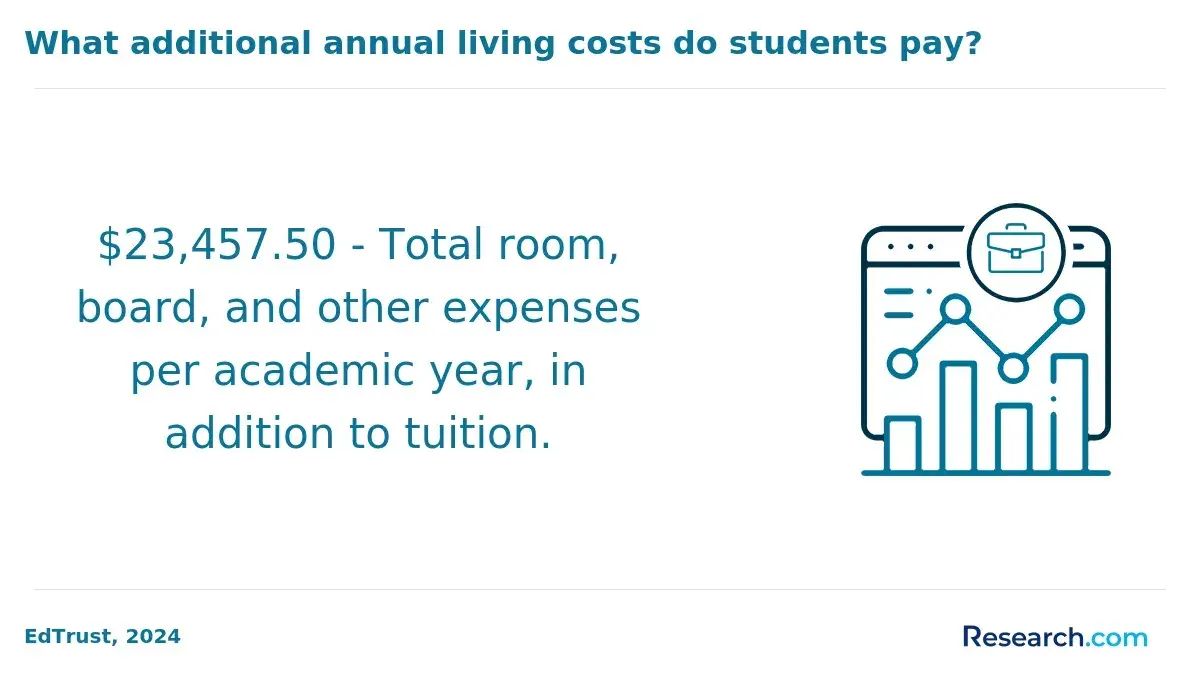
Decision-makers seek evidence of readiness for the technical and time management demands inherent in online learning, emphasizing the importance of early completion of prerequisite coursework. Labor market data suggests starting salaries near $48,000 with growth to approximately $60,000 mid-career.
Graduates encountering a 5.2% unemployment rate signal a competitive field where both academic preparation and practical experience weigh heavily on long-term employability.
How long do online forensic science degrees take, and what do they cost?
Forensic science degree timelines and costs directly influence career trajectory decisions, especially for working professionals. Associate and bachelor's degrees generally require 2 to 4 years, with program length influenced by part-time or accelerated formats. Master's degrees, typically completed in 18 to 24 months full-time, can extend longer for students balancing work, affecting both time to credential and financial investment.
Tuition varies significantly: bachelor's programs range from $15,000 to $40,000 total, while master's programs fall between $20,000 and $50,000. Additional expenses include specialized books, lab kits, and exam proctoring fees, which are often overlooked but critical in budgeting for forensic science students.
- Students employed full-time face tradeoffs: faster master's programs support quicker promotion but may stress work-life balance.
- Part-time study slows time-to-degree but can leverage employer tuition assistance while minimizing income disruption.
- In state labs, a master's degree may unlock otherwise inaccessible leadership roles despite limited immediate salary boosts.
Employers increasingly value advanced forensic biology credentials, especially in private pharmaceutical labs or state agencies where pay scales are more rigid. Forensic science technicians nationwide have a median salary around $72,060, with those holding advanced degrees reaching the $94,000-$117,000 range, but this often depends on local funding and employer priorities.
What forensic biologist job titles, work settings, and career paths can these degrees lead to?
The value of an online forensic science degree hinges on its alignment with workforce demands and the practical credentialing landscape. Specialized roles like forensic biologists or DNA analysts require more than theoretical knowledge; they demand supervision, rigorous protocol adherence, and case-specific expertise that online programs alone rarely provide. For example, a crime lab technician employed by a government facility typically must complete additional certifications or in-house training focused on chain-of-custody procedures and courtroom readiness beyond an online degree.
Career advancement nuances also matter: while entry-level technician roles may be accessible with a bachelor's degree supplemented by practical experience, progressing to forensic DNA analyst or serologist positions often requires graduate-level education or targeted post-baccalaureate certificates emphasizing molecular biology and population genetics.
Employment projections show a 13% growth for forensic science technicians from 2022 to 2032, significantly above average. This expansion correlates with increased forensic technology adoption and case workloads but should be interpreted with caution. The critical dependency on internships, apprenticeships, and lab training means that candidates relying solely on online credentials may face substantial hurdles during job placement.
Prospective students should evaluate online forensic science degrees not as endpoints but as components of a broader strategy incorporating hands-on learning environments. This composite approach better meets employer expectations and increases long-term viability within diverse forensic settings, whether government, private consulting, or medical examiner offices.
What salary ranges and job outlook can forensic biologists expect in the United States?
Salary expectations for forensic biologists vary widely depending on specialization, sector, and geographic location, with median wages typically ranging from $60,000 to over $80,000 annually. According to Indeed's 2024 data, forensic scientists earn an average of $62,325, while related roles such as chemists and detectives command higher averages of $74,913 and $81,302 respectively.
This wage disparity illustrates how combining forensic biology with cross-disciplinary skills-like analytical chemistry or investigative experience-can enhance employability and pay, particularly in fields such as pharmaceutical testing, environmental analysis, and criminal investigations.
Career entry often requires more than an online forensic science degree alone: competitive roles in state crime labs may start near $50,000 but demand practical internships, advanced certifications, or graduate study for progression. Corporate and consulting positions tend to offer premium compensation reflecting specialized expertise but expect rigorous technical skillsets.
The U.S. Bureau of Labor Statistics projects steady demand growth for forensic science technicians; however, job seekers must prepare for competitive hiring environments shaped by technological integration and evolving employer expectations.
Key considerations for prospective students include geographic salary variability and the necessity to develop supplemental skills such as molecular biology, statistics, or legal knowledge. Strategic networking and targeted graduate education can further improve mid-career advancement opportunities. Practical workforce navigation requires balancing realistic salary prospects with the challenges of credentialing and skill diversification to optimize long-term career outcomes.
How can students evaluate and choose a reputable online forensic science program for biology roles?
Accreditation is a decisive factor when selecting forensic biology programs, particularly regional accreditation paired with recognition for specialized forensic or biological science curricula. This sets apart programs that deliver hands-on experience in biology labs, toxicology, and molecular analysis-skills forensic biologists apply routinely. For example, a working professional aiming to switch careers needs a program that integrates practical laboratory components rather than purely online coursework lacking supervised practice, as this affects eligibility for certification and licensure.
Employment outcomes reflect program effectiveness: graduates securing positions in medical examiner offices, environmental forensics, or crime labs indicate alignment with current workforce demands. With forensic science technician roles expected to grow 11% between 2021 and 2031 per the U.S. Bureau of Labor Statistics, partnering with institutions offering internships and employer connections mitigates entry barriers.
Cost or convenience alone risk overlooking essential lab experience, a critical tradeoff impacting readiness and long-term career viability. Prospective students should verify if virtual simulations adhere to recognized forensic biology standards or if on-site residencies are mandated. Additionally, assessing technological resources such as access to scientific databases, case study repositories, and forensic software training is key to supporting flexible learning without sacrificing rigor.
This nuanced evaluation prioritizes programs blending practical experience with validated accreditation and employer integration to ensure graduates attain meaningful job market relevance and sustained professional growth.
Other Things You Should Know About Forensic Science
Work experience is not always mandatory for admission but provides significant practical advantages. Students with lab or field internships have clearer learning goals and adapt faster to the technical demands of advanced forensic biology courses. Programs lacking built-in internships or hands-on components require students to independently secure relevant experience to remain competitive with graduates who have formal practical training.
Most online forensic science degrees still require at least 1 semester of in-person lab science, plus a capstone or practicum with supervised laboratory hours. For forensic biologist roles, employers also look for coursework in genetics, molecular biology, and microscopy, often aligned with ASBMB or ACS-style lab training.
Specialization in forensic biology sharpens expertise relevant to biological evidence analysis, which improves job placement success where employers target domain-specific knowledge. General forensic science degrees offer broader exposure but may dilute the focus needed for roles focused strictly on biological evidence. Students aiming for forensic biologist roles should prioritize programs offering dedicated biology tracks or electives tied directly to molecular biology, DNA analysis, and related methods.
References
- Forensic Science Degree Programs https://www.criminaljusticedegreeschools.com/degrees/forensic-science-degree/
- Top Online Forensic Science Degree Programs https://www.forensicscolleges.com/online
- What job can I get with a degree in Medical, Molecular or Forensic Science? https://www.murdoch.edu.au/news/blogs/blog-posts/campus-and-community/what-job-can-i-get-with-a-degree-in-medical-molecular-or-forensic-science
- Tips for Students Pursuing Careers in Forensic Science https://forensicstats.org/blog/tips-for-students-pursuing-careers-in-forensic-science
- What Forensic Science Degree Programs Actually Require | Alia Education https://aliaeducation.com/library/majors-careers/what-forensic-science-degree-programs-actually-require
- Online Forensic Science Degree https://www.aiuniv.edu/degrees/criminal-justice/bachelors-forensic-science
- Forensic Biologist https://explorehealthcareers.org/careers/technologists-and-technicians/forensic-biologist/
- The Forensic Science Jobs You Can Pursue with Qualifications https://www.stonebridge.uk.com/blog/distance-learning/the-forensic-science-jobs-you-can-pursue-with-qualifications/
- Forensic Scientist Salary: State-by-State Median Guide https://www.allcriminaljusticeschools.com/forensics/salary/
- what classes should i take for forensic science https://jfd.jacksonms.gov/Resources/gZECgT/3OK067/what-classes__should__i-take_for__forensic_science.pdf