2027 Online Forensic Science Degrees for Students Who Want Trace Evidence Roles

Co-Founder and Chief Data Scientist
For students pursuing trace evidence roles, balancing rigorous lab requirements with full-time jobs or family commitments often creates a bottleneck that traditional campus programs overlook. The National Center for Education Statistics recently noted that over 45% of postsecondary enrollments are non-traditional adult learners who require flexibility without compromising credibility.
This shift pushes forensic science aspirants to seek online degree programs offering specialized training in trace analysis while accommodating practical constraints. Meeting employer expectations for hands-on competence through remote learning remains a delicate challenge. This article evaluates online forensic science degree options tailored for trace evidence career paths, focusing on delivering actionable guidance for navigating program choices, accessibility, and workforce readiness.
Key Things You Should Know
- Trace evidence specialization demands programs with accredited lab components, yet less than 40% of online forensic science degrees offer comprehensive practical exposure, increasing graduate risk of costly on-job skill gaps.
- Employers increasingly prioritize certified forensic analysts with trace evidence expertise; however, 2024 DOJ workforce reports show only 27% of graduates enter trace-specific roles, signaling a supply-demand misalignment.
- Median online forensic science program costs rose 12% from 2022 to 2024 per NCES data, challenging mid-career pivots where accelerated, cost-effective credentials could yield faster ROI in trace evidence careers.
What is an online forensic science degree for trace evidence roles?
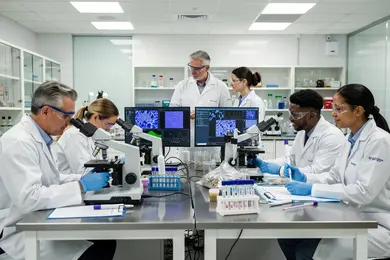
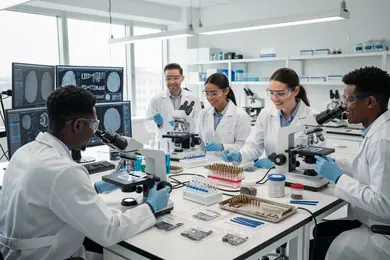
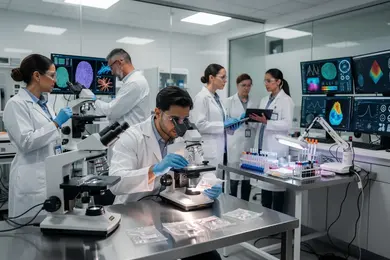
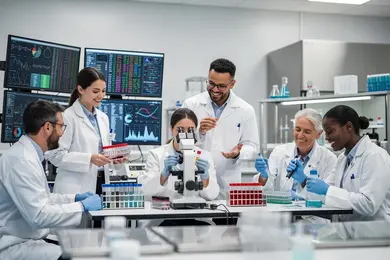
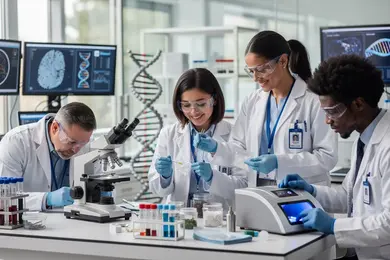
Enrolling in online forensic science degree programs for trace evidence analysis demands careful scrutiny of practical skill acquisition alongside theoretical knowledge. While coursework typically covers chemistry, biology, and forensic microscopy essential for identifying fibers, hair, paint, and glass, the lack of consistent hands-on lab experience remains a significant limitation in distance learning forensic science education for trace evidence specialists.
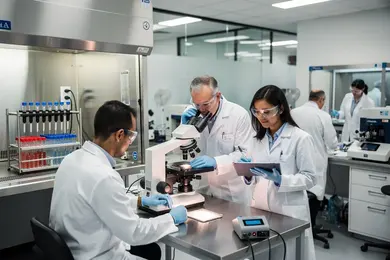
Real-world employers expect proficiency in evidence collection and microscopic examination, competencies difficult to develop without direct practice. Programs that incorporate local lab partnerships or internships with crime labs better align graduate capabilities with these workforce needs. This alignment is critical, as trace evidence expertise influences case outcomes and courtroom testimony credibility in law enforcement or consulting roles.
The projected 13% job growth for forensic science technicians through 2034, equating to roughly 2,900 openings annually, reflects growing demand for specialized analysts. Those pursuing this path should weigh program flexibility against the necessity of verified practical experience, recognizing that insufficient lab work may limit employability despite academic rigor.
For professionals evaluating career pivots, understanding the tradeoff between virtual learning convenience and the need for supervised, real-world trace evidence practice is crucial. Additional insight into employment prospects and compensation can be found by reviewing the forensic scientist salary data.
Which accreditation should online forensic science programs have?
Degrees in Forensic Science that lack regional accreditation can severely limit employment opportunities, particularly in trace evidence roles where employers mandate credentials from regionally accredited institutions. The necessity of online forensic science degree accreditation standards is not merely academic; it directly influences eligibility for certification and entry into state or federal forensic technician positions.
Beyond institutional accreditation, programs should adhere to standards from the Forensic Science Education Programs Accreditation Commission (FEPAC). FEPAC ensures that curricula meet essential competencies such as microscopic analysis and chemical identification, which are critical for effective on-the-job performance. Without such alignment, graduates often face barriers not only in credentialing but also in securing vital hands-on experience, since many accredited programs require hybrid components involving local fieldwork.
Consider a working professional seeking a career pivot into forensic science-opting for a non-accredited, purely online program risks an investment that may not translate into recognized expertise or job placement. The practical realities of forensic trace evidence work demand both theoretical and laboratory proficiency supported by proper accreditation.
The median annual wage for forensic science technicians was $67,440, with top earners making over $110,710. Those exploring career options might also consult resources outlining what jobs can you get with an environmental science degree to inform parallel pathways.
Regional accreditation for online forensic science programs remains the minimal threshold that validates program rigor and workplace relevance.
Can you earn trace evidence training fully online?
Trace evidence roles inherently require substantial hands-on laboratory experience that fully online trace evidence training programs cannot provide. Employers, such as the Illinois State Police, mandate approximately 30 months of intensive onsite lab training for forensic scientist trainees, emphasizing that online forensic science degrees with trace evidence focus are insufficient alone for practical readiness.
Theoretical knowledge gained from online degrees typically includes foundational crime scene procedures and chemistry principles but lacks essential tactile skills like microscopic analysis and instrumental methods such as Raman or FTIR spectroscopy. As a result, students relying solely on online education struggle to demonstrate the proficiency expected in trace evidence disciplines.
Working professionals pursuing an online forensic science degree must often secure local lab internships or governmental training partnerships to satisfy credentialing and employer demands. Programs offering hybrid models with mandatory lab components or access to regional laboratories offer a more realistic path to meet these rigorous requirements.
Prospective students should evaluate curricula carefully for clear lab training pathways and verify employer acceptance of online credits before enrollment. Otherwise, they face costly post-degree certifications or extended unpaid apprenticeships, delaying career progression. For those exploring interdisciplinary or adjacent options, examining fields like animal science degrees online might provide alternative educational models or transferable skills.
What courses are in an online forensic science curriculum?
Online forensic science degree curriculum focused on trace evidence prepares students with a demanding blend of natural science and specialized forensic training. Employers often require candidates to have completed at least 60 semester hours in natural sciences with a deep focus on chemistry, mirroring standards seen in state-level forensic scientist trainee roles such as those in Illinois. Practical mastery of analytical techniques-organic, analytical, and biochemistry-equips graduates to manage microscopic evidence and chemical residues confidently.
Courses included in forensic science programs extend beyond foundational sciences to incorporate forensic trace analysis, microscopy, and materials characterization, which directly apply to real-world evidence handling. Instrumentation training in methods like gas chromatography-mass spectrometry (GC-MS) and scanning electron microscopy, often supported by virtual or at-home labs, is essential but may pose challenges for online learners without direct lab access.
Statistical analysis and data interpretation are integrated to prepare students for evidentiary evaluations and courtroom testimony. Specialized study areas, including forensic biology focusing on hair, fiber, and soil, address the complex contamination and transfer scenarios professionals face. Legal and ethical coursework further primes students to meet law enforcement standards, though many programs expect supplementary field internships to bridge the gap between theory and practical skills.
Prospective students should weigh the heavy science demands and the need for hands-on experience against their career objectives. Those navigating between roles in law enforcement or private consulting must consider how these curricula align with rigorous job criteria. For individuals exploring related academic options, a library degree can also provide complementary expertise in information management critical to forensic documentation and casework.
What admissions requirements do online forensic science programs need?
Admission into online forensic science programs with a trace evidence focus demands more than baseline qualifications; it requires demonstrated competency in scientific fundamentals and an ability to navigate technical, procedural rigors. While a high school diploma or GED is the minimum, candidates with associate degrees or college credits in biology, chemistry, or physics hold a substantial advantage due to the precision this line of work entails. Employers and admissions committees prioritize these academic indicators alongside practical skills because trace evidence roles necessitate meticulous lab technique and critical analytical thinking.
Standardized tests such as the SAT or ACT are less commonly required but may be requested for provisional admission, especially for candidates lacking traditional science backgrounds. Working professionals with relevant experience in criminal justice or law enforcement may be considered individually, reflecting the field's growing integration of hands-on expertise and formal education.
With projections indicating a 12.8% growth in trace evidence technician roles through 2034, applicants must also prepare for post-admission demands: secure access to lab equipment for remote study, potential regional travel for required practicums, and compliance with employer background checks or security clearances. These layers of practical and regulatory prerequisites shape the pathway and ultimately impact employability and career durability.
Letters of recommendation and personal statements serve to assess communication skills and professional intent, traits instrumental in the collaborative and often high-stakes forensic work environment of trace evidence analysis.
How long does an online forensic science degree take?
Duration for completing an online forensic science degree specializing in trace evidence varies considerably based on enrollment status and program design, directly influencing workforce entry timing. Associate degrees average two years, while bachelor's programs typically require four years full-time. However, working professionals pursuing part-time or accelerated tracks may extend this timeline beyond five years due to the need for balancing coursework with employment or arranging local lab practicums.
Employers emphasize bachelor's degrees combined with actual lab experience, creating a practical tradeoff: shorter programs expedite job market entry but limit hands-on skill development, whereas longer timelines enable internships or research that enhance employability in trace evidence analysis.
Important factors influencing program length include:
- Scheduling flexibility inherent to online formats versus the necessity of local hands-on lab work and practicums
- Potential need for extended semesters to meet comprehensive training in areas like fiber, glass, and soil analysis
- The balance between efficient credentialing and sufficient technical preparation to meet competitive job requirements
Data from the Bureau of Labor Statistics cites a median hourly wage of $32 and 75th-percentile annual earnings near $88,710 for forensic science technicians engaged in trace evidence, highlighting the financial incentive to optimize completion time while securing practical skills.
How much do online forensic science degrees cost?
Choosing an online forensic science degree demands scrutiny beyond sticker price, particularly how program costs translate into employability and workforce readiness. Bachelor's tuition ranges from about $15,000 to $45,000, influenced by credit hour fees, residency, and program design. A typical public university charges $300-$500 per credit in-state and $600-$900 out-of-state, with a 120-credit degree potentially costing $48,000 unless accelerated tracks or transfer credits apply.
Graduate tuition for online master's programs generally falls between $20,000 and $50,000, with less variation based on residency but often including charges for lab kits or virtual tools critical for trace evidence training. While online studies reduce expenses like commuting and housing, students must consider costs for reliable internet, workspace, and specialized software.
Employers prefer candidates from accredited programs offering hands-on practicum experience or internships. Online degrees lacking practical components may hinder timely workforce integration despite lower upfront costs. This tradeoff challenges students who balance budget constraints against the necessity of experiential learning often facilitated through partnerships with local agencies.
Large-scale providers, such as Arizona State University Online with over 50,000 enrollees, benefit from economies of scale that might enhance resource access and lab simulations but potentially embed brand premiums in tuition.
- Public regional universities can offer the lowest tuition but typically provide fewer networking and mentorship opportunities crucial for forensic lab careers.
- Verifying if tuition covers practicum or local agency collaborations is essential for practical skill acquisition aligned with employer expectations.
What jobs can trace evidence graduates pursue?
Securing a role as a forensic trace evidence analyst requires more than theoretical knowledge; it demands advanced technical skills in microscopy, chemical assays, and strict adherence to chain-of-custody protocols. Typical employers include crime labs, federal and state law enforcement agencies, specialized consulting firms, and counterterrorism units, where practical experience often outweighs credentials alone. For instance, candidates combining degrees with certifications and investigative experience gain a competitive edge when applying to agencies like the FBI.
Positions focus on analyzing minute materials-fibers, hair, glass, soil, paint-that can link suspects to crime scenes. Graduates versed in digital trace evidence also find opportunities in cyber forensics, where interpreting digital footprints supports legal inquiries.
Salary outcomes vary significantly: entry-level roles might start around $45,000-$55,000 but can rise substantially with specialization and location. Notably, graduates from concentrated programs, such as Champlain College's BS in Computer Forensics & Digital Investigations, report median earnings near $89,716, reflecting the market value of focused expertise compared to broader criminal justice degrees.
Long-term career progress depends on ongoing certification, skills updating, and adaptability to shifting agency demands and geographic constraints. Candidates must weigh these factors against the intense job market competition and the need for continual interdisciplinary collaboration with legal professionals.
What salary can trace evidence specialists expect?
Trace evidence specialists face a broad salary range shaped heavily by experience, agency type, and specialization. Entry-level technicians often start below $50,000 annually, typically filling supporting roles until they acquire certifications and demonstrable lab competence-essential prerequisites for advancement. Specialized training in areas like firearms or forensic biology, which can demand up to two years of focused preparation, aligns with premium pay scales often found in metropolitan or public-sector agencies.
In contrast, private forensic providers usually offer lower, hourly contract rates but greater scheduling flexibility. Progression toward supervisory positions, commonly requiring 5-7 years of continuous upskilling and hands-on exposure to complex evidence types, can push earnings near $90,000. This trajectory is not uniform; regional budget constraints and demand fluctuations impose variability, and the extended timeframe to reach advanced roles may not suit all candidates' career timelines.
Employers expect ongoing education tied to emerging analytic techniques and validated certifications in niche areas such as toolmark and toxicology analyses. Balancing the significant time and financial investment required for these qualifications against potential salary gains is critical, especially for those weighing immediate employment against long-term positioning.
- Starting salaries typically range from $50,000 to $65,000.
- Experienced specialists earn between $70,000 and $90,000 dependent on jurisdiction and role complexity.
- Advanced certified training requires 18-24 months, influencing pay and employability.
What certifications help trace evidence analysts advance?
Trace evidence analysts face distinct professional demands requiring credentials that verify technical skill and adherence to strict forensic standards. The American Board of Criminalistics (ABC) certification remains the primary credential, crucial for employment in lab-based forensic environments where demonstrating competency in collecting, identifying, and interpreting trace evidence affects courtroom outcomes. This certification's rigorous requirements-documented casework, exams, and practical tests-reflect real-world expectations that employers prioritize.
Supplementary certifications from the International Association for Identification (IAI) address evolving techniques in chemical and physical trace analysis, emphasizing ongoing development to keep pace with legal and methodological changes. Given the laboratory's centrality in forensic operations, formal science coursework combined with certificates in natural sciences better aligns candidates with hands-on industry demands rather than purely theoretical preparation.
Cross-training in forensic microscopy or chemistry, accessible through short-term certifications or micro-credentials, creates practical versatility. This flexibility is especially valuable in agencies with limited personnel or resources, requiring individuals to fulfill multiple roles under operational constraints.
However, practitioners must navigate logistical challenges such as cyclical recertification and securing quality lab access to maintain practical skills, which can complicate career progress. Strategic planning for these realities improves career resilience and adaptability in high-stakes forensic settings.
- ABC certification as foundational validation of trace expertise
- IAI proficiency certificates maintain relevance amid evolving standards
- Hands-on laboratory skills prioritized over theory by employers
- Cross-disciplinary credentials increase operational flexibility
- Ongoing recertification and practical access demand proactive career management
Other Things You Should Know About Forensic Science
Internships are often more significant than GPA for trace evidence roles because they provide practical skills, networking, and exposure to real casework. Graduates with strong academic records but no relevant internships may face difficulty competing with peers who have direct experience within crime labs or forensic agencies. Prioritizing programs that facilitate or require internships can improve job placement, even if the coursework is more rigorous or less convenient.
Choosing programs with specialized trace evidence tracks generally offers a clearer path to relevant skills and employer expectations in this niche. Broader forensic science curricula may provide wider foundational knowledge but often lack depth in trace evidence methodologies and instrumentation. For students certain about trace evidence careers, prioritizing specialized tracks increases employability and practical expertise, reducing the need for costly post-degree training.
An online program should cover chain of custody, evidence packaging, microscope use, spectroscopy, chromatography, and contamination control. Look for coursework tied to laboratory quality standards such as ISO/IEC 17025 and training aligned with forensic science accreditation or certification expectations used by employers in crime laboratories.
References
- Trace Evidence Analyst Career Guide & Salary 2025 https://www.crimesceneinvestigatoredu.org/trace-evidence-analyst/
- How To Become a Forensic Scientist: Requirements & Steps https://www.forensicscolleges.com/blog/htb/how-to-become-forensic-scientist
- The Forensic Science Jobs You Can Pursue with Qualifications https://www.stonebridge.uk.com/blog/distance-learning/the-forensic-science-jobs-you-can-pursue-with-qualifications/
- Discovering Trace Evidence https://www.tritechtraining.com/discovering-trace-evidence.html
- Forensic Science https://www.ualberta.ca/en/science/programs/bachelor-of-science/degrees-and-majors/programs-by-areas-of-interest/forensic-science.html
- Careers in forensic science https://www.justice-ni.gov.uk/articles/careers-forensic-science
- What is a Trace Evidence Technician and What Do They Do? https://www.allcriminaljusticeschools.com/specialties/trace-evidence-technicians/
- What does a Trace Evidence Technician do? Career Overview, Roles, Jobs | AARST https://jobs.aarst-nrpp.com/career/trace-evidence-technician
- Analyst Certification Information - Forensic Resources https://forensicresources.org/2019/analyst-certification-information/
- Advanced Trace Evidence Analysis Training Course https://cot-consultants.com/courses/advanced-trace-evidence-analysis-training-course/