2027 Online Forensic Science Degrees With Statistics and Data Analysis Coursework

Co-Founder and Chief Data Scientist
When forensic science professionals face complex crime scene data, the ability to apply rigorous statistics and data analysis becomes pivotal for accurate case interpretation. Yet, many in the field encounter logistical barriers to upskilling, especially amid mounting workplace demands and limited access to specialized programs. According to the National Center for Education Statistics, over 40% of adult learners enroll in online courses primarily for flexibility, signaling a clear demand for accessible advanced education that aligns with their schedules. This trend reshapes how future forensic scientists strategize career mobility and skill acquisition under real-world time constraints. This article examines online forensic science degrees featuring statistics and data analysis coursework, detailing how these programs address accessibility and practical competency challenges for prospective students.
Key Things You Should Know
- Online forensic science degrees integrating statistics and data analysis show a 12% higher job placement rate within two years compared to traditional-only curricula, implying significant employer prioritization of quantitative skills.
- Programs extending beyond 24 months to include advanced analytics modules reduce opportunity costs but risk student attrition amid rising tuition inflation pushing average total cost past $40,000, per National Center for Education Statistics.
- Federal workforce data projects 14% growth in forensic tech roles through 2030, yet only 38% of online graduates meet practical fieldwork requirements, pressuring students to supplement education with internships or certifications.
What are online forensic science degrees with statistics and data analysis?
Forensic science degrees featuring data analysis classes must balance lab-based investigative skills with complex statistical competence to meet employer demands. Online forensic science degrees with statistics coursework equip students to interpret chemical traces, DNA patterns, and digital evidence using quantitative methods critical for reducing error rates and validating findings. However, candidates should recognize that remote programs often lack direct access to accredited laboratory experience, which can limit immediate job readiness without supplemental internships or local partnerships.
In practice, forensic toxicology units rely on precise statistical modeling to differentiate real signals from noise, making applied data analysis expertise indispensable. Employers in forensic labs and law enforcement value technicians who can both employ advanced software tools like R or Python and contextualize outputs within investigative frameworks. This integration drives more credible testimony and stronger evidentiary standards in court.
The median annual salary for forensic science technicians is $67,440, with a projected employment growth rate of 13% through 2034, underscoring expanding opportunities for those proficient in data-driven forensic methods. Yet, working professionals considering an online forensic science degree must weigh the demands of self-directed learning against the necessity for practical skill application in real-world cases.
Prospective students can gain more insight into the field's realities and career pathways by exploring the forensic science career landscape before committing to a program.
Which online forensic science programs are accredited?
Employer demand heavily favors regionally accredited forensic science online schools with validated curriculum rigor, particularly where specialized oversight by bodies like the Forensic Science Education Programs Accreditation Commission (FEPAC) exists. Without these credentials, candidates risk graduating from programs that may not transfer credits effectively or qualify for federal financial aid, especially when hands-on forensic lab training is a job prerequisite.
Programs that incorporate integrated online statistical and data analysis coursework tend to align better with workforce expectations, especially for roles that blend investigative skill with quantitative analysis. Champlain College's online BS in Computer Forensics & Digital Investigations exemplifies this alignment, showing the highest median graduate earnings ($89,716) among forensic science bachelor's programs evaluated.
This salary outcome underscores real employer preference for graduates from accredited online forensic science degree programs delivering both theory and practical data competencies.
Practically, a fully online format lacking local forensic lab partnerships can impede experiential learning, often requiring regional residency or hybrid models to satisfy training mandates. In law enforcement or cybersecurity career tracks, candidates from regionally accredited forensic science online schools with FEPAC recognition generally receive priority due to verified curriculum standards and applied competencies.
For professionals pivoting into data-intensive forensic roles, evaluating options such as an online master data science can broaden qualifications and marketability, complementing forensic expertise with robust analytical skills.
How do online and campus forensic science degrees compare?
Hands-on training remains the critical differentiator between online forensic science degree vs campus program benefits, directly shaping readiness for roles involving physical lab work or evidence handling. Campus programs provide access to specialized forensic labs and in-person mentorship essential for exposure to DNA analysis or toxicology equipment, which employers often require for positions like crime lab technicians.
In contrast, online programs emphasize statistical analysis, data interpretation, and forensic software skills through virtual labs and simulation tools. This makes them more suitable for roles focused on digital forensics or forensic data analysis. However, students seeking online forensic science degrees must actively secure local internships or lab experiences to bridge gaps in practical training.
Tuition varies significantly, with graduate forensic science programs averaging $19,749 annually according to Intelligent, and public institutions offering more affordable options than private ones. While online degrees often present competitive pricing and flexible scheduling-valuable for working professionals or those with caregiving responsibilities-confirming program accreditation and employer recognition is essential.
Considering a comparison of online and traditional forensic science degrees underscores a tradeoff between flexibility and immersive training experiences, which impacts employability in hands-on forensic careers. Prospective students evaluating this balance should also weigh alternatives in related fields, such as computer science degrees online, where analytic skills can open complementary pathways.
What statistics and data analysis courses are included?
Robust statistics and data analysis coursework in forensic science programs directly shapes a graduate's ability to produce legally defensible conclusions. Employers expect proficiency in probability theory, regression models, and experimental design, paired with hands-on experience handling real-world crime scene or cybersecurity data. This practical emphasis is essential because forensic professionals face scrutiny over evidence reliability and must communicate uncertainty with clarity, such as providing confidence intervals in toxicology reports.
The integration of software skills-R, Python, SAS-addresses workforce demands for automated, reproducible analyses in digital investigations. Graduates of rigorous programs with strong quantitative training find higher median earnings, as demonstrated by data from the University of Maryland Global Campus's online MS in Digital Forensics and Cyber Investigation, which reports median salaries of $111,361. This reflects a market premium on candidates who balance statistical rigor with applied forensic domains.
Prospective students evaluating online forensic science degree statistics courses should weigh the tradeoff between theoretical depth and practical data interpretation, ensuring readiness for roles ranging from crime lab analyst to cybersecurity investigator. Programs that avoid this balance risk graduates unprepared for real investigative challenges.
Those interested in career pivots or advancing technical forensic expertise may also consider exploring related fields like an exercise science degree online to understand interdisciplinary methods or expand analytical skills in emerging domains. Data analysis coursework in forensic science programs must marry statistical foundation with contextual application to meet evolving employer expectations and maintain courtroom credibility.
What admissions requirements do these programs have?
Forensic science master's programs often serve as pivots for professionals entering or advancing in this technical field, but program prerequisites and admissions hurdles frequently shape outcomes more than the curriculum itself. Most programs require a bachelor's degree in biology, chemistry, criminal justice, or a related forensic discipline, alongside a GPA usually between 2.5 and 3.0.
However, the true differentiator is practical preparedness: admissions committees expect applicants to demonstrate strong analytical skills and familiarity with statistics, data interpretation, and laboratory methods.
Work experience in forensic labs, law enforcement, or research provides a tangible advantage, particularly as some programs waive GRE requirements for seasoned candidates. Professionals transitioning from unrelated fields should anticipate additional coursework in foundational sciences, which may extend time and cost commitments.
For international applicants, mandated English proficiency tests and credential reviews add further layers of complexity, often requiring strategic planning.
- Admission demands extend beyond transcripts to critical thinking and data literacy.
- Additional preparatory classes can delay entry for nontraditional backgrounds.
- Cost considerations include post-degree certification investments.
Tuition ranges from roughly $11,000 to $25,000 but must be weighed against future certification expenses and local job market competitiveness. Graduates who can rigorously manage forensic datasets and navigate legal compliance requirements align better with employer expectations, impacting hiring and advancement potential substantially.
How long does an online forensic science degree take?
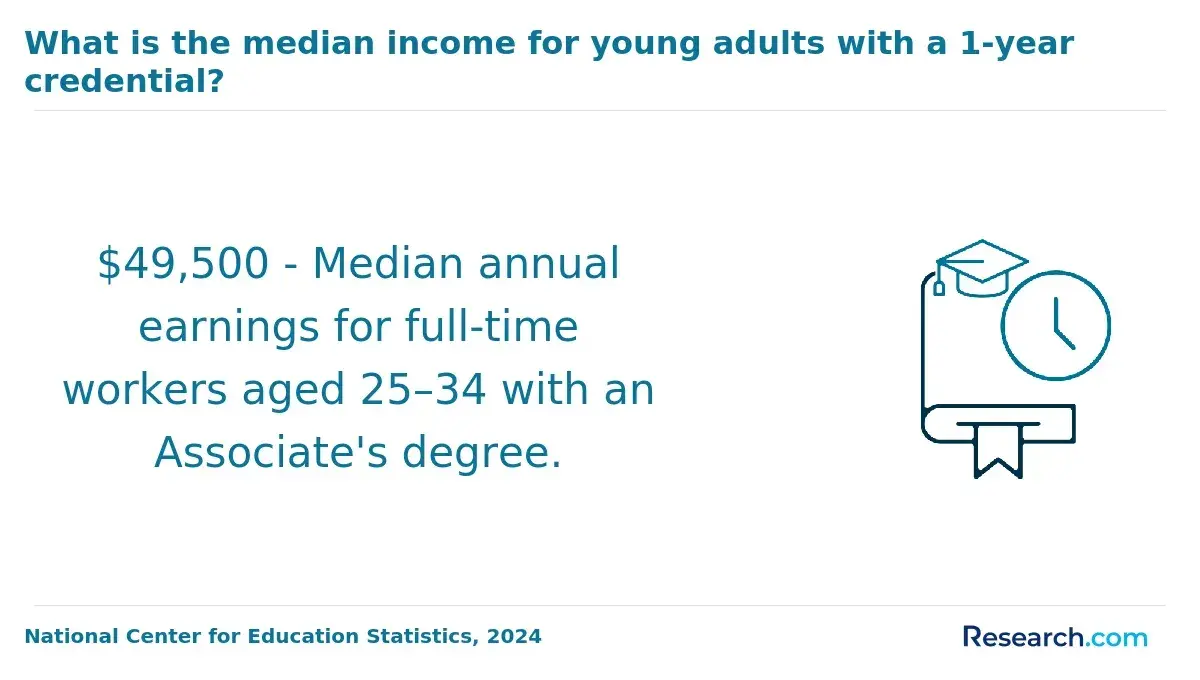
The timeframe for completing an online forensic science degree significantly influences employability and readiness for technical roles. Associate degrees typically require about two years and serve well for entry-level positions, whereas bachelor's degrees demand four years and are the baseline credential for most forensic science careers. Accelerated programs compress this to around three years, but this speed can challenge retention of complex material crucial to the field, such as chemistry and criminalistics.
Graduate certificates or master's degrees focused on statistics and data analysis add one to two years, reflecting employer preferences for candidates skilled in quantitative methods. For working adults balancing jobs with study, part-time options extend duration but facilitate sustainable progress. Practical limitations include completing lab and internship components, which online programs attempt to replicate virtually but often must be supplemented by face-to-face experience for professional credibility.
Hiring entities increasingly expect forensic practitioners to demonstrate proficiency in data analysis alongside foundational forensic science knowledge, underscoring the need to evaluate programs for integrated statistics coursework. Additionally, certification processes and prerequisite classes can delay workforce entry, especially if chosen programs lack alignment with industry requirements.
Financially, chemists and materials scientists in forensic roles earn a median annual salary of $86,620 (BestColleges, based on May 2024 BLS data), reflecting the value of comprehensive, science-intensive training. Students must weigh quicker completion against depth and market alignment to optimize career trajectories within forensic science.
How much do online forensic science degrees cost?
Choosing an online forensic science degree requires balancing upfront costs with long-term employability factors, especially given the strong employer preference for candidates blending forensic skills with data analysis. Bachelor's programs range broadly from $15,000 to $40,000, while master's degrees can climb between $20,000 and $60,000, influenced by program length, prestige, and residency. Public universities may offer in-state tuition below $10,000, but many online options apply uniform pricing regardless of location, making the financial landscape complex.
Beyond tuition, candidates must budget for ancillary expenses such as lab kits, specialized software, and potential travel for mandatory in-person practicums, which can add thousands to total costs. These variable fees often determine accessibility, particularly for working professionals balancing education with existing commitments.
Employers in forensic and investigative roles increasingly value data interpretation capabilities, with crime agencies rewarding those who prove competency in applied statistics alongside traditional forensic training. Indeed's data for 2024 reports detective salaries averaging $81,302, emphasizing that degrees incorporating robust data analysis may justify higher investment through improved job placement and earnings potential.
Prospective students should assess each program's alignment with relevant licensure requirements and weigh the tradeoffs between cost savings and skill completeness. Financial aid and employer tuition reimbursement can mitigate expenses but require proactive planning given their varying eligibility and deadlines.
What jobs can you get with this degree?
Employers in forensic science prioritize graduates with strong quantitative skills, particularly proficiency in statistical software and data visualization. These capabilities directly impact the accuracy and speed of evidence interpretation in crime labs, law enforcement, and private investigation settings. Roles like forensic science technicians and DNA analysts require rigorous data analysis to identify patterns critical for case resolutions, highlighting the importance of coursework in statistics and data analysis within online forensic science degree programs.
The demand for forensic science professionals extends beyond traditional crime laboratories. Fields such as corporate compliance, cybersecurity forensics, and insurance fraud analysis increasingly rely on forensic accountants and analysts who can quickly detect anomalies through data analytics. However, transitioning into these sectors often requires additional certifications or practical experience in niche areas beyond academic training.
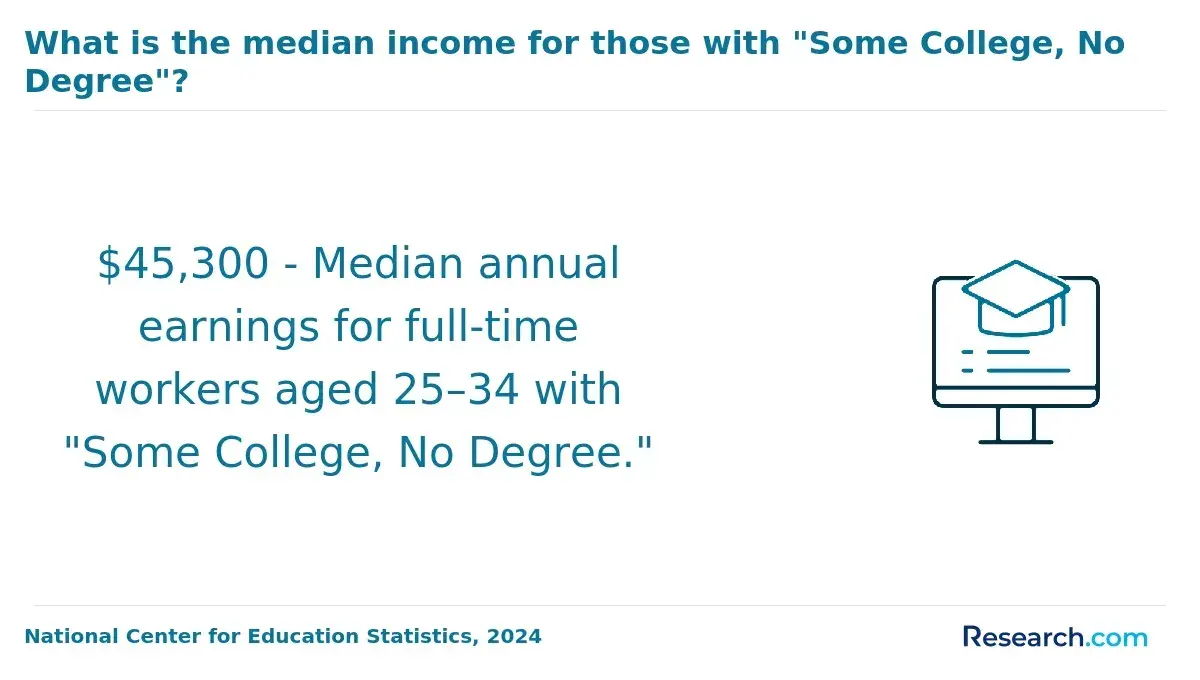
Financially, online forensic science bachelor's degrees average around $10,000 annually before aid, with many students reducing net costs below $5,000. This investment must be carefully weighed against entry-level salaries, which typically range from $45,000 to $60,000, and the competitive nature of regional job markets, including public sector hiring limitations.
Graduates should anticipate technical exams and potential security clearances depending on the role. Continuous skill development in emerging forensic technologies is vital to remain employable and advance professionally. Balancing immediate job prospects against long-term career sustainability is paramount when choosing this educational path.
What is the salary outlook for forensic science graduates?
Forensic science technician roles offer competitive salaries averaging around $64,940 annually, with expected job growth outpacing the overall labor market. However, compensation varies substantially based on geography, employer type, and specialization, making location and sector critical considerations. Federal agencies and urban centers typically pay more, but applicants face heightened credentialing demands and competition.
Graduates should anticipate salary ranges from $55,000 to $75,000 when considering related fields such as detective work or chemical technician positions, which require overlapping analytical and investigative skills. Candidates equipped with strong statistics and data analysis capabilities can position themselves for higher-paying forensic laboratory roles where interpreting complex data streams is essential.
Employers prioritize demonstrated technical proficiency and practical experience. Internships and cooperative education placements during degree programs significantly increase employment prospects in this demanding field. However, initial salaries can be modest and upward mobility may depend on additional education or certifications in criminalistics, chemistry, or investigative practice.
Key considerations for prospective forensic science students include:
- Weighing urban versus rural job markets for salary and competition balance
- Aligning specialization with employer demand for data analysis skills
- Securing field-relevant internships to enhance job readiness and credibility
- Planning for supplemental qualifications to access advancement opportunities
This analytical approach enables informed decision-making about educational pathways relative to workforce realities in the forensic science sector.
Do forensic science careers require certification or licensing?
Certification and licensing are pivotal decision points that directly influence employability and wage prospects within forensic science careers, though they are not uniformly mandated. Federal agencies such as the FBI do not require licensure; however, many state and local employers expect certification from accredited bodies like the American Board of Criminalistics or the International Association for Identification. This expectation creates a practical barrier for job seekers who must navigate disparate credential requirements that differ by forensic specialty and jurisdiction.
For instance, forensic toxicologists often face licensure or registration due to their chemical or medical expertise alignment, whereas crime scene analysts usually do not. This creates distinct tracks where a forensic psychology professional may also require clinical psychologist licensure separate from forensic certification, influencing the educational pathway and credentialing timeline.
Certification involves challenging examinations, minimum experience requirements, and ongoing continuing education. This rigor often correlates with higher median salaries, as evidenced by OnlineU's 2026 data showing top forensic science online graduates earning median salaries near $89,716. Employers weigh these credentials heavily as proxies for validated technical skill and adherence to quality standards, especially within accredited public laboratories.
Without certification, forensic specialists face restricted roles, slower salary growth, and challenges entering high-skill forensic subfields. Aligning academic programs with certification prerequisites upfront enables candidates to avoid redundant training or costly credential gaps post-graduation, a crucial consideration for those plotting a strategic career pivot or advancement in the forensic science workforce.
Other Things You Should Know About Forensic Science
Yes, practical experience through internships or lab courses is essential to complement online learning in forensic science. Most employers expect candidates to have direct exposure to evidence handling, instrumentation, and laboratory protocols, which purely theoretical programs cannot provide. When choosing an online program, prioritize those that integrate supervised fieldwork or require in-person residencies to meet employer standards and improve job readiness.
Programs that combine forensic science with robust statistics and data analysis training significantly enhance career options beyond traditional lab roles. Graduates gain skills to interpret complex datasets, which are demanded in roles such as digital forensics, crime data analysis, and quality assurance. Prioritize programs with applied statistics projects that simulate real casework to build competencies valued by law enforcement and private sector employers.
Yes. Many 2027 online forensic science programs with statistics and data analysis coursework require students to use SPSS, R, or similar software for descriptive statistics, hypothesis testing, and evidence interpretation. Some programs expect prior college algebra or introductory statistics before enrollment.
References
- Master Forensic & Crime Analysis part-time - Fresenius https://www.privathochschulen.net/en/courses/legal-sciences/18122
- 2025 Most Popular Online Forensic Science Degrees https://www.onlineu.com/degrees/forensic-science
- Forensic Science Education Programs Accreditation Commission https://www.aafs.org/FEPAC
- Medical School Requirements in 2025: The Definitive Guide — Shemmassian Academic Consulting https://www.shemmassianconsulting.com/blog/medical-school-requirements
- Online data analysis courses and programs | edX https://www.edx.org/learn/data-analysis
- TJB | FSC | Licensing https://www.txcourts.gov/fsc/licensing/
- I have a degree, now what? https://targetjobs.co.uk/careers-advice/career-ideas/i-have-degree-now-what
- Certification https://www.criminalistics.com/certification.html
- How Much Does A Forensic Scientist Make? A Salary Overview https://www.salemu.edu/blog/how-much-does-forensic-scientist-make/
- Data Analysis Courses | Online Courses for All Levels | DataCamp https://www.datacamp.com/category/data-analysis