2027 How to Choose an Online Forensic Science Degree for Laboratory Careers

Co-Founder and Chief Data Scientist
Facing a saturated job market and stringent laboratory certification standards, many forensic science professionals struggle to find programs that align with both rigorous technical training and flexible scheduling demands. The National Center for Education Statistics reported a 45% increase in adult students enrolling in online degrees since 2023, signaling a shift toward remote learning for career advancement.
This growth underscores the need for prospective students to carefully evaluate online forensic science degrees for their laboratory-focused curricula, accreditation, and practical components. This article provides a detailed framework to identify programs that balance academic rigor with accessibility and career-readiness in forensic laboratory environments.
Key Things You Should Know
- The National Institute of Justice reports only 25% of forensic science bachelor's programs integrate accredited lab internships, forcing a choice between faster online completion and employer-preferred hands-on experience, limiting immediate job readiness.
- With forensic technician roles stagnant in growth yet competitive-projected 1% annual increase per Bureau of Labor Statistics-degrees emphasizing DNA and digital forensics improve placement rates in evolving crime labs focused on cyber and biogenetics.
- Median online forensic science degree costs rose 7% from 2023 to 2024 (IPEDS data), compounding delays as extended part-time paths increase total debt without significantly enhancing certification eligibility for roles demanding ASCP or ABC credentials.
What is an online forensic science degree and how does it prepare you for lab careers?
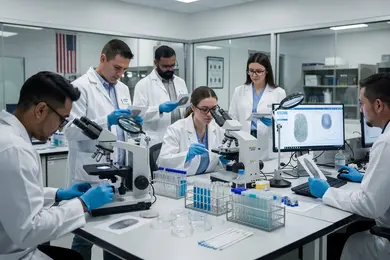
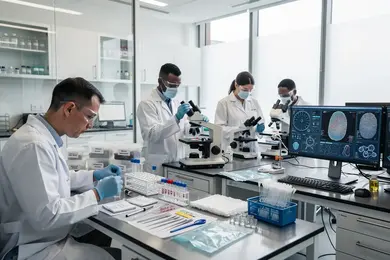
Choosing an online forensic science degree program requires careful consideration of practical training opportunities alongside theoretical coursework. While many programs offer flexible formats suited for working professionals, not all provide the essential supervised fieldwork or partnerships with local labs that validate hands-on competency. This gap can pose a barrier for those seeking laboratory careers, where employers prioritize direct experience with analytical methods like chromatography and DNA profiling over purely academic knowledge.
To navigate these challenges, students must evaluate how online forensic science degree programs for laboratory careers integrate experiential learning that mirrors real-world laboratory demands. For example, remote labs or virtual simulations can supplement training but often cannot fully replace on-site practical work required for credentialing and employment.
The workforce implications are significant: the median annual wage for forensic science technicians is $67,440, with top earners exceeding $110,710, reflecting a market that rewards technical proficiency and up-to-date laboratory technology skills. Programs emphasizing emerging forensic data analytics enhance graduates' hiring potential and salary prospects.
Effective preparation balances accessible online coursework with verified experiential components, giving students the adaptability to meet workforce requirements. Those interested in such paths can explore options in forensic science degree online with attention to these critical factors, ensuring their education translates into lab-ready skills and meaningful career entry points.
Flexibility notwithstanding, understanding how an online forensic science degree prepares you for lab work is essential for making informed decisions aligned with long-term employability.
How do online forensic science programs compare to campus programs for laboratory training?
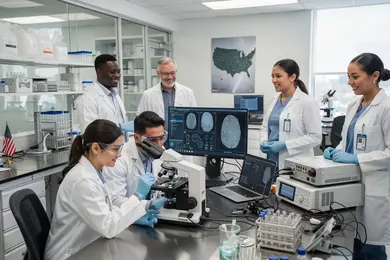
Online forensic science programs consistently fall short in providing hands-on laboratory training compared to campus programs, a critical deficit given the practical demands of forensic science technician roles. Theoretical coursework translates well to online delivery, but core competencies like evidence analysis, chemical testing, and microscopic examination require direct access to specialized lab environments. These skills cannot be fully replicated virtually, making campus programs-or hybrids with supervised, in-person labs-the preferred choice for students targeting forensic biology or chemistry units. The differences in laboratory training quality between online and traditional forensic science degrees materially affect employability, as employers emphasize verified, instructor-led lab experience when selecting candidates.
Some online programs attempt to bridge this gap by requiring in-person lab sessions at partner facilities or through immersive summer residencies, adding complexity for students who must navigate scheduling and costs independently. Without these components, graduates may be underskilled for the approximately 2,900 forensic science technician openings projected annually from 2024 to 2034, reflecting a 13% job growth rate.
Prospective students weighing online forensic science programs versus campus programs for hands-on laboratory training should consider how balancing work, local lab access, and program format impacts their readiness for forensic workflows. Those seeking a strategic pivot may also explore an online PhD data science as a complementary path aligned with advancing forensic analytics and digital methods.
What accreditation should an online forensic science degree have for credible lab employment?
Accreditation is a decisive factor when pursuing an online forensic science degree accreditation for lab careers, affecting access to technical roles and employer trust. Regional accreditation establishes baseline academic credibility, but specialized accreditation from the Forensic Education Programs Accreditation Commission (FEPAC) or an equivalent entity is essential for program legitimacy in forensic laboratories. This distinction impacts whether graduates meet industry standards for procedures like DNA analysis and digital forensics, two of the fastest-growing sectors according to CareerExplorer's 2024 labor market analysis.
Employers explicitly prefer candidates from best accredited forensic science programs for laboratory employment, as these programs incorporate rigorous training in evidence handling and compliance with forensic legal requirements. For example, labs focused on DNA specialization rely on graduates trained in nationally standardized methodologies, making FEPAC accreditation a practical threshold rather than a formality. Without it, job seekers often face challenges demonstrating readiness for complex lab environments.
Beyond accreditation, prospective students must assess whether programs prepare them for certification exams such as those from the American Board of Criminalistics and if they provide hands-on virtual labs or partnerships for real-world experience. Limited practical exposure can reduce employability, especially since forensic laboratory roles demand demonstrated technical competence.
When evaluating complementary or interdisciplinary study options, some professionals consult rankings for related fields such as exercise science degrees online to identify programs with strong science curricula that may enhance analytical skills applicable in forensic contexts.
Which forensic science degree levels and majors best support laboratory career pathways?
Laboratory roles in forensic science demand degrees that reflect both technical proficiency and compliance with stringent accreditation standards. Bachelor's degrees in forensic science, biochemistry, or chemistry meet baseline entry criteria, yet specialized majors like molecular biology or forensic chemistry have proven more effective for candidates targeting roles with evidence handling and instrumentation responsibilities. Candidates holding associate degrees rarely move beyond technician positions, limiting opportunities for supervisory or independent casework.
For incumbent professionals pursuing career shifts or promotions, a master's degree emphasizing forensic science or forensic chemistry-with strong practical lab components including method validation and proficiency testing-is often indispensable to stand apart and qualify for management tracks. Online forensic science degree programs for laboratory careers that include hybrid models or regional internships can partially offset challenges posed by remote learning environments, though fully virtual formats frequently fall short in preparing students for the complexities of hands-on instrumentation operation.
Salary data reflecting a 2.4% increase to $71,351 underscores a modest upward trend for the field overall, but investment in advanced, skill-intensive majors will more reliably enhance employability and professional advancement. Prospective students must verify alignment with state and employer certification prerequisites; many forensic laboratories mandate accredited programs with coursework in toxicology, DNA analysis, or trace evidence, and misaligned credentials can impose costly delays or additional certifications.
Understanding the best forensic science majors for lab technician jobs requires balancing practical program quality with certification recognition and career trajectory. Those evaluating educational options should also consider affordability and program reputation, such as those detailed in this library science degree resource, which exemplifies how program selection influences long-term outcomes.
What core courses and lab requirements are included in online forensic science programs?
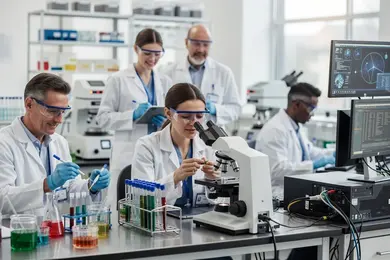
Hands-on laboratory experience remains the decisive factor in evaluating online forensic science programs. While foundational coursework in biology, chemistry, and toxicology is necessary, the inability of virtual simulations to replicate practical lab skills restricts many fully online degrees from meeting employer standards. Forensic roles involving chemical analyses or DNA profiling demand mastery of equipment and protocols through in-person practicum, typically arranged via hybrid program formats or mandatory residencies.
For instance, students pursuing toxicology functions must complete hands-on training in sample preparation and chromatographic methods at accredited laboratories to achieve proficiency. Without such experience, graduates face significant barriers entering laboratory forensic technician or analyst positions, as employers prioritize candidates with documented practical training validated by FEPAC-accredited programs.
Employers' wage tiers reflect this divide: entry-level roles with solid lab experience start between $40,000 and $146,000, while advanced positions requiring medical or related degrees command salaries above $200,000. Prospective students should critically assess program details, especially the logistics and costs associated with mandatory on-site lab work, since theoretical-only curricula undermine employment prospects in forensic laboratories.
- Verify the existence and scope of required lab practicums.
- Confirm partnerships with local forensic facilities for practicums.
- Assess travel or residency commitments for lab training.
What are typical admissions requirements for online forensic science degrees in the U.S.?
Forensic science programs require more than a high school diploma; most U.S. bachelor's tracks expect applicants to have completed at least a year of college-level natural science coursework. This baseline is intended to prevent delays caused by missing foundational knowledge in biology, chemistry, and math that are essential for technical proficiency in the field. Associate degrees offer some high school entry points but limit immediate access to advanced, laboratory-intensive roles.
Admission processes typically demand official transcripts and may require standardized tests like the SAT or ACT, though many programs increasingly waive these in favor of strong GPAs and relevant coursework. Practical experience through internships or lab work, while not universally mandatory, substantially enhances competitiveness by demonstrating applied skills aligned with employer expectations.
Working professionals switching into forensic science often improve their candidacy with documented certifications or relevant employment in allied health or scientific labs. However, they must also consider that degree completion involves science core requirements, which frequently include virtual simulations but occasionally require in-person lab sessions-an important logistic factor when selecting programs.
Professionals with a BS in forensic science earned a median annual wage of $64,940, a figure that reflects the value of meeting entry standards carefully aligned with workforce needs. Students neglecting prerequisite sciences risk extended timelines or incomplete program outcomes, so viable pathways are those with transparent, realistic entry criteria tied closely to employable skills.
How long do online forensic science programs take and what do they cost?
Completing a forensic science program requires balancing duration, cost, and practical exposure to maximize employability. Associate degrees typically take 18 to 24 months, bachelor's degrees span 3 to 4 years, and master's programs extend from 18 to 30 months. Part-time study lengthens timelines but accommodates working professionals.
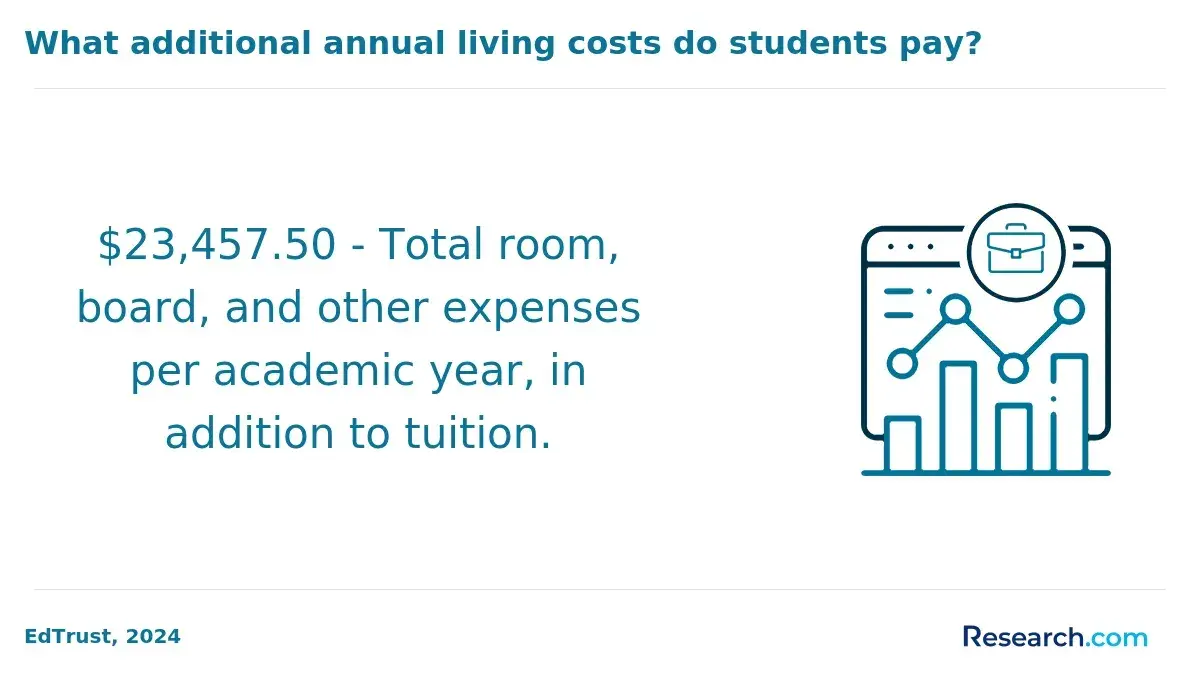
Tuition costs vary substantially: public in-state rates range from $7,000 to $15,000 annually, while private or out-of-state programs may exceed $40,000 per year. Graduate programs often cost $15,000 to $35,000 in total, excluding fees for materials and certification exams, which add $1,000 to $3,000. Prospective students must weigh these expenses against career prospects, bearing in mind that federal forensic science roles average $119,630 annually-significantly higher than state and local positions, which average between $69,540 and $73,860 according to data analyzed by UC Davis.
The completion speed impacts workforce entry: accelerated programs benefit career switchers needing rapid upskilling, whereas longer, affordable part-time options reduce financial strain but delay employment. Employers insist on accredited programs featuring practical labs, sometimes requiring regional partnerships or short in-person residencies. Candidates without local access should verify hybrid formats and lab availability to ensure hands-on competence.
- Faster completion suits those targeting immediate career pivot or promotion.
- Lower-cost, part-time paths provide flexibility but may increase time to employment.
- Accreditation and lab hands-on experience are non-negotiable for employer recognition.
What laboratory-focused forensic science jobs can you get with an online degree?
Forensic science roles demanding laboratory skills are challenging to secure with purely online degrees unless programs provide authentic lab experience through virtual simulations or hybrid arrangements. Positions such as forensic toxicologist, DNA analyst, crime lab technician, and forensic chemist require proven expertise in techniques like chromatographic separation, spectrometry, DNA sequencing, PCR amplification, and STR profiling. Absence of practical training limits a graduate's ability to meet employer standards for handling sensitive evidence and complex workflows.
Consider the DNA analyst role: familiarity with polymerase chain reaction (PCR) and short tandem repeat (STR) analysis is standard, and online curricula must replicate these practical skills via externships or virtual labs to be credible. Crime lab technicians confront multidisciplinary evidence processing that demands balancing chemical, biological, and physical analyses under strict quality assurance protocols.
Market data forecasts a 13% growth rate for forensic scientists over the decade, translating to approximately 2,600 openings annually, predominantly in state or federal labs, medical examiners' offices, and private consultancies. However, geographic constraints on accessing accredited laboratory experiences and navigating certification requirements can restrict opportunities for online graduates.
- Students should prioritize programs with established lab partnerships enabling local hands-on internships.
- Understanding chain-of-custody procedures and regulatory compliance remains essential for employability.
- Employers often weigh traditional lab credentials more heavily than online-only training.
What is the salary outlook and demand for forensic science laboratory professionals?
Salary growth in forensic science laboratories-from $68,572 in 2023 to $71,351 in 2025-reflects tangible demand shaped by advancing technology and complex caseloads. This expansion, especially evident in urban and federal labs, places a premium on candidates who combine technical knowledge with proficiency in digital evidence tools and compliance protocols.
Entry to these roles remains constrained by security clearances, certifications, and strict chain-of-custody requirements. Practical experience or targeted training directly influences hiring potential, making online forensic science degrees that include virtual labs and certification preparation more than theoretical exercises-they address real workforce barriers. However, routine work environments in smaller municipal labs may offer fewer opportunities for wage growth or skill diversification.
From a career stability standpoint, salary gains often plateau without movement into supervisory or interdisciplinary positions. Pursuing dual competencies, such as data analytics or cybersecurity alongside forensic science, strategically broadens employability and mitigates earnings stagnation.
Hiring managers increasingly seek candidates capable of adapting to evolving investigative workflows, emphasizing rigorous, current curriculum integration with real-world technologies. For prospective forensic science students or career changers, the tradeoffs between specialized focus and interdisciplinary skills warrant careful consideration to align educational investment with realistic labor market returns.
How can you evaluate and choose a reputable online forensic science program for lab work?
Selecting an online forensic science program demands scrutiny of accreditation and practical training integration to meet laboratory realities. Regional accreditation combined with programmatic approval from organizations like FEPAC ensures foundational rigor, but without hands-on components such as virtual labs, supervised internships, or forensic lab partnerships, graduates risk a disconnect from entry-level job demands.
Curriculum depth directly impacts employability. Programs must cover essential forensic areas-DNA analysis, toxicology, crime scene processing-while embedding modules on instrumentation, quality control, and lab safety. These specifics align with technician roles requiring precision and regulatory compliance. Graduates who emerge without transparent employment outcomes or demonstrated employer ties may face extended job search challenges in a competitive market.
Balancing synchronous and asynchronous coursework affects those navigating current lab support roles or career shifts, making program flexibility a critical factor. Yet, in-person practicum or capstone projects remain indispensable for verifying competency despite the online format, presenting logistical tradeoffs for working students. One must weigh convenience against mandatory hands-on exposure.
The forensic science technician workforce will add approximately 2,300 positions in the next decade, primarily to replace retiring personnel, totaling about 11,600 roles nationally. Prospective students should assess how programs' technical rigor and real-world exposure mesh with evolving evidence analysis practices and litigation support demands to maintain relevance and job-market competitiveness in forensic labs.
Other Things You Should Know About Forensic Science
Hands-on lab experience is essential for forensic science careers but online programs vary on how they deliver it. Some offer virtual simulations or require short in-person residencies, while others expect students to secure local lab internships independently. When choosing a program, prioritize those with mandatory, supervised lab components or well-established partnerships with accredited labs to ensure you gain practical skills employers require.
Not all online forensic science degrees align their curriculum with certification exam requirements like those from the American Board of Criminalistics. Programs that integrate coursework targeting these certifications provide clearer career advantages. Look for online degrees explicitly designed to cover exam content and offer exam preparation resources, as this alignment impacts your readiness and employer perception significantly.
Yes. Many 2027 online forensic science degrees require 1 to 3 short campus residencies or intensive lab weekends so students can complete microscopy, evidence handling, and instrumentation training. Check whether the residency is mandatory, how many days it lasts, and whether travel costs are extra.
A 2027 online forensic science degree can align with industry requirements by incorporating up-to-date curriculums, hands-on virtual labs, and partnerships with forensic organizations. Checking accreditation by recognized bodies ensures the program meets professional standards, supporting a smooth transition into lab careers.
References
- How To Become a Forensic Scientist: Requirements & Steps https://www.forensicscolleges.com/blog/htb/how-to-become-forensic-scientist
- Careers in Forensic Sciences - ASCLS https://ascls.org/careers-in-forensic-sciences/
- Online Forensic Science Degree https://www.aiuniv.edu/degrees/criminal-justice/bachelors-forensic-science
- Guide To Forensic Science Careers | LearnHowtoBecome.org https://www.learnhowtobecome.org/career-resource-center/forensic-science-careers/
- What job can I get with a degree in Medical, Molecular or Forensic Science? https://www.murdoch.edu.au/news/blogs/blog-posts/campus-and-community/what-job-can-i-get-with-a-degree-in-medical-molecular-or-forensic-science