2027 Online Forensic Science Degrees With Scholarships for Adult Learners

Co-Founder and Chief Data Scientist
Criminal investigations increasingly demand professionals who can apply advanced forensic science techniques swiftly and accurately-yet many mid-career adults face limited access to relevant education without disrupting their jobs. According to the National Center for Education Statistics, enrollment in fully online bachelor's and master's programs grew by over 12% in 2023, demonstrating a clear shift toward flexible learning models. This transition responds to the workforce's pressing need for timely retraining and certification without sacrificing existing career momentum.
However, discerning which online forensic science programs offer genuine rigor, practical skills, and financial support remains a major challenge for prospective students. This article presents up-to-date online forensic science degrees with scholarships tailored for adult learners, enabling informed choices that balance accessibility, affordability, and career advancement.
Key Things You Should Know
- National Center for Education Statistics data reveals adult learners in 2024 face average tuition costs rising 4.5% annually, forcing strategic scholarship prioritization to mitigate debt impact while pursuing forensic science degrees.
- Bureau of Labor Statistics projects 14% job growth for forensic science technicians through 2032, heightening employer demand for candidates with updated, applied credentials rather than generic degrees.
- Tradeoff emerges as accelerated online forensic science programs reduce time-to-degree but may limit depth of hands-on lab experience critical for high-level forensic lab roles, influencing employability.
What are online forensic science degrees and how do they work for adult learners?
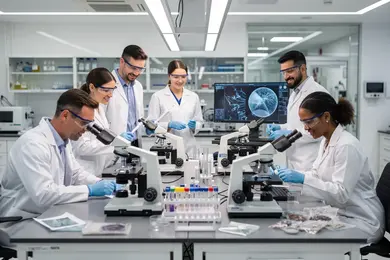
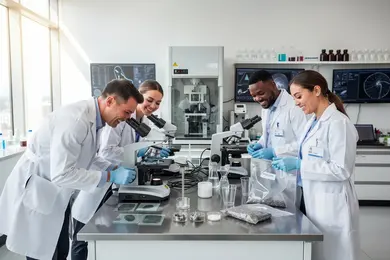
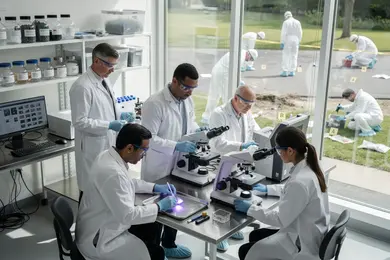
Online forensic science degrees for adult learners offer a flexible, technology-driven path but require careful navigation of real-world constraints. While asynchronous courses and virtual labs enable working professionals-such as law enforcement officers preparing for promotion-to study complex topics like DNA analysis after shifts, mandatory in-person components like lab practicums often necessitate coordinating local site placements. This tension between flexibility and hands-on experience is a core challenge when assessing how online forensic science programs support adult students.
The reality is that employers in forensic pathology and cybercrime units favor applicants with verifiable, practical experience alongside theoretical knowledge. Candidates must proactively secure internships or certifications, often without institutional facilitation, to build credible resumes. Adult learners need to weigh the value of flexible pacing against potentially limited access to physical crime scenes, which may affect skill acquisition compared to traditional campus programs.
Key considerations for prospective students include accreditation rigor, the availability of career services, and partnerships with local agencies for practical exposure. For those exploring career pivots or advancement, understanding these operational tradeoffs is critical. In related fields, exploring jobs I can get with a masters in forensic psychology may provide complementary opportunities and insights into specialized career trajectories.
How do online forensic science programs compare with campus-based options for flexibility and quality?
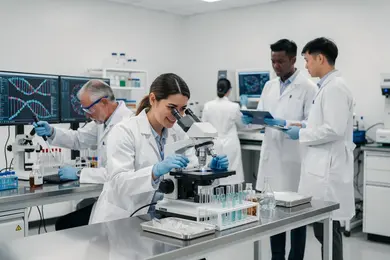
The practical value of online forensic science degree flexibility comparison lies in understanding how program design impacts working professionals. Online formats provide crucial asynchronous study options, allowing learners to maintain jobs and family responsibilities without relocating or reducing hours. This flexibility aligns with a 13% projected technician employment growth and median wages near $70,000, emphasizing viable workforce entry points. However, replicating hands-on lab training remains a persistent challenge, often necessitating regional testing sites or supervised internships to ensure technical proficiency.
Quality differences between online and campus forensic science programs significantly influence employability. Employers expect accredited degrees that integrate practical lab components alongside theoretical coursework. Purely online degrees lacking supervised labs risk underpreparing candidates. For example, a career-changer may optimize outcomes by combining weekend labs with online theory, satisfying employer demands for both knowledge and skills. Such hybrid approaches can also align better with state licensing or certification requirements.
In evaluating options, candidates should focus on accreditation status, embedded lab opportunities, and how programs articulate with local certification processes. Given the higher-than-average earnings potential, these factors materially affect long-term career trajectories. Many professionals also benefit from exploring related fields through resources like the data science learning path, which can complement forensic expertise and enhance analytical capabilities.
Which U.S. online forensic science degrees are accredited and offer scholarships to adult students?
Accredited U.S. online forensic science degrees that offer scholarships for adult learners substantially influence career trajectory by reducing financial barriers that often deter mid-career pivots. Programs at institutions like West Virginia University, University of Florida, and Florida Gulf Coast University maintain accreditation from agencies such as the Forensic Science Education Programs Accreditation Commission (FEPAC) or regional accreditors, meeting employer expectations crucial for professional certification and laboratory eligibility.
Scholarship opportunities in these programs extend beyond typical merit and need-based grants, frequently targeting working professionals with prior experience, which can reduce tuition costs by as much as 50% off the $40,000-$120,000 total tuition range noted by the National Center for Education Statistics. Adult learners should assess whether scholarships allow specialization flexibility-particularly for paths like digital forensics-without limiting program choice.
Key decision factors for adult students include program accreditation aligned with forensic laboratories' certification standards and asynchronous coursework to accommodate work schedules. Without strategic scholarship aid considering prior experience, prospective forensic analysts risk a diminished net income gain post-degree, given the sector's competitive salary landscape outlined by the U.S. Bureau of Labor Statistics.
Prospective students evaluating eligibility and cost offsets must request detailed scholarship breakdowns early, weighing true net costs and ROI implications. For those comparing educational options linked to other STEM fields, reviewing requirements for an online computer science degree may illuminate transferable technical skills supporting forensic specializations.
What admission requirements do online forensic science bachelor's and master's programs typically have?
Admission into online forensic science bachelor's and master's programs demands more than meeting minimal academic thresholds; it requires alignment with workforce realities and the pedagogical structure of online study. For bachelor's applicants, a high school diploma or equivalent and a GPA around 2.5 to 3.0 are baseline requirements. Master's candidates must possess a relevant undergraduate degree, often demonstrating foundational coursework in biology, chemistry, or statistics. Practical experience in criminal justice or laboratory environments can substitute some academic prerequisites, reflecting employer demand for applied skills alongside theoretical knowledge.
Many programs also expect letters of recommendation and personal statements that clarify career intent, alongside occasional GRE submissions, though waivers are increasingly granted for working adults. An interview may be required to evaluate motivation and suitability for remote learning's rigors. Beyond academic and experiential qualifications, candidates must verify technical readiness since online formats integrate virtual labs and simulations dependent on reliable internet and compatible hardware.
For professionals balancing employment, some structures like Southern New Hampshire University's competency-based pathways reduce costs by leveraging prior knowledge, expediting completion while enforcing upfront skills assessments. These nuances complicate the admissions landscape for those weighing requirements for enrolling in forensic science bachelor's and master's programs, balancing cost, time, and educational rigor.
Students seeking accessible, affordable online graduate education might also explore options listed in the cheapest MLIS degree online listings, which exemplify cost-effective digital learning models applicable across fields.
How long do online forensic science degrees take and what do they cost, including financial aid?
Completion timelines and financial investment critically shape the value proposition of online forensic science degrees. Associate programs generally conclude in two years, but bachelor's degrees require three to four years full time, often extending to five or more years for working adults balancing external responsibilities. The cost spectrum is broad, with bachelor's tuition at accredited institutions ranging roughly from $15,000 to $35,000 annually, not including ancillary expenses.
Real-world affordability hinges on access to targeted scholarships-merit-based awards between $5,000 and $25,000 per year can substantially lower net costs. Employer tuition reimbursement may further offset expenses but requires strategic alignment to ensure credits transfer and educational goals support career transitions. For instance, a forensic technician in law enforcement might utilize such financial support to expedite a bachelor's degree completion within three years part-time, mitigating debt and improving promotion prospects.
Key tradeoffs include reliance on loans, which can extend repayment periods and constrain early-career financial health. Students should weigh program rigor and availability of practical training options such as laboratory simulations and internships, critical for employability, versus the convenience of fully online formats. Programs lacking these elements risk graduates facing longer job searches and compromised workforce readiness.
- Associate degrees approximately two years
- Bachelor's degrees three to four years full time, five-plus years part time
- Tuition $15,000-$35,000 annually for bachelor's degrees
- Merit scholarships from $5,000 to $25,000 per year
- Loan dependency impacts long-term financial stability
Recent data from national analyses of 2026 online programs highlight that prioritizing schools with strong merit aid and workforce partnerships improves return on investment for adults pursuing forensic science careers.
What core courses and specializations are offered in online forensic science degree curricula?
Online forensic science degrees demand careful navigation of course requirements that blend scientific rigor with legal and ethical knowledge critical for forensic application. Graduates must prove competence in technical areas such as criminalistics, toxicology, and evidence analysis alongside mastery of forensic law and report writing. This multidisciplinary demand poses a substantial challenge for working professionals balancing education with job and family obligations.
Specializations like digital forensics or forensic anthropology align differently with employer needs: law enforcement favors cybersecurity expertise, while medical examiners seek anthropological skills for victim identification. Choosing a specialization involves real tradeoffs between broad forensic versatility and targeted employability in specific sectors.
Curricular structures increasingly incorporate virtual labs or local partnerships for hands-on experience, yet onsite requirements may limit access and delay completion for some students. Programs' mix of synchronous and asynchronous learning affects how well specialization courses fit with mandatory internships and lab components essential for career readiness.
Financial aid parameters, such as the $7,395 Federal Pell Grant cap for 2025-2026, influence pacing; modular terms can help students progress steadily without overload. Prospective students should evaluate how curriculum design supports incremental skill-building toward distinct employer expectations, balancing time, cost, and practical competence for forensic science workforce integration.
What careers can you pursue with an online forensic science degree and what do they involve?
Successfully leveraging an online forensic science degree requires confronting the practical divide between theoretical knowledge and hands-on skill demands. Positions like forensic analysts and crime lab technicians demand meticulous laboratory work and adherence to chain-of-custody standards, which typically extend beyond remote coursework into real-world internships or lab access. Digital forensic examiners must maintain evolving expertise in IT systems and cyber legalities, reflecting a technical specialization that differentiates them from more traditional forensic roles.
Forensic toxicologists face a unique blend of chemical analysis and contextual interpretation tied to medical or legal cases, underscoring the multidisciplinary nature of the field. Transitioning into these careers from related domains such as criminal justice or IT involves strategic investment in certificates and practical training, often supported by scholarships ranging from $2,500 to $10,000 per year. These funding avenues can ease access but do not replace the necessity of meeting employer expectations for regulatory compliance, accreditation familiarity, and software proficiency.
Realistic career planning must weigh these tradeoffs: while online degrees provide foundational knowledge, actual employment hinges on demonstrated experience and sector-specific certifications. For example, a criminal justice professional shifting toward forensic analysis should prioritize internships to satisfy hiring prerequisites, whereas digital forensic roles demand continuous updating of technical skills in response to rising cybercrime complexity.
What salary ranges and earning potential can graduates of forensic science programs expect?
Starting salaries for forensic science graduates typically range from $50,000 to $65,000 annually, influenced heavily by geographic location and employer sector. Digital forensics specialists, however, begin around $70,000 due to high demand for cybersecurity competencies. The U.S. Bureau of Labor Statistics reports median wages near $103,000 for information security analysts, including roles in digital forensics, indicating a significant premium on technical expertise.
The occupational growth for digital forensics is projected at 31% through 2033, outpacing many traditional forensic disciplines. This expansion reflects increasing cybercrime and corporate cybersecurity investments, but also sets a higher bar for ongoing technical certifications such as the Certified Computer Forensics Examiner (CCFE) and GIAC qualifications.
Professionals merging forensic science knowledge with hands-on skills in data recovery, network security, or regulatory compliance often exceed $90,000 within five years, especially in federal agencies or consulting environments. Conversely, forensic examiners in law enforcement usually start lower but gain incremental raises with experience and rank.
Essential considerations for prospective students include:
- Balancing steady, though slower, salary growth in traditional lab roles against dynamic but demanding digital forensics positions.
- Investing in internships or applied projects, which strongly affect initial salary offers and career trajectory.
- Assessing the requirement for continuous skill development to maintain competitive earnings in digital forensics.
What certifications, licensing, and lab or field experience are required for forensic science roles?
Employers in forensic science demand more than academic credentials; they require verified certifications and documented lab or field experience tailored to specific job roles. A bachelor's degree in forensic science or a related STEM field is a baseline, but to access specialized or higher-tier positions, certifications such as those offered by the American Board of Criminalistics (ABC) or the International Association for Identification (IAI) are often prerequisites. Public sector roles regularly mandate state-specific forensic analyst licensing tied to disciplines like toxicology or digital forensics.
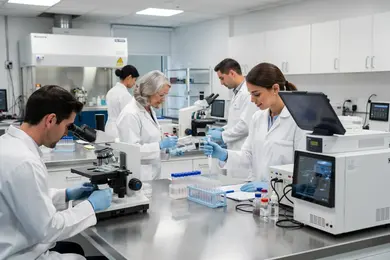
Practical experience is non-negotiable, typically requiring six to twelve months of supervised laboratory work. Field roles add the necessity of law enforcement training and certifications in crime scene processing or forensic photography. Consider the forensic biometrics specialist who must combine certification with hands-on exposure to live investigations to ensure evidence submitted withstands legal scrutiny.
Adult learners balancing employment frequently benefit from online programs that integrate part-time study with local forensic lab internships. These arrangements enable continuation of full-time work while securing the essential, practical experience often unavailable through traditional full-time study. Failing to secure certifications and applicable fieldwork concurrently can effectively stall employability despite having the necessary degrees.
- Entry-level positions require bachelor's degrees plus documented lab experience.
- Advanced roles demand recognized certifications and specialized licensure.
- Hands-on, supervised internships affiliated with law enforcement improve job readiness.
- Adult learners benefit from programs offering flexible schedules aligned with practical placements.
How can adult learners evaluate and choose a reputable online forensic science program?
Selecting an online forensic science program hinges critically on accreditation by recognized bodies like ABET or FEPAC, as this directly influences graduate readiness and eligibility for certifications often required in the field. With a 13% projected growth in forensic science technician roles by 2034, per U.S. Department of Labor data, choosing a non-accredited program risks limiting access to specialized government or law enforcement roles.
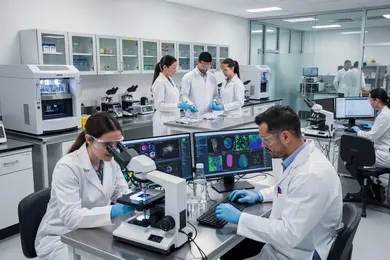
Programs that integrate virtual or supervised lab experiences-such as forensic DNA analysis, toxicology, or crime scene processing-address the practical skills gap that pure theory fails to cover. For adult learners shifting careers, particularly from law enforcement backgrounds, this hands-on component is indispensable to remain competitive.
Employer acceptance varies widely, so prospective students should assess graduate employment rates and seek input from forensic networks and associations to gauge real-world program value. Flexibility is important but should not undermine course rigor since employers prioritize disciplined, practice-ready candidates over mere credential attainment.
When balancing cost, consider institutional outcomes and scholarship availability rather than brand alone. Effective programs demonstrate measurable graduate success in forensic roles, offering a better return on investment by aligning training with industry demands and job placement realities.
Other Things You Should Know About Forensic Science
Online forensic science degrees require consistent discipline due to the technical content and lab simulations often integrated into coursework. Adult learners balancing work and family should expect a workload comparable to traditional programs, with significant time needed for research projects and case studies that build critical analytical skills. Prioritizing programs that offer asynchronous options can reduce scheduling conflicts but won't reduce study intensity or effort required to fully grasp complex scientific methods.
Most reputable forensic science programs include mandatory internships or hands-on lab experiences that cannot be completed entirely online. These requirements affect adult learners by demanding local placement arrangements, which can disrupt work schedules or require relocation for short periods. Selecting a program with strong industry connections near your location or flexible practicum options is essential to avoid logistical challenges and ensure the practical skills employers expect are gained.
Most programs require a laptop with a current operating system, reliable broadband, a webcam, and access to Microsoft Office or Google Workspace. Some classes also use virtual lab software, statistical tools, or case-analysis platforms, and students should confirm whether these are included in tuition or require separate licenses.
Scholarships targeted at adult learners can significantly offset tuition but often come with strict eligibility criteria related to enrollment status, prior credits, or career goals. Prioritizing programs with transparent scholarship offerings tailored to working professionals will improve return on investment. However, relying solely on scholarships should not override evaluation of program quality and alignment with career objectives, since some less expensive programs may lack essential practical components.
References
- Forensic Scientist Salary: State-by-State Median Guide https://www.allcriminaljusticeschools.com/forensics/salary/
- Online Forensic Science Degree https://www.aiuniv.edu/degrees/criminal-justice/bachelors-forensic-science
- 447 Mature students Undergraduate Forensic science Scholarships available https://www.hotcourses.com.br/study/international-scholarships/all/Undergraduate/forensic-science/mature-students/all/cid/2/b18/1175/nty/scholarship24
- Forensic Science Technician Education Requirements: What You Need to Know https://www.scuhs.edu/mshgg-article/forensic-science-technician-education-requirements-what-you-need-to-know/
- How Much Does A Forensic Scientist Make? A Salary Overview https://www.salemu.edu/blog/how-much-does-forensic-scientist-make/
- How to Become a Forensic Science Technician | University of Bridgeport https://www.bridgeport.edu/news/how-to-become-a-forensic-science-technician/
- The Forensic Science Jobs You Can Pursue with Qualifications https://www.stonebridge.uk.com/blog/distance-learning/the-forensic-science-jobs-you-can-pursue-with-qualifications/
- On-Campus vs. Online Law Enforcement Programs: Pros and Cons https://golawenforcement.com/articles/on-campus-vs-online-law-enforcement-programs-which-one-is-for-you/
- Forensic Science Scholarship Guide - Amounts & Eligibility https://www.forensicscolleges.com/blog/resources/15-forensic-science-scholarships