2027 Online Forensic Science Degrees for Students Who Want Technical Investigation Careers

Co-Founder and Chief Data Scientist
Most forensic science professionals confront tight schedules and evolving technical standards while managing practical constraints like geographic relocation or existing job commitments. The Bureau of Labor Statistics projects a 14% growth for forensic science technicians through 2032, signaling rising demand but also intensifying competition for specialized skills. Concurrently, a 2024 National Center for Education Statistics report shows that nearly 45% of adult learners prioritize flexible online programs to balance career and education, reflecting a significant shift in enrollment strategies.
This shift matters because it redefines how aspiring forensic science investigators gain credentials without sacrificing employment stability or relocating. This article examines online forensic science degree options, focusing on how they serve students aiming for technical investigation careers by addressing flexibility, accreditation, curriculum rigor, and workforce alignment.
Key Things You Should Know
- Bachelor's degrees in forensic science offered fully online show a 23% lower median salary at entry compared to hybrid or in-person labs, requiring candidates to weigh cost savings against diminished practical skills by the American Academy of Forensic Sciences.
- Employers prioritize candidates with hands-on crime lab internships and proficiency in instrumentation like GC-MS and DNA sequencers; purely theory-based online programs create hiring challenges documented in 2024 FBI workforce surveys.
- Program length extensions for specialized tracks-such as digital forensics-average 18 months longer and increase debt by 35%, influencing timing decisions for students balancing career pivots versus immediate employment.
What is an online forensic science degree and how does it prepare you for technical investigation careers?
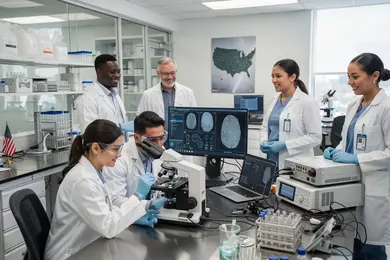
Online forensic science degree programs for technical investigation careers demand a balance between theoretical rigor and hands-on skill development, a combination that challenges remote learners to secure practical experience off-campus. Graduates must demonstrate familiarity with chemical assays, digital forensic tools, and evidence documentation techniques essential to public crime labs or private consulting roles.
The need to integrate virtual methods with fieldwork, such as internships or collaborations with local laboratories, often distinguishes candidates in a competitive job market. This approach can suit working professionals, provided they manage the time and discipline required to master laboratory competencies remotely while pursuing external practice.
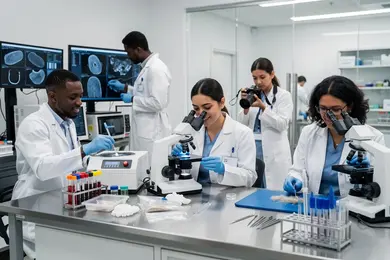
Employers still generally expect a bachelor's degree aligned with forensic science standards, which online programs address through accredited curricula. However, without direct exposure to instruments like gas chromatographs or microscopes, online degrees risk limiting practical readiness despite solid theoretical foundations.
The U.S. Bureau of Labor Statistics projects 13% job growth for forensic science technicians through 2034, emphasizing demand for skilled analysts in crime labs, law enforcement, and corporate security. In this context, how online forensic science degrees prepare students for investigation roles involves navigating real-world tradeoffs between flexibility and the necessity of field experience.
Prospective students should consult resources outlining forensic career paths and salary to align educational choices with market realities and targeted roles.
Are online forensic science degrees respected like campus programs and how do they compare?
The reputation of online forensic science degrees compared to traditional programs depends heavily on practical training availability and employer expectations. While regional accreditation and aligned curricula provide baseline credibility, many employers scrutinize candidates for hands-on skills demonstrated through internships or supervised lab work, which less flexible online-only programs may lack.
For example, crime laboratories generally require applicants with proven experience in evidence analysis or crime scene investigation, often fulfilled through local partnerships or hybrid formats. Without these elements, graduates-even those holding online forensic science degrees-might face prolonged job searches despite comparable academic credentials.
Graduates pursuing roles in forensic chemistry or digital forensic specialties may encounter fewer barriers with online degrees, since proficiency with remote tools and technical skills often outweigh the need for direct lab exposure in these sectors. Salary outcomes align more closely with applied expertise than delivery format; the Bureau of Labor Statistics states the median annual wage for forensic science technicians is $67,440, with the top 10% earning above $110,710.
Students weighing differences between campus and online forensic science degree programs must critically assess access to practical fieldwork and local labs. Accreditation alone does not guarantee employment-readiness; internships and real-world competencies remain essential.
For those exploring related fields or alternative STEM pathways, ranked lists of data science programs provide useful benchmarks on affordability and outcomes.
How can you verify that an online forensic science degree program is properly accredited and legitimate?
Choosing an accredited online forensic science degree program requires more than checking for regional recognition; it demands verifying that the program's academic rigor and credit transferability meet your professional objectives. Many candidates overlook how the absence of regionally accredited credentials can block pathways to graduate licensure or specialized certification exams, significantly limiting workforce mobility.
The spectrum of accreditation includes discipline-specific alignments, such as those following guidelines from the American Academy of Forensic Sciences or the Forensic Science Education Programs Accreditation Commission (FEPAC), which are pivotal for developing hands-on competencies valued by employers. Prospective students should demand transparent reporting on graduate outcomes, including employment rates and the availability of verified internships.
These data points are critical, given forensic careers hinge on both theoretical knowledge and field experience; skipping these aspects can trap graduates in low-employability positions within criminal investigation or legal consulting sectors. Additionally, tuition costs average near $10,000 annually, with financial aid often halving this figure. Programs outside this range without demonstrable return should prompt caution.
State licensure and certification eligibility remains a frequently underestimated factor. Not all online programs qualify graduates to sit for essential credentialing exams, potentially causing costly delays postgraduation. For those comparing related legal or investigative fields, resources like the online exercise science degree analysis can offer useful parallels in balancing cost, accreditation, and career fit in interdisciplinary contexts.
In sum, verifying accredited online forensic science degree programs requires comprehensive due diligence on institution credibility, program alignment with professional standards, outcomes transparency, and statutory eligibility to avoid career dead ends.
What types of online forensic science degrees are available and which level should you choose?
Entry into forensic science technician roles almost always requires at least a bachelor's degree due to stringent technical competencies and employer expectations. An associate degree limits access primarily to technician support jobs with constrained autonomy and slower career progression. Working professionals should weigh the tradeoff between faster certificate programs, which enhance skills but rarely qualify candidates for independent forensic technician roles.
Online forensic science degree programs that lead to master's degrees are critical for specialization in areas such as DNA analysis, digital forensics, or toxicology. Such graduate credentials are frequently prerequisites for leadership positions or consulting work within forensic science. For example, a laboratory assistant pursuing advancement often finds that a bachelor's degree followed by targeted master's-level credentials is the most efficient path to meet qualifying criteria and secure desirable roles.
The US Bureau of Labor Statistics projects approximately 2,700 annual openings for forensic science technicians through 2033, indicating a competitive but sustained job market influenced by candidates' formal education and practical skillsets. Candidates' alignment with accredited programs emphasizing laboratory procedures and legal standards strongly impacts employability.
Career decisions in forensic science should integrate an understanding of how degree levels correlate with attainable job functions. A practical step beyond forensic science involves complementary fields; for instance, exploring a degree in library science can broaden information management skills relevant to evidence handling. Thoughtful navigation of degree levels and career paths is key to matching education to anticipated roles.
What courses and technical skills are typically taught in online forensic science programs?
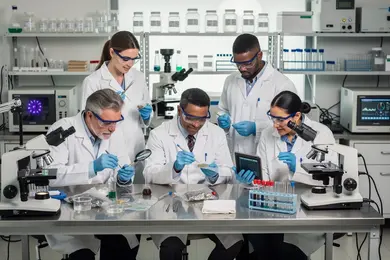
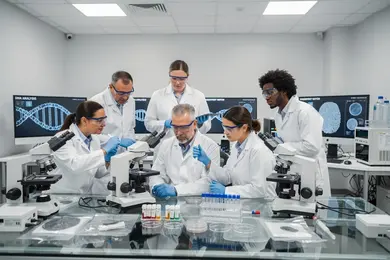
The value of online forensic science programs lies in their technical rigor combined with practical application, where mastering laboratory instrumentation and digital forensics software directly aligns with employer demands in criminal justice and corporate security. Students who gain proficiency in operating tools like gas chromatographs, mass spectrometers, and forensic databases are positioned to navigate complex evidence analysis scenarios.
These programs train students in DNA extraction and interpretation, essential for violent crime investigations, while also incorporating statistical data evaluation and professional ethics to prepare candidates for courtroom testimony. A critical workforce consideration is that graduates lacking both hands-on lab experience and digital forensic skills risk narrowing their job prospects in an environment increasingly defined by technical complexity and cross-disciplinary expertise.
Key operational skills covered include:
- Evidence collection and handling compliant with legal standards
- Analysis techniques using chromatography, spectroscopy, and DNA sequencing
- Digital data recovery and cyber intrusion tracing
- Utilizing chemometrics and forensic databases for accurate interpretation
Given the average master's program cost between $11,000 and $25,000 and a median technician salary near $67,440, investing in advanced forensic science education must weigh practical return against time and financial commitments. Those aiming to pivot or advance in forensic analysis roles benefit most from programs emphasizing both digital forensics and traditional laboratory methodologies.
What are the usual admission requirements for online forensic science degree programs?
Admission to online forensic science degree programs demands more than a GPA threshold; it often requires a STEM foundation in subjects like biology or chemistry critical for mastering advanced lab techniques and investigative protocols. While a minimum 3.0 GPA is standard, hiring managers frequently value documented professional experience or certifications in law enforcement or legal environments equally, if not more.
Applicants should prepare to submit transcripts, GRE scores-if required-and detailed personal statements that clarify forensic interests, such as emphasis on digital versus chemical forensics. For those pivoting mid-career, reliable access to compatible technology is essential since many courses utilize remote labs or virtual simulations that demand specific hardware and stable internet.
In practice, lower GPAs can be offset by relevant work experience transparently communicated through resumes and recommendations; however, programs will often require proof of competency in foundational science courses to ensure technical readiness. The National Center for Education Statistics reports an average graduate program cost near $19,749, which necessitates evaluating return on investment relative to career outcomes and role requirements.
From a workforce perspective, many employers prioritize practical skill demonstrations and certifications over generalized academic records, so prospective students must assess if the program's admission rigor and curriculum align with employer expectations for forensic investigation roles.
How long do online forensic science degrees take and what do they cost to complete?
Completing a degree in online forensic science demands careful alignment of educational timelines with professional obligations. Bachelor's degrees typically span four years full-time, though pace adjustments through part-time or accelerated formats are common. Graduate programs, particularly master's degrees in digital forensics and cyber investigation, often run 18 to 24 months, with some intensive paths compressible to one year.
These durations materially affect working students balancing jobs and study, where intensive schedules may hinder concurrent employment. Tuition costs vary notably by institution and residency, with in-state public university bachelor's programs averaging $12,000 to $30,000, based on $300-$600 per credit hour. Graduate-level digital forensic programs range broadly between $20,000 and $40,000, while private institutions frequently exceed $50,000.
Such financial considerations should be weighed against the program's capacity to integrate internships or co-op components, which extend the timeline but increase practical readiness. Employers in forensic-related fields prioritize candidates who combine technical mastery with proven hands-on experience and certification preparedness.
For example, the University of Maryland Global Campus reported median earnings of $111,361 for graduates of its MS in Digital Forensics and Cyber Investigation, reflecting the tangible value of programs well-calibrated to market demands. Transfer credits and stackable credentials reduce time and cost but require disciplined study habits to avoid compromising work-life balance.
- Longer programs better accommodate professional pacing but delay workforce reentry.
- Accelerated options suit those able to dedicate full-time effort but limit employment flexibility.
- Financial investment rises with program rigor and workplace integration elements.
What forensic and technical investigation careers can you pursue with an online forensic science degree?
Choosing an online forensic science degree demands scrutiny beyond curriculum content to how effectively it prepares students for technically nuanced roles such as crime scene investigation, digital forensics, and forensic toxicology. For example, a crime scene investigator must master contamination controls and scene documentation-skills that online courses try to replicate through lab simulations and case-study methods.
Without hands-on internships or partnerships with law enforcement, graduates risk lacking the practical expertise employers require. Digital forensics positions continue to expand due to rising cybercrime, requiring specialized skills in data recovery, encryption, and network analysis. These areas suit remote learning's digital format but often need additional, self-directed software training to reach proficiency.
Employers prioritize candidates who demonstrate both certifications and proven field experience, which purely online programs may struggle to deliver directly. Projected employment growth of 12.8% for crime scene investigators, as noted by ASU Online, signals demand but also highlights a slower trajectory for advancement without on-site experience or advanced specialization.
Students evaluating online forensic science degrees should consider program integration of applied skills, availability of supervised internships, and alignment with state-specific certification requirements. These operational factors affect employability and career progression more decisively than generic degree attributes.
What salary ranges and job outlook can forensic science graduates expect in the United States?
Forensic science graduates face a clear employment divide shaped largely by employer sector and geographic demand. Salaries peak in local and state government roles, often surpassing $80,000 annually in metropolitan areas with heavy caseloads, while medical and diagnostic laboratory positions typically offer between $55,000 and $65,000, reflecting narrower responsibilities and limited budgets.
The job outlook projects about 8% growth over a decade, aligning with average occupational expansion but veiled by intense competition. Government forensic roles require navigating complex hiring hurdles, such as background checks, security clearances, and sometimes relocation to high-demand locales. Meanwhile, diagnostic lab work demands technical precision and advanced science degrees but offers less pay and fewer advancement prospects.
Choosing between these paths means weighing priorities:
- Government positions provide higher pay and job stability, tied to criminal justice funding cycles.
- Private and lab roles emphasize scientific research environments with predictable schedules but limited financial upside.
This tension shapes practical career planning - forensic science students aiming for tangible financial returns and stability must target public agencies, whereas those valuing controlled, research-focused work accept tradeoffs in compensation and progression. Aligning education with these realities ensures more strategic, outcome-oriented trajectories.
Are there certifications, licensing, or background requirements for forensic science and crime lab careers?
Forensic science careers demand more than academic credentials; they hinge on meeting specific certification, licensing, and background requirements that vary significantly by jurisdiction. A bachelor's degree in forensic science or related fields like biology or chemistry is a typical baseline, but practical lab experience-often through internships-is critical for employability. Certifications from bodies such as the American Board of Criminalistics bolster a candidate's profile but are rarely mandatory.
Licensing requirements are uneven and often state-specific, especially when candidates handle controlled evidence or specialized equipment. Extensive background checks-covering criminal history, drug use, and sometimes polygraph tests-are standard in most government and law enforcement roles, limiting access for those with certain criminal records.
For instance, an applicant with a minor conviction might gain employment in private forensic analysis but be barred from federal lab positions, demonstrating how legal and clearance considerations affect career pathways. Students and career changers must carefully evaluate state laws and agency requirements before investing in education to avoid misaligned qualifications.
The United States Bureau of Labor Statistics projects a 14% growth in forensic science technician jobs through 2033, emphasizing that proficiency in technical skills along with credential compliance shapes long-term career sustainability.
- Bachelor's degree plus relevant lab experience usually required
- Certifications add credibility but are not universal mandates
- Licensing varies by state and evidence-handling responsibility
- Stringent background checks limit eligibility for many government roles
- Federal and private sector opportunities differ significantly on clearance criteria
Other Things You Should Know About Forensic Science
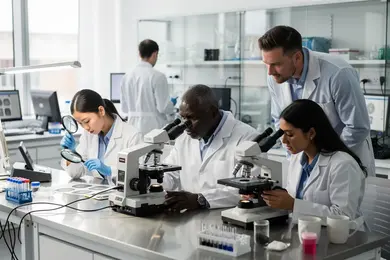
Hands-on lab experience is critical for forensic science careers, but online programs vary widely in how they address it. Some include virtual simulations or require local lab participation, while others may bypass this component entirely. Prioritize programs that offer supervised hands-on labs or internships, as employers expect practical skills beyond theoretical knowledge. Without this, graduates may struggle in technical roles that demand proficiency with forensic tools and protocols.
Online forensic science degrees can match or exceed traditional program workloads, especially because students must manage time independently and often engage in intensive self-directed learning. The flexibility of online study is accompanied by the need for strong discipline and technical self-sufficiency. Students should be prepared for significant reading, data analysis, and report writing outside of video lectures, which can demand more hours than face-to-face classes. Those balancing work or family responsibilities must realistically assess if they can sustain this level of commitment.
Many online forensic science degrees require a supervised internship or practicum for graduation, often one term or about 120 to 240 hours. Programs may place students with crime labs, medical examiner offices, or police departments, and some require background checks before site approval.
References
- Top Online Forensic Science Degree Programs https://www.forensicscolleges.com/online
- Forensic Science https://icieducation.com/courses/law-justice/forensics/
- Forensic Science Technician Education Requirements: What You Need to Know https://www.scuhs.edu/mshgg-article/forensic-science-technician-education-requirements-what-you-need-to-know/
- Online Bachelor's Degree in CJ - Forensic Investigation https://www.coloradotech.edu/degrees/bachelors/criminal-justice/forensics
- Is Your Online Degree Legitimate? How to Verify Private University Approval https://matchtocollege.com/blog/verify-private-university-online-degree-approval
- List of Bachelors in Forensic Science Programs - Campus & Online https://yescollege.com/degrees/bachelors-in-forensic-science/
- Forensic Scientist Salary: State-by-State Median Guide https://www.allcriminaljusticeschools.com/forensics/salary/
- How Much Does A Forensic Scientist Make? A Salary Overview https://www.salemu.edu/blog/how-much-does-forensic-scientist-make/
- Online Forensic Science Degree https://www.aiuniv.edu/degrees/criminal-justice/bachelors-forensic-science
- Guide To Forensic Science Careers | LearnHowtoBecome.org https://www.learnhowtobecome.org/career-resource-center/forensic-science-careers/