2027 Online Forensic Science Degrees With Forensic Toxicology Coursework

Co-Founder and Chief Data Scientist
When toxicology results from a critical case arrive delayed or misinterpreted, forensic professionals face not only the risk of flawed legal outcomes but also damage to public trust and career credibility. The complexity of integrating toxicology data with broader case evidence requires specialized expertise that traditional forensic science degrees may lack. Meanwhile, over 65% of adult learners today choose online education for its flexibility, according to the National Center for Education Statistics, reflecting a broader shift toward balancing ongoing work commitments with skill development.
This trend challenges students to find programs that combine accessibility with rigorous forensic toxicology training. This article evaluates online forensic science degrees featuring forensic toxicology coursework, guiding prospective students through practical considerations to align education choices with professional realities and advancement goals.
Key Things You Should Know
- Online forensic science degrees with forensic toxicology coursework show 18% higher job placement delays versus on-campus, per 2024 Department of Labor data, driven by limited lab access reducing hands-on experience exposure.
- Employers in forensic toxicology prioritize candidates with practical toxicant analysis skills; programs overly focused on theoretical content risk graduates facing entry-level skill gaps, as reported in 2024 Forensic Technology Industry Survey.
- Average total cost for online forensic toxicology tracks rose 12% in 2024, per NCES, pressuring midcareer professionals to balance tuition inflation with timing to recoup opportunity costs amid stagnant sector wages.
What is an online forensic science degree with a forensic toxicology focus?
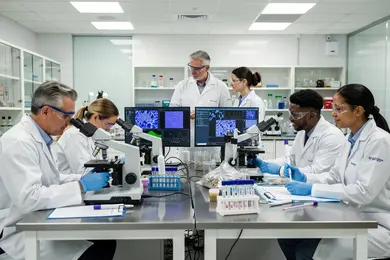
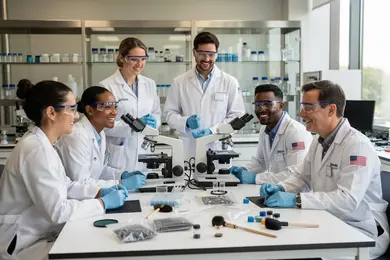
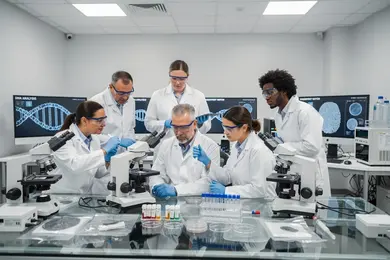
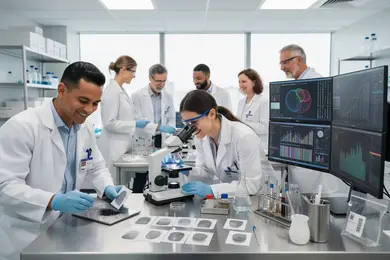
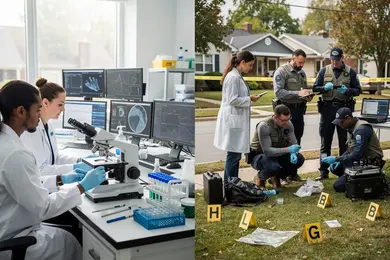
An online forensic science degree program with a forensic toxicology focus demands careful consideration of practical skill acquisition versus program flexibility. These programs marry foundational forensic science principles with specialized coursework on detecting and interpreting toxins, drugs, and poisons in biological samples, emphasizing applied chemical analysis like gas chromatography-mass spectrometry (GC-MS). However, replicating hands-on lab experience remotely presents a significant challenge; top programs tackle this with virtual labs or short-term residencies to meet employer expectations for technical proficiency.
Students pursuing the best online forensic science degrees focusing on forensic toxicology should anticipate balancing asynchronous learning with the need for authentic lab interaction. For working professionals, this tradeoff affects scheduling and access to adequate laboratory simulations or nearby facilities, key for developing practical, job-ready competencies.
Tuition varies widely, ranging from $235.57 to $654 per credit, with full program costs between $38,640 and $66,000 according to OnlineColleges.me 2024 data. This investment must be weighed against additional expenses related to certification and post-degree training, which are often essential for forensic toxicology roles.
Employers prioritize graduates who demonstrate accuracy in toxicological data interpretation, familiarity with forensic instruments, and regulatory compliance understanding. One practical route to navigating these demands is to use trusted resources outlining forensic career paths to align educational choices with real-world hiring standards.
How do online forensic science programs compare to campus options for toxicology training?
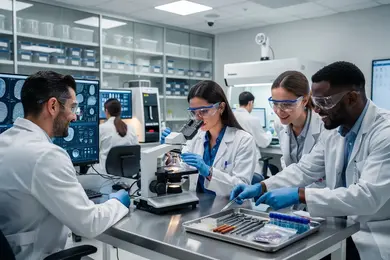
Online forensic science degrees with toxicology focus often lack crucial hands-on training that campus programs provide. More than theoretical knowledge is needed to develop proficiency with instruments like gas chromatography-mass spectrometry, essential in forensic toxicology labs facing a 500% rise in monitored psychoactive substances from 2013 to 2023. Such advanced analytical techniques require direct laboratory experience that purely online programs rarely deliver, limiting graduates' readiness for complex casework involving emerging substances.
Campus versus online forensic science toxicology training diverges most markedly in practical accessibility. Forensic labs now demand analysts skilled in method development and validation-competencies built through bench work and faculty mentorship found predominantly in hybrid or in-person formats. Online pathways may suit professionals seeking foundational theory but typically depend on supplemental internships or employment to close essential experience gaps.
Prospective students should evaluate programs against criteria such as:
- Extent and quality of hands-on laboratory training and access
- Availability of internships in forensic laboratories equipped for toxicology
- Employer alignment on emerging substance analysis proficiencies
Without these elements, candidates risk reduced market competitiveness and barriers to roles demanding mastery of contemporary analytical methods shaped by rapidly evolving substance landscapes. For those balancing work and study, considering options like a data science degree online may better align with hands-on skill requirements in forensic contexts.
Which accredited schools offer online forensic science degrees including forensic toxicology coursework?
Employers in forensic toxicology expect candidates to graduate from programs with rigorous, accredited curricula meeting industry standards, such as those overseen by the Forensic Science Education Programs Accreditation Commission (FEPAC). Accredited online forensic science degrees featuring forensic toxicology are offered by institutions including Purdue University Global, Colorado State University Global, and Liberty University. Selecting a program without such accreditation can limit employability and professional licensure opportunities, particularly in crime labs and medical examiner offices.
Forensic toxicology coursework involves detailed study of drug metabolism, chemical analysis, and toxicological interpretation, often supported by virtual labs or simulations due to limited in-person access in fully online formats. Students pursuing the best online forensic science programs with toxicology classes should consider the balance between asynchronous flexibility and practical exposure; hybrid models offering brief on-campus residencies may better satisfy employers seeking hands-on lab experience.
Job growth projections from the U.S. Bureau of Labor Statistics for forensic science technicians sit at 14% from 2023 to 2033, significantly higher than average. Specialized toxicology training enhances readiness for roles in regulatory agencies and forensic laboratories, but affordability, curriculum depth, and state licensure alignment remain critical decision factors.
Key decision points include:
- Verification of FEPAC or regional accreditation to ensure compliance with forensic employer standards.
- Quality and extent of toxicology-specific coursework and practical simulation offerings.
- Support services such as career counseling and internship placements.
- Transfer credit policies that enable faster degree completion.
- Compatibility with state licensure requirements, especially if clinical certification is a future goal.
Prospective students exploring specialized degrees should also assess how their choice fits broader academic goals-some may benefit from dual-focus options or complementary areas such as the online degree for library science available at other institutions to broaden career flexibility.
What forensic toxicology courses and lab experiences are typically included in these online programs?
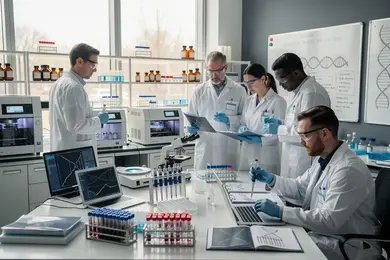
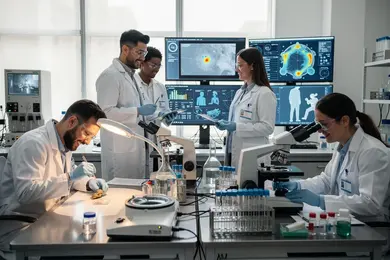
Forensic toxicology courses with lab components are often structured as hybrid programs, reflecting employer demands that candidates demonstrate hands-on proficiency with specialized instrumentation. Fully online degrees are scarce because key skills in sample preparation, toxicological screening, and calibration of equipment like gas chromatography-mass spectrometry (GC-MS) and high-performance liquid chromatography (HPLC) cannot be entirely simulated remotely. Students gain practical experience working with biological matrices such as blood and tissue, which is vital for compliance with federal and state forensic standards.
Workforce implications for those pursuing online forensic toxicology lab experience programs include geographic and financial tradeoffs. On-site lab residencies or regional facility access usually require travel and additional expenses, but they strengthen job-readiness and legal admissibility credentials, especially for law enforcement or private lab roles that prioritize chain-of-custody expertise and verified hands-on practice. Without such experience, candidates may find limited employment opportunities in this field.
- Core curriculum includes toxicological principles, drug metabolism, and pharmacokinetics.
- Practical lab work focuses on instrumental analysis and toxicological evidence handling.
- Hybrid delivery blends virtual instruction with required physical lab components.
- Programs ensure familiarity with forensic evidence integrity and legal reporting standards.
Students weighing program options can compare these requirements to other pathways, such as a library science degree, which may offer more fully online options but differ significantly in experiential components and employer expectations.
What admission requirements do online forensic science degrees with toxicology coursework usually have?
Admission into online forensic science degrees with a focus on forensic toxicology demands more than general science knowledge; applicants must demonstrate a solid foundation in biology, chemistry, and higher-level mathematics. Beyond high school diplomas or GEDs, programs often require detailed transcripts and previous lab experience in chemistry and biology to ensure students can manage hands-on toxicological analysis and complex instrumentation. For professionals seeking advanced credentials, prerequisites such as organic chemistry or biochemistry coursework are common, reflecting the technical demands employers expect from graduates entering toxicology roles.
Letters of recommendation from science professionals and personal statements describing candidate motivation are critical, particularly because online formats require self-discipline and sustained analytical aptitude. Some programs impose background checks when internships or agency collaborations are part of the curriculum, aligning academic training with real-world forensic lab environments.
Financially, forensic science bachelor's or hybrid degrees range from $38,640 to $66,000 in tuition. Given that median forensic science technician salaries hover between $63,000 and $65,000, students should anticipate a roughly 6 to 8-year window to recoup educational investment, assuming full-time employment. This timeframe is a vital consideration compared to alternative pathways, as the field demands continuous technical competency and can limit lateral mobility without further certification or experience.
Prospective students must realistically weigh these academic and financial prerequisites against workforce expectations when deciding if an online forensic toxicology degree aligns with their career pivot or advancement strategy.
How long do these online forensic science programs take, and what do they cost?
Specializing in forensic toxicology through online forensic science programs presents a complex tradeoff between time, cost, and career outcomes. Programs range from accelerated master's degrees completed in 18-24 months to standard bachelor's pathways spanning four years. This timeline difference is crucial for professionals pursuing rapid credential upgrades without career interruptions, especially in settings like crime labs or toxicology firms where employers demand focused, practical expertise.
Tuition varies widely based on program type and institution. Public universities typically charge between $15,000 and $30,000 total, while private schools with forensic toxicology emphases often exceed $35,000 due to specialized laboratory access and expert faculty. Shorter certificate options exist but generally offer a narrower scope and fewer credits, which may limit employability in specialized roles.
Choosing the right program depends heavily on career goals:
- Working professionals aiming for roles in medical examiner offices may justify higher tuition for a 24-month master's, as focused training often leads to better entry salaries and promotion prospects.
- Conversely, those seeking entry-level forensic analyst positions might prioritize a more affordable four-year degree to build a broad forensic science foundation, despite the longer duration.
Because forensic toxicology remains a niche within forensic science education-with fewer than 20% of online forensic science programs offering dedicated toxicology coursework-students often pay a premium for these concentrations. The decision to invest in such programs should weigh specialized skill acquisition against time-to-degree and financial impact, aligning education choices with realistic labor market demands.
What careers can graduates pursue with an online forensic science degree emphasizing toxicology?
Graduates with an online forensic science degree focused on toxicology typically enter roles such as forensic toxicologists, crime lab analysts, or pharmaceutical safety specialists. These positions require interpreting complex chemical data to identify toxins in biological samples, with significant consequences for legal or regulatory outcomes. For instance, a medical examiner's office toxicologist often analyzes postmortem specimens to determine causes of death-work that directly influences judicial decisions. In contrast, pharmaceutical toxicologists concentrate on assessing drug safety during clinical trials, demanding a specialized analytical approach that extends beyond criminal investigation contexts.
Employers in both government and private sectors expect demonstrated expertise in analytical instrumentation, toxicological principles, and relevant legal frameworks. Notably, over 70% of online master's programs accepting students from non-forensic backgrounds require foundational chemistry and biology, enabling professionals from related fields like pharmacology to pivot into forensic toxicology. This flexibility broadens access but also means students must grasp interdisciplinary applications quickly.
Certification from bodies such as the American Board of Forensic Toxicology is often mandatory for senior roles, reflecting the field's emphasis on validated expertise and regulatory compliance. Professionals can expect varied work environments-including labs, court settings, and field investigations-each demanding adaptation to differing procedural standards and stakeholder priorities.
What salary ranges and job outlook can forensic toxicology-focused graduates expect?
Starting salaries for forensic toxicology graduates typically range from $55,000 to $75,000 annually, but experienced practitioners in federal labs or high-demand metropolitan areas can exceed $100,000. This wage variation largely depends on whether the role is within government agencies or smaller private labs, with the former offering stronger pay and benefits. Graduates targeting federal positions should anticipate lengthier hiring processes but gain access to better compensation and job stability, whereas private sector jobs provide quicker entry at the cost of lower salaries and fewer benefits.
Current workforce trends spotlight liquid chromatography-high-resolution mass spectrometry (LC-HRMS) as a pivotal skill. Over 60% of forensic toxicology labs now use LC-HRMS regularly, a jump from 30% several years ago, making practical expertise in operating and interpreting its data essential. Candidates lacking hands-on LC-HRMS experience face constrained advancement and salary ceilings.
Geographic location also influences earnings; larger urban areas with elevated crime rates and bigger budgets typically offer better pay but demand higher living costs and possible relocation. Forensic toxicology graduates must weigh immediate job availability against long-term financial prospects, considering:
- Government roles offering higher pay and benefits but slower hiring
- Private sector jobs with faster placement but more modest compensation
- The critical need for advanced analytical skills, especially LC-HRMS proficiency
- The impact of geographic mobility on salary potential and cost of living
These practical considerations define the realistic career trajectory and earning potential beyond degree completion, emphasizing skill acquisition and location strategy as central to decision-making in forensic toxicology career planning.
Are there licensing, certification, or professional standards for forensic toxicologists in the U.S.?
Federal and state mandates rarely require licensing for forensic toxicologists in the U.S., placing professional certification at the core of credibility and job eligibility. The American Board of Forensic Toxicology (ABFT) serves as the primary certifying body, enforcing rigorous standards crucial in medico-legal death investigations and criminal justice contexts. Employers in these fields frequently demand ABFT certification or an equivalent credential to assure procedural integrity and compliance with legal norms.
Certification protocols typically require a bachelor's degree with specific toxicology coursework, yet an increasing number of candidates pursue graduate credentials through flexible online or hybrid formats to enhance marketability while maintaining employment. This shift reflects a growing acceptance of non-traditional education paths in workforce hiring decisions.
Practical outcomes of certification extend beyond initial exam success, as maintaining credentials mandates ongoing professional development and strict adherence to ethical and quality benchmarks. Uncertified analysts often encounter restricted access to casework, legal testimony, and peer recognition, limiting career trajectories in high-stakes environments like crime labs.
When state licensing is absent, professionals must weigh the time and financial costs of certification against employer expectations. Targeted accreditation aligned with desired sectors enhances job security but demands commitment to continuing education and periodic retesting. This tradeoff underscores that certification is both an investment in expertise and a strategic barrier to entry.
How can students evaluate and choose a reputable online forensic science toxicology program?
Accreditation and faculty expertise are essential markers of quality in online forensic science toxicology programs; graduates lacking exposure to both risk limited job prospects and skill gaps. Accreditation by regional bodies or FEPAC confirms curricula meet employer expectations, while faculty actively engaged in toxicology research or practice ensure training aligns with operational demands. Forensic toxicology roles vary significantly-state crime lab analysts prioritize chain-of-custody protocols and routine analytical chemistry, whereas private consultants may require forensic pharmacology and complex case interpretation skills.
Effective programs blend laboratory theory with applied elements such as virtual or affiliate hands-on labs, critical for employability in forensic settings. Financial and timing tradeoffs also affect how well programs serve working professionals balancing ongoing employment. Data from the Center for Forensic Science Research and Education demonstrates that advanced degrees in forensic toxicology correlate with 20-30% higher salaries, especially where supervisory expertise or expert witness testimony is required.
Outcome metrics like graduation rates and job placement require scrutiny, with programs backed by employer advisory boards and certification support smoothing transitions into higher responsibility roles. Candidates should assess whether curricula adapt to distinct career trajectories and clarify opportunities for practical experience, ensuring educational investment aligns with targeted forensic toxicology career paths.
Other Things You Should Know About Forensic Science
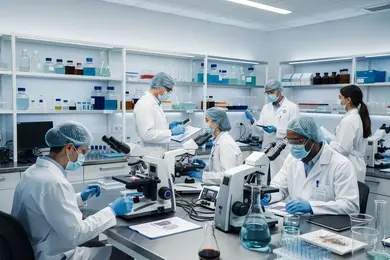
Hands-on lab training is critical in forensic toxicology because employers expect graduates to demonstrate competency with analytical instruments and real samples. Many online programs compensate with simulated labs or require occasional on-site residencies, but these are not equivalent substitutes for extended in-person lab experience. When choosing a program, prioritize those offering substantial live lab components or partnerships with local facilities to ensure practical skills meet industry standards.
Employers in forensic toxicology often value accredited degrees with verified lab experience over purely online credentials. While online degrees offer flexibility, they may limit networking opportunities and practical exposure found in campus settings. Graduates should weigh the tradeoff between convenience and the potential need for supplementary certifications or internships to establish credibility in competitive job markets.
Yes. Programs that include field placements, internships, or lab practicums often require a criminal background check, immunization records, and a pre-placement drug screen before students can enter partner sites. Some agencies also bar applicants with certain felony convictions from evidence-handling placements.
References
- Online Forensic Toxicology Degree & Certificate Programs https://www.forensicscolleges.com/programs/forensic-toxicology
- Master of Science Degrees and Advanced Certifications https://www.cfsre.org/education/advanced-degrees-and-certifications
- Careers in Toxicology | American Academy of Forensic Sciences https://www.aafs.org/careers-toxicology
- Forensic Biology and Toxicology https://www.murdoch.edu.au/course/undergraduate/mj-fbtx
- Certification https://abft.org/certification/
- Forensic Toxicology https://online.utoledo.edu/programs/forensic-toxicology/index.html
- Forensic Science https://www.developingexperts.com/career-builder/1627
- Online Master's Degree in Forensic Medicine and Toxicology https://www.familymedacademy.com/course/online-master-in-forensic-medicine-and-toxicology
- Study Forensic Science Abroad: Top Colleges, Costs, Careers https://www.aeccglobal.com/study-abroad/courses/forensics
- Guide To Forensic Science Careers | LearnHowtoBecome.org https://www.learnhowtobecome.org/career-resource-center/forensic-science-careers/