2027 Online Forensic Science Degrees With the Best FAFSA-Friendly Options

Co-Founder and Chief Data Scientist
Securing an accredited online forensic science degree while managing limited financial resources critically shapes career prospects in a field where job openings are projected to grow 14% by 2032, according to the U.S. Bureau of Labor Statistics. Yet many aspiring forensic professionals overlook how FAFSA-friendly options can ease tuition burdens and timing pressures, particularly as 40% of adult learners juggle education with full-time employment.
Choosing programs with flexible admissions and robust aid maximizes upward mobility without sacrificing immediate income. This article identifies leading online forensic science degree programs optimized for FAFSA access to guide strategic enrollment decisions.
Key Things You Should Know
- FAFSA eligibility often aligns with public institutions offering forensic science degrees at 25% lower average tuition, but these programs tend to have limited specialization, requiring tradeoffs between cost savings and advanced credentialing for niche forensic roles.
- Employers increasingly prefer candidates with hands-on lab experience and interdisciplinary skills, with 68% of forensic science job postings in 2024 emphasizing digital forensics, pressuring students to prioritize programs with applied components over solely theoretical curricula.
- The average forensic science bachelor's completion time extends to 4.5 years for FAFSA-supported students due to credit-load constraints, delaying workforce entry and affecting long-term salary trajectories in a market growing 11% annually per the Bureau of Labor Statistics.
What are the best FAFSA-friendly online forensic science degrees?
Effective selection of FAFSA-friendly online forensic science degree programs hinges on balancing affordability with employer expectations and practical educational demands. Candidates often overlook that programs fully accredited by agencies like FEPAC ensure not only federal financial aid eligibility but also align curricula with industry standards integrating biology, chemistry, and criminal justice.
This alignment directly influences employability, given that forensic employers prioritize graduates with a solid scientific foundation and verifiable hands-on experience. Public universities offering these affordable online forensic science degrees with FAFSA aid frequently extend in-state tuition rates to out-of-state students, further reducing financial barriers.
However, prospective students must weigh tradeoffs related to program formats-accelerated or hybrid models can expedite completion but sometimes restrict access to comprehensive federal aid and limit synchronous lab engagement, which is critical for skill acquisition. In practical terms, working professionals pivoting careers should confirm that required internships and labs fit their schedules without incurring uncovered expenses.
The 13% projected job growth for forensic science technicians and a median wage of $67,440 underscore the value of informed program selection focused on clear graduate outcomes and transparent aid reporting. For a consolidated perspective on these factors, referencing online forensic science degree offerings can clarify pathways suitable for strategic career advancement.
How do online forensic science degrees compare with campus programs?
Choosing between an online forensic science degree vs campus program hinges on how students access and demonstrate practical skills in a lab-intensive discipline. Traditional campus programs embed hands-on laboratory work, controlled environments, and direct mentorship, facilitating skill development in DNA analysis, toxicology, and crime scene processing.
In contrast, online programs rely heavily on virtual simulations and delegate the responsibility of securing local internships or lab placements to students, introducing logistical challenges that can delay or complicate skill acquisition. Employers in forensic fields prioritize measurable competence alongside academic credentials. PayScale's June 2024 data show associate degree holders earn an average $65,000, underscoring that verified skills often outweigh delivery mode.
For candidates pursuing crime scene or laboratory roles, campus programs often provide streamlined access to practicums, enhancing employer trust and credentialing. However, working professionals constrained by geography or schedules might find online degrees a practical alternative if they proactively secure credible, external hands-on experiences.
Compared to traditional forensic science education, online pathways demand more strategic networking and planning. Students must verify that programs offer internship partnerships or actively support local lab opportunities. These requirements are essential to avoid gaps in competency, especially for roles such as autopsy tech. This tradeoff between flexibility and direct access to resources shapes the real-world viability of career pivots or advancement in forensic science.
What accreditation should an online forensic science program have?
Employers and federal aid programs strongly favor online forensic science programs with regional accreditation recognized by the U.S. Department of Education and the Council for Higher Education Accreditation (CHEA). The absence of this accreditation not only disqualifies students from FAFSA and other federal aid but also risks undermining degree credibility during certification and hiring, limiting job prospects despite upfront cost savings.
For example, graduates from regionally accredited but non-FEPAC programs may encounter barriers when pursuing federal forensic technician roles or career advancement. Specialized accreditation from the Forensic Science Education Programs Accreditation Commission (FEPAC) offers additional validation, particularly relevant for forensic technician positions emphasizing procedural proficiency.
However, FEPAC accreditation is rare among online programs and often not a strict requirement, creating a tradeoff between accessibility and specialized recognition. Financially, accredited degrees can start as low as $3,969 annually, which is modest compared to a national median entry-level salary of $64,940 and potential earnings exceeding $107,000 for experienced technicians. Choosing programs without proper accreditation risks losing access to federal aid and employer recognition.
Prospective students should rigorously verify online forensic science program regional accreditation and FAFSA eligibility to optimize financial and professional outcomes. For those evaluating pathways in forensic science, balancing accreditation with cost and career goals is essential. To compare practical degree options alongside other fields, consider reviewing well-ranked programs like those for a library science degree online.
What courses are included in a forensic science degree?
Core forensic science degree curriculum prioritizes practical competencies valued by employers, emphasizing both technical mastery and communication skills necessary for courtroom contexts. Typical courses include forensic biology and chemistry, which are integral for linking suspects to evidence via DNA and toxicology analyses. Crime scene investigation modules focus on evidence collection, chain of custody, and documentation protocols critical for legal defensibility.
Additional subjects such as forensic anthropology and digital forensics expand the learner's ability to handle human remains identification and cybercrime challenges, respectively. Graduates must demonstrate proficiency in laboratory instruments like microscopy and chromatography, alongside report writing and legal procedure knowledge, to meet workforce expectations in federal agencies, law enforcement, or private consultancies.
A notable practical consideration is program affordability-some reputable programs cost under $600 per credit, with examples like the University of Central Florida charging around $327 in-state and National University about $455 per credit. These figures contrast sharply with master's degrees exceeding $57,000 total, affecting part-time students balancing work and study commitments. Selecting programs that omit hands-on lab training can limit eligibility for roles requiring accreditation as evidence examiners.
Evaluating a forensic science degree curriculum requires balancing detailed coursework with cost efficiency and career alignment. This approach sharpens employability and reduces time-to-labor-market entry. Prospective students concerned with affordability and outcomes might also explore alternatives such as computer science degrees for adjacent opportunities in digital forensics and cybersecurity.
What are the admission requirements for online forensic science programs?
Admission to online forensic science programs requires more than a basic high school diploma; candidates must demonstrate proficiency in biology, chemistry, and mathematics aligned with employer demand for quantitative and analytical skills. Most programs set a minimum cumulative GPA around 2.5 to 3.0, using official transcripts to assess preparedness. Unlike degrees focused purely on technical skills, strong communication abilities are essential due to the frequent need for clear reporting and courtroom testimony.
Transfer credits can ease progression for applicants with prior college experience, but institutions typically accept these only from regionally accredited schools and relevant coursework such as criminal justice or science. Standardized test scores may still be requested, though many programs have relaxed this requirement to accommodate diverse educational backgrounds.
Practical experience in law enforcement, laboratory diagnostics, or related fields is a significant advantage, particularly for graduate certificates and master's programs specializing in digital forensics or criminal investigations. Students should anticipate secure, proctored testing environments and mandatory background checks or drug screenings before clinical placements.
Competitive admission processes reflect the specialized curriculum and the field's workforce demands. For example, graduates from leading programs like Champlain College see median early-career earnings close to $90,000, underscoring the market's premium on rigorous preparation and relevant skills for forensic science roles.
How long does an online forensic science degree take?
Choosing the right online forensic science degree requires weighing time-to-completion against practical workforce demands. While associate degrees offer a rapid pathway-typically two years full time-they limit roles mainly to technician or support positions. Bachelor's degrees, considered the hiring baseline for forensic scientists, normally take four years but some intensive programs condense this to three. Part-time students should anticipate a longer duration, often five to six years, balancing study with employment obligations.
Employers prioritize candidates with thorough training in crime scene investigation, lab techniques, and legal procedures, reflecting a projected 13% job growth for forensic science technicians from 2024 to 2034. This dynamic prompts students to seek programs that accelerate credentialing without compromising essential competencies.
For working professionals, asynchronous online courses facilitate flexible study scheduling, though mandatory hands-on labs or field practicums can extend total time if local access is limited or scheduling is constrained. Prospective students must critically assess:
- Credit transfer policies that minimize repetitive coursework
- Program accreditation ensuring employer recognition and certification eligibility
- Availability of accelerated or competency-based pacing options
These factors influence not only how quickly a degree can be finished but also career readiness. Opting for a program lacking strong applied components or recognized credentials risks delaying market entry or limiting job prospects despite faster completion.
What does an online forensic science degree cost?
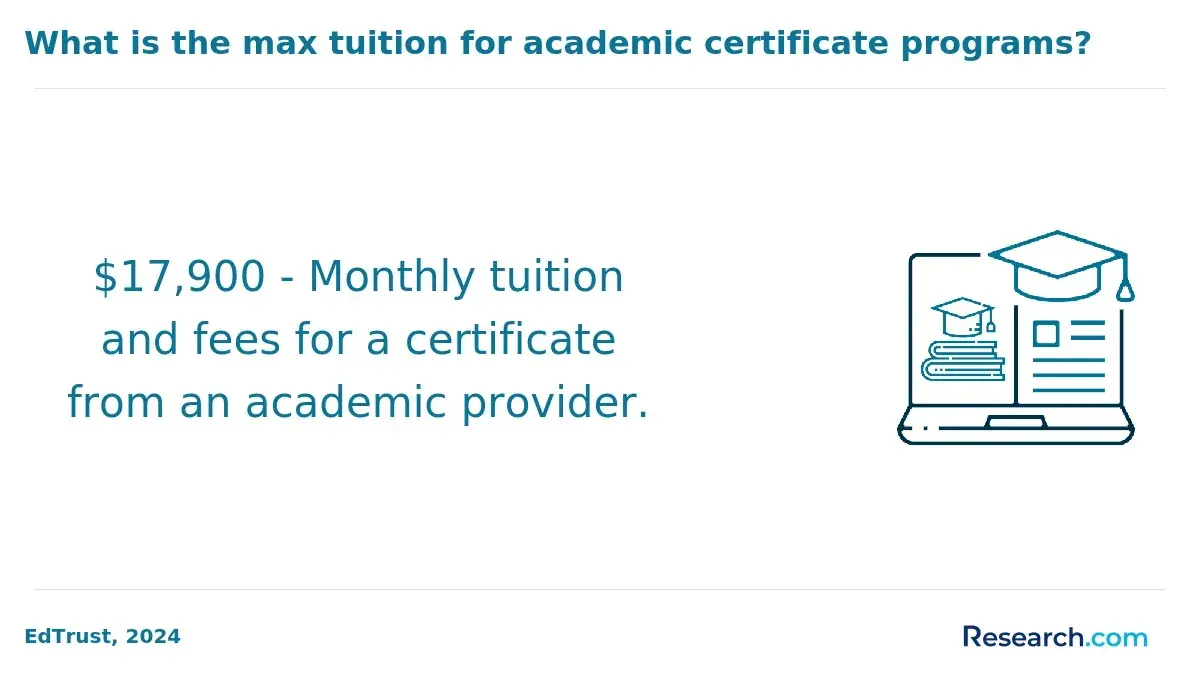
Tuition for online forensic science bachelor's degrees varies between $15,000 and $60,000, largely influenced by whether the institution is public or private and by residency status. While community colleges and state schools offer more affordable options, private or specialized programs reflecting newer digital and cyber forensics tracks tend to be costlier. These advanced tracks often necessitate access to specialized software and virtual labs aligned with workforce demand for cybersecurity and digital evidence expertise.
Students pursuing concentrations in crime scene investigation or lab sciences face additional practical expenses, such as equipment access and hybrid program elements requiring brief in-person residencies. This tradeoff between cost and hands-on experience is critical, as employer expectations prioritize certifications and demonstrable skills in forensic tools.
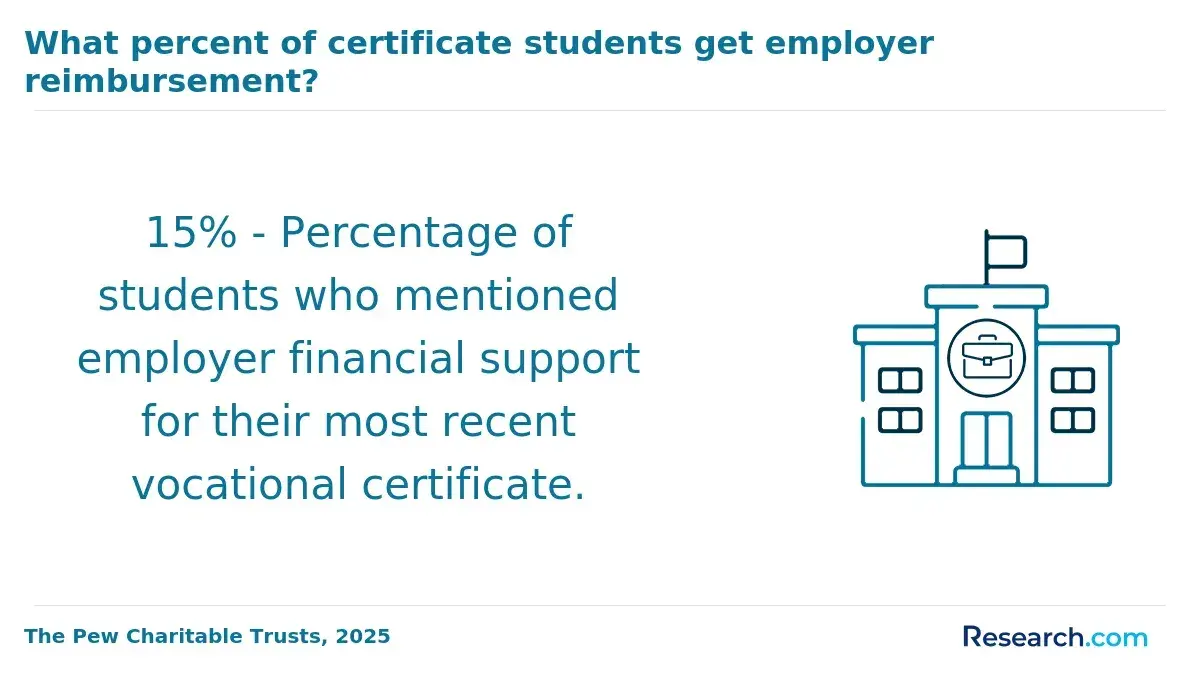
Financial aid via FAFSA can significantly reduce out-of-pocket expenses, but does not mitigate the importance of assessing accreditation, job placement rates, and the tangible return of higher tuition. For working professionals, factoring in opportunity costs and seeking employer support is essential when balancing study commitments with employment.
Employers increasingly reward expertise in emerging forensic methods, especially digital forensics, where salaries typically range from $40,000 to over $110,000. Students should evaluate how program costs relate to market-aligned skills and realistic career pathways, ensuring financial and professional investments align with anticipated outcomes.
- Program costs exclude additional fees and potential travel for labs or practicums.
- Loan debt management remains a vital consideration despite aid availability.
- Hybrid program formats may offer better practical exposure but add logistical complexity.
What jobs can you get with a forensic science degree?
Prospective forensic science graduates face a labor market that demands technical expertise in microscopy, chromatography, and DNA analysis alongside proficiency with laboratory information management systems (LIMS). Positions vary from analyzing physical evidence as forensic scientists to collecting and preserving evidence at crime scenes or specializing in biochemical toxicology and digital forensics. The latter, driven by growing cybersecurity challenges, represents a rapidly expanding niche but also requires more advanced.
Practical experience through internships or lab assistant roles markedly improves employment prospects, a critical consideration given that many forensic roles require such applied skills. Entry-level salaries typically range from $40,000 to $80,000, with an average near $67,440, yet location and employer type-federal versus local labs-can shift earnings substantially, sometimes exceeding $110,000 in specialized or supervisory positions.
The choice to pursue a forensic science degree demands weighing these income realities against program costs and certification requirements. Career mobility often depends on securing additional credentials and ongoing professional development to keep pace with evolving forensic methodologies and legal standards. Graduates should anticipate progression into supervisory, consultative, or educational roles, balancing scientific rigor with legal proficiency to maintain their standing within an interdisciplinary field.
How much do forensic science graduates earn?
Salary outcomes for forensic science graduates vary widely depending on specialization, employer, and location, which directly influences career trajectory and financial feasibility. Entry-level salaries begin near $50,000, with median earnings around $62,000, but professionals in federal roles or specialized fields such as forensic pathology often exceed $85,000 annually. Selecting a forensic science subfield thus has tangible income implications and often requires additional training.
Program cost and format significantly affect return on investment. Many online forensic science master's degrees total over $57,000, but in-state public university options generally offer lower tuition, lessening student debt and improving flexibility to accept lower-paying government jobs valuing experience and stability. For working professionals, online programs at public institutions enable upskilling without interrupting income streams.
Employers emphasize hands-on laboratory expertise and formal accreditation, meaning graduates without practical training often face wage stagnation regardless of degree completion. Certifications in niche areas like digital forensics or crime scene investigation expand employability and salary leverage. In sum, forensic science graduates and prospective students must weigh employer expectations, specialization demands, and educational costs against regional job infrastructure and realistic salary prospects.
What certifications or licenses do forensic science careers require?
Certification and licensing in forensic science impose tangible costs and timelines that directly affect employability and career trajectory across jurisdictions. Federal and state labs commonly require analysts to secure credentials such as the American Board of Criminalistics (ABC) or the Forensic Science Certification Board (FSCB) accreditation within two to five years after graduation.
Crime scene investigators usually pursue International Association for Identification (IAI) certification to comply with law enforcement agency standards, while medical examiners need both medical licenses and specialized board certifications-demands that separate clinical roles from other forensic disciplines. Multistate practice or federal employment often necessitates multiple licenses due to state-specific regulations, exemplified by forensic toxicologists who may require distinct analyst or chemist licenses per jurisdiction.
This demand elevates the complexity and financial burden on professionals, who must balance renewal requirements and continuing education against workplace responsibilities. Practical decision-making around educational pathways should weigh tuition costs against certification alignment.
For instance, FAFSA-eligible forensic science programs with comparatively low annual tuition-like Fayetteville State University's $3,969 per year-can reduce upfront expenses, allowing graduates to allocate funds toward necessary credentialing fees. Without proper certifications, graduates may face stalled advancement or exclusion from competitive federal and private laboratory roles.
Other Things You Should Know About Forensic Science
Yes. A program must be offered by an institution with Title IV eligibility, and the school must hold recognized institutional accreditation from a U.S. Department of Education-approved agency. FAFSA aid covers eligible credits, usually at least 6 credits for half-time enrollment, but program-level accreditation is not always required.
Hands-on lab experience is essential in forensic science, as practical skills in evidence handling, chemical analysis, and instrumentation directly impact job readiness. Online programs that partner with local labs or provide supervised fieldwork options offer more credible training than purely virtual alternatives. Prioritize programs with verified, in-person lab components because many employers require demonstrated technical proficiency beyond theoretical knowledge.
Forensic science employers heavily favor candidates with internship or field placement experience due to the sector's practical demands and chain-of-custody protocols. These opportunities expose students to real casework and workplace standards that online coursework alone cannot replicate. Choosing a program with established industry connections and mandatory placements increases employability and enhances understanding of forensic workflows and interagency coordination.
Specialization tracks such as toxicology, digital forensics, or crime scene investigation shape career paths and employer expectations significantly. Forensic science remains broad, so selecting a specialization aligned with labor market demand-like digital forensics, which grows with cybercrime rates-can improve job stability and salary. Students intending to work in federal or law enforcement settings must match their specialization with agency priorities to maximize hiring potential.
References
- Forensic Science Education Programs Accreditation Commission https://www.aafs.org/FEPAC
- What job can I get with a degree in Medical, Molecular or Forensic Science? https://www.murdoch.edu.au/news/blogs/blog-posts/campus-and-community/what-job-can-i-get-with-a-degree-in-medical-molecular-or-forensic-science
- How To Become a Forensic Scientist: Requirements & Steps https://www.forensicscolleges.com/blog/htb/how-to-become-forensic-scientist
- Online Forensic Science Degree https://www.aiuniv.edu/degrees/criminal-justice/bachelors-forensic-science
- Certification https://www.criminalistics.com/certification.html
- How Much Does A Forensic Scientist Make? A Salary Overview https://www.salemu.edu/blog/how-much-does-forensic-scientist-make/
- Forensic Science Technician Education Requirements: What You Need to Know https://www.scuhs.edu/mshgg-article/forensic-science-technician-education-requirements-what-you-need-to-know/
- Becoming a Forensic Scientist in Texas (Career Guide) https://www.allcriminaljusticeschools.com/forensics/texas/
- TJB | FSC | Licensing https://www.txcourts.gov/fsc/licensing/