2027 How to Compare Online Forensic Science Degrees by Transfer Friendliness

Co-Founder and Chief Data Scientist
Working professionals seeking to transfer into online forensic science programs often face hidden barriers that can stall or derail their educational progress. Around 45% of adult learners report that limited credit transfer policies directly delay degree completion, according to a 2024 report from the National Center for Education Statistics. This bottleneck narrows options considerably for those balancing job demands and academic goals while aiming for timely workforce reentry or advancement.
Transfer friendliness varies widely among programs, influencing not only total cost and duration but also access to specialized courses critical for forensic careers. This article unpacks how to assess online forensic science degrees by their transfer policies, enabling informed choices that align with career timelines and maximize prior learning recognition.
Key Things You Should Know
- Highly variable credit acceptance policies across online forensic science programs delay degree completion by an average of 6 months, according to 2024 NCES transfer data, impacting time-to-employment and increasing opportunity costs.
- Employers in forensic labs increasingly prioritize candidates with seamless accreditation alignment and consolidated credit transfer histories, per the 2024 American Society of Crime Lab Directors survey, reducing hiring friction for transfer-forward degrees.
- Programs with robust articulation agreements reduce tuition overruns by up to 25%, as reported in the 2024 College Board fiscal analysis, making early transfer credit evaluation a critical cost-management strategy for mid-career professionals.
How can you compare online forensic science degrees for transfer-friendliness and credit acceptance?
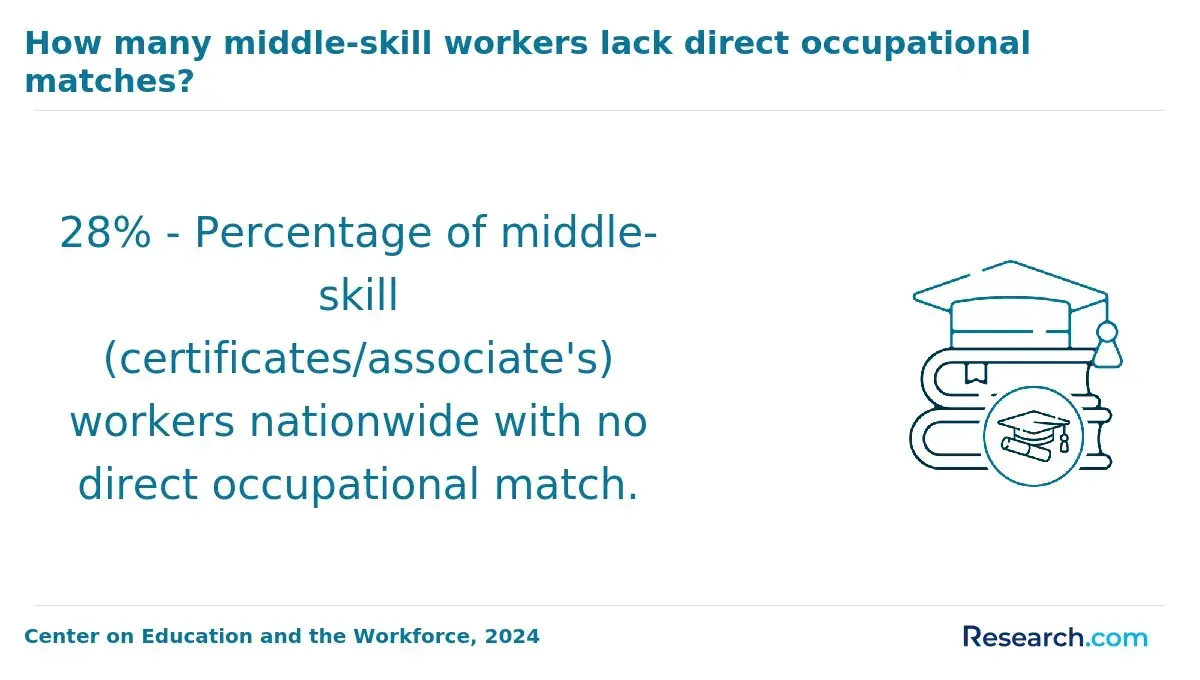
Transfer credit policies significantly impact the trajectory of forensic science degree completion, especially for professionals seeking efficient pathways. Not all transferred credits bear equal weight; while a program may accept 90 credits, only a portion-often less than half-may apply directly to the forensic science major. This discrepancy can extend time to graduation and delay entry into a rapidly growing field, where the U.S. Bureau of Labor Statistics forecasts 11% job growth by 2031.
Choosing transfer-friendly online forensic science degree programs requires evaluating how many transferred credits qualify as upper-division, as these are viewed more favorably by employers for indicating rigorous, relevant training. A practical scenario involves a working adult pivoting careers who needs prior technical or lab coursework recognized to meet licensure standards.
Similarly, students with related associate degrees must avoid programs that relegate key credits to electives rather than core requirements. Programs that provide fixed equivalency tables and transparent articulation agreements reduce uncertainty and financial risk. Requesting preliminary credit evaluations before enrolling is pivotal to prevent unexpected credit loss or course overload.
Additionally, confirm that transferred credits originate from regionally accredited institutions and align with professional standards for forensic science. For those prioritizing cost-efficiency alongside transfer policies, exploring the cheapest online forensic science degree options is worthwhile for balancing price with practical credit acceptance.
What accreditation should online forensic science programs have to protect your credits and degree value?
Choosing an online forensic science degree accreditation standard significantly impacts credit transferability and professional recognition. Regional accreditation recognized by the U.S. Department of Education or the Council for Higher Education Accreditation is essential to ensure that credits are accepted by other institutions, which is vital for students seeking transfer-friendly accredited online forensic science programs or advancing to graduate studies.
Programs with only national or programmatic accreditation may restrict academic mobility and limit employer recognition. Specialized accreditations from entities like the Accreditation Council for Business Schools and Programs (ACBSP) or ABET's Computing Accreditation Commission can enhance credibility but do not replace the foundational value of regional accreditation.
Given the absence of a singular accrediting body for forensic science, prospective students should verify that the institution's overall accreditation aligns with their career trajectory and further education plans. Employers typically prefer graduates from regionally accredited programs because such accreditation correlates with rigorous academic standards and often influences licensure eligibility, especially within government or federal agencies.
Failure to attend an accredited program can lead to difficulties transferring credits, obtaining professional certifications, or qualifying for positions in forensic technology fields. For example, industry data indicate that Champlain College's regionally accredited online Bachelor of Science in Computer Forensics & Digital Investigations leads in median earnings at $89,716, emphasizing the financial advantage of aligning academic credentials with industry requirements.
Practical evaluation should also consider workforce demand and related career paths, including roles tied to autopsy technician jobs. Making an informed decision about accreditation and program selection mitigates risks of wasted tuition and delays caused by credit non-transfer or certification barriers.
How do online forensic science degrees differ from campus programs in flexibility, labs, and outcomes?
Choosing an online forensic science degree involves weighing flexibility against critical hands-on experience. Online programs offer scheduling advantages that accommodate working professionals or those managing family commitments, but the limited direct access to physical labs presents a significant barrier to mastering practical forensic techniques. This difference impacts career outcomes, as employers typically prioritize candidates with proven lab competencies.
Campus programs maintain an edge by providing immediate, frequent lab access and closer faculty supervision, facilitating real-time collaboration and internships that strengthen workforce readiness. Conversely, some online forensic science degree flexibility compared to campus programs is evident in scalable, transfer-friendly structures, exemplified by institutions like Arizona State University Online, which supports broad credit articulation and enrolls tens of thousands of online learners.
The tradeoff often manifests in graduates from fully online routes needing additional supervised lab training or certifications after graduation to satisfy employer requirements. Prospective students should verify lab access provisions or hybrid arrangements before enrollment, as these vary substantially and can affect both educational quality and logistical feasibility.
For those balancing commitments or geographic constraints, evaluating whether flexibility outweighs the need for immediate hands-on experience is essential. Insights from related fields, including the cost and structure of programs like the online animal science degree, underscore the importance of transparent program features in decision-making.
What prior college, military, or work experience can typically transfer into an online forensic science degree?
Transfer credits for online forensic science degrees are a strategic factor that significantly impacts time-to-degree and overall cost efficiency. Practical prior college coursework in biology, chemistry, physics, statistics, and criminal justice often translates to direct lower-division credit, expediting progress. For instance, individuals holding an associate degree in criminal justice combined with science prerequisites commonly satisfy foundational requirements without retaking content.
Military experience credit transfer forensic science pathways present a distinct advantage for candidates with structured law enforcement or laboratory training. These experiences frequently qualify for credit through CLEP or DANTES assessments, reducing course redundancy and accelerating workforce entry. Work histories in crime labs or investigative roles less frequently convert to academic credit but may earn experiential learning credits when rigorously documented.
Such portfolios should include competencies in evidence analysis, chain of custody protocols, and lab techniques and can add 6-12 credit hours depending on institutional policy. Transfer limitations vary by program, with many capping credits at 60 semester hours and requiring 30 upper-division forensic science credits to be completed fully online. Verification of articulation agreements and credit evaluation policies beforehand is essential to avoid unexpected credit denial, which could extend time and increase costs.
According to OnlineColleges.net, the average total cost of a bachelor's online forensic science degree is $10,080, while median mid-career pay nears $60,000, demonstrating the financial value of maximizing transfer credits. Those considering interdisciplinary pathways might investigate related options like a library degree to complement forensic expertise with research and information management skills.
What admission requirements and transfer GPA policies do online forensic science programs commonly use?
Admission thresholds for online forensic science master's programs act as gatekeepers to academic and professional rigor demanded by employers. A bachelor's degree with a minimum cumulative GPA of 3.0 is standard, while transfer applicants often face a 2.75 to 3.0 GPA requirement per credit evaluation. This ensures foundational competence in core sciences like biology, chemistry, and criminal justice before advancing to forensic-specific applications.
Notably, professionals pivoting into forensic science may encounter limited flexibility; some programs weigh relevant work experience or certifications to offset GPA shortcomings, but this remains rare and institution-dependent. Applicants must also prepare supplementary materials emphasizing analytical skills and ethical judgment, which directly influence admissions decisions and potential employability.
Financially, tuition ranges from approximately $11,000 to $25,000 total, reflecting a direct link between academic entry standards and overall program investment. Transfer policies critically affect time-to-degree: many schools cap transferable credits around 50%, so failure to confirm articulation agreements can delay credential completion and postpone workforce reentry.
- Competitive GPA cutoffs preserve program quality and meet employer expectations.
- Course-for-course credit assessments prioritize scientific prerequisites.
- Admission flexibility is generally limited despite some accommodations.
- Transfer credit limits directly impact career timelines and costs.
How long does it take to finish an online forensic science degree when you transfer credits?
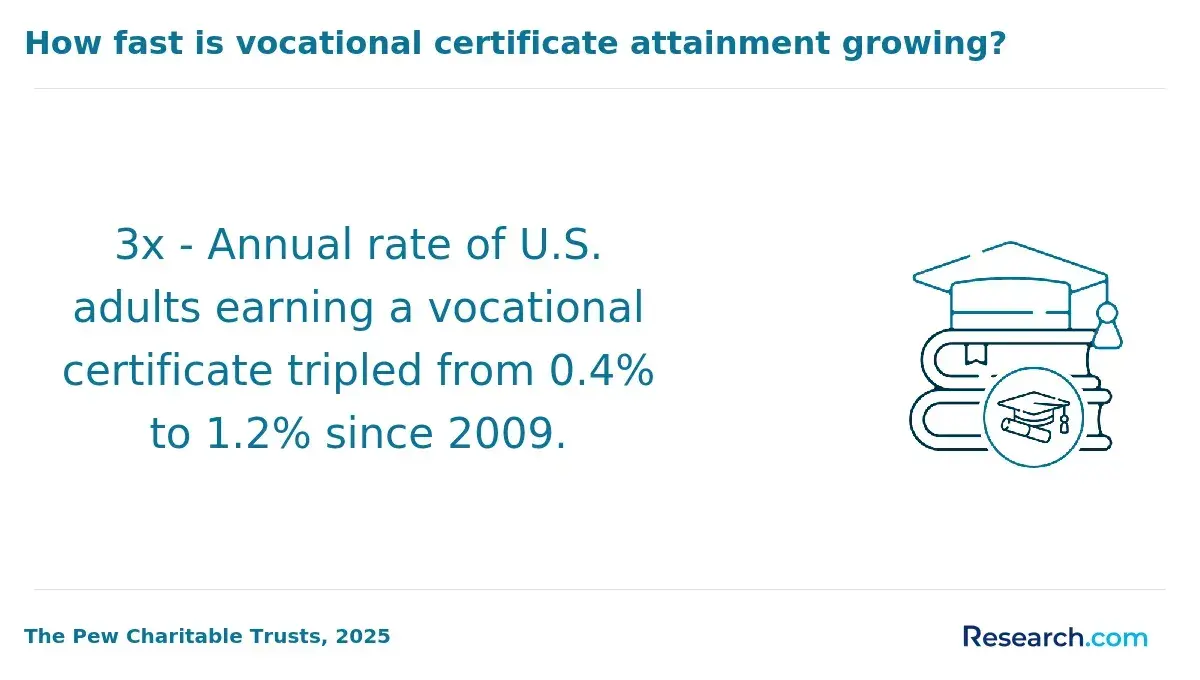
Transfer credit policies dramatically shape the timeline and cost of completing an online forensic science degree. Programs accepting up to 90 transfer credits enable students with prior relevant coursework or an associate degree to finish in roughly 18 months, while more restrictive policies-requiring 60 or more credits completed within the program-can extend completion to about three years.
This variation matters because accelerated completion facilitates quicker workforce entry, directly affecting earnings potential given the median criminologist salary of $72,000 from Regis University's criminology fact sheet. Key factors for transfer students include:
- Verification of how many core forensic science and related science credits will be accepted;
- Awareness that many institutions exclude general education or unrelated technical credits from transfer eligibility;
- Evaluation of program pacing and flexible scheduling, especially for full-time workers aiming to minimize degree duration.
For example, a student with 80 relevant credits who enrolls in a program that offers accelerated terms may halve their time to degree completion compared to another student limited to 60 transferable credits and standard pacing. The tradeoff involves tuition difference and opportunity costs from delayed employment.
Ultimately, carefully assessing transfer credit acceptance and program structure is vital to aligning educational choices with realistic career timelines and employer expectations for forensic analytical and investigative roles.
What core courses and specializations are offered in transfer-friendly online forensic science curricula?
Transfer-friendly forensic science programs prioritize foundational coursework that aligns with widely accepted core competencies, minimizing credit loss for students moving between institutions. These core classes typically cover forensic chemistry, crime scene investigation, toxicology, and legal aspects of evidence-subjects that form the baseline for multiple forensic disciplines.
Specialized tracks often focus on skill sets with differing labor market value and transferability. For instance, digital forensics aligns closely with employer demands, given its integration of cybersecurity and data recovery training; analysts skilled in this area report median salaries around $88,000 annually. However, forensic psychology, while essential for roles like profiling or victim advocacy, involves behavioral methods less universally recognized across programs, potentially complicating credit transfers.
Employers expect graduates, especially transfers, to demonstrate practical proficiency through labs or simulations, which presents logistical challenges often addressed by virtual or local partnerships. Prospective students must critically evaluate how their prior coursework fits into required foundational subjects to avoid extending degree timelines or inflating costs.
Programs with formal articulation agreements reduce credit uncertainty and improve predictability in planning. Ultimately, students must weigh the tradeoff between foundational content that ensures transferability and specialized tracks that target niche workforce needs when selecting a forensic science pathway.
How do tuition, transfer credit evaluations, and financial aid affect total cost for online forensic science majors?
Cost management in an online forensic science master's program is a decisive factor shaping both educational timelines and financial outcomes. Tuition stands as the largest upfront expense, but transfer credit policies have a direct influence on total credit hours required-and thereby tuition burden. For instance, a professional transferring 30 credits into a 36-credit master's curriculum pays tuition only on 6 credits.
Financial aid availability varies with program accreditation and enrollment specifics, creating a complex interaction: reducing credit requirements through transfer might decrease aid eligibility, potentially increasing out-of-pocket costs. Conversely, adequate financial aid can fill gaps left by partial credit acceptance, easing cash flow constraints for students.
Employers prioritize candidates who combine timely degree completion with proven practical skills. Programs offering broad transfer acceptance and manageable tuition reduce the financial risk and accelerate workforce reentry, crucial for wage growth-master's graduates report early-career earnings around $55,000, rising to $78,000 mid-career according to OnlineColleges.net.
Prospective students must weigh these tradeoffs carefully, balancing tuition rates, transfer credit policies, and aid packages. This strategic approach minimizes investment while aligning educational credentials with real-world employer expectations, directly impacting employability and long-term career trajectory.
What forensic science careers, salaries, and job outlook can graduates of online programs expect?
Graduates of online forensic science programs typically enter roles such as forensic lab technician, crime scene investigator, forensic toxicologist, or digital forensics analyst, mainly within crime labs, law enforcement, and private consulting. Employment projections indicate a 10% job growth for forensic science technicians through 2032, outpacing many other fields.
However, salaries usually range from $50,000 to $70,000 annually and vary with location, employer type, and experience, while specialized digital forensics or pathology positions may exceed this range. While unemployment rates for bachelor's graduates stand around 5.2%, this figure contrasts with a notably higher loan default rate of 9.58%, signaling that the financial burden of education can outweigh immediate job stability.
This disparity stresses the importance of carefully evaluating program costs versus salary expectations, especially because advancing beyond entry-level positions often requires costly certifications or graduate education. Employers prioritize validated laboratory skills and critical thinking over credentials alone, making programs with integrated internships or virtual labs more advantageous.
For example, a graduate securing an entry-level forensic technician role might need ongoing education to reach specialist roles paying above $80,000. Geographic factors matter as federal and urban agencies offer more opportunities than rural areas. Prospective students should weigh the tradeoff between lower unemployment and financial risks while considering practical training access, since limited hands-on experience lengthens job searches and may impede advancement.
Are there certifications, licensing, or background-check requirements for forensic science roles after graduation?
Securing employment in forensic science requires more than a degree; it often demands rigorous background checks and certifications tailored to sensitive evidence handling. Government and crime lab roles mandate thorough vetting of criminal records, drug history, and financial stability, reflecting the uncompromising standards of chain-of-custody integrity.
While certifications from bodies like the American Board of Criminalistics or International Association for Identification are not universally required, they notably enhance employability and progression. Licensing is generally minimal for forensic scientists compared to allied professions, though subfields such as forensic psychology or toxicology may impose stricter state mandates.
Transfer students should scrutinize state-specific credential requirements early, as prerequisites and supervised practical experience directly influence credit transfer and qualification timelines. Since violent crime rates in the U.S. have dropped significantly over decades, the workforce favors specialization. Law enforcement employers increasingly seek candidates with verifiable certifications and compliance with security protocols rather than broadly trained graduates.
An illustrative scenario is a degree-holder lacking certification or security clearance facing delayed entry or non-selection for entry-level forensic roles. Key considerations when evaluating forensic science programs include embedded certification alignment, internships emphasizing chain-of-custody training, and clear paths to meeting background check standards. These factors materially affect post-graduation employability and should outweigh superficial program features.
Other Things You Should Know About Forensic Science
Employers consistently prioritize accredited programs and relevant practical experience over the mode of delivery. Online forensic science degrees can be respected if they include supervised lab work, internships, or capstone projects that simulate hands-on experience. Candidates should verify that the online program maintains rigorous standards and industry connections to improve credibility and job prospects.
Transferring credits can shorten degree completion time but may also create uneven course sequencing and workload spikes. Some programs require specific core courses or recent lab experience that transfer credits might not cover, forcing additional classes. Students should confirm transfer policies carefully and plan for potential intensified semesters to meet graduation requirements effectively.
Check the program’s maximum transfer-credit cap, residency rule, and minimum grade standard before enrolling. Many online bachelor’s programs accept up to 90 credits from a 120-credit degree, but require at least 30 credits in residence and only grades of C or better for transfer.
References
- Forensic Science Careers UK Requirements: Complete Guide to Professional Entry and Advancement https://pathologylabtraining.co.uk/biomedical-sciences/forensic-science-careers-uk-requirements
- Tuition & Fees | MATC https://www.matc.edu/costs-scholarships-aid/tuition-fees.html
- Forensic Science Degree Programs https://www.criminaljusticedegreeschools.com/degrees/forensic-science-degree/
- How to Become a Forensic Scientist: The Ultimate Guide https://investin.org/blogs/news/how-to-become-a-forensic-scientist
- Online Forensic Science Degree https://www.aiuniv.edu/degrees/criminal-justice/bachelors-forensic-science
- New Pathways to a College Degree: How Transfer Credits Save Time https://www.uagrantham.edu/blog/transfer-college-credits-online-pathways-degree/
- How To Become a Forensic Scientist: Requirements & Steps https://www.forensicscolleges.com/blog/htb/how-to-become-forensic-scientist
- What Is Forensic Science & What Does a Forensic Scientists Do? https://www.allcriminaljusticeschools.com/forensics/forensic-science-careers/
- Top Online Schools That Accept Transfer Credits https://www.edvisorly.com/student-guides/online-schools-that-accept-transfer-credits
- Cost of an Online Degree: Calculate the Cost of Your Higher Education https://www.edumed.org/articles/cost-of-an-online-degree/