2027 Online Forensic Science Degrees With the Best Cost Transparency

Co-Founder and Chief Data Scientist
Professionals aiming to enter or advance within forensic science face a critical challenge: accessing accredited online programs that deliver transparent, predictable costs without sacrificing academic rigor or employer reputation. With the U.S. Department of Education reporting a 15% increase in demand for flexible degree formats among adult learners since 2023, affordability and clear pricing structures shape enrollment decisions more than ever.
Students balancing work, family, and career pivots need clarity upfront to avoid financial pitfalls and maximize return on investment amid tightening hiring standards. This article identifies online forensic science degrees offering the clearest cost transparency to guide strategic program selection and financial planning.
Key Things You Should Know
- Only 35% of online forensic science programs fully disclose total costs upfront, increasing late-stage financial uncertainty; this opacity forces candidates to weigh potential debt growth against the niche job market's limited salary progression, per 2024 NCES tuition analyses.
- Employers prioritize hands-on crime lab experience over online credentials alone; BLS data from 2024 shows 28% faster employment growth for candidates supplementing degrees with verified internships, impacting how online students should strategically seek practicum opportunities.
- Median time to completion extends 20% longer in cost-transparent programs due to stricter credit tracking, affecting career pivot timing; prospective students face a tradeoff between fiscal clarity and accelerated workforce entry confirmed by recent CAPR data.
What is an online forensic science degree and how does it work?
Online forensic science degree programs replicate foundational lab knowledge through virtual simulations and case-based learning while relying on asynchronous lectures. However, the separation from hands-on training presents a critical challenge: students must secure partnerships with crime labs or participate in local fieldwork to gain essential practical skills employers expect. This tradeoff impacts employability since many hiring authorities demand verifiable, real-world experience beyond purely digital coursework.
Cost transparency greatly affects student decisions. In 2025, tuition for an online bachelor's in forensic science averaged $51,100 but ranged from $25,498 to $117,450, revealing a 4.5-fold difference for near-identical programs. Understanding this disparity is vital for evaluating return on investment and program value, especially for students aligning expenses with expected career outcomes.
Program flexibility also matters, particularly for working professionals. The balance between synchronous and asynchronous formats influences how well students manage education alongside existing responsibilities. Accreditation status and the availability of practicum options-often embedded within or external to online curricula-should be key factors in selection, as failing to secure practical experience risks gaps in career readiness.
For practical guidance on navigating these complexities and finding reliable options, consult curated lists of online colleges for forensic science that emphasize cost-effective programs with structured experiential learning opportunities.
How can you compare costs and true total price of online forensic science programs?
True cost comparison for online forensic science degrees extends beyond tuition figures to encompass additional fees, textbooks, technology, and travel expenses linked to mandatory labs or internships. For instance, a program with a modest sticker price may impose high lab fees or require on-site attendance, negating any upfront savings. Employers prioritize candidates with demonstrated practical experience, so students must budget for these components when weighing the full investment.
Transparent pricing for online forensic science programs remains uneven. Among 21 bachelor's programs evaluated for 2025, only 9 came in below the $51,100 average total cost; 3 of those were under $30,000, evidencing wide pricing disparities and the importance of dissecting full cost breakdowns. Prospective students should verify whether listed prices include compulsory fees or exclude associated costs such as fingerprinting and background checks, which vary by program and impact net expense.
Credit hour requirements materially affect total cost and time-to-completion, factors that particularly affect working professionals who must balance lost income and tuition payments. Precise calculations of credit loads and cost per credit hour help avoid underestimating financial commitments.
Programs with clear pricing aligned to employer expectations tend to produce graduates whose qualifications carry practical value without hidden debt burdens, influencing career outcomes more than the nominal tuition figure. Those exploring pathways like online data science masters can benefit from comparable thorough cost assessments across fields, as detailed at online data science masters.
Which online forensic science degrees offer the best cost transparency and fee breakdowns?
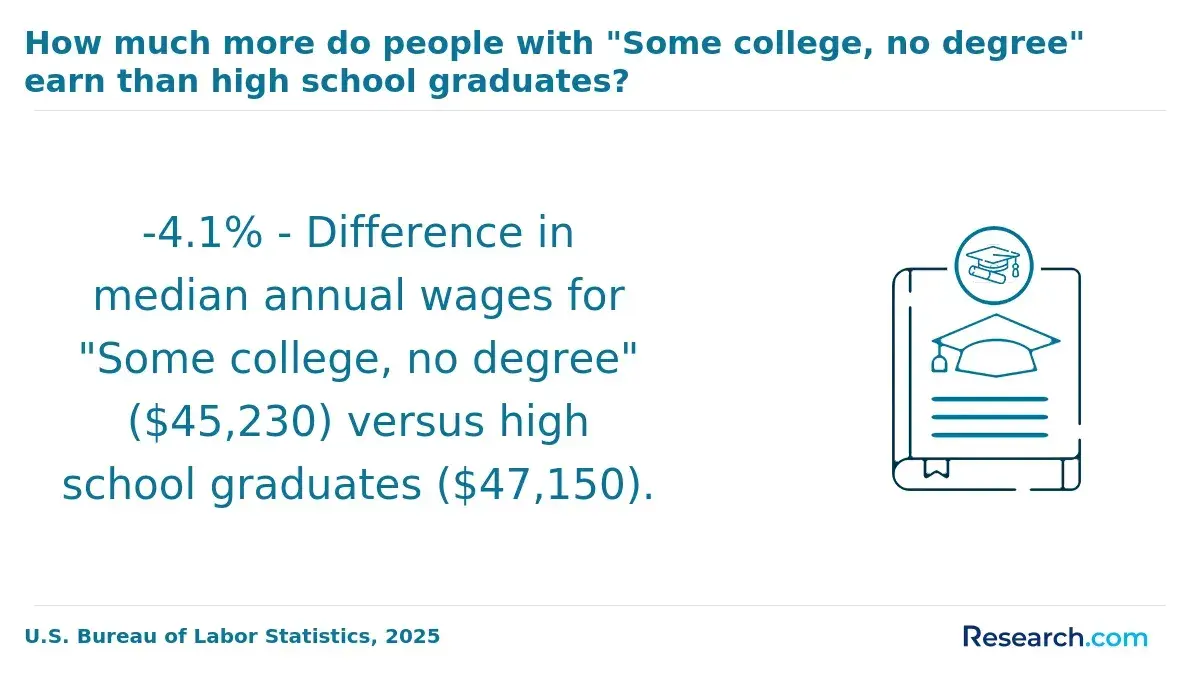
Transparent tuition structures distinguish online forensic science degree programs capable of supporting student planning with upfront clarity on total annual costs. Clear disclosure of in-state versus out-of-state tuition, mandatory technology fees, and lab charges is critical to avoid financial surprises that disproportionately impact working adults and professionals financing education incrementally.
Programs starting around $3,969 annually offer a substantial cost advantage compared with the $14,688 national undergraduate average, reflecting strategic use of public funding and efficient online delivery. However, students must scrutinize the stability of these charges across semesters, particularly if fees for virtual labs, proctoring, or specialty forensic tools are assessed incrementally rather than bundled.
This fee transparency directly affects graduate outcomes in sectors like state or federal agencies, where financial stability underpins security clearance approval. Conversely, opaque pricing can cause unexpected debt and higher dropout rates, disrupting candidate pipelines for employers relying on timely credential attainment.
Forensic science degrees featuring clear fee breakdowns also support specialized pathways such as crime lab technicians and digital forensics analysts by enabling precise budgeting for certifications. Prospective learners should compare transparent schedules and accreditation status alongside independent cost analyses to identify programs that best align with their career and financial realities.
Students interested in similar fields may also consider an online library science degree as part of a broader educational strategy within public safety and information management frameworks.
What accreditation should online forensic science programs have to be considered credible?
Employers in forensic labs and law enforcement prioritize candidates whose degrees come from programs with recognized regional accreditation and, ideally, accreditation by the Forensic Science Education Programs Accreditation Commission (FEPAC). This dual accreditation verifies academic rigor and adherence to forensic-specific standards that many crime labs require for legal admissibility and quality assurance. Without such credentials, graduates often must pursue additional certifications or face limited employability, especially in state or federal forensic settings.
For students navigating online forensic science program accreditation standards, distinguishing between mere institutional accreditation and programmatic FEPAC endorsement is critical. The consequences affect eligibility for professional certification exams and direct job market competitiveness. Realistically, graduates from programs lacking FEPAC accreditation risk reduced return on investment despite a sector growth projection near 13% for forensic science technicians through 2032 and a median salary around $65,000.
When assessing any accredited forensic science degrees for credibility, prospective enrollees should confirm these points:
- The institution holds regional accreditation recognized by the U.S. Department of Education or CHEA.
- The forensic science program has current FEPAC accreditation to meet national workforce standards.
- Graduates qualify for certification exams tied to accredited program completion.
Moreover, investigating related pathways such as a more affordable curriculum or interdisciplinary degrees can be practical. For instance, combining forensic science credentials with a MLIS degree online may expand analytical career options in evidence management or research roles. Transparent accreditation status and curriculum alignment remain key markers of a program's long-term career utility and legal defensibility of forensic skills.
How do online forensic science degrees differ from campus programs in format and flexibility?
Online forensic science degrees cater primarily to working professionals who require schedule flexibility but face challenges integrating essential hands-on training. Unlike campus programs offering structured lab access and immediate networking advantages, online formats demand careful navigation of practical experience requirements. Students often must coordinate externships or local lab residencies-without institutional facilitation-to meet accreditation and skill development standards, adding logistical complexity.
This divide produces tangible tradeoffs: campus students benefit from streamlined access to internships and direct faculty engagement, accelerating readiness for certification and specialized roles. Online learners, meanwhile, retain full-time employment, preserving income and avoiding relocation-but must proactively secure applied opportunities to stay competitive. Employers value this balance; theoretical knowledge alone rarely suffices without verifiable field experience.
Financially, experienced forensic science technicians earn over $107,000 annually versus a national median of $64,940, providing clear motivation for strategic educational choices. Students targeting such advanced earnings should weigh:
- Convenience and income stability of asynchronous coursework
- Potential delays or costs linked to arranging practical placements
- Networking and mentorship opportunities accessible only through campus settings
These factors underscore the importance of early program scrutiny regarding lab components and employer support, as misalignment can impede progression or specialization paths in forensic science careers.
What courses and specializations are typically included in an online forensic science curriculum?
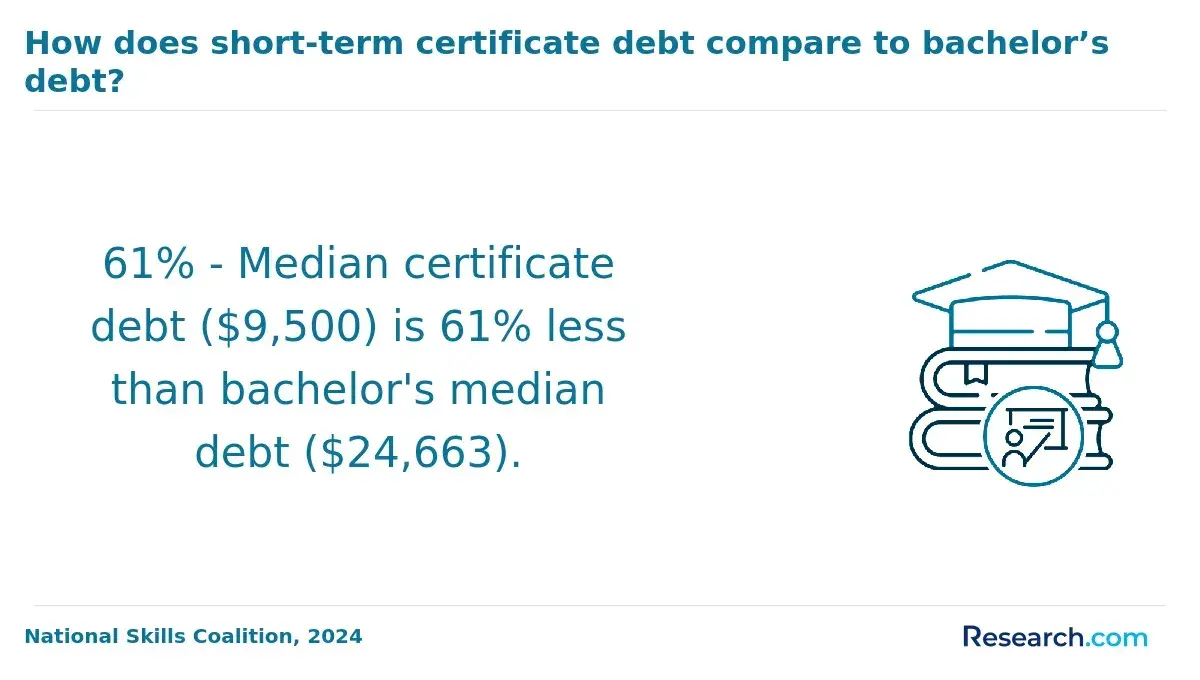
Choosing an online forensic science curriculum requires weighing the balance between comprehensive practical skills and program cost. Employers expect graduates to competently handle crime scene evidence, interpret complex data, and operate forensic instrumentation, which many programs address through courses in biology, chemistry, toxicology, and digital forensics. However, lower-priced degrees-ranging from approximately $38,640 to $66,000 in tuition-may restrict elective diversity or limit hands-on training, potentially affecting readiness for fieldwork.
For example, forensic anthropology courses prepare specialists for mass disaster victim identification, while digital forensics graduates engage with cybercrime investigations-both demanding targeted expertise beyond standard lab knowledge. Programs that invest in virtual labs or partnerships with law enforcement agencies can mitigate the lack of physical presence in online formats, enhancing applied learning outcomes.
Students aiming for specialized niches like forensic psychology or accounting should evaluate whether elective options adequately cover analytical demands beyond laboratory methods. Core training in criminal law and ethics remains fundamental, ensuring adherence to legal standards and evidence admissibility, which directly influences professional credibility and employability.
In assessing program value, candidates must consider how curricular breadth and experiential opportunities align with specific career goals, balancing the tradeoff between tuition cost and practical skill acquisition to avoid costly gaps in preparedness within a competitive job market.
What are the usual admission requirements for online forensic science bachelor's and master's programs?
Admission to forensic science programs demands more than just meeting educational prerequisites; it requires strategic preparation aligned with workforce expectations. Bachelor's programs necessitate strong foundations in biology, chemistry, and math, plus standardized test scores, though some may waive these for qualified applicants. Practical experience, such as prior lab coursework or investigative roles, is often critical, particularly for programs with mandatory on-site lab components that can affect scheduling and affordability.
For master's admission, a related bachelor's degree and a minimum undergraduate GPA near 3.0 are standard, with GRE scores increasingly optional but sometimes required. Applied research or professional background in forensic methods materially enhances admission chances. Candidates should plan for fieldwork or lab practicums that cannot be fully completed online, increasing both time commitment and costs.
This hands-on requirement has tangible implications for working professionals balancing schedules and finances, as total program expenses range considerably-from approximately $9,260 to $37,800-depending on location and institutional policies. Employers often value candidates demonstrating not only academic credentials but also demonstrated lab competence and investigative skills.
- Strong science foundation required at bachelor's entry, including biology and chemistry
- Master's applicants need related bachelor's degree and minimum GPA ~3.0
- GRE scores often required but increasingly optional
- Practical lab or field experience essential for both levels
- Cost and scheduling of on-site components vital for working professionals
How long do online forensic science degrees take and what affects time to completion?
Completing an online forensic science degree within two years is often a practical benchmark for workforce readiness, yet individual pacing varies widely based on program design and student circumstances. Accelerated full-time master's programs typically wrap up in 12 to 18 months, appealing to professionals seeking rapid qualification changes. In contrast, many students balance work and family through part-time enrollment, extending completion to 2 or even 3 years.
Key factors affecting duration include credit load, course availability each term, and the requirement of a thesis or capstone project, which can add 6 to 12 months compared to purely coursework-based options. Those entering without a strong STEM foundation frequently invest additional time completing prerequisite classes.
Financial considerations are pivotal. Programs charging less than $600 per credit enable eligible students to study full time with less financial strain, while higher tuition rates-often exceeding $50,000 total-encourage part-time progress, increasing overall duration. Employer tuition support often conditions funding on continuous enrollment, prompting steady progression.
From an employer perspective, finishing within two years signals focus and commitment; extended timelines may create doubts about competing priorities. Prospective students must weigh program structure, financial aid, and job demands to align educational timelines with realistic career expectations.
What forensic science careers can you pursue with an online degree, and what do they pay?
Choosing an online forensic science degree is a decision weighted by clear tradeoffs between flexibility, cost, and practical preparation. While these programs provide valuable access for working professionals or career changers-particularly those shifting from criminal justice or biology fields-they demand supplementation with hands-on experience to meet employer expectations. Internships or accredited lab practicums are often non-negotiable, as employers prioritize technical proficiency alongside formal credentials.
Salary prospects vary significantly within the field: crime scene investigators earn around $62,000 annually, forensic laboratory analysts about $59,000, digital forensics specialists exceed $85,000, and forensic toxicologists can approach $90,000, reflecting the impact of specialized skill sets and sector demand. Digital forensics is notably expanding, driven by cybersecurity issues, while traditional crime scene roles exhibit more stable but limited growth.
Cost considerations often guide candidates toward public university online master's programs, which can reduce tuition by 30-50% compared to private institutions that might charge upwards of $57,000. However, those aiming for advanced or highly specialized positions-like forensic pathologists or DNA analysts-must recognize that these roles typically require additional medical or scientific training beyond what a general forensic science degree provides.
- Online degrees offer geographic flexibility but hinge on supplemental experiential learning for employability.
- Salary differentials underline the importance of aligning degree focus with market demand and technical skills.
- Cost efficiency of public online programs can make degreed entry possible without forfeiting quality.
What certifications, licensing, and background checks are required for forensic science roles?
Certification and licensure in forensic science impose significant workforce entry barriers that candidates must navigate strategically. Many roles require state or federal certification, background verifications including fingerprinting, and adherence to standards set by bodies such as the American Board of Criminalistics. Specialized fields like forensic toxicology or DNA analysis demand ongoing regulatory compliance and recertification, which adds layers of complexity beyond earning a degree.
Forensic professionals targeting government positions-such as the FBI or state crime labs-face additional hurdles, including security clearances with invasive vetting processes that prolong hiring timelines and restrict candidate pools. This factor often compels prospective students to time their education carefully relative to career ambitions.
Financial expectations also influence program decisions: a 2025 GetEducated database identified two online forensic science bachelor's programs exceeding $100,000 in total tuition, with one reaching $117,450. Beyond cost, curricula must align precisely with licensure requirements in the relevant jurisdiction, since missing key coursework can delay or even disqualify candidates from certification, effectively stalling career pivots for working professionals.
Students should prioritize programs that offer transparency about credentialing alignment and regulatory compliance. Attention to these details helps reduce post-graduation friction, supports direct entry into licensure pathways, and ultimately enhances employability in an environment where trustworthiness and vetted expertise are non-negotiable.
Other Things You Should Know About Forensic Science
Yes. Programs that place students in laboratories, crime scene training, or internship sites often require a criminal background check and sometimes fingerprinting before approval. Some agencies also bar students with certain convictions from evidence-handling placements, even if the degree itself has no admissions restriction.
Online forensic science programs demand similar workloads to traditional ones, including comprehensive lab work, research projects, and case analysis, but the structure allows more time management flexibility. However, this flexibility requires strong self-discipline and can lead to extended completion times if not managed well. Students aiming for career advancement should prioritize programs with clear pacing guides and cohort-based models to maintain momentum and meet employer expectations for timely credentialing.
Online programs often lack direct access to internships embedded within the curriculum, which can limit early hands-on networking and mentorship critical for forensic careers. Students should consider supplementing an online degree with external internships or practicums to acquire real-world skills and build professional contacts. Prioritizing programs with established external internship support or strong alumni networks improves prospects, as practical experience often outweighs academic prestige in hiring decisions.
Specialization tracks focus training on niche forensic domains like DNA analysis or digital forensics, which can enhance employability in targeted sectors but may reduce flexibility if career goals change. A broader general education provides a versatile foundation but may require additional certifications later to qualify for specialized roles. For career pivoters or uncertain students, programs offering a balanced curriculum with elective options provide a strategic advantage over strictly narrow specialization tracks.
References
- 7 Best Forensic science courses abroad 2026 https://www.hotcoursesabroad.com/study/training-degrees/international/distance-online/forensic-science-courses/smode/3/cgory/b18-3/sin/ct/programs.html
- Online Forensic Science Degree https://www.aiuniv.edu/degrees/criminal-justice/bachelors-forensic-science
- Top Online Forensic Science Degree Programs https://www.forensicscolleges.com/online
- Study Bachelor In Forensic Science (Hons) - Intake, Entry Requirement, Course fees, duration https://www.msu.edu.my/faculty-health-life-sciences/bachelor-forensic-science.php
- Forensic Science Degree Programs https://www.criminaljusticedegreeschools.com/degrees/forensic-science-degree/
- Forensic Science Careers UK Requirements: Complete Guide to Professional Entry and Advancement https://pathologylabtraining.co.uk/biomedical-sciences/forensic-science-careers-uk-requirements
- What Sets Us Apart | Cedar Crest College https://www.cedarcrest.edu/program/forensic-science/master/what-sets-us-apart/
- Forensic Science Education Programs Accreditation Commission https://www.aafs.org/FEPAC
- Forensic Science Majors https://www.hamline.edu/academics/undergraduate/forensic-science
- On-Campus vs. Online Law Enforcement Programs: Pros and Cons https://golawenforcement.com/articles/on-campus-vs-online-law-enforcement-programs-which-one-is-for-you/