2027 Best Online Forensic Science Degrees for Service-Minded Technical Professionals

Co-Founder and Chief Data Scientist
Imagine a crime lab technician juggling 50-hour workweeks and urgent case reviews while facing the need for advanced credentials to stay competitive. The inability to attend traditional on-campus programs forces many professionals to consider online degrees, yet questions remain around flexibility, accreditation, and alignment with employer expectations.
Recent federal education data confirm that adult learners increasingly demand asynchronous schedules and streamlined admissions, a shift that online forensic science programs must accommodate to remain accessible without compromising rigor. This article evaluates the current landscape of online forensic science degrees designed for service-oriented technical professionals, helping readers identify programs that balance practical demands with career advancement potential.
Key Things You Should Know
- Graduates with forensic science degrees reporting 15% higher mid-career salaries typically emerge from programs with integrated technical-laboratory and criminal justice training, indicating the necessity of hybrid skills over narrow specialization.
- Employer surveys from 2024 reveal 68% prioritize candidates with accredited practical lab experience over purely online theoretical credentials, forcing a strategic choice between accessibility and immediate employability.
- Average program completion times increasing by 12% due to added certification requirements inflate costs, disproportionately affecting working professionals balancing reskilling investment and income interruption.
What is an online forensic science degree and who is it best suited for?
Choosing an online forensic science degree program for technical professionals involves navigating significant tradeoffs between flexibility and hands-on experience. While these programs cater to service-oriented students balancing work or location constraints, true employability in forensic roles hinges on practical laboratory proficiency.
Candidates like law enforcement officers or lab technicians face a recurring challenge: degree programs often lack sufficient virtual or accessible lab partnerships required to meet employer expectations for mastery of instrumentation and protocols.
Programs that integrate core subjects-biology, chemistry, criminal justice-with applied fields such as DNA analysis, toxicology, and digital forensics offer foundational knowledge. Still, graduates without documented, supervised lab work or internships frequently encounter barriers in securing technical entry-level positions. This critical gap compels students to scrutinize program accreditation, alignment with certification standards, and pathways to skill validation before enrollment.
Employment projections for forensic science technicians show an above-average growth rate of 11% through 2031, driven by expanding forensic applications across legal and investigative domains. In this demanding labor market, students should weigh if an online forensic science degree program provides robust science education and practical training conducive to credentialing and work readiness.
For those considering related paths, programs such as a forensic psychology major may complement forensic science knowledge while diversifying career options.
- Consider programs offering verified internships or local lab partnerships.
- Assess how well curricula prepare for certification and employer technical requirements.
- Prioritize degrees balancing theoretical instruction with applied forensic techniques.
How do online forensic science programs compare to campus-based degrees in quality and outcomes?
Employers consistently seek forensic science graduates who marry technical proficiency with applied experience, a bar that online forensic science degree vs campus programs outcomes hinge upon. Online programs must bridge hands-on skill gaps through virtual labs or partnerships offering supervised evidence analysis similar to campus offerings. For example, a student in an online forensic chemistry track should access case-based lab simulations to maintain parity in technical preparation.
One notable difference between online and traditional forensic science education lies in networking and mentorship opportunities. Campus environments naturally facilitate face-to-face interactions that lead to direct referrals and fieldwork access, which are often decisive in hiring. Online students need to proactively use virtual networking tools and regional connections to counterbalance this limitation.
The labor market favors forensic science graduates with accredited credentials incorporating experiential learning. Median annual salaries range from $75,000 to $95,000, supported by a projected 14% job growth. Prospective students should critically evaluate programs for accreditation focus, hands-on components, and career services, especially when balancing current employment. Flexible scheduling benefits are real but cannot substitute for adequate practical training critical to investigative roles.
Given the growing interest in remote education paths, students also explore alternatives like online data science programs as complementary or alternative routes, a consideration that intersects with broader forensic applications and analytical skills development.
What types of online forensic science degrees are available and which level should I pursue?
The choice of degree level in online forensic science degree programs directly affects career entry points, mobility, and earning potential. Bachelor's degrees represent the practical standard for most forensic technician and investigator roles, balancing foundational science with applied skills in digital investigations or cybercrime analysis. For instance, graduates of a nationally top-ranked online bachelor's program at Champlain College report median earnings near $90,000, illustrating measurable labor market outcomes.
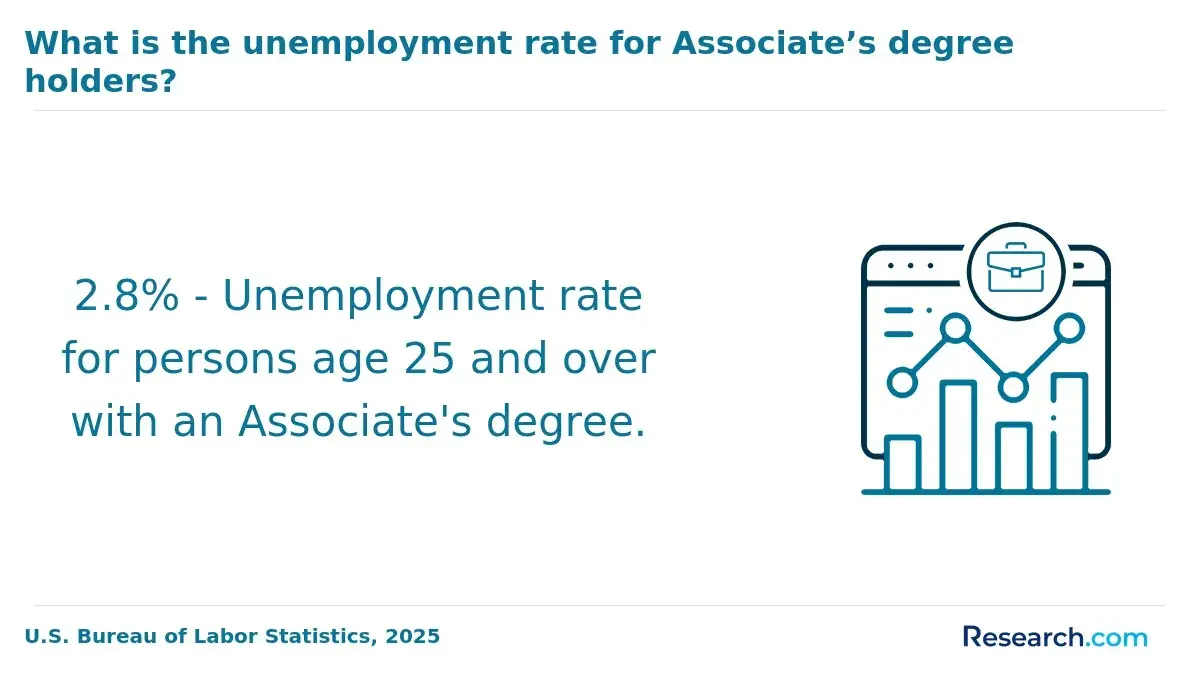
Associate degrees generally prepare candidates for support roles with limited advancement unless supplemented by further education. Master's degrees target those seeking leadership positions or technical specialization, such as forensic toxicology or federal agency research, but their higher cost and time investment require alignment with clear career objectives and employer preferences, which often prioritize field experience over graduate qualifications.
Certificates serve as focused skill upgrades for employed practitioners, especially in niche areas like crime scene processing or digital forensics, but their standalone value is limited without complementary degrees. Practical considerations include verifying program accreditation, lab access, and hands-on components, which remain challenging to replicate fully in an online format.
Professionals evaluating the best forensic science degree levels to pursue should weigh immediate employment goals, financial constraints, and the tradeoff between education depth and experiential learning. For those pivoting into forensic roles, a bachelor's offers the strongest blend of employability and long-term earnings, while advanced degrees benefit those targeting supervisory or specialized roles after accruing hands-on experience.
For comparative degree research in related fields, the nutrition school online domain offers useful insights into program outcomes and structures.
How can I verify that an online forensic science program is properly accredited and reputable?
Regional accreditation recognized by the U.S. Department of Education or the Council for Higher Education Accreditation is fundamental when assessing online forensic science program accreditation standards. This ensures institutional legitimacy, affects credit transferability, federal aid eligibility, and impacts employer recognition. Programs with specialized credentials from bodies such as the Forensic Science Education Programs Accreditation Commission (FEPAC) offer curricula more tightly aligned with industry expectations.
Job market outcomes also reveal program reputability beyond accreditation. For instance, programs like Arizona State University Online, enrolling over 50,000 students, indicate broad market trust. Data from OnlineU shows mid-career salaries around $78,000 for master's degree holders in forensic science, emphasizing returns on investment in well-structured programs.
When evaluating how to check reputation of forensic science degrees online, prospective students should probe graduate employment rates, salary ranges, and employer partnerships rather than rely solely on institutional claims. Before enrolling, confirm that the curriculum matches professional certification requirements and state licensing standards essential for forensic roles, especially in law enforcement or forensic labs.
Faculty qualifications and collaborations with criminal justice agencies also materially affect practical training quality and job placement prospects. Those considering an online degree in exercise science can observe similar accreditation and outcome verification challenges relevant across specialized science fields. Transparent admissions processes, technology support, and flexible delivery methods are additional factors that help avoid disruptions during study and career advancement.
What courses and specializations are typically offered in online forensic science curricula?
Employers in forensic science expect graduates to demonstrate proficiency not only in foundational subjects like criminalistics and forensic biology but also in practical laboratory skills such as DNA analysis and toxicology. Online programs often offer virtual labs or kits to simulate hands-on experience, yet this delivery method inherently limits direct interaction with real-case evidence handling, a critical skill evaluated during hiring.
For students targeting digital forensics, coursework must extend to cybercrime techniques and network security vulnerabilities, aligning with rising demand for specialists adept at navigating cyber-enabled offenses. Practical readiness in roles tied to medical examiner or pathology contexts requires training in forensic anthropology and pathology, which focus on trauma analysis and human remains examination.
Legal and ethical instruction remains indispensable, equipping candidates to manage evidentiary standards and courtroom testimony complexities. A notable challenge in many online curricula is securing quality field internships that provide chain-of-custody management experience-an often decisive factor for employer trust in a candidate's applied competence.
Prospective students should carefully evaluate whether remote offerings facilitate internship placements and provide resources commensurate with employer expectations, especially for advanced molecular techniques. The rapid expansion of online forensic science education-illustrated by institutions enrolling tens of thousands-intensifies competition, making specialization in areas like digital forensics or toxicology essential to differentiate oneself in the labor market.
What are the typical admission requirements for online forensic science degree programs?
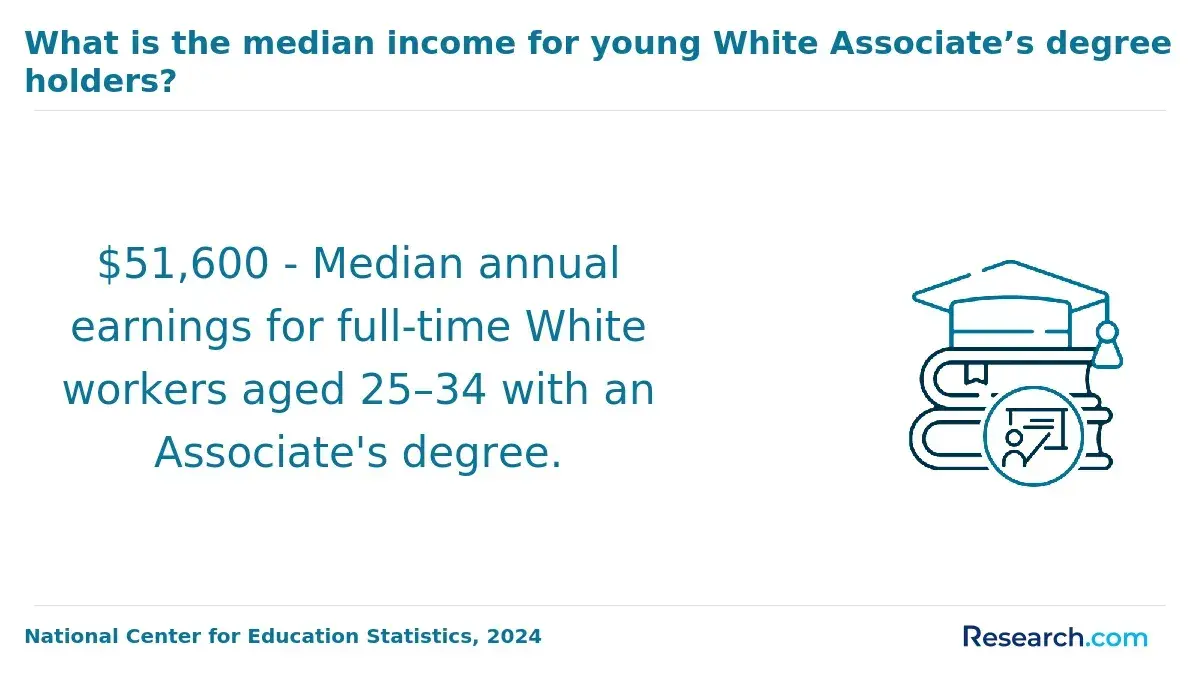
Admissions for online forensic science degrees reflect the field's technical rigor and evolving workforce demands, requiring more than formal paperwork. Associate-level candidates must show readiness in math and science, with diplomas or GEDs and sometimes placement tests, underscoring foundational competency. Bachelor's applicants face transcript scrutiny ensuring completion of core sciences, while standardized tests are increasingly optional but still influence competitiveness in some programs.
Master's programs demand a bachelor's in forensic science or closely related STEM disciplines with at least a 3.0 GPA, accompanied by letters of recommendation and purposeful career statements. Work experience, often in labs or law enforcement, strengthens applications and aligns with practical skill sets employers seek.
The necessity of physical or virtual lab access complicates the "online" claim, as many candidates must meet in designated centers or participate in supervised internships, influencing geographic and scheduling decisions. Prospective students should weigh these operational hurdles alongside financial realities: typical total costs span roughly $9,300 for associate, $10,000 for bachelor's, and $24,000 for master's degrees.
These expenses relate to loan default trends that decrease significantly at higher education levels, reflecting stronger post-completion employment or earning power. Choosing the right program hinges on matching admission criteria with career objectives and job market realities. Professionals pivoting into forensic science must consider not only entry requirements but also how degree costs and hands-on components affect long-term outcomes.
How long do online forensic science degrees take and what do they cost?
Choosing an online forensic science degree demands weighing program length against career timing and financial impact. Accelerated bachelor's programs, achievable in about two years with transfer credits, suit professionals seeking swift entry or shift into the field. In contrast, traditional four-year paths provide depth but may delay employment or promotion for those balancing work and study.
Cost disparities are significant and affect return on investment. Public institutions typically charge between $5,000 and $15,000 per year for in-state students, whereas private colleges may exceed $25,000 annually. Graduate-level programs cost $20,000 to $40,000 total, a considerable investment that should be evaluated against expected salary gains and employers' demand for verifiable skills.
Program specialization influences outcomes. For example, Champlain College's online bachelor's in computer forensics and digital investigations reports median salaries near $90,000, highlighting that targeted subfields can justify higher tuition through faster economic returns. This matters for individuals aiming at cybersecurity or digital evidence roles, where practical competencies shape hiring.
Prospective students benefit from examining how program timelines align with job market deadlines and licensing requirements, not just institutional reputation. Additional expenses-technology fees and software licenses-often go unnoted yet can strain budgets unexpectedly. Successful forensic science professionals balance these factors realistically, adopting pathways that best fit their work-life context and long-term goals.
What forensic science careers can I pursue with an online degree and what do they involve?
Selecting an online forensic science degree involves weighing distinct career paths that differ in both daily tasks and required expertise. Forensic science technicians focus on gathering and analyzing physical evidence at crime scenes, relying heavily on attention to detail and collaboration with law enforcement. Crime lab analysts perform controlled chemical or biological tests in laboratories, prioritizing evidence integrity and technical precision.
Digital forensics specialists, by contrast, require strong competencies in computer science and cybersecurity to extract and interpret data from electronic devices, an area growing in prominence amid rising cybercrime. Employers generally expect candidates to supplement their degree with practical experiences such as virtual labs, internships, or agency partnerships, which are critical for demonstrating analytical skills that purely online theory cannot provide.
Without these, graduates often find entry-level opportunities limited or unavailable. Additionally, many forensic roles demand state-specific certification and ongoing professional development, necessitating early consideration of local regulations and licensing requirements.
The projected 11% growth for forensic science technicians through 2031 outpaces average job markets but also reflects escalating competition and technological advancement. Students should anticipate continuous skill updating, especially in digital forensics where rapid evolution changes investigative methods.
- Technician work centers on physical evidence and crime scenes.
- Lab analysts focus on controlled scientific testing.
- Digital forensic roles demand IT and cybersecurity expertise.
- Certifications and practical internships significantly impact employability.
What salary ranges and job outlook can service-minded forensic science professionals expect?
Starting salaries for forensic science professionals with a bachelor's degree generally hover around $40,000 but tend to plateau without additional qualifications. Master's degrees in forensic science often yield early-career wages near $55,000 and can reach approximately $78,000 mid-career, reflecting a tangible premium for advanced expertise. This differential is closely tied to employer demand for specialized competencies in areas such as forensic anthropology, digital evidence analysis, and crime lab supervision.
Federal, state, and private employers frequently require graduate-level credentials for complex analytical tasks or leadership roles, making a master's degree more than an academic upgrade-it is often a practical necessity for career progression. The U.S. Bureau of Labor Statistics anticipates 14% growth for forensic science technicians through 2032, driven by increasing caseloads and technological investments, though competition remains significant.
Professionals face tradeoffs when pursuing advanced online credentials, balancing potential salary uplift against tuition costs, time commitments, and often limited employer-paid leave. Online study can offer flexibility, allowing analysts in metropolitan crime labs to maintain employment while enhancing qualifications targeting niche forensic fields.
However, without graduate certification, opportunities remain largely confined to technician or evidence processing roles, with slower wage growth and fewer supervisory chances. Employers now expect proficiency beyond fundamental forensic methods, increasingly valuing expertise in digital platforms and court testimony. This shift heightens the importance of credentials aligned with both technical skillsets and real-world application.
Are certifications, licensure, or background checks required for forensic science roles?
Hiring for forensic science roles demands more than technical knowledge; it requires demonstrated trustworthiness through stringent background checks mandated by federal, state, and local agencies. These non-negotiable screenings-covering criminal records and substance use-are especially critical in crime labs and law enforcement settings where evidence integrity and chain of custody are legally binding.
Candidates without clean backgrounds face immediate exclusion regardless of academic preparation. Unlike many health professions, forensic science rarely mandates formal licensure, shifting emphasis to certifications issued by bodies such as the American Board of Criminalistics or the International Association for Identification.
These credentials serve as practical markers of competence that often weigh heavily during hiring, particularly in competitive metropolitan markets where employers prioritize verified proficiency amid abundant applicants. Integrating certification-focused content within degree programs can shorten the time to qualification but does not replace the need for hands-on experience. Candidates who balance these certifications with verifiable fieldwork tend to outperform peers lacking this combination.
Consequently, hiring entities often view certifications as partial substitutes for years of laboratory or field experience. Anticipated 14% growth in forensic science technician employment intensifies scrutiny of candidate readiness and imposes a dual hurdle: candidates must pass background investigations and invest in certification pathways to remain competitive.
Other Things You Should Know About Forensic Science
Students should learn forensic case management systems, chain-of-custody documentation software, spreadsheet analysis, and basic statistics tools before graduation. Many programs also include digital evidence handling platforms and photo-documentation tools, which help prepare graduates for laboratory reporting and investigative work in 2027.
Employers in forensic science value accredited degrees but heavily focus on candidates' practical skills and internship experience. Graduates of online programs without substantial fieldwork or internships may be disadvantaged despite academic credentials. Therefore, students should seek programs with built-in internship opportunities or strong industry connections to ensure their education aligns with employer expectations and enhances job prospects.
Specializing early can position students for targeted roles such as digital forensics or toxicology, which have specific skill demands and job markets. However, broad foundational programs offer greater flexibility and adaptability in a field that evolves with technology and legal standards. For those uncertain about their niche, starting with a broad curriculum and pursuing specialization through certificates or graduate study is a pragmatic approach to maintain career agility.
References
- The Forensic Science Jobs You Can Pursue with Qualifications https://www.stonebridge.uk.com/blog/distance-learning/the-forensic-science-jobs-you-can-pursue-with-qualifications/
- How To Become a Forensic Scientist: Requirements & Steps https://www.forensicscolleges.com/blog/htb/how-to-become-forensic-scientist
- Forensic Scientist Salary: State-by-State Median Guide https://www.allcriminaljusticeschools.com/forensics/salary/
- Forensic Science Education Programs Accreditation Commission https://www.aafs.org/FEPAC
- List of Bachelors in Forensic Science Programs - Campus & Online https://yescollege.com/degrees/bachelors-in-forensic-science/
- European Forensic Institute Bachelor's and Masters programmes https://eufor.eu/programmes/
- Is Your Online Degree Legitimate? How to Verify Private University Approval https://matchtocollege.com/blog/verify-private-university-online-degree-approval
- Online Forensic Science Degree https://www.aiuniv.edu/degrees/criminal-justice/bachelors-forensic-science
- Alabama Department of Forensic Sciences https://adfs.alabama.gov/about/accreditation