2027 Online Forensic Science Degrees That Help Build Scientific Writing Skills

Co-Founder and Chief Data Scientist
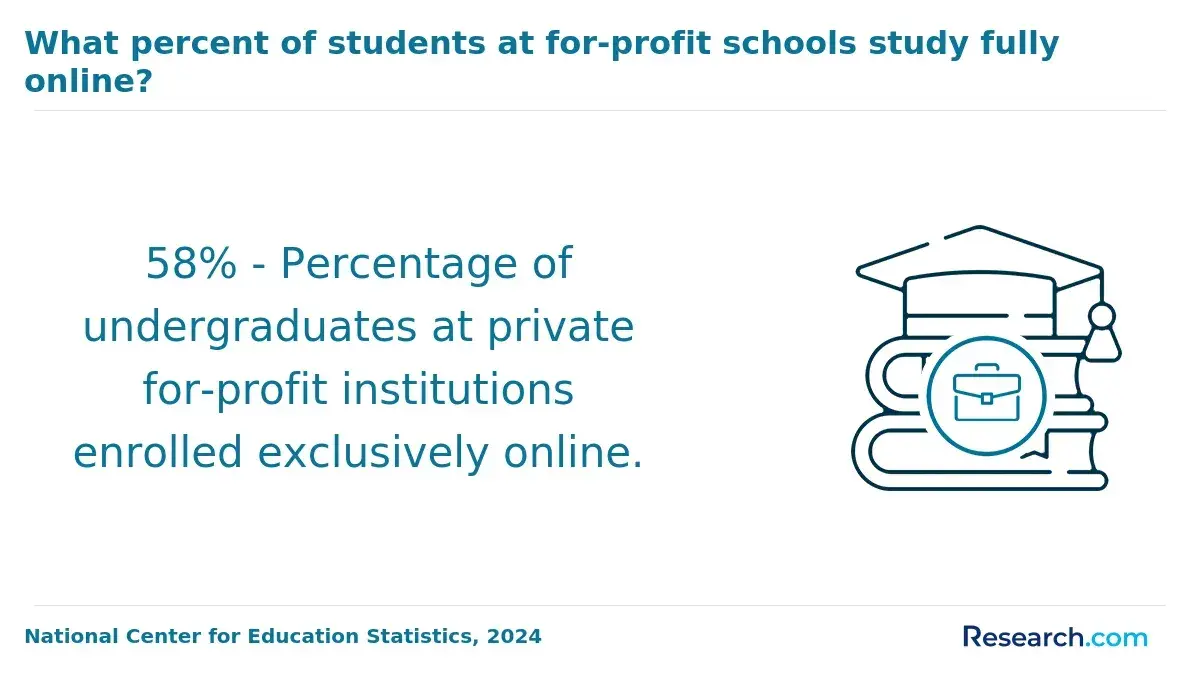
Forensic science professionals regularly confront the challenge of translating complex laboratory results into clear, authoritative reports admissible in court. This skill gap directly impacts case outcomes and professional credibility. Nearly 60% of adult learners enrolled in online science programs since 2023, according to the National Center for Education Statistics, demonstrating a significant shift toward flexible education models that accommodate working professionals seeking skill refinement without disrupting their careers.
Such accessibility aligns with the increasing demand for precise scientific writing amid evolving legal standards for digital and forensic evidence. This article evaluates online forensic science degrees that specifically build scientific writing expertise to help candidates strategically strengthen this critical competency.
Key Things You Should Know
- Only 38% of online forensic science graduates in 2024 secure roles demanding scientific writing fluency, per the National Center for Education Statistics, forcing candidates to weigh degree cost against skill-market alignment.
- Employer surveys from 2024 reveal 63% of forensic labs rate advanced scientific writing as a top deficit, emphasizing degree programs that integrate technical communication modules drastically improve candidate hireability.
- Programs extending beyond 24 months total duration increase tuition by 42% on average (College Board 2024), creating a critical timing-cost tradeoff that affects working professionals targeting mid-career advancement.
What are online forensic science degrees?
Employers in forensic science increasingly demand candidates who combine technical lab skills with advanced scientific writing abilities, as the precision of documented evidence often determines case outcomes. Online forensic science degree programs that emphasize scientific writing prepare students to meet this need by integrating case study analysis, research documentation, and technical communication into their curricula. Graduates are thus equipped to produce clear, accurate narratives that can withstand legal scrutiny, a differentiator in public labs, medical examiners' offices, or forensic consulting roles.
The U.S. Bureau of Labor Statistics forecasts 14% growth for forensic science technicians from 2023 to 2033, outpacing typical occupational growth. This increase intensifies competition and pushes professionals to master both investigative protocols and meticulous report-writing tailored to law enforcement and legal standards. Students juggling work and study can benefit from asynchronous online formats that offer flexible access to labs and writing exercises, essential for developing skills in compiling quantitative and qualitative data effectively.
Key considerations when selecting the best online forensic science degrees for scientific writing include program accreditation and faculty expertise in forensic communication. These factors influence employability and practical readiness, particularly regarding jargon proficiency, chain-of-custody documentation, and procedural compliance. For those seeking affordable, quality educational options, exploring the forensic science bachelor degree online pathways can provide valuable guidance.
Which accreditation matters for online forensic science programs?
Programmatic accreditation from specialized bodies such as the Forensic Science Education Programs Accreditation Commission (FEPAC) directly affects the credibility and employability of graduates from online forensic science degrees. Regional accreditation importance for forensic science programs lies in institutional legitimacy but does not guarantee curriculum adherence to the detailed standards necessary for forensic documentation and investigative rigor. This distinction matters because many employers and credentialing agencies prioritize candidates from FEPAC-accredited programs, especially for positions requiring strict chain-of-custody compliance and admissible expert reporting.
Consider a graduate from a FEPAC-accredited program who can reliably produce court-ready expert reports. This capability significantly influences legal outcomes and distinguishes applicants in a competitive market. For example, Champlain College's online B.S. in Computer Forensics & Digital Investigations, a FEPAC-accredited degree, reports median earnings near $90,000, illustrating employer recognition of such specialized skill sets.
Practical hiring realities also include state licensure and federal employment standards that often demand accredited degrees. Selecting a program without these credentials risks credential invalidation and limits future growth, particularly in technical subfields like digital evidence or toxicology.
Key considerations include:
- Confirming both programmatic and regional accreditation before enrollment.
- Evaluating how accreditation aligns with specific job or licensure requirements.
- Understanding that missed accreditation can restrict access to certain forensic career paths.
Students evaluating interdisciplinary options might also explore related fields; for instance, insights on what can I do with an environmental science degree can inform broader decisions about science-based investigative careers.
How do online and campus forensic science programs compare?
Choosing between an online forensic science degree vs campus programs often hinges on balancing flexibility and hands-on training. Online programs, like Arizona State University Online, offer cost savings with annual tuition around $24,780 and eliminate commuting or relocation, making them attractive to working professionals pursuing skill upgrades or a career pivot without income loss. However, this format sacrifices direct access to physical crime labs and specimen handling, which are essential for mastering evidence analysis methods expected by many employers.
Campus-based programs integrate intensive lab work and frequent interaction with forensic instrumentation, fostering stronger laboratory skills frequently recognized by police departments and federal crime labs, per employment data from the Bureau of Labor Statistics. Conversely, online courses emphasize scientific writing and case report preparation, developing competencies aligned with consultancy or academic roles. This highlights a distinct comparison of scientific writing skills in forensic science courses tailored by delivery format.
Practically, online students must often seek supplemental internships or local lab access to meet certification and workforce expectations, while campus students benefit from institutional partnerships that facilitate these experiences. Prospective students should also consider online library science degree pathways as analogous flexible, skill-focused alternatives.
What coursework builds scientific writing skills?
Scientific writing in forensic science degree curriculum enhancing writing skills must go beyond generic technical communication to meet rigorous legal standards. Forensic analysts balance detailed scientific data with clear, accessible language that judges and jurors understand, as outlined in protocols like the Daubert standard. The real-world consequence of poorly executed reports can be exclusion of evidence or weakened cases, reducing employability in forensic labs or consultation roles.
Courses focus on drafting chain-of-custody documentation, case summaries, and expert witness statements through scenario-based training. Emphasizing error-free, objective, and concise writing is essential given the tradeoff between technical complexity and courtroom clarity, especially in DNA or chemical analyses. Practical assignments mimic courtroom admissibility demands and chain-of-evidence protocols to build proficiency.
Programs vary widely; students seeking online forensic science courses for scientific writing development should verify that offerings integrate legal-oriented writing content rather than generic science communication. Large programs such as Arizona State University Online, which enrolls over 50,000 learners, illustrate growing access but also the need for curricular specificity to improve workforce impact.
Key coursework elements include:
- Technical writing for forensic reports tailored to legal audiences
- Research methods with an emphasis on data presentation and citation
- Ethics and communication focused on courtroom admissibility standards
- Practical assignments replicating evidence documentation and expert witness statements
Students comparing educational paths should also review options such as computer science degrees that offer complementary data analysis and coding skills applicable within forensic workflows, enhancing employment prospects in forensic technology roles.
What admission requirements do online forensic science programs ask for?
Admission to online forensic science programs hinges on more than basic academic credentials; candidates must navigate a practical gatekeeping process aligned with workforce expectations. Most bachelor's programs require at least a 2.5 to 3.0 GPA and favor applicants with foundational coursework in biology, chemistry, and math, reflecting employer demand for quantitative and scientific rigor. The need to submit standardized test scores varies, often waived if students hold prior college credits or relevant professional experience, which can expedite entry and reduce redundant learning.
Applicants with associate degrees or certifications in criminal justice or lab technology may gain advanced standing, shortening degree timelines-a strategic advantage for working professionals balancing time and cost. Graduate-level admissions typically demand a bachelor's in a STEM field, with prerequisites like organic chemistry and genetics, plus demonstrable practical experience through internships or forensic employment, reinforcing readiness for applied forensic roles.
Programs frequently require personal statements and multiple letters of recommendation targeting analytical aptitude, along with background checks, especially for those aligning with law enforcement agencies-factors that extend application timelines and necessitate early preparation. With just 27 online forensic science programs noted in 2025, competition exists but favors applicants who combine academic prerequisites with verifiable professional exposure, reducing delays between graduation and workforce integration.
How long does an online forensic science degree take?
Completing an online forensic science degree within a typical timeframe critically affects employability and skill relevancy. Associate degrees usually require around two years, while bachelor's degrees are structured for four years under full-time study conditions. Accelerated tracks compress this to three years but demand intensive weekly commitment, often unsuitable for working students, who might stretch completion to five or six years part-time-risking outdated knowledge and diminished employer appeal.
Forensic science education demands more than theoretical understanding; it integrates scientific writing, laboratory methods, and sometimes fieldwork, with clear report writing vital to legal and investigative contexts. Online formats offer asynchronous coursework suited to professionals, yet the heavy reliance on complex case analyses and writing-intensive assignments means pacing depends on the student's capacity to engage deeply and consistently.
Employers favor candidates holding bachelor's degrees completed within traditional durations, associating this with current methodologies and sustained learning rigor. In contrast, prolonged study risks fragmented learning and reduced workforce readiness. The limited availability of online forensic science programs internationally-such as only six in the UK per Educations.com-intensifies competition and underscores the importance of timely, efficient program completion for U.S. students.
How much do online forensic science degrees cost?
The financial outlay for online forensic science degrees directly impacts student decisions, particularly for working professionals balancing income with education costs. Tuition typically ranges from $300 to $900 per credit hour, with graduate programs-such as a 30-credit Professional Science Master's-totaling $9,000 to $27,000 before fees. This variation demands critical consideration of institution type, residency, and whether the program's design aligns with one's professional timeline and demands.
Beyond tuition, candidates must weigh additional costs like lab kits, software licenses, and proctoring fees, which can add $1,000 to $2,500. These supplementary expenses often correlate with programs that emphasize hands-on training-a factor valued in roles requiring meticulous scientific documentation, such as positions in state crime labs where employers expect proficiency in reporting as much as technical knowledge.
Financial aid options are available but often defer costs, increasing debt while allowing continued work. Prospective students should examine transfer credit policies and program pacing to avoid redundant expenses and prolonged enrollment. For instance, investigative consultants might prioritize affordable foundational degrees to enter the field quickly, whereas aspiring lab managers may justify investments in research-intensive programs linked to better employment outcomes and higher technical writing demands.
- Online forensic science programs vary widely in total cost depending on credit rates and program length
- Additional fees for experiential learning tools materially affect the overall financial commitment
- Aligning program intensity and pacing with career goals reduces wasted time and resources
What jobs can you get with an online forensic science degree?
Graduates with an online forensic science degree face a nuanced employment landscape where scientific writing skills are a critical differentiator. For roles like forensic chemist, crime lab analyst, or chemical technician-whose median wage stands at $60,390 with a 3.7% job growth projection-employers demand precise documentation and clear communication of complex lab results. Technical writing is not merely a supportive skill but a core competence necessary to bridge scientific evidence with legal proceedings.
Employment settings markedly influence writing expectations. Government forensic units prioritize formal investigative reports to support courtroom testimony, while private sector roles-such as those in pharmaceutical or environmental testing firms-require validation studies and chain-of-custody documentation tailored to internal protocols or regulatory compliance. Candidates lacking practical experience or specialized communication training often encounter barriers since employers increasingly seek demonstrable writing proficiency, sometimes evidenced through portfolios or certification.
Students pursuing forensic science online should integrate hands-on opportunities like internships or project-based workshops honing technical writing, simulating real-world forensic report creation and peer review. This focus equips them to meet employer standards for rigor and clarity essential to roles that merge laboratory expertise with critical written analysis.
- Median chemical technician salary: $60,390
- Projected job growth rate: 3.7% (ASU Online, 2024)
- Essential skills: scientific reporting, legal communication, technical documentation
What salaries do forensic science graduates earn?
Starting salaries for forensic science graduates in 2026 align closely with the median pay for biological technicians, around $57,510 annually. Entry-level roles commonly exist in public agencies such as local and federal crime labs, where employers often standardize starting wages near this figure. Private sector positions, including consulting or pharmaceutical-related forensic work, may offer slightly higher pay, but this varies based on specialization and location.
Advancing beyond entry-level generally requires additional certifications or graduate degrees, with specialized roles like forensic toxicologists or DNA analysts starting near or above $70,000. The job market remains competitive due to overlapping qualifications from biology, chemistry, and biochemistry graduates, which can hinder early wage growth. Students and professionals must therefore invest in developing skills in scientific writing, data interpretation, and courtroom testimony preparation to improve employability and promotion prospects.
Projected job growth of 3.5% suggests steady demand but limited rapid expansion. Forensic science graduates who gain practical laboratory experience alongside refined communication skills will better differentiate themselves in a constrained hiring environment. Employers expect forensic scientists not only to analyze evidence accurately but also to produce precise and defensible reports, with salary potential closely linked to these combined competencies.
Balancing realistic entry wages with ongoing credentialing and targeted skill development is essential for navigating the forensic science workforce's competitive and specialist-driven landscape.
Which certifications or licenses may forensic science careers require?
Certification remains the decisive factor differentiating forensic science professionals, directly impacting employability and career mobility. The American Board of Criminalistics (ABC) certification is often the baseline employers and courts require, especially in forensic biology and digital forensics where technical precision and evidence integrity are scrutinized extensively. Without such credentials, candidates often encounter limited access to federal or state labs due to strict security clearances and slower internal advancement.
Licensing requirements diverge sharply based on role: medical examiners and forensic pathologists must secure medical board certification and state licensure to conduct autopsies or officially determine cause of death, while laboratory-focused analysts depend primarily on certifications validating laboratory technique and chain-of-custody protocols rather than medical licenses.
Professionals pursuing advanced scientific roles typically combine a forensic science degree with targeted certifications to enhance credibility and wage potential, as biological scientists average $98,920-an indicator of market preference for demonstrable expertise beyond academic credentials. However, certification bodies require periodic renewals and continuing education, posing a balancing act between professional obligations and maintaining credentials.
- ABC certification is standard for forensic biology proficiency and court acceptance.
- Medical licensure is mandatory only for forensic pathologists, not lab analysts.
- Certification directly influences eligibility for certain government roles and labs.
- Ongoing education is necessary to maintain credential validity.
Other Things You Should Know About Forensic Science
Many 2027 online forensic science programs require a capstone report of 15 to 25 pages, plus an abstract, literature review, methods section, and APA or AMA formatting. Some programs also ask students to submit a case study memo, mock lab report, or research poster for faculty review.
Online forensic science degrees demand consistent study and lab work that can be time-intensive. Working professionals must realistically assess their capacity to manage research projects and scientific writing alongside full-time jobs. Selecting programs with flexible scheduling, asynchronous lectures, and clear workload expectations is vital to prevent burnout and ensure steady progress.
Employers increasingly accept accredited online forensic science degrees, but advancement can hinge on the program's rigor and networking opportunities. Graduates from online-only programs lacking field internships or in-person interaction may face challenges competing for highly specialized roles. Prioritize programs with credible field placement options and robust alumni support to strengthen professional positioning.
Forensic science constantly updates reporting standards and technology-related documentation. Effective programs embed writing-intensive courses tied to case analysis and lab reports, stressing clarity and precision. Evaluate programs on how closely their assignments simulate real forensic documentation challenges; this alignment improves graduates' ability to meet employer expectations for dependable, scientifically sound communication.
References
- Forensic Science Education Programs Accreditation Commission https://www.aafs.org/FEPAC
- Online Forensic Science Degree https://www.aiuniv.edu/degrees/criminal-justice/bachelors-forensic-science
- How To Become a Forensic Scientist: Requirements & Steps https://www.forensicscolleges.com/blog/htb/how-to-become-forensic-scientist
- How Much Does A Forensic Scientist Make? A Salary Overview https://www.salemu.edu/blog/how-much-does-forensic-scientist-make/
- Forensic Scientist https://www.ncchomelearning.co.uk/career-courses/forensic-science/
- How to Improve Academic Writing Skills and Write Like a Pro at University - CIS University https://www.cis-spain.com/en/blog/how-to-improve-academic-writing-skills-and-write-like-a-pro-at-university/
- Forensic Scientist Salary: State-by-State Median Guide https://www.allcriminaljusticeschools.com/forensics/salary/
- Employment Opportunities in Crime Scene Investigation and Forensics https://www.crime-scene-investigator.net/employment.html